

European Affairs Journalist
Elise Aranda
- Based in:
- Brussels, Belgium
- Languages:
- English, Spanish, French
Follow
Articles
 Defence & Industry
From Missiles to Interceptors: How Germany and Ukraine Are Reshaping European Air Defence
German defence firm Quantum Systems has signed a Letter of Intent to supply Ukraine with tens of thousands of SPYS high-speed interceptor drones, backed by a €1 billion German aid package. Co-developed with Ukraine’s WIY Drones to counter Russia’s jet-powered Geran-5 UAVs, the deal signals a fundamental shift in European strategy: treating counter-drone defence as a high-volume, AI-assisted production challenge rather than a reliance on costly missiles.
October 8, 2026
 Economy & Energy
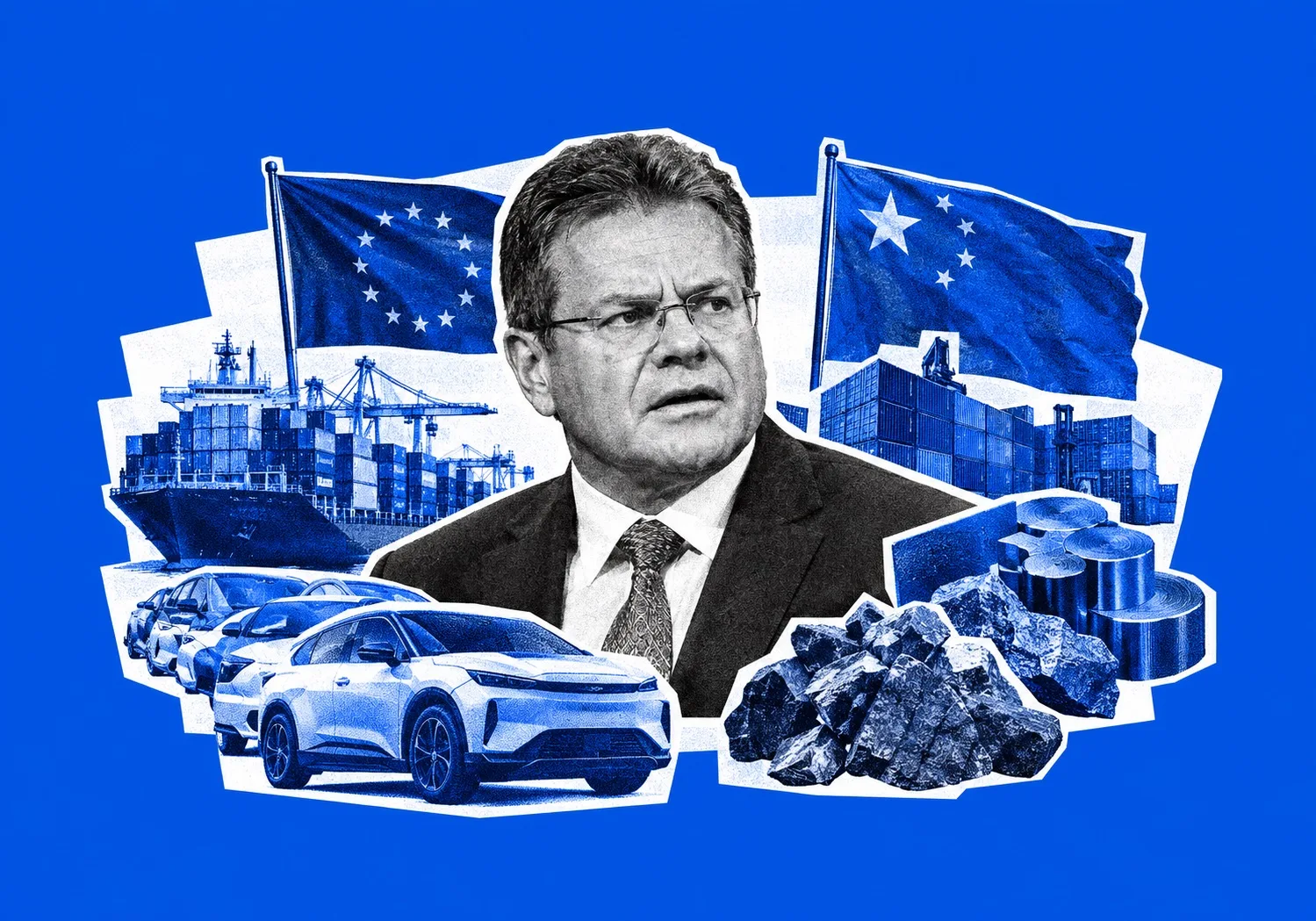
EU-China Trade War: Why Šefčovič’s Beijing Talks Signal the Start of "China Shock 2.0"
As EU trade chief Maroš Šefčovič meets Chinese Commerce Minister Wang Wentao in Beijing, negotiations are exposing a deeper crisis than a standard commercial dispute. Confronted by a €360 billion trade deficit and the threat of a "China Shock 2.0", Brussels is abandoning conventional compromise in favor of aggressive market protection.
October 8, 2026
 Defence & Industry
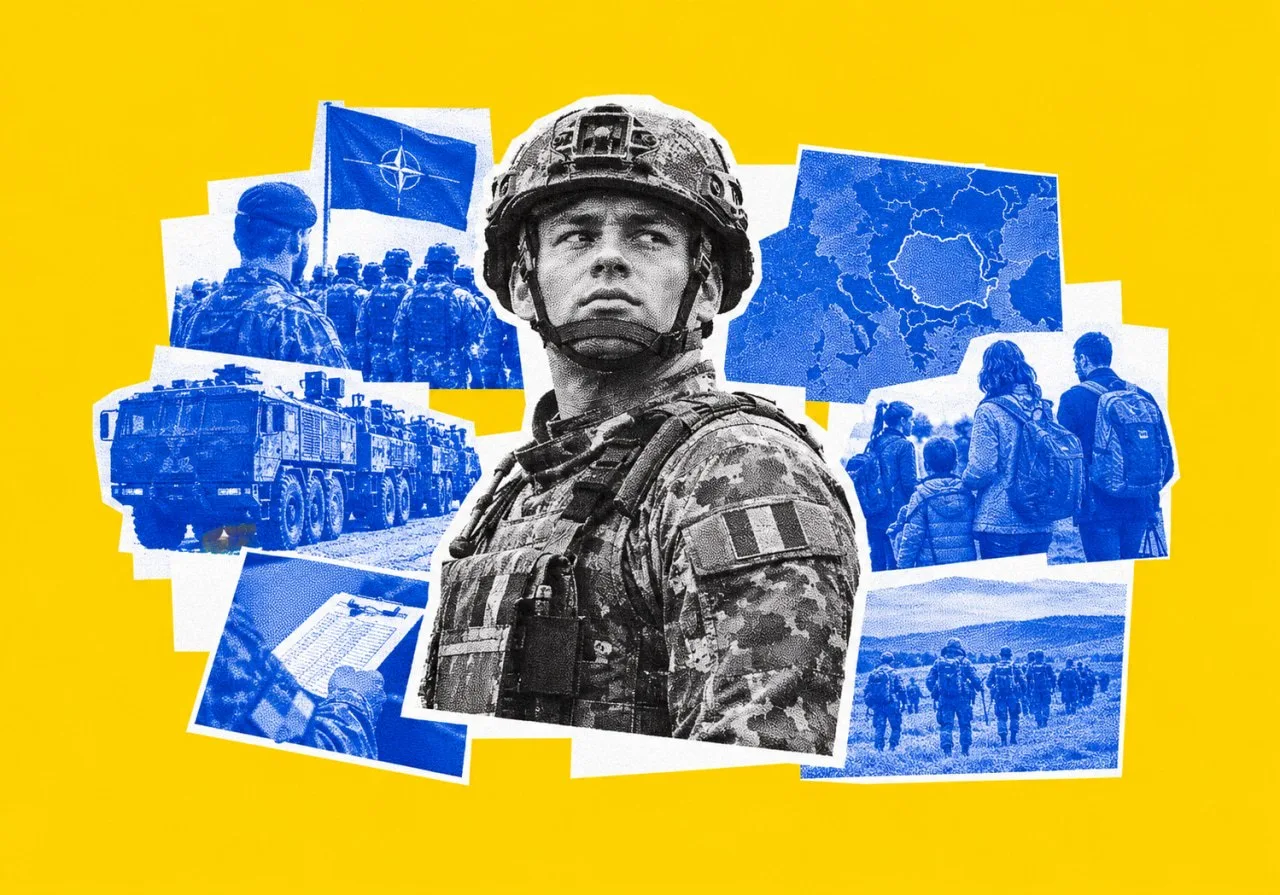
Romania’s MOBEX 2026 Exercise Exposes Demographic Clock in NATO Reserve System
Romania has summoned 10,000 army reservists aged 43 to 63 for the MOBEX Bucharest–Ilfov 26 exercise, testing its mobilization infrastructure following severe administrative failures in 2025. While officially routine, calling up the country's final generation of pre-2007 conscripts highlights a critical demographic bottleneck for NATO’s Eastern Flank: an aging reserve pool that is running out of time.
October 7, 2026
 Other
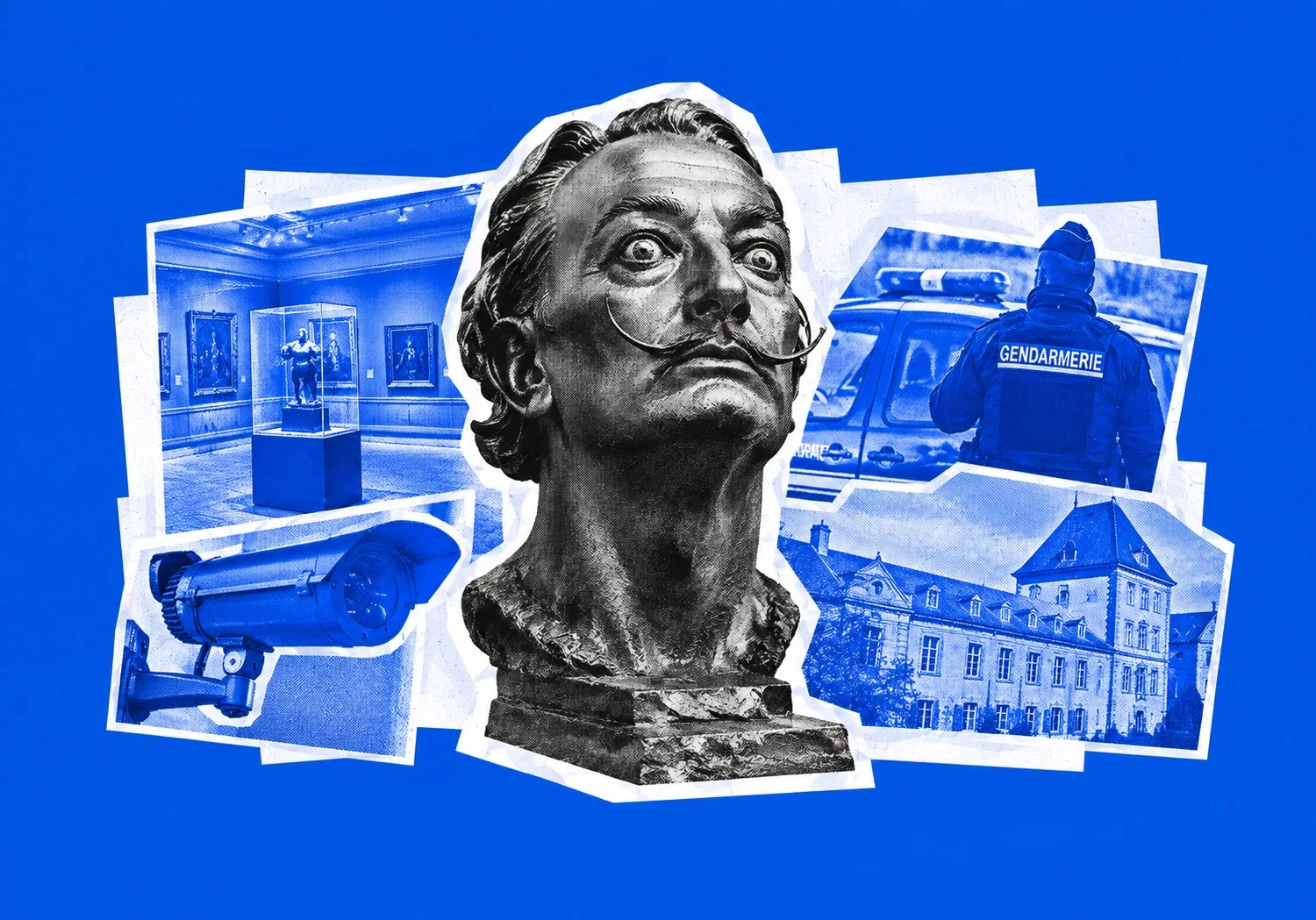
Dalí Bronze Theft in Issoire Exposes France’s Regional Museum Security Gap
The overnight theft of Salvador Dalí’s 150kg bronze cover from the unique Apocalypse book object in Issoire, central France, has laid bare severe security vulnerabilities in private regional galleries holding multi-million-euro national heritage assets.
October 6, 2026
 Other
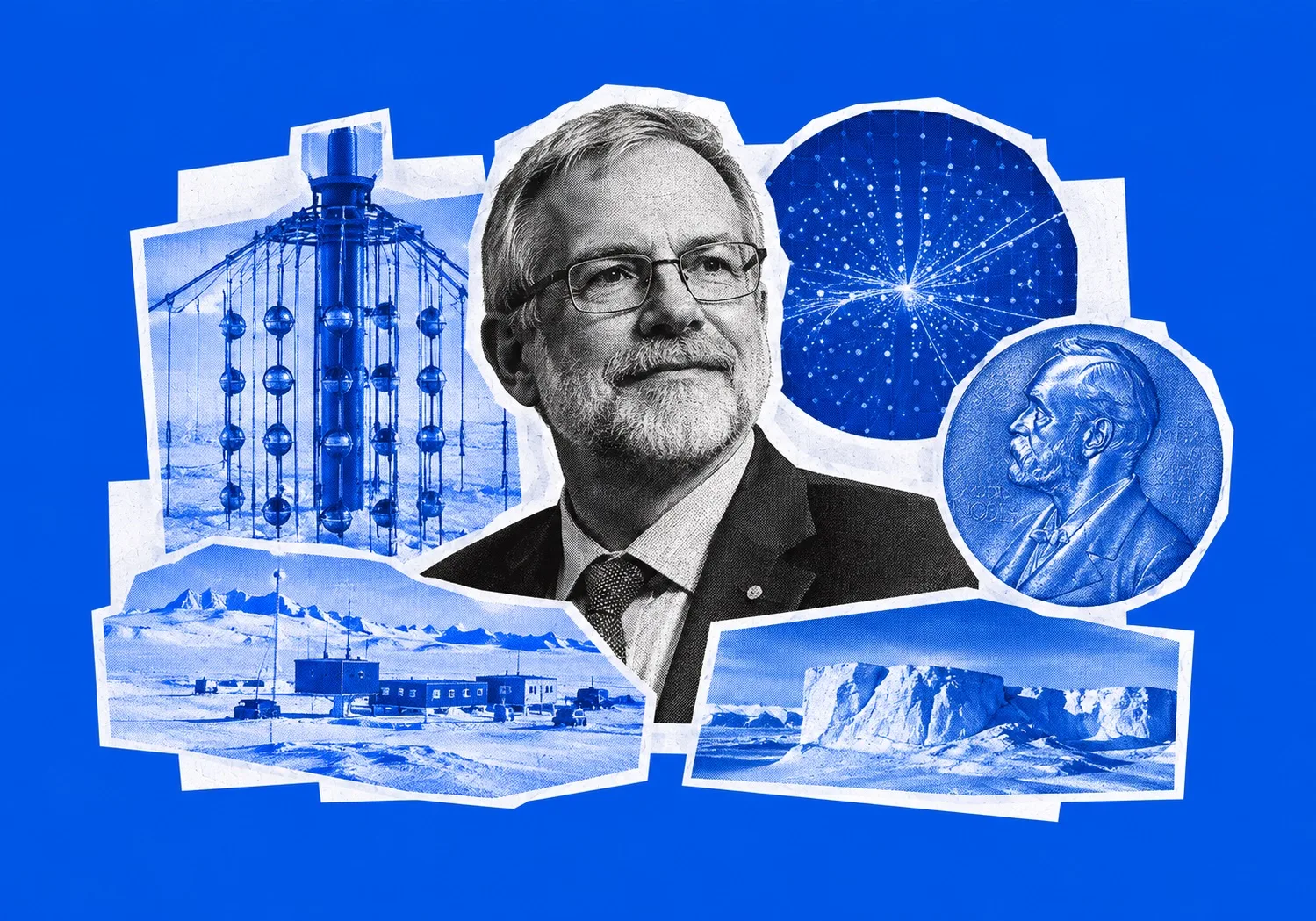
2026 Nobel Prize in Physics: How Francis Halzen and IceCube Built a New Astronomy in Antarctic Ice
The awarding of the 2026 Nobel Prize in Physics to Francis Halzen recognises a fundamental shift in how humanity observes the universe. By turning a cubic kilometre of Antarctic ice into the IceCube Neutrino Observatory, the UW–Madison physicist helped establish neutrino astronomy - a breakthrough that coincides with the completion of IceCube's first major upgrade.
October 6, 2026
 Russian Influence
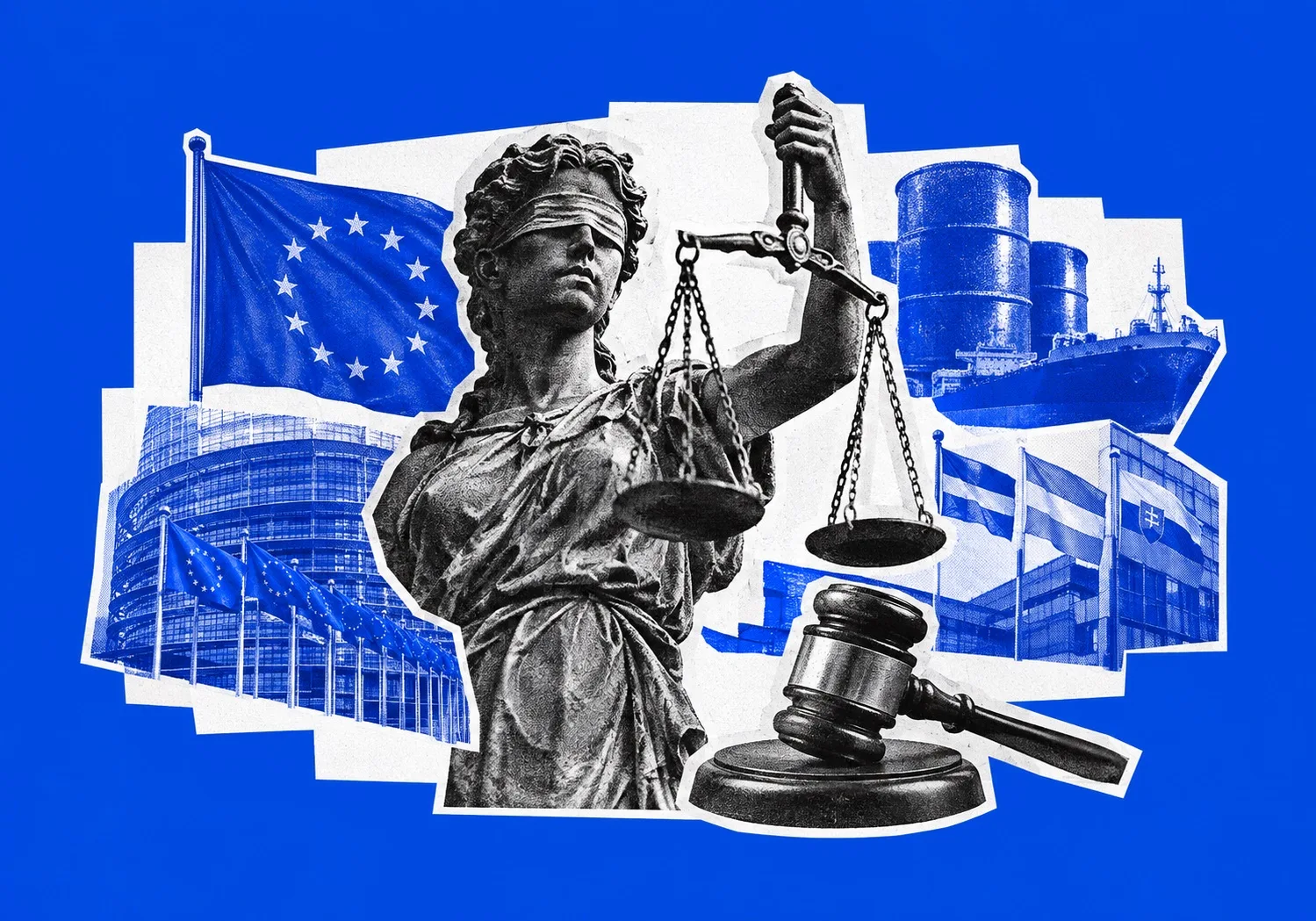
EU Sanctions Loopholes: How Courts and Member State Vetoes Are Undermining Western Restrictions
The impending EU delisting of Russian tycoon Mikhail Gutseriev and Belarusian businessman Viktar Shautsou following General Court rulings exposes a growing vulnerability in Europe’s sanctions framework. Coming on the heels of the political compromise that removed Alisher Usmanov and Mikhail Fridman, the decisions reveal how judicial evidentiary standards and member states’ transactional interests are combining to create a structural escape hatch in Western financial blockades.
October 6, 2026
 Eastern Frontier
Poland and Lithuania Plan Mass Evacuation of 1M Civilians Across Suwalki Gap
Warsaw and Vilnius are refining a joint cross-border evacuation system capable of moving at least one million people from the Baltic states into Poland during a potential crisis with Russia. Unveiled following talks in Budzisko and Lithuania’s Vyčio Skliautas 2026 civil defense drills, the plan aims to turn NATO’s most vulnerable bottleneck into a coordinated civil-military corridor before a conflict begins.
October 6, 2026
 Defence & Industry
After the Greenland Deal: Why Europe Has 3 to 5 Years to Achieve Military Autonomy
The September 2026 US-Denmark agreement on Greenland preserved Danish sovereignty, but it permanently altered the transatlantic alliance. As Washington expands its Arctic military footprint, European leaders are facing an urgent deadline: build independent defence capabilities within 3–5 years or remain dangerously vulnerable to American strategic pressure.
October 6, 2026
 Economy & Energy
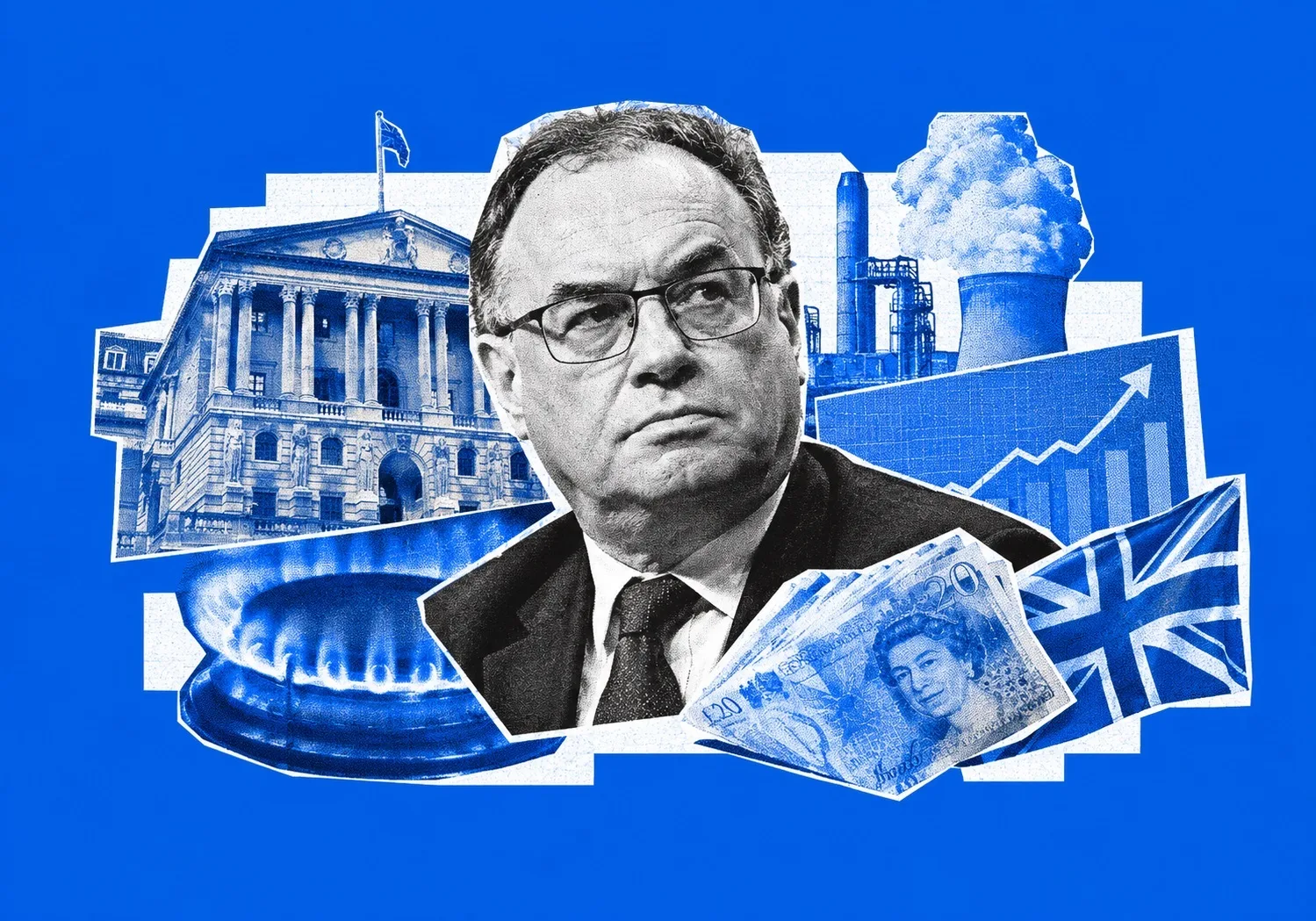
Bank of England Forced Towards November Rate Hike as Energy Inflation Risks Mount
The Bank of England is edging towards its first interest rate increase in more than three years, with markets pricing in an 80% to 92% chance of a rate hike from 3.75% to 4% on November 5. Driven by energy price shocks from the war involving Iran, the central bank faces a difficult balancing act: curbing imported inflation above 4% while the UK economy rapidly loses momentum.
October 6, 2026
 Power
UK Greens Vote to Class Zionism as Racism, Triggering European Rift and Israeli Sanctions
The Green Party of England and Wales has officially designated Zionism a form of racism, becoming the first mainstream European parliamentary party to adopt the position. The landmark vote has exposed a deep ideological rift with European allies—most notably Germany’s Greens - and prompted Israel to bar UK Green leader Zack Polanski from the country, highlighting growing friction between grassroots party activists and elected representatives.
October 6, 2026
 Society
Russia’s Siberian Plague Scare: Lab Worker’s Death in Irkutsk Sparks Bio-Security Alarm
The death of 28-year-old laboratory worker Darya Shipilova at a specialist anti-plague institute in Irkutsk has triggered a major bio-security response across Siberia, despite Moscow’s firm denials of a plague outbreak. With nearly 200 people placed under medical observation and emergency measures implemented in nearby facilities, European and international health authorities are closely monitoring the growing gap between Russia’s official messaging and its actions.
October 6, 2026
 Defence & Industry
Germany’s BND Warns of Russian ‘Shadow War’: Why Berlin Is Rethinking Its Defense Strategy
Germany is already in a covert conflict with Russia that threatens to blur the line between peace and national defense, the head of the BND foreign intelligence service warned the Bundestag. From explosive-rigged drones at Leipzig airport to widespread sabotage, Moscow’s hybrid strategy is forcing Berlin to grant its intelligence agencies active intervention powers and shift national security obligations onto the private sector.
October 5, 2026
 Other
Nobel Prize in Medicine 2026: How Optogenetics Turned Light into a Brain Control Switch
The 2026 Nobel Prize in Physiology or Medicine, awarded to Karl Deisseroth, Peter Hegemann, and Georg Nagel, recognizes a profound shift in neuroscience. By converting light-sensitive algal proteins into a precision switch for mammalian neurons, their work transformed the brain from something scientists merely observe into an engineered system they can directly control - and potentially heal.
October 5, 2026
 Power
Spain Snap Election: Pedro Sánchez Calls Nov 29 Vote as Housing Crisis Opens Door to PP-Vox Government
Spanish Prime Minister Pedro Sánchez has called a snap general election for November 29 after his minority government suffered a decisive parliamentary defeat over housing policy. The decision resolves months of legislative paralysis but puts Spain on the brink of a historic political shift - paving the way for the center-right People’s Party and the far-right Vox to form the next government.
October 5, 2026
 Future Europe
Why Scientists Are Demanding a Ban Before the First Bacterium Is Built
Leading researchers are urging governments to halt work on self-replicating mirror bacteria before a breakthrough occurs. While synthetic mirror molecules offer promising medical applications, an autonomous mirror organism poses unprecedented, irreversible biosecurity risks.
October 5, 2026
 Power
Yemen Offensive: How the Battle for Taiz Threatens Red Sea Shipping and Suez Trade
Yemen’s government has launched a counteroffensive after Iran-backed Houthis severed the critical Taiz–Aden highway, threatening a total siege on Taiz. While Aden vows to recapture Sanaa, the immediate fight is over the Bab el-Mandeb corridor - raising urgent alarm for European energy supplies, trade routes, and the EU’s Aspides naval mission.
October 5, 2026
 Defence & Industry
US B-1 Bombers Evacuate RAF Fairford: How an Iranian Threat Exposed NATO’s Vulnerable Rear
The US Air Force has abruptly withdrawn all 12 B-1B Lancer bombers from RAF Fairford to the continental United States following an urgent intelligence spike over a suspected Iranian-linked terror plot. While the emergency redeployment mitigates the immediate risk to high-value assets, it reveals a dangerous operational shift: hostile shadow warfare can now disrupt Allied long-range force projection without firing a single missile.
October 5, 2026
 Society
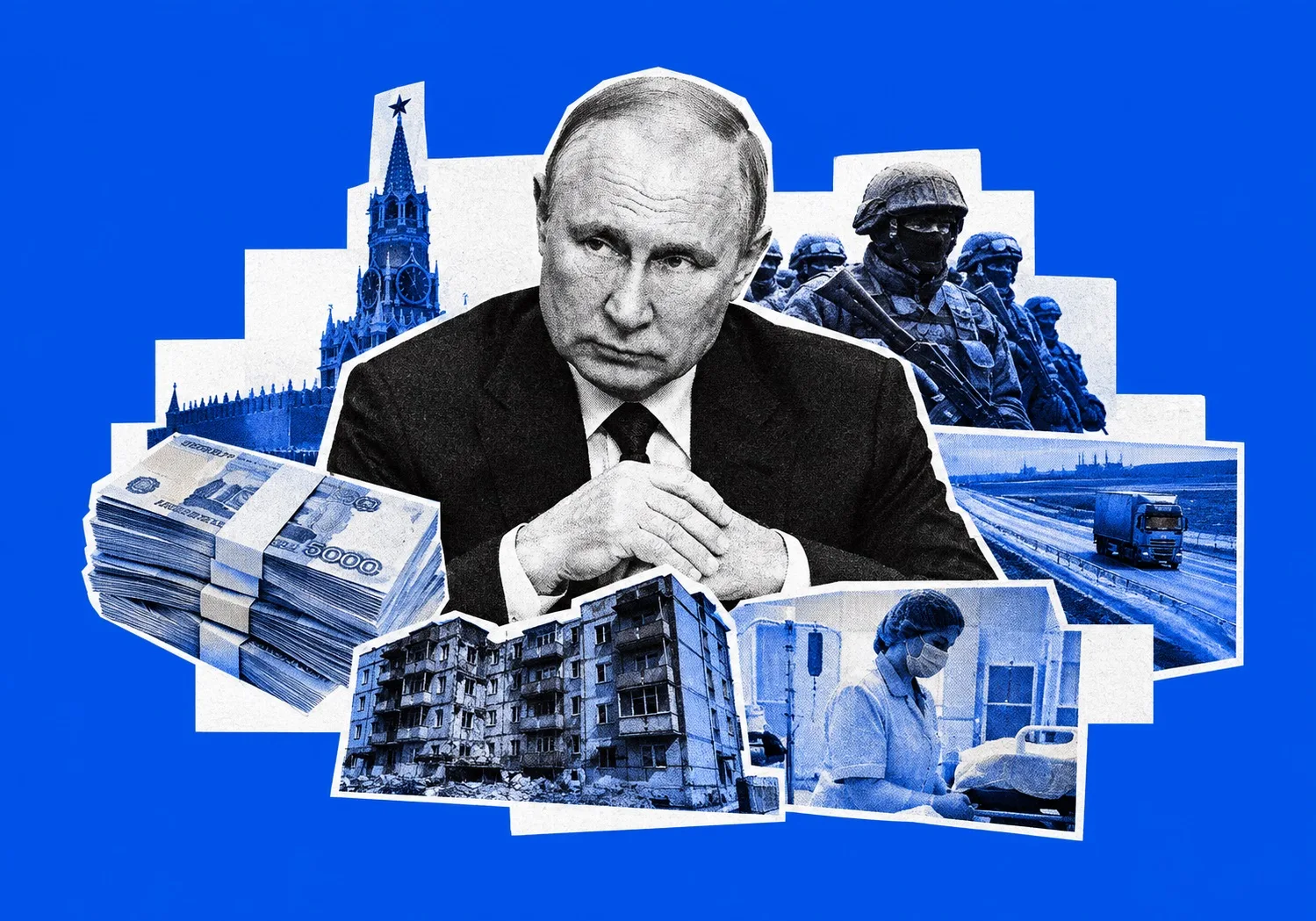
Russia’s Regional Fiscal Crisis: How the Kremlin Is Shifting War Costs to the Provinces
Russia’s regional governments entered 2026 under severe financial strain after the 2022 invasion, as Moscow forces them to co-finance the war. Consolidated regional deficits reached a record RUB 1.56tn ($20bn) in 2025 - five times official projections - with the shortfall expected to hit RUB 1.9tn in 2026, as 56 regions already struggle with deep budget gaps.
October 5, 2026
 Eastern Frontier
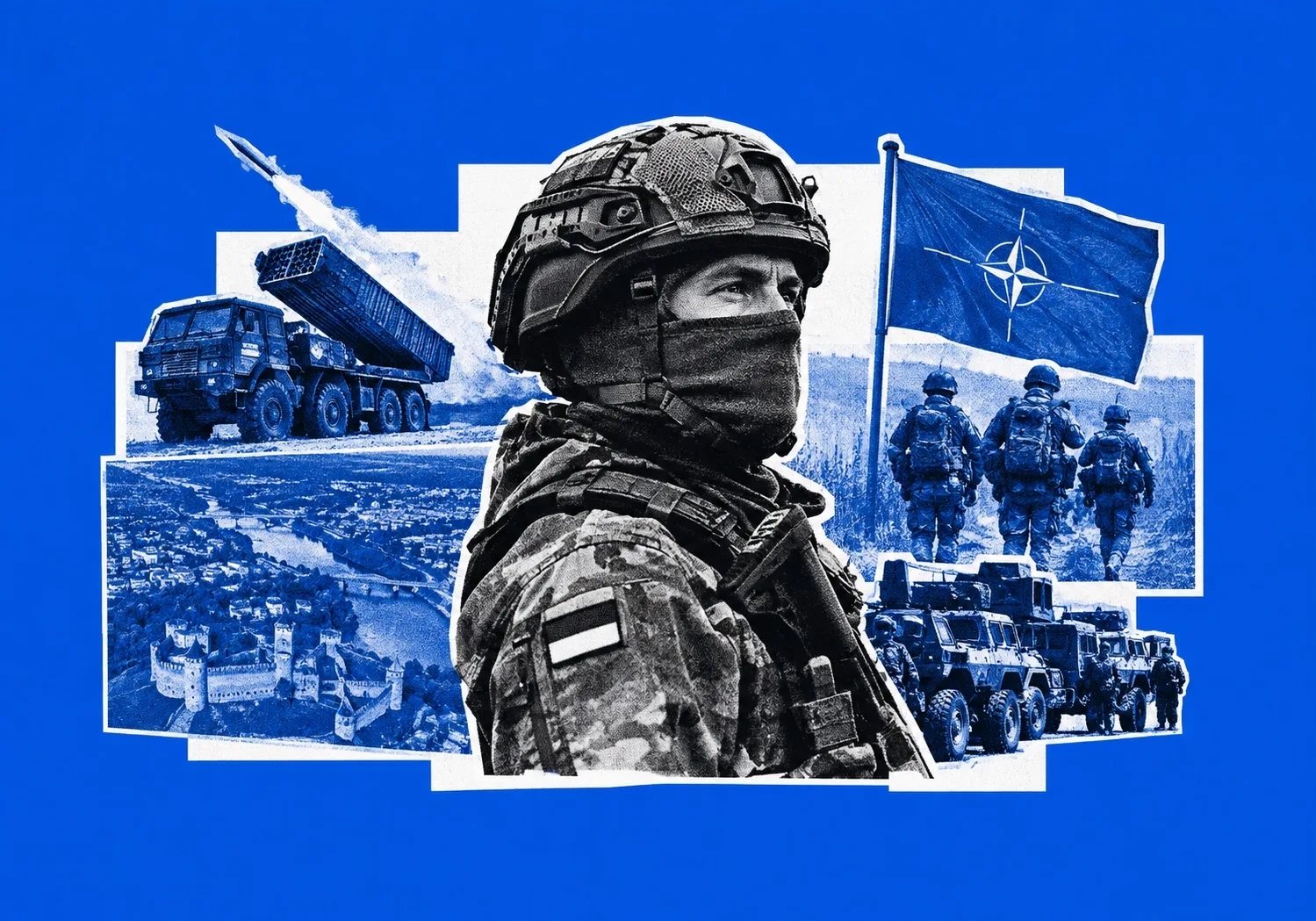
Estonia Redeploys Troops to Russian Border in Major NATO Deterrence Shift
Estonia is permanently moving its main fighting force to the Russian border and constructing a new military base in Narva, marking a radical pivot toward an "active defence" doctrine. By redeploying the First Brigade to Jõhvi - just 50km from Russia - and procuring 300km-range HIMARS, Tallinn and its NATO allies are shifting from a strategy of delayed liberation to contesting every inch of territory from day one.
October 5, 2026
 Economy & Energy
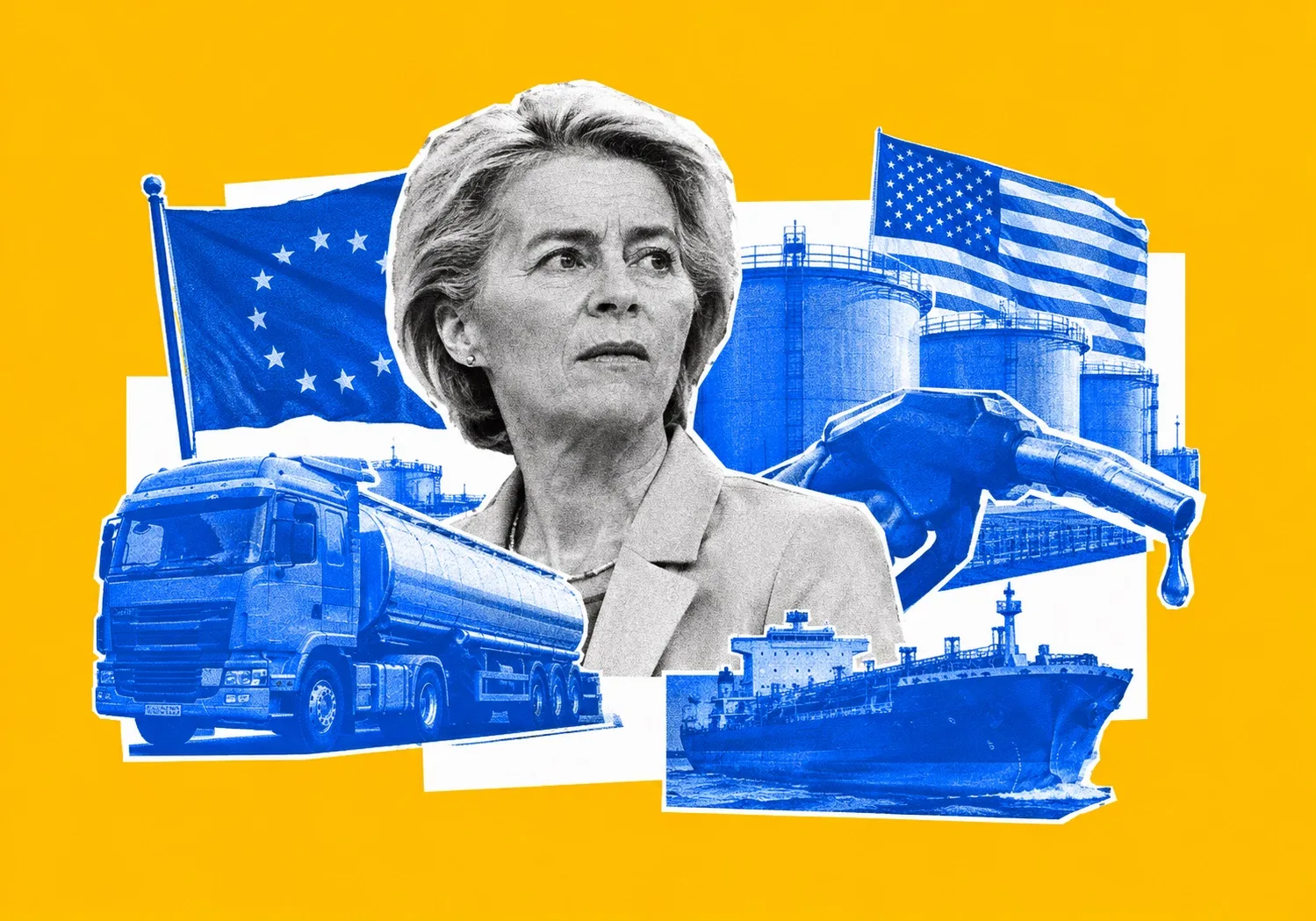
Europe’s Diesel Crisis: EU Weighs Reserve Release Amid US Export Ban Threat
As European diesel prices hit record highs, EU governments are negotiating a French proposal to release 50 million barrels of strategic fuel stocks. The emergency move follows pressure from Washington, where the US has threatened a unilateral diesel export ban unless European allies tap their strategic reserves ahead of the American midterm elections.
October 2, 2026