
Europe’s Diesel Crisis: EU Weighs Reserve Release Amid US Export Ban Threat

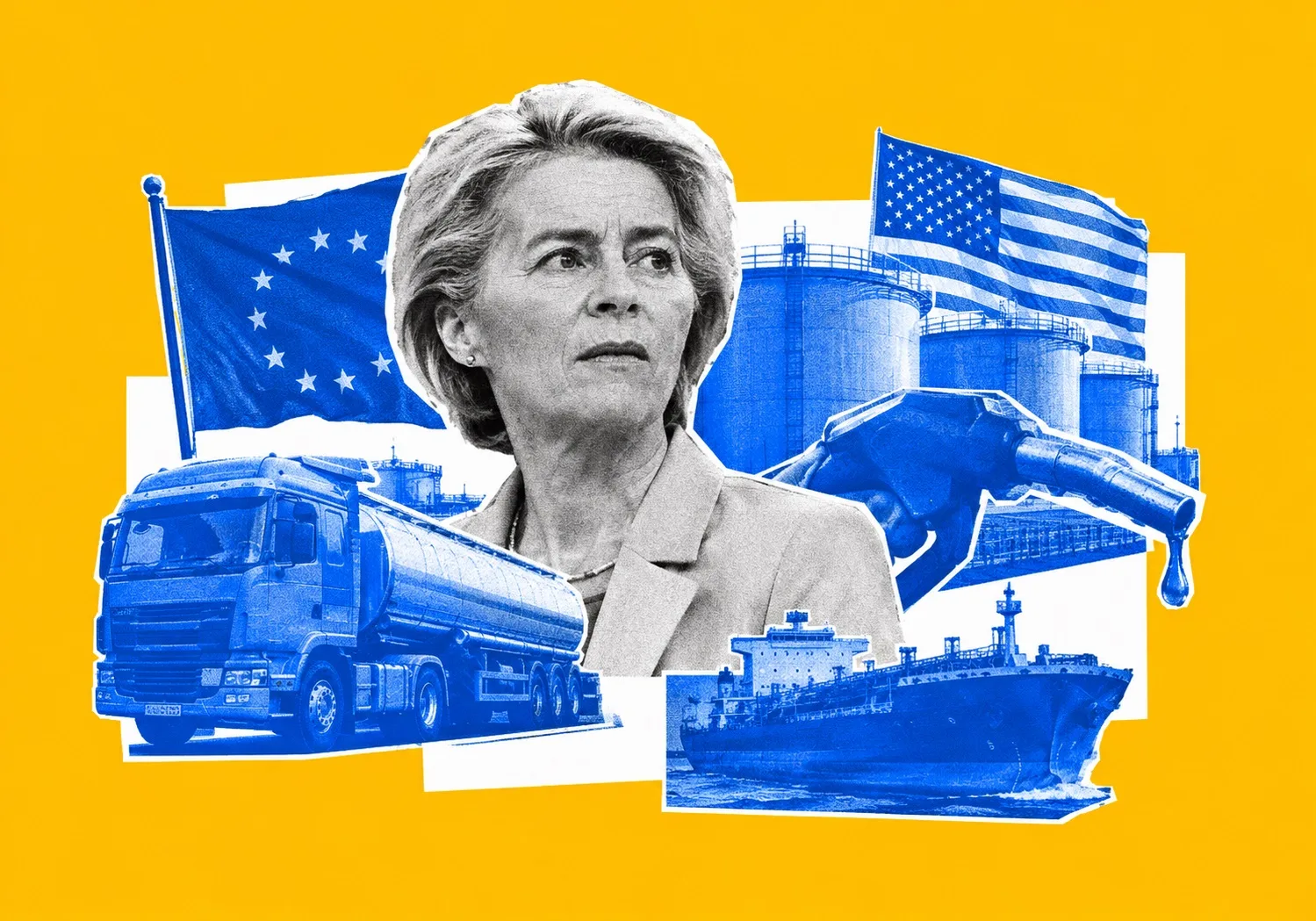
As European diesel prices hit record highs, EU governments are negotiating a French proposal to release 50 million barrels of strategic fuel stocks. The emergency move follows pressure from Washington, where the US has threatened a unilateral diesel export ban unless European allies tap their strategic reserves ahead of the American midterm elections.
The dispute has turned a fuel shortage into a test of transatlantic relations. Europe is being asked to use reserves built for energy security while facing the possibility that the country demanding the release could itself cut off a major source of supply.
Washington’s domestic problem becomes Europe’s strategic problem
The timing of the American pressure is difficult to separate from US domestic politics. Retail diesel prices in the United States have risen by about 70 per cent since late February, creating mounting economic pressure ahead of the November 3 midterm elections.
Washington’s demand is therefore not simply about managing a global shortage. It seeks to bring additional barrels into a market under pressure, with European emergency stocks becoming part of the response.
That has put Germany and France, specifically targeted by the US administration, in an uncomfortable position. European governments have rejected the threat of an American export embargo, arguing that unilateral restrictions would damage transatlantic trust while making an already fragile supply system more vulnerable.
The EU's response has been unusually explicit. European reserves would not be released simply because Washington demanded it. Any coordinated drawdown must be accompanied by a binding US commitment not to impose an export ban on American fuel.
France has tried to turn that confrontation into a broader diplomatic negotiation. As holder of the G7 presidency in 2026, Paris has initiated a coordinated call among G7 leaders, while its proposal combines European diesel with an IEA release of crude.
The distinction matters. Europe is short of refined products, not simply crude oil. But bringing crude into the wider market could ease some of the pressure on global supply while the European diesel release addresses the more immediate bottleneck.
The 50 million barrels of diesel proposed by France would still be only one component of Europe's wider emergency stock system. The IEA framework requires members to maintain oil stocks equivalent to at least 90 days of net imports. Germany and France together hold more than one-third of the EU's strategic diesel reserves, making their inventories particularly important in any coordinated response.
That also explains Europe's reluctance to treat reserves as a routine price-control mechanism. Once emergency stocks are released, they are no longer available for the next disruption.
The shortage is not coming from one place
Europe's predicament is the product of several supply shocks arriving at once.
The war in Iran has disrupted Middle Eastern oil exports and marine logistics. In March, the IEA already coordinated an emergency release of 400 million barrels of crude, the largest such release in its history.
Russian refining has suffered another shock. Ukrainian drone strikes damaged multiple Russian refineries during 2026, after which Moscow imposed a total ban on refined-fuel exports to protect domestic supplies.
China then removed another major source of flexibility from the international market. Chinese refiners halted fuel exports in October to rebuild domestic inventories.
The result is particularly damaging for diesel because the lost supply is concentrated in refined products and because Europe's own refining system cannot simply replace every missing barrel. The market is having to absorb the simultaneous loss of Russian and Chinese export volumes while Middle Eastern disruption affects both crude supply and shipping.
This is why the crisis cannot easily be solved by adding crude alone. Refining capacity, product specifications, shipping routes and regional inventories determine whether crude can actually become the diesel required by European transport operators.
The strategic problem is therefore deeper than a temporary price spike. Europe has become dependent on a global network whose individual components are now being disrupted for different reasons.
Freight is where the shortage becomes political
For European consumers, the most visible consequence is the price at the pump. Average EU diesel prices have reached €2.26 a litre, up 38 per cent from €1.59 before the escalation linked to the Iranian conflict. Germany has reached €2.44, while prices in Denmark, the Netherlands and Finland have exceeded €2.50.
For freight operators, the effect is more immediate and harder to absorb.
Road transport accounts for 77 per cent of EU diesel consumption. According to figures from Transport & Environment and the International Road Transport Union, European road logistics are facing about €270 million a day in additional fuel costs, including €203 million directly attributable to diesel.
A heavy goods vehicle travelling 10,000 kilometres and consuming around 3,000 litres of fuel can incur an additional €1,800 a month in operating costs under current prices.
That cost does not remain with the haulier. Logistics companies are already passing higher fuel expenses through contractual surcharges. Bunker Adjustment Factor charges have reached around €154 per 100 litres of diesel for October, adding another layer of cost before goods reach retailers.
The result is a chain reaction. Fuel becomes more expensive for the truck operator, transport contracts are adjusted, and the additional cost is incorporated into the price of goods.
This makes diesel unusually important to the European economy. A disruption in crude markets can be partially absorbed through inventories, alternative grades and refinery adjustments. A shortage of the finished middle distillate needed by millions of trucks is much harder to bypass.
Governments are buying time, not solving the imbalance
European capitals have responded with national measures even as they negotiate a common strategy.
Germany introduced an energy tax discount running from October 1 to December 31, reducing fuel costs by 14.04 cents per litre, or 16.7 cents including VAT, alongside higher commuter allowances.
France expanded a €450 million relief package, including €100 allowances for 5.5 million workers driving more than 30 kilometres a day. Other governments, including the Czech Republic, Greece, Spain, Italy and Poland, have used combinations of margin controls, excise-tax reductions, transport subsidies and windfall taxes on refiners.
These policies can cushion the immediate shock. They cannot manufacture diesel.
That distinction is becoming increasingly important. Fiscal support transfers part of the cost from fuel users to governments, while price controls can alter how the burden is distributed between retailers, refiners and consumers. Neither approach resolves the underlying shortage of refined products.
The French proposal is different because it addresses physical inventories. Yet that creates another problem: Europe would be spending down the very reserves intended to protect it against future disruption.
A new role for strategic reserves
The most consequential change may therefore concern what strategic reserves are for.
The IEA system was built around a straightforward security principle: governments should maintain emergency stocks that can be mobilised when physical supply is seriously disrupted. The current confrontation stretches that purpose towards macroeconomic management.
Washington wants European inventories mobilised partly because American consumers are facing politically damaging fuel prices. Europe, meanwhile, needs those same reserves as insurance against a supply system already weakened by war, refinery damage and export restrictions.
The distinction between emergency security and price management becomes blurred when the same barrels are expected to perform both functions.
Markets reacted immediately to the prospect of a coordinated release. Crude futures fell by 2–3 per cent, while European gasoil futures dropped by more than 5 per cent after the French proposal became known. That response shows how quickly expectations about government inventories can influence prices.
But a market reaction is not the same as a structural solution.
If Washington proceeds with an export embargo, Europe would have to compensate for the loss of American diesel while simultaneously managing depleted strategic reserves. Alternative suppliers, including Indian and other non-EU refining interests outside the immediate conflict zone, would gain greater pricing power. European governments would have to combine further inventory management with fiscal intervention and new supply arrangements.
That would leave the G7 and IEA confronting a question larger than the immediate barrel count: whether strategic energy reserves can remain credible security instruments when allied governments increasingly use them to manage domestic political and economic pressure.
The European diesel market has already exposed the cost of depending on refining capacity and trade flows that can disappear for entirely different geopolitical reasons. The next test is whether the institutions created to manage energy emergencies can prevent those vulnerabilities from becoming a source of pressure between the allies themselves.
Sources: Global Banking and Finance, Reuters, Politico, AP, NBC News