
Slovakia’s Fico Moves to Restore Cooperation with Russia

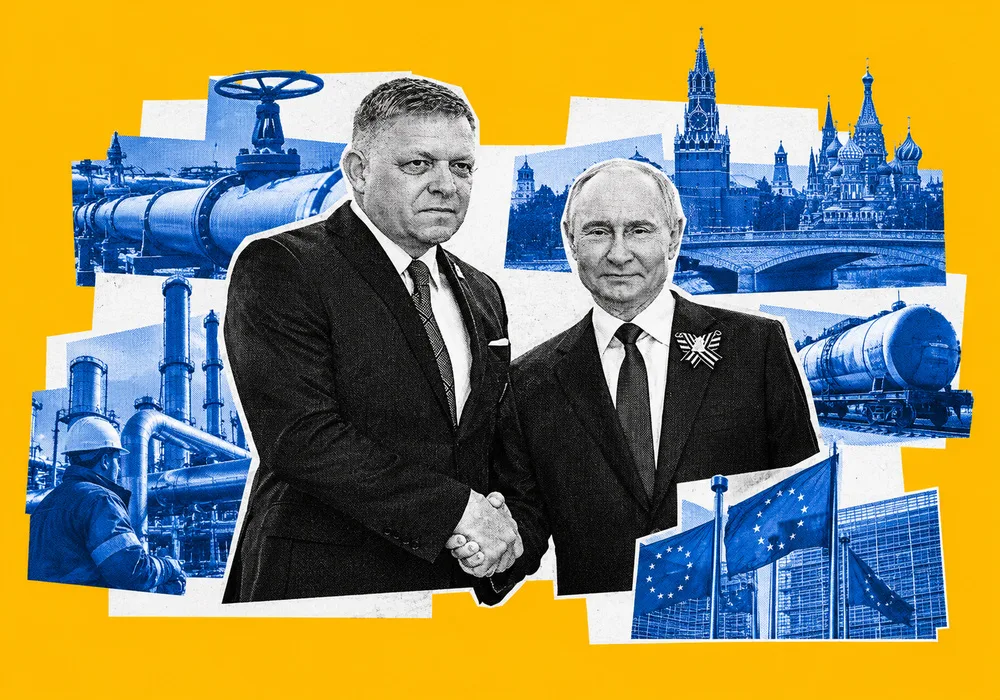
Slovakia plans to resume intergovernmental consultations with Russia on energy and economic cooperation, exposing divisions within the EU over Moscow, sanctions and the future of European energy security.
Slovakia is preparing to reopen a formal channel of economic cooperation with Russia, with talks scheduled in Moscow for 26 October. The meeting of the Slovak-Russian intergovernmental commission will be the first since Russia launched its full-scale invasion of Ukraine in 2022, marking a further departure by Prime Minister Robert Fico’s government from the approach adopted by most EU and NATO allies.
The consultations will cover energy, including nuclear power, as well as agriculture, environmental protection, sports and culture. The Slovak Foreign Ministry has identified the supply of strategic resources as a central issue, with Bratislava seeking to discuss gas supplies and the continuation of Russian oil deliveries. The agenda places energy security at the centre of Slovakia’s renewed engagement with Moscow.
Energy Dependence Complicates EU Policy
Slovakia remains dependent on Russian energy imports even as the EU pursues a broader strategy to reduce its reliance on Russian supplies. Under the EU’s planned phase-out, Slovakia is expected to end Russian gas imports by late 2027. Reopening negotiations with Moscow therefore creates tension between Bratislava’s immediate supply priorities and the bloc’s effort to limit the revenue available to Russia during its war against Ukraine.
Fico has repeatedly opposed restrictions on Russian energy and argued that abandoning these supplies would increase costs for Slovakia. His government has also challenged the EU’s planned gas phase-out through legal action. The dispute illustrates a structural problem for European energy policy: common strategic objectives must be implemented across member states with different levels of dependence on Russian supplies and different assessments of the economic costs of disengagement.
Bratislava presents its approach as pragmatic cooperation in the national interest. The Foreign Ministry has maintained that Slovakia intends to fulfil its obligations as an EU and NATO member while preserving channels of dialogue with Russia. However, maintaining formal membership commitments does not eliminate the political consequences of decisions that could weaken the practical impact of the bloc’s collective approach.
Fico’s Position After Orbán’s Defeat
The planned consultations also carry greater political significance following Viktor Orbán’s defeat in Hungary’s April election. Orbán had been one of the Kremlin’s most influential political partners within the EU, frequently opposing sanctions and questioning military assistance to Ukraine. His departure from power has left Fico as a more prominent advocate of renewed engagement with Moscow among EU leaders.
Fico has visited Russia repeatedly and met President Vladimir Putin in Moscow in May. His government has suspended military assistance to Ukraine from Slovak state stocks, while commercial exports of ammunition and military equipment continue, including through companies with state ownership. This distinction reflects the gap between Bratislava’s official policy on military aid and the continuing role of Slovak industry in supplying defence products.
Fico has also criticised EU sanctions against Russia and expressed a preference for Slovak neutrality over NATO membership. These positions place his government at odds with allies that regard Russia as a long-term security threat and consider continued pressure on Moscow essential to European defence.
The resumption of economic consultations does not, by itself, establish that Slovakia intends to abandon its EU or NATO commitments. It nevertheless provides Russia with an opportunity to restore bilateral cooperation with a member state at a time when European governments are seeking to reduce Moscow’s economic and political leverage.
Implications for European Unity
The immediate significance of the meeting lies in the possibility that national energy interests will increasingly diverge from the EU’s collective strategy. If Slovakia uses bilateral negotiations to preserve access to Russian supplies beyond the bloc’s planned timetable, the dispute could complicate the implementation of common energy policy and create further friction among member states.
The issue extends beyond energy prices. Russian oil and gas revenues remain an important source of funding for the Russian state, while bilateral cooperation can provide Moscow with political opportunities to challenge the perception of European unity. Even where individual governments describe engagement as commercially necessary, the cumulative effect of divergent national policies can undermine the credibility of collective measures.
For Ukraine, the development is particularly consequential because European support depends not only on military and financial assistance but also on sustained pressure on Russia. Slovakia’s decision does not determine the direction of EU policy, but it demonstrates how bilateral economic priorities can complicate efforts to maintain a consistent response to Russian aggression.
The challenge for European policymakers is to reconcile differences in national energy exposure without allowing those differences to erode common strategic objectives. The forthcoming consultations will test how far Bratislava can pursue cooperation with Moscow while remaining aligned with the commitments it has made as an EU and NATO member.
Sources: Rádio Slovakia International (STVR), European Interest