
Germany Reports Sharp Rise in Bundeswehr Soldiers with Deployment-Related Mental Health Conditions

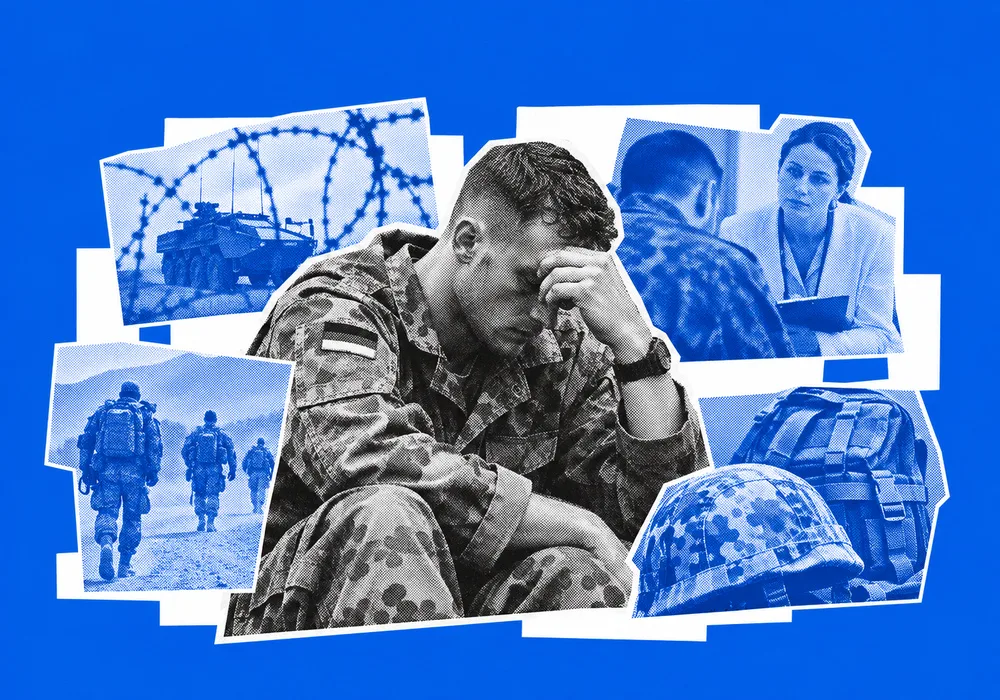
The number of German armed forces personnel diagnosed with post-traumatic stress disorder and other deployment-related psychological conditions increased significantly in 2025. The rise highlights the growing importance of mental health support as Germany expands its military readiness and prepares for a more demanding security environment.
The number of German armed forces personnel seeking treatment for post-traumatic stress disorder (PTSD) and other deployment-related psychological conditions rose significantly in 2025, according to figures reported by Deutschlandfunk on 16 November. Data provided by the German Defence Ministry show that recorded PTSD cases increased from 186 in 2024 to 279 in 2025, representing a rise of approximately 50 per cent.
The number of other psychological conditions associated with military deployments also increased, climbing from 112 to 159 cases over the same period, an increase of around 40 per cent. Taken together, the number of recorded cases rose from 298 to 438, representing an overall increase of approximately 47 per cent in one year.
The figures were provided by Peter Zimmermann, the Defence Ministry's commissioner responsible for deployment-related PTSD and trauma, to the RedaktionsNetzwerk Deutschland. The annual assessment covers personnel who presented themselves at Bundeswehr hospitals and specialist medical centres for diagnosis or treatment. It therefore reflects recorded cases receiving medical attention rather than the total number of military personnel experiencing psychological difficulties.
The increase is particularly significant because many of the affected soldiers experienced traumatic events during earlier international deployments. According to Zimmermann, most had served in Afghanistan, Kosovo or Mali. The latest figures consequently point to the continuing psychological consequences of Germany's previous military operations, even years after personnel have returned home.
Wars in Ukraine and Iran trigger traumatic memories
Zimmermann identified the extensive circulation of images from the wars in Ukraine and Iran as one of the possible factors contributing to the increase. For military personnel who have previously experienced combat or other traumatic events, repeated exposure to images of destruction, violence and military operations can reactivate memories associated with their deployments.
Such reminders can intensify existing PTSD symptoms and encourage affected individuals to seek medical assistance. The development illustrates how psychological consequences of military service can persist long after the original events and may be aggravated by subsequent conflicts, even when former deployment personnel are no longer directly exposed to combat.
However, the Defence Ministry's representative also acknowledged that changes to the statistical recording process could have contributed to the higher number of reported cases. Improved awareness campaigns and more intensive efforts to encourage personnel to seek assistance may also have increased the number of individuals coming forward.
The distinction is important when interpreting the figures. The rise does not necessarily mean that the actual prevalence of psychological disorders across the Bundeswehr increased by the same proportion. It may also reflect previously unreported conditions becoming visible through improved identification and access to treatment. Nevertheless, the number of personnel requiring medical support has increased substantially, creating additional demands on military healthcare services.
Stigma continues to delay access to treatment
One of the most concerning findings concerns the length of time between the traumatic experience and the beginning of treatment. According to Zimmermann, affected Bundeswehr personnel seek medical assistance, on average, four to five years after the event that triggered their psychological condition. He described this delay as considerably too long and stressed that soldiers should seek help earlier.
Fear of professional and social consequences remains a major obstacle. Some personnel worry that colleagues will no longer take them seriously, that their career prospects will suffer or that they will be perceived as weak if they disclose psychological difficulties. Concerns about how family members might react can create additional pressure.
Such attitudes are particularly problematic in military environments, where physical endurance, discipline and the ability to operate under extreme pressure are traditionally emphasised. Although the Defence Ministry's representative considers many of these fears no longer justified by formal military practice, they continue to influence how affected personnel perceive the consequences of seeking assistance.
The delayed recognition of psychological trauma also complicates rehabilitation. Symptoms of PTSD do not always emerge immediately after a traumatic experience. They can develop months or years later and include recurring memories, nightmares, sleep disturbances, irritability, heightened alertness and social withdrawal. As a result, personnel may initially struggle to recognise their condition or attribute changes in their behaviour to other causes.
The problem also extends beyond active service. Former military personnel can continue experiencing the consequences of deployment-related trauma after leaving the armed forces, making access to long-term treatment and support an important part of Germany's broader veterans policy.
Bundeswehr expands treatment and rehabilitation support
The Bundeswehr has developed a specialised system for identifying and treating PTSD among serving and former personnel. According to the military's official guidance, soldiers returning from overseas deployments undergo medical assessments, with further examinations arranged when symptoms of psychological trauma are identified.
Treatment is primarily provided through the Bundeswehr's medical service and military hospitals. Depending on individual needs, patients can receive inpatient or outpatient psychotherapy, including specialised trauma treatment. Civilian healthcare facilities can also be involved when appropriate military treatment capacity is unavailable or when personnel require care closer to home.
The Bundeswehr's treatment programmes include cognitive behavioural therapy, trauma-focused psychotherapy and eye movement desensitisation and reprocessing (EMDR). Rehabilitation can also involve physical activity, occupational therapy and relaxation techniques. Inpatient treatment generally lasts between eight and twelve weeks, although the duration depends on the patient's individual circumstances and recovery needs.
The military has also established specialised psychological support structures. Its Psychotrauma Centre at Bundeswehr Hospital Berlin combines treatment with research into trauma-related conditions, while regional medical facilities provide additional access to psychological services. The armed forces also offer guidance to commanders, colleagues and family members on recognising symptoms and supporting affected personnel.
Nevertheless, the latest figures suggest that the challenge is not limited to the availability of treatment programmes. Encouraging soldiers to seek assistance before their condition becomes more severe remains equally important. The average delay of four to five years indicates that existing support structures do not automatically overcome the cultural and professional barriers that prevent some personnel from reporting psychological difficulties.
Mental health becomes a military readiness issue
The increase comes as Germany seeks to strengthen the Bundeswehr's capabilities in response to the deteriorating European security environment. Russia's war against Ukraine has accelerated efforts to expand military readiness, increase defence spending, improve equipment availability and reinforce NATO's eastern flank. These priorities place additional importance on maintaining a sufficiently large and capable military workforce.
Military readiness, however, depends on more than recruitment figures, weapons systems and defence procurement. The ability to retain trained personnel, maintain operational effectiveness and provide adequate support after deployments is also essential. Psychological conditions can affect an individual's ability to perform military duties, remain in service or return to operational responsibilities after treatment.
The growing number of recorded cases therefore represents a challenge for military personnel management as well as healthcare provision. If psychological conditions remain undiagnosed for several years, the consequences can extend beyond the individual, affecting military units, colleagues and families. Early intervention and rehabilitation are consequently relevant to the Bundeswehr's long-term personnel strategy.
The issue also highlights the lasting costs of Germany's participation in international military operations. Although the majority of affected personnel identified in the latest figures served in Afghanistan, Kosovo and Mali, the psychological consequences of those deployments continue to emerge years later. The experience demonstrates that the end of an overseas mission does not necessarily mark the end of its impact on military personnel.
As Germany increases its defence commitments, the ability to address deployment-related trauma will become an increasingly important component of military resilience. The latest figures show that strengthening the armed forces requires not only investment in equipment and infrastructure, but also sustained attention to the health and long-term welfare of the people expected to operate them.
Sources: Deutschlandfunk, Deutscher BundeswehrVerband