
Why Russia Lost 11 Combat Jets in October: UK Intelligence Update

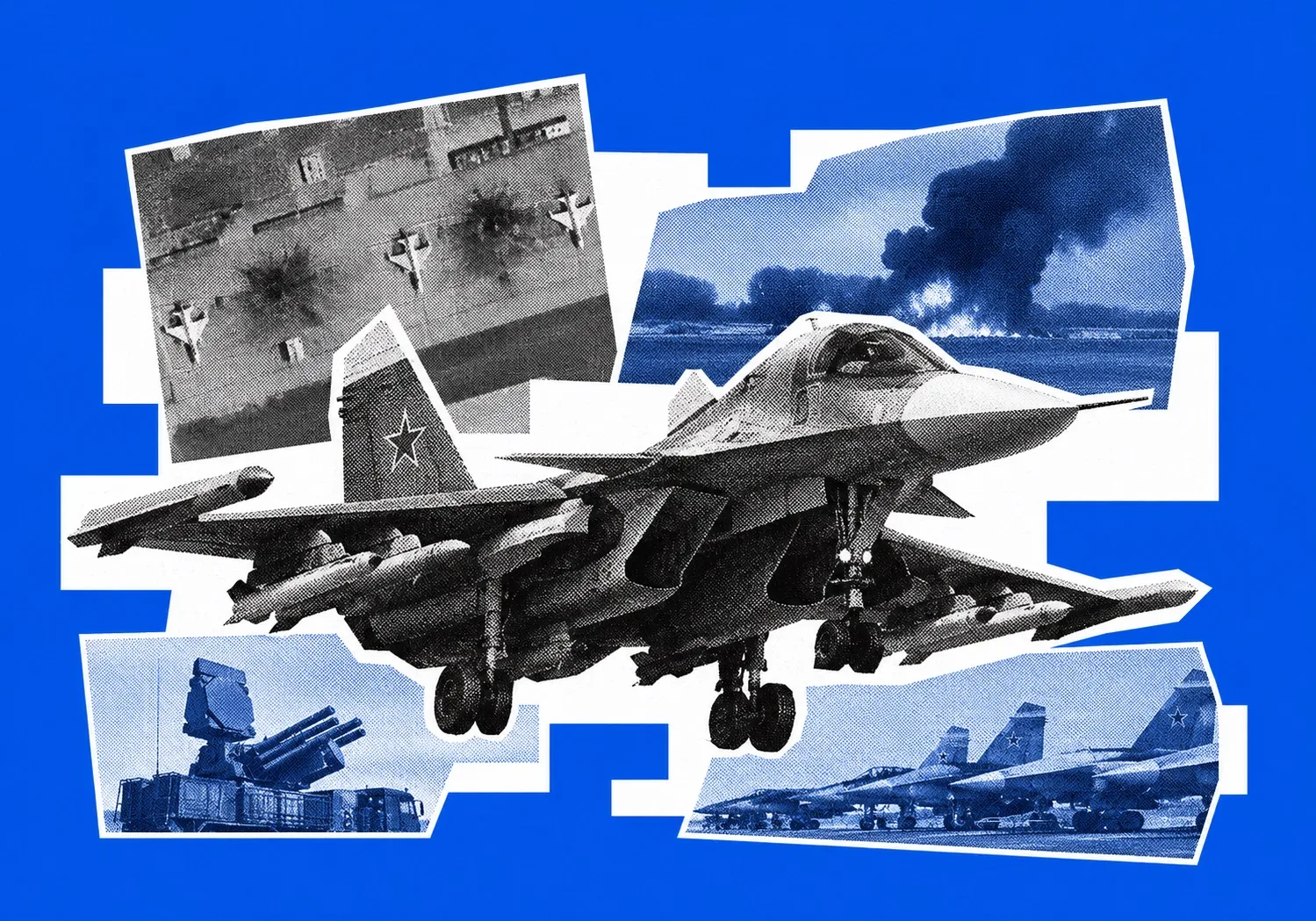
Russia lost at least 11 tactical military aircraft in October 2024 due to Ukrainian strikes and internal technical failures, according to British Defence Intelligence. The losses - which include Su-34 bombers and an advanced Su-57 fighter - bring Moscow's total aircraft losses since February 2022 to over 115.
One of the largest reported losses came during the night of October 14–15, when Ukrainian forces struck Borisoglebsk airfield in Russia's Voronezh region.
Ukraine's General Staff reported that six Su-34 fighter-bombers had been damaged. British intelligence later estimated that two to four of the aircraft were destroyed.
The difference reflects the distinction between aircraft that sustained damage and those considered beyond repair.
Reuters reported that satellite imagery showed destruction at the airfield, although the images did not independently establish how many aircraft had been lost.
The attack reportedly involved Ukrainian Neptune missiles. Originally developed as an anti-ship weapon, the Neptune has since been adapted for strikes against targets on land.
Borisoglebsk was not an undefended facility. British intelligence noted that a Pantsir-S1 air defence system was positioned northwest of the runway and that protective structures had been installed around aircraft parking areas.
Neither prevented the attack.
The Su-34 is particularly important to Russia's operations in Ukraine. The aircraft is widely used to launch guided aerial bombs, which can be released from a distance without requiring pilots to fly directly over their targets.
These bombs have become one of Russia's main weapons against Ukrainian positions near the front line.
Destroying Su-34s at their bases allows Ukraine to target the aircraft before they can carry out another mission. It also forces Russia to consider whether keeping its bombers at established airfields is worth the risk.
Another Two Su-34s Destroyed, Su-57 Lost in Fire
The October losses continued on October 29.
According to British intelligence, two more Su-34 fighter-bombers were destroyed during a Ukrainian attack on Marinovka airfield in the Volgograd region.
A separate incident occurred at Akhtubinsk airfield in Astrakhan, where a Su-57 fighter reportedly caught fire following a technical malfunction.
The aircraft was assessed to have been destroyed.
The reported loss of a Su-57 stands out because it is one of Russia's most advanced combat aircraft. Unlike the Su-34s hit by Ukrainian weapons, this fighter was apparently lost without being attacked.
British intelligence did not identify the precise cause of the malfunction.
The incident nevertheless adds to a series of losses involving aircraft that Russia cannot quickly replace. Modern fighters are expensive to manufacture, require specialised maintenance and depend on trained pilots and ground crews.
The loss of a single aircraft does not necessarily affect the overall pace of operations. But when combat damage and technical incidents occur within the same period, they place additional demands on the remaining fleet.
Russia's Air Force Faces Problems Beyond Ukrainian Missiles
The British assessment attributes October's losses to several causes, including Ukrainian attacks, technical faults, maintenance errors and mistakes made by pilots.
Not all of these problems can be addressed by strengthening airfield defences.
Military aircraft require regular inspections, replacement components and extensive servicing between missions. Their maintenance becomes particularly demanding during prolonged combat operations.
Russia has been using its tactical aviation throughout more than four years of full-scale war, conducting strikes, patrols and other missions while also maintaining aircraft and training crews.
The British report does not establish whether the October technical incidents resulted from unusually intensive use, ageing equipment or failures in maintenance procedures.
Still, the reported Su-57 fire shows that aircraft can be lost even when they are beyond the immediate reach of Ukrainian weapons.
For Moscow, this means that protecting aircraft from attack is only part of the problem. Keeping them operational is another.
Why Russian Airfields Remain Exposed
The strikes at Borisoglebsk and Marinovka also point to a problem Russia has faced repeatedly during the war: aircraft parked at military bases can be easier to target than those already in flight.
Airfields are fixed locations. Their runways, aircraft shelters and maintenance areas can be identified through satellite imagery and other intelligence sources.
Russian forces have responded to the threat by strengthening defences and moving aircraft between bases. Yet the October attacks show that these measures have not eliminated the danger.
At Borisoglebsk, Ukrainian missiles reportedly reached aircraft despite the presence of a Pantsir-S1 system and protective structures.
Moving bombers farther from Ukraine could reduce their exposure to some weapons, but it would also change the distances involved in combat missions.
Dispersing aircraft across more airfields presents another option. However, each location needs fuel, ammunition, technicians and equipment to keep aircraft flying.
There is no indication in the British report that the October strikes forced Russia to suspend its bombing campaign. The losses do, however, remove aircraft from service and may require changes to how the remaining fleet is deployed.
The European Dimension
The destruction of Russian aircraft at their own bases is also relevant to European military planners.
NATO air forces operate sophisticated aircraft from established bases, many of which concentrate valuable equipment and supporting infrastructure in relatively small areas.
Ukraine's strikes illustrate the risks of relying on air defence systems alone to protect such facilities.
Aircraft shelters, alternative operating locations and the ability to repair damaged infrastructure all become important when airbases themselves are targets.
The issue has gained attention across Europe as NATO countries examine how their forces would operate during a prolonged conflict involving missiles and drones.
However, the British intelligence update did not announce any new NATO measures or directly assess the security of European airfields.
The immediate significance of the October attacks remains their effect on Russian aviation.
Ukraine has demonstrated that it can damage aircraft at bases inside Russia, including facilities equipped with air defences. Russia must now account for that threat when deciding where to station its bombers and how to protect them.
More Than 115 Aircraft Lost Since the Invasion
British intelligence estimates that Russia has lost at least 115 tactical aircraft since launching its full-scale invasion of Ukraine in February 2022.
The figure includes aircraft destroyed in combat and those lost in other incidents. It does not indicate how many aircraft Russia currently has available or how quickly its aviation industry can replace them.
Russian aircraft continue to conduct strikes against Ukraine, particularly using guided aerial bombs.
The October losses are therefore unlikely to bring an immediate end to Russian air operations.
But the incidents at Borisoglebsk, Marinovka and Akhtubinsk show how different risks can affect the same fleet within weeks.
Ukrainian missiles destroyed or damaged aircraft on the ground. A technical malfunction reportedly caused the loss of a Su-57. Other incidents were attributed to maintenance problems and pilot errors.
For Russia, replacing the aircraft is only one part of the task. The military must also keep its remaining fleet flying while Ukrainian forces continue to search for opportunities to strike it.
Sources: UK Ministry of Defence, Reuters, General Staff of the Armed Forces of Ukraine, Kyiv Post , Defense Express