
Sweden Moves to Bar Russian Skiers From 2027 Nordic World Championships

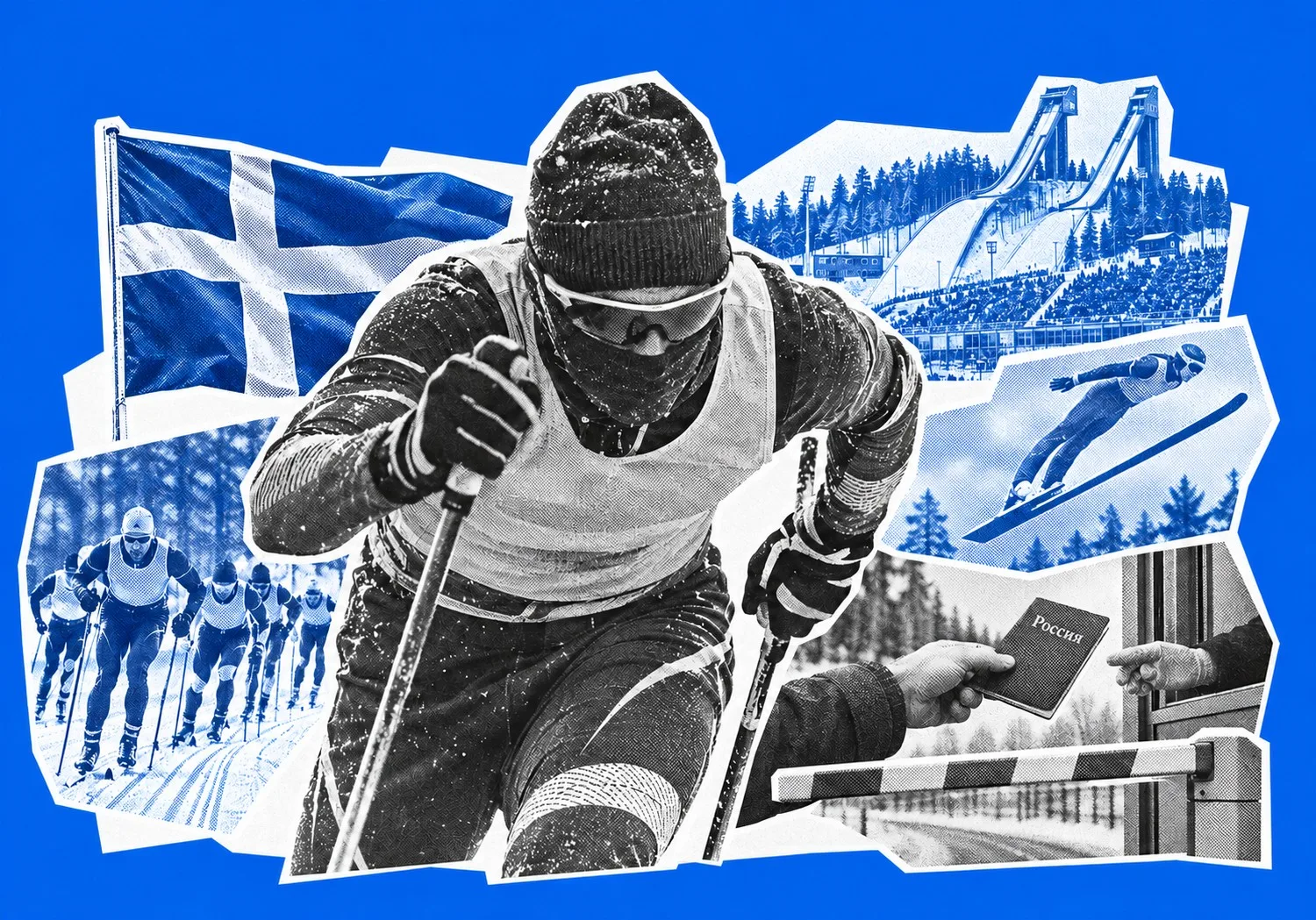
Sweden has issued new guidance to help border authorities refuse entry to Russian skiers ahead of the 2027 Nordic World Ski Championships in Falun. The restrictions could affect athletes cleared to compete under a neutral flag, although entry decisions will remain subject to individual assessment.
The championships open in late February. Sweden joins Norway and Finland in restricting entry for Russian athletes, while EU governments are discussing further measures alongside a new sanctions package against Moscow. Migration Minister Johan Forssell said authorities could also deport Russian competitors. “This legal guidance will help the border authorities to decide that these athletes will not be let into the country,” he said.
The International Ski and Snowboard Federation, FIS, has approved more than 400 Russian and Belarusian athletes and support staff to participate as neutrals this season. That figure covers all FIS disciplines, rather than entries for Falun alone.
Sweden’s Red Line
The Swedish government’s position, published on 18 November, argues that Moscow could use Russian athletes’ participation and success in international competitions to promote its political interests. Allowing athletes and officials to travel to Sweden could therefore pose a risk to the country’s international relations, it said. That assessment gives immigration authorities a basis for considering refusals under existing legislation.
The government’s concern extends to athletes competing without Russian national symbols. Its argument is that their presence and achievements could still be used by the Kremlin, whatever flag appears beside their names. Foreign Minister Maria Malmer Stenergard linked the decision to Russia’s attacks on civilian infrastructure in Ukraine, saying Sweden should increase pressure on Moscow rather than welcome Russian athletes back.
Forssell argued that Russia had already made sport political.
“In Russia it is a fact that politics and sports are mixed together. They are a part of the state war propaganda machine,” he said.
“I love the freedom of movement in Europe, but not if that will enable Russia to spread their war propaganda.”
He said allowing Russians to compete while Ukrainian families sheltered from Russian bombing “would not be right”. Acknowledging that athletes would object to the restrictions, he placed responsibility on Moscow: “The blame goes to Russian leadership.”
The Swedish Ski Association has also opposed Russian and Belarusian participation since the full-scale invasion in 2022. In a statement on 30 October, it said that position remained unchanged, while acknowledging that it must follow FIS rules allowing individual neutral competitors under specified conditions. It stressed that decisions on visas and entry belonged to the authorities. National discussions were being handled by the Swedish Sports Confederation, which represents the wider sports movement; the ski association said it was not conducting an active lobbying campaign.
The association also addressed reports that the dispute could cost Falun the championships. It said FIS had confirmed that moving the event had not been discussed within the organisation and that there were no such plans.
Falun’s programme runs from 24 February to 7 March, with 26 medal events across cross-country skiing, ski jumping and Nordic combined. Nordic combined pairs ski jumping with cross-country racing, while the other two disciplines have their own separate competitions. FIS says the schedule includes the first women’s Nordic combined team event at a world championship. The competition brings several branches of Nordic skiing into the same dispute over Russian participation.
Borders Tighten
Norway’s measures, introduced with immediate effect on 16 November, explicitly cover professional Russian and Belarusian athletes competing under national or neutral flags, as well as their accompanying support staff. The justice ministry instructed immigration and police authorities to refuse entry to those travelling to take part in competitions.
Visas will no longer be issued to the affected groups, and pending applications will be assessed under the new instructions. Norway said the changes responded to international federations easing restrictions while the war continued.
The restrictions do not apply to Russian and Belarusian citizens with valid residence permits in a Schengen country. Norway said the new instructions do not provide grounds to prevent their entry or stay.
Finland adopted its resolution on 12 November, with authorities applying the guidance from 16 November. It covers non-essential visits by Russian citizens and short-term work on a visa, including professional sport.
Helsinki considers such visits a threat to Finland’s international relations. Its foreign ministry cited the EU Visa Code and Schengen Borders Code, which allow visas and entry to be refused on that basis. The policy applies to visa applications, admission at the border and the conditions for short stays. Foreign Minister Elina Valtonen said: “As long as Russia’s war of aggression continues, Russian athletes have no business in Finland.”
The impact is already being felt in figure skating. Russia’s skating federation said on 17 November that seven athletes would miss the Finlandia Trophy in Helsinki because they could not enter Finland. They had been due to compete as neutrals. According to the federation, the International Skating Union had told it that the athletes did not meet Finland’s revised entry requirements, even with Schengen visas.
The Czech Republic has also said it will refuse entry to Russian athletes. Interior Minister Lubomír Metnar announced the position on 18 November, ahead of the women’s Under-18 ice hockey world championship in January. He said the authorities had legal means to prevent athletes entering even if they received visas from another Schengen state.
Other European countries imposed restrictions much earlier. In September 2022, Estonia, Latvia, Lithuania and Poland agreed to limit entry through their external borders for Russian citizens holding short-stay Schengen visas and travelling for tourism, culture, sport or business. Their joint approach retained exceptions, including humanitarian cases and certain family circumstances.
Estonia’s official guidance says the restrictions apply regardless of which country issued the visa. A short-stay visa obtained elsewhere therefore does not automatically permit an affected traveller to cross Estonia’s external border.
Pressure in Brussels
EU foreign ministers are considering sporting restrictions alongside preparations for a 22nd sanctions package against Russia. Following their meeting on 16 November, the Council’s official account said ministers had called for tighter visa policies and measures to prevent Russian and Belarusian athletes competing in EU events under their national flags.
Two options were reported to be under consideration in Brussels on 17 November: a complete ban on entry and participation in tournaments within the EU, or restrictions on competing under the Russian flag. The proposals could also affect Belarusian athletes. The final scope has yet to be agreed: a ban on national flags would still leave room for neutral participation, while a comprehensive entry ban would close that route. The European Parliament is due to debate the continuation of sanctions on Russia in international sport on 24 November.
Sweden is also seeking an EU ban on Russian tourist visas. Forssell cited security concerns, pointing to an explosive drone found at Leipzig-Halle Airport in August in an incident Germany blamed on Russia. One suspect reportedly entered the bloc on a tourist visa.
Stockholm first outlined its demand for common EU rules in a letter in June. Eleven countries supported the initiative then, Forssell said, adding that the number had since risen without giving a new total. Migration Commissioner Magnus Brunner reportedly plans to present a proposal next year.
Sources: POLITICO, Swedish Ski Association, Reuters, Swedish government, Finnish foreign ministry, FIS, Council of the EU, RBC-Ukraine