
NATO fighters scramble as unidentified objects enter Polish airspace during Russian strike

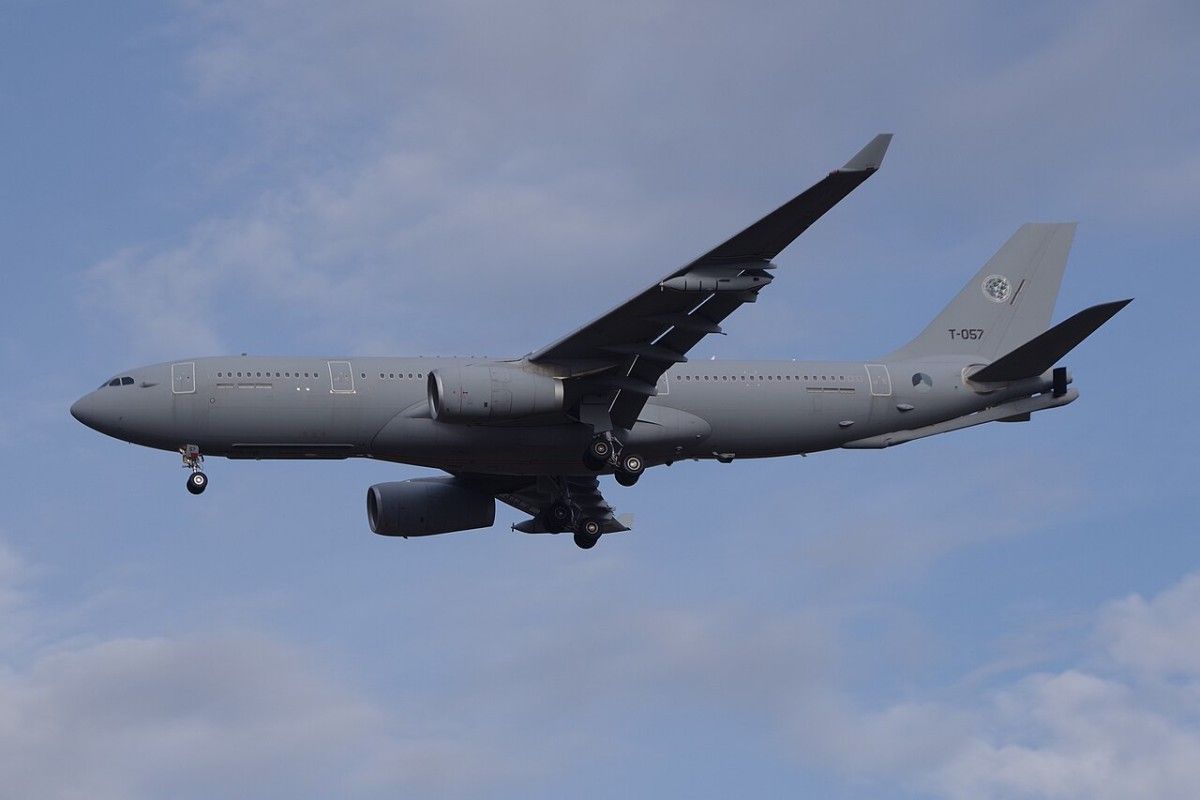
Polish and Swedish NATO fighters intercepted unidentified objects entering Polish airspace during a heavy Russian missile attack on Ukraine.
Polish F-16 and Swedish Jas-39 Gripen fighter jets were scrambled overnight following airspace violations caused by unidentified objects during a major Russian missile attack on Ukraine. The nocturnal interception mission was supported by a NATO Airbus A330 Multi Role Tanker Transport aircraft providing aerial refuelling over the Podkarpacie region under challenging weather conditions.
The aerial threats triggered emergency sirens and public security alerts across several counties in the Lubelskie and Podkarpackie voivodeships. The incident coincided with Russian strikes on Ukrainian targets, including Kyiv, which left three dead and 15 injured. The event marks another airspace breach along NATO's eastern flank since the onset of the full-scale invasion.
Sources: Defence24, Portal obronny, Rzeczpospolita, TVP info
How outlets assessed this
- TVP info Critical Frames the airspace incursions as deliberate Kremlin provocations designed to test NATO defenses.
- TVP info Critical Framed the airspace incursions as deliberate Russian provocations designed to test NATO defenses.
- TVP info Alarmed Frames the incident as part of an ongoing pattern of Kremlin provocative tests against Polish air defences.
- Portal obronny Supportive Highlights the successful joint defensive operation by Swedish Gripen and Polish F-16 fighters under challenging conditions.
- TVP info Alarmed Frames the incident as part of deliberate Russian provocations testing NATO air defenses.
- Portal obronny Supportive Focuses on the successful joint NATO operation and effective defense response under severe conditions.
Sources
- Rzeczpospolita — Polska przestrzeń powietrzna naruszona. Dwa polskie i dwa szwedzkie myśliwce broniły Polski
- Portal obronny — Gripeny i polskie F-16 nad Polską. Nocna operacja NATO w trudnych warunkach
- Defence24 — Siły powietrzne NATO nad Polską. W tle incydent przy granicy
- TVP info — Rosyjskie prowokacje nad Polską. Rakiety, drony i naruszenia przestrzeni
Earlier coverage
- Nov 22, 2026, 12:00 PM UTCNATO fighters defend Polish airspace following Russian missile strikes on Ukraine
- Nov 22, 2026, 09:30 AM UTCPolish and Swedish jets intercept aerial threats as Russian strikes breach Polish airspace
- Nov 22, 2026, 08:00 AM UTCNATO fighters defend Polish airspace during Russian missile attack on Ukraine
- Nov 22, 2026, 04:00 AM UTCNATO fighters scramble as Russian attack on Ukraine breaches Polish airspace
- Nov 21, 2026, 09:30 PM UTCNATO fighter jets scrambled over Poland following Russian strike on Ukraine
- Nov 21, 2026, 04:30 PM UTCPolish and Swedish fighter jets scramble as Russian attack violates Polish airspace
- Nov 21, 2026, 03:00 PM UTCEuropean security faces risks over reliance on US air defence hardware
- Nov 21, 2026, 10:30 AM UTCEuropean defense faces bottlenecks over reliance on US hardware and component shortages
- Nov 21, 2026, 09:00 AM UTCEuropean air defense vulnerability worsens amid US dependence and supply bottlenecks
- Nov 21, 2026, 04:00 AM UTCSupply chain bottlenecks and funding shortages strain transatlantic defense capabilities