
Iran adopts offensive military posture as US ceasefire negotiations collapse

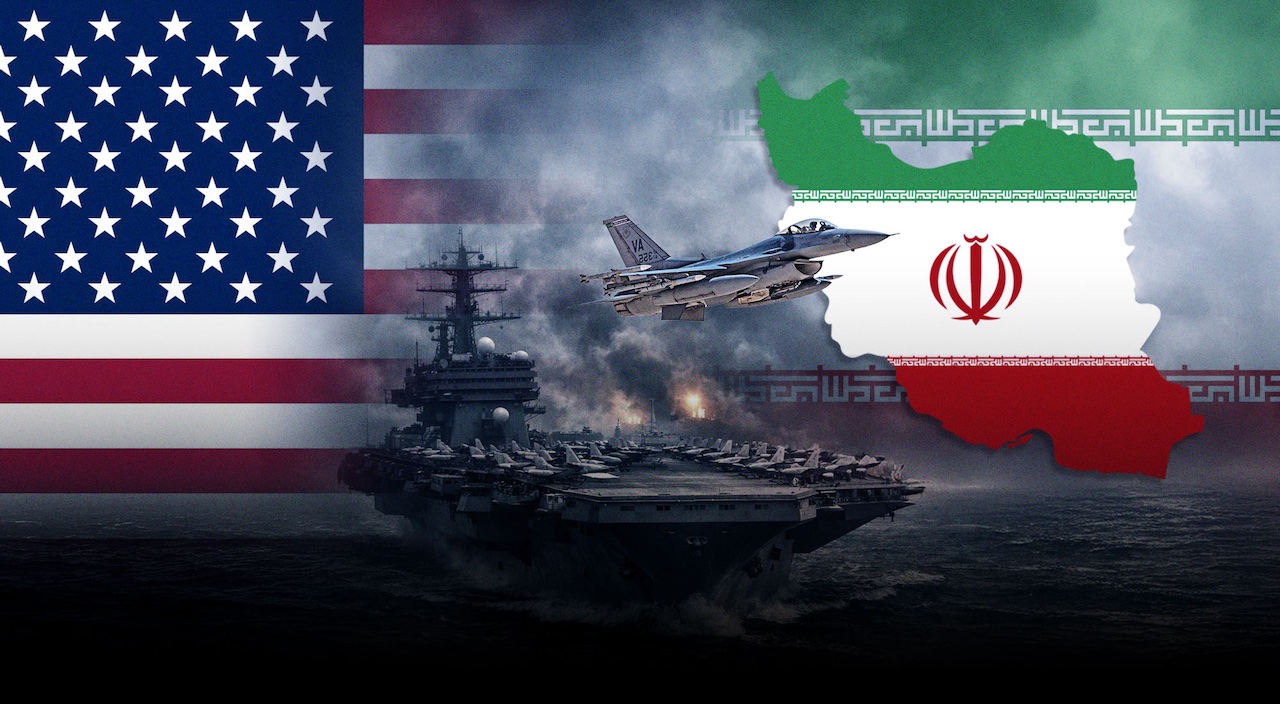
Tehran has shifted to an offensive strategy following the end of a 60-day truce with Washington, as military strikes escalate in the region.
Following the expiration of a 60-day ceasefire memorandum and the breakdown of peace negotiations, Tehran announced a transition to a "fully offensive" military strategy. Iranian armed forces declared they will continue military operations until achieving the "complete defeat" of American and regional adversaries.
Washington confirmed it does not plan to extend the temporary truce. Tensions escalated further as US Central Command conducted strikes against five Iranian oil tankers, sinking one vessel, in retaliation for Iranian attacks on an American warship. The military exchanges coincide with growing economic sanctions and rising maritime friction in the Strait of Hormuz, sparking concerns over a wider regional conflict.
Sources: Adevărul, Digi24, HotNews, Moldova1, Ziarul de Gardă.
How outlets assessed this
- Digi24 Critical Emphasized expert criticism that Trump is making Ukraine a scapegoat and that diesel profits could support Iran.
- HotNews Neutral Focused on US diplomatic envoys explaining the agreement as a strategy to draw Moscow into peace talks.
- Moldova1 Skeptical Highlighted bipartisan congressional pushback against easing energy sanctions for midterm economic gains.
- Digi24 Critical Emphasized expert warnings that the deal makes Ukraine a scapegoat and generates revenue Russia could share with Iran.
- HotNews Neutral Focused on diplomatic details from Miami showing US attempts to re-engage Russia in peace talks.
- Moldova1 Skeptical Highlighted domestic US criticism from both parties, framing the move as a pre-election effort to lower fuel prices.
- Digi24 Critical Emphasized expert warnings that Ukraine is being used as a scapegoat and revenues could fund Iranian military initiatives.
- HotNews Neutral Focused on the diplomatic explanations provided by US envoys in Miami framing the deal as a peace negotiation strategy.
- Moldova1 Critical Highlighted bipartisan congressional pushback in Washington and White House attempts to lower fuel prices before midterm elections.
- Digi24 Alarmed Framed the deal through expert warnings that Ukraine is being scapegoated and Russian revenues could fund Iran.
- HotNews Neutral Focused on American diplomatic explanations given to Ukrainian officials regarding efforts to restart peace talks.
- Moldova1 Skeptical Highlighted bipartisan congressional criticism accusing the administration of seeking midterm fuel price relief.
- Digi24 Alarmed Highlighted expert warnings that Ukraine is being scapegoated and that diesel revenues could allow Russia to fund allies like Iran.
- HotNews Neutral Focused on the diplomatic explanations provided by US representatives during meetings with Ukrainian officials in Miami.
- Moldova1 Critical Emphasized political friction in Washington, highlighting bipartisan congressional opposition and midterm electoral motivations.
- Digi24 Critical Highlighted expert warnings that the agreement uses Ukraine as a scapegoat and risks generating revenue to fund Iranian partners.
- HotNews Cautious Focused on diplomatic details from the Miami talks where US envoys framed the measure as an effort to restart peace negotiations.
- Moldova1 Critical Emphasized bipartisan Congressional pushback against sacrificing sanctions enforcement for domestic fuel price reductions.
- Digi24 Critical Highlighted expert warnings that the deal makes Ukraine a scapegoat and provides Russia with funds to support foreign allies like Iran.
- HotNews Neutral Focused on diplomatic details from the Miami talks, explaining the deal as a US effort to bring Russia to peace negotiations.
- Moldova1 Critical Emphasized domestic political opposition, reporting that lawmakers from both US parties criticized the White House for prioritizing fuel prices over sanctions.
- Digi24 Critical Emphasizes expert warnings that diesel revenues could fund Russian operations and support allies like Iran.
- HotNews Neutral Focuses on US emissaries explaining the deal to Ukraine as a tactic to resume peace talks.
- Moldova1 Critical Highlights bipartisan opposition in the US Congress questioning White House motives ahead of midterm elections.
Sources
- HotNews — Iranul spune că urmărește „înfrângerea completă” a SUA
- Digi24 — Iranul susține că urmărește „înfrângerea completă a dușmanilor”: „Nu vom ceda în faţa Statelor Unite”
- Ziarul de Gardă — Iranul trece la o strategie militară „complet ofensivă”, după eșecul negocierilor cu SUA
- Moldova1 — SUA lovesc petroliere iraniene după atacurile Teheranului asupra navelor americane
- Adevărul — Iranul transmite că este pregătit să escaladeze confruntarea cu SUA pe fondul presiunilor tot mai mari
Earlier coverage
- Nov 5, 2026, 09:30 AM UTCUS-Russia diesel deal sparks bipartisan backlash and diplomatic fallout
- Nov 5, 2026, 03:00 AM UTCBipartisan backlash grows over US agreement on Russian diesel
- Nov 4, 2026, 09:30 PM UTCUS faces criticism over agreement permitting Russian diesel sales
- Nov 4, 2026, 03:30 PM UTCUS diesel agreement with Russia sparks criticism in Washington and Kyiv
- Nov 4, 2026, 01:00 PM UTCUS envoys defend Russian diesel deal as diplomatic lever amid criticism
- Nov 4, 2026, 09:00 AM UTCUS envoys defend Russian diesel deal as domestic and international criticism grows
- Nov 4, 2026, 03:00 AM UTCUS envoys defend Russian diesel deal as domestic and global backlash grows
- Nov 4, 2026, 01:00 AM UTCTrump administration defends Russian diesel deal as domestic and international criticism grows
- Nov 3, 2026, 09:30 PM UTCDonald Trump faces backlash over Russian diesel agreement
- Nov 3, 2026, 03:30 PM UTCUS faces domestic and international pushback over Trump's diesel deal with Russia