
Van Gogh’s ‘Blossoming Chestnut Trees’ Sells for Record $190.4M

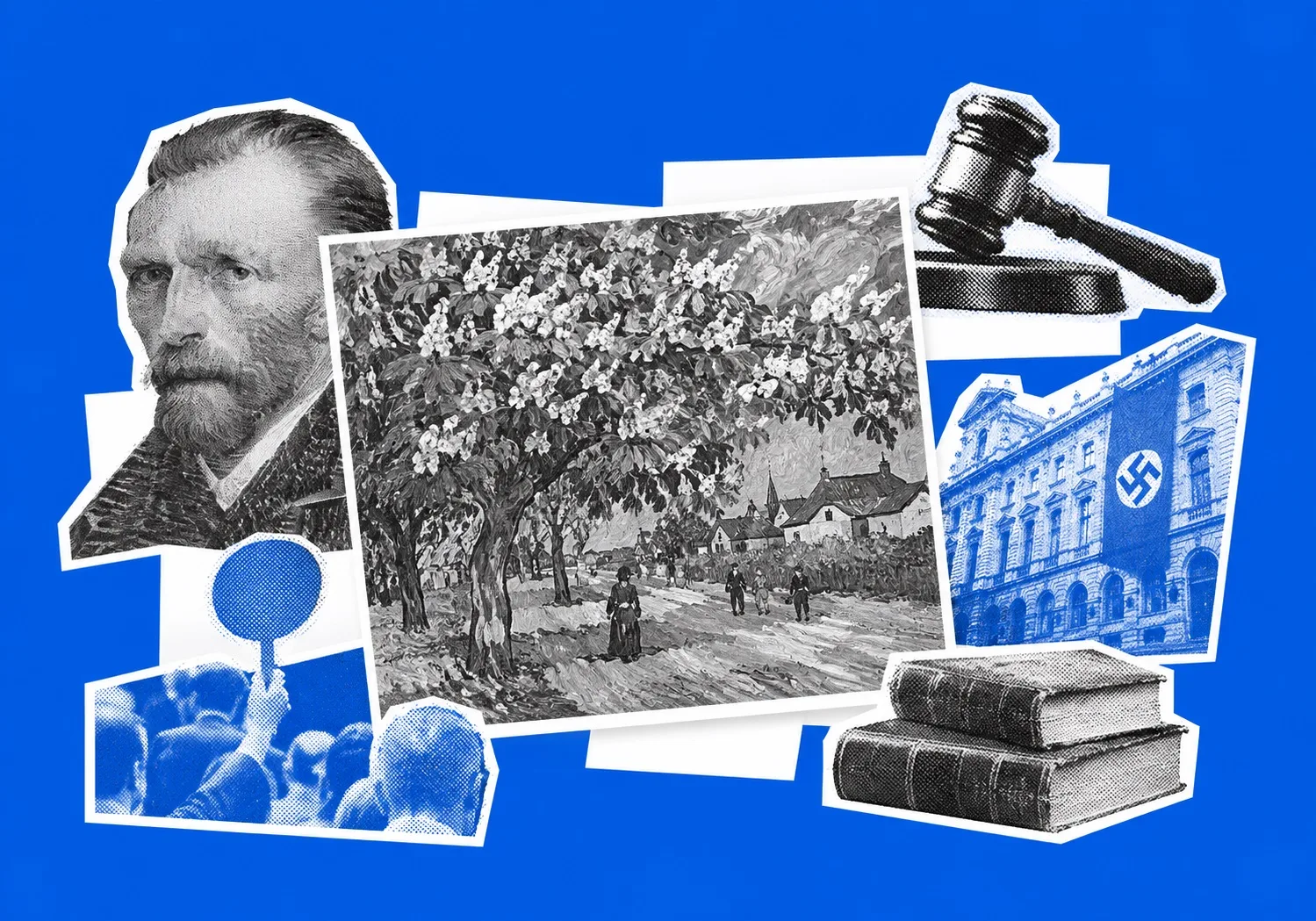
Vincent van Gogh’s 1890 painting Blossoming Chestnut Trees (Châtaigniers en fleurs) has sold for a record $190.4 million at Sotheby’s in New York. The landmark auction went ahead after the sellers reached a last-minute restitution settlement with the heirs of German-Jewish publisher Samuel Fischer, whose family sold the artwork under Nazi persecution in 1936.
The November 18 result - which includes auction house fees - broke the artist’s previous record of $117.2 million, set in 2022 when Orchard with Cypresses was sold at Christie’s as part of Microsoft co-founder Paul Allen’s collection.
Sotheby’s had valued Blossoming Chestnut Trees at around $180 million before the auction. Bidding began at $135 million and ended at $165 million, with the buyer’s premium bringing the total to $190.4 million.
The bidding lasted about three minutes. Art dealer William Acquavella placed the winning bid, although the identity of the final buyer has not been publicly confirmed.
The painting was offered as part of the Blaquier-Arrieta Collection, which included 12 works. The auction brought in approximately $412 million, less than the $450 million Sotheby’s had expected.

A Painting From the Final Months of Van Gogh’s Life
Van Gogh painted Blossoming Chestnut Trees in May 1890, shortly after moving to Auvers-sur-Oise, a village northwest of Paris.
The painting shows chestnut trees in bloom beside a road, with several figures walking beneath them. Van Gogh used thick brushstrokes and contrasting shades of green, yellow and blue to capture the landscape.
The artist had arrived in Auvers after leaving a psychiatric hospital in Saint-Rémy-de-Provence. He spent his final weeks there, working at an extraordinary pace.
During roughly two months in the village, Van Gogh completed around 74 paintings and more than 50 drawings. He died on July 29, 1890, aged 37.
Blossoming Chestnut Trees later passed through several collections before being acquired by the Argentine Blaquier-Arrieta family in 1975.
The family kept the painting for more than five decades. It was rarely shown publicly, making its appearance at Sotheby’s an unusual opportunity for collectors seeking a major work from Van Gogh’s final period.
Yet the painting’s history before 1975 became the subject of a dispute shortly before the auction.
Why Samuel Fischer’s Heirs Challenged the Sale
The painting belonged to Samuel Fischer, a German-Jewish publisher who bought it in Paris in 1909.
Fischer founded the publishing house S. Fischer Verlag, which published writers including Thomas Mann and Hermann Hesse.
He died in 1934, a year after Adolf Hitler came to power in Germany. Two years later, his family sold the Van Gogh painting through an art dealer in Amsterdam.
The circumstances of that 1936 transaction became central to the restitution claim.
Fischer’s descendants argued that the family had been forced to sell valuable possessions because of Nazi persecution and the economic restrictions imposed on Jewish businesses.
Their lawyer, Gunnar Schnabel, questioned whether the painting had been sold at a fair price and whether the family would have agreed to the transaction without the pressure it faced in Nazi Germany.
The heirs did not claim that Nazi officials had physically seized the painting. Their argument concerned a sale made under circumstances in which Jewish families were losing businesses, income and property rights.
Sotheby’s initially maintained that its research had not established that the 1936 sale was forced.
The disagreement left the painting’s ownership history under scrutiny as the auction approached.
Sotheby’s Reaches Agreement Before Auction
On November 17, Sotheby’s announced that the Blaquier-Arrieta family had reached an agreement with the legal descendants of Samuel and Hedwig Fischer.
The announcement came less than 24 hours before the scheduled auction.
The parties said they had reached a mutually satisfactory resolution and acknowledged the suffering experienced by the Fischer family under Nazi persecution.
They did not disclose the settlement terms.
It remains unknown whether the heirs received a payment, a portion of the auction proceeds or another form of compensation.
The agreement also did not establish through a court ruling that the 1936 transaction was invalid. Instead, it resolved the dispute between the parties and allowed the painting to be sold.
Schnabel subsequently expressed hope that the outcome would encourage other families to pursue claims involving artworks lost during the Nazi period.
For the auction house, the settlement removed uncertainty surrounding one of the most valuable works offered during its November sales.
Nazi-Era Art Claims Remain Unresolved Across Europe
The Fischer family’s case is part of a much larger dispute over artworks that changed hands during Nazi rule.
Between 1933 and 1945, Jewish collectors in Germany and occupied European countries lost paintings, sculptures and other valuable possessions.
Some works were confiscated outright. Others were sold when their owners faced persecution, financial restrictions or the need to escape.
These transactions can be difficult to assess decades later.
A surviving sales receipt may show that money changed hands, but it does not necessarily explain why the owner agreed to sell.
Researchers must often reconstruct the circumstances using correspondence, gallery records, bank documents and archives that may be incomplete.
The issue has occupied European museums and governments for decades.
In 1998, representatives of 44 countries endorsed the Washington Principles on Nazi-Confiscated Art. The principles encouraged institutions and governments to identify artworks taken during the Nazi era and seek fair solutions with former owners or their heirs.
They are not legally binding, however, and countries have developed different approaches to restitution.
Germany has faced particular scrutiny over works held in public museums and private collections. France, Austria and the Netherlands have also established procedures for reviewing claims involving Nazi-era losses.
Private transactions can be harder to resolve because the parties may be subject to different national laws and the evidence is often disputed.
In the Van Gogh case, the current owners had purchased the painting decades after the Fischer family sold it. The heirs nevertheless sought recognition of the circumstances surrounding the earlier transaction.
Rather than continue the dispute through litigation, the parties reached a private settlement.
What the $190.4 Million Sale Says About the Art Market
The price paid for Blossoming Chestnut Trees was exceptional even by the standards of the international art market.
Van Gogh paintings from his final years rarely appear at auction, particularly works that have remained in private hands for decades.
That scarcity helped attract attention to the Sotheby’s sale.
Still, the bidding was brief, and the painting had already been backed by an irrevocable bid before the auction began.
Such arrangements guarantee a minimum level of demand by securing a buyer in advance. They are commonly used for expensive works when sellers want greater certainty about the outcome.
The sale therefore provides limited evidence about demand across the wider art market. A record price for one rare painting does not necessarily mean that collectors are spending more on art generally.
The ownership dispute also showed why provenance research matters to major auction houses.
A painting’s value depends not only on its artist, condition and rarity, but also on whether a buyer can acquire it without facing unresolved legal claims.
In this case, the settlement was announced just in time for the auction to proceed.
The painting ultimately sold for more than $73 million above Van Gogh’s previous auction record.
For the Fischer family’s descendants, however, the story began long before the record-breaking bid in New York. Their claim concerned a painting sold in 1936, when Nazi persecution had already transformed the lives and livelihoods of Jewish families in Germany.
Ninety years later, that transaction was still being examined as one of Van Gogh’s most valuable works returned to the auction market.
A Painting From the Final Months of Van Gogh’s Life
Van Gogh painted Blossoming Chestnut Trees in May 1890, shortly after moving to Auvers-sur-Oise, a village northwest of Paris.
The painting shows chestnut trees in bloom beside a road, with several figures walking beneath them. Van Gogh used thick brushstrokes and contrasting shades of green, yellow and blue to capture the landscape.
The artist had arrived in Auvers after leaving a psychiatric hospital in Saint-Rémy-de-Provence. He spent his final weeks there, working at an extraordinary pace.
During roughly two months in the village, Van Gogh completed around 74 paintings and more than 50 drawings. He died on July 29, 1890, aged 37.
Blossoming Chestnut Trees later passed through several collections before being acquired by the Argentine Blaquier-Arrieta family in 1975.
The family kept the painting for more than five decades. It was rarely shown publicly, making its appearance at Sotheby’s an unusual opportunity for collectors seeking a major work from Van Gogh’s final period.
Yet the painting’s history before 1975 became the subject of a dispute shortly before the auction.
Why Samuel Fischer’s Heirs Challenged the Sale
The painting belonged to Samuel Fischer, a German-Jewish publisher who bought it in Paris in 1909.
Fischer founded the publishing house S. Fischer Verlag, which published writers including Thomas Mann and Hermann Hesse.
He died in 1934, a year after Adolf Hitler came to power in Germany. Two years later, his family sold the Van Gogh painting through an art dealer in Amsterdam.
The circumstances of that 1936 transaction became central to the restitution claim.
Fischer’s descendants argued that the family had been forced to sell valuable possessions because of Nazi persecution and the economic restrictions imposed on Jewish businesses.
Their lawyer, Gunnar Schnabel, questioned whether the painting had been sold at a fair price and whether the family would have agreed to the transaction without the pressure it faced in Nazi Germany.
The heirs did not claim that Nazi officials had physically seized the painting. Their argument concerned a sale made under circumstances in which Jewish families were losing businesses, income and property rights.
Sotheby’s initially maintained that its research had not established that the 1936 sale was forced.
The disagreement left the painting’s ownership history under scrutiny as the auction approached.
Sotheby’s Reaches Agreement Before Auction
On November 17, Sotheby’s announced that the Blaquier-Arrieta family had reached an agreement with the legal descendants of Samuel and Hedwig Fischer.
The announcement came less than 24 hours before the scheduled auction.
The parties said they had reached a mutually satisfactory resolution and acknowledged the suffering experienced by the Fischer family under Nazi persecution.
They did not disclose the settlement terms.
It remains unknown whether the heirs received a payment, a portion of the auction proceeds or another form of compensation.
The agreement also did not establish through a court ruling that the 1936 transaction was invalid. Instead, it resolved the dispute between the parties and allowed the painting to be sold.
Schnabel subsequently expressed hope that the outcome would encourage other families to pursue claims involving artworks lost during the Nazi period.
For the auction house, the settlement removed uncertainty surrounding one of the most valuable works offered during its November sales.
Nazi-Era Art Claims Remain Unresolved Across Europe
The Fischer family’s case is part of a much larger dispute over artworks that changed hands during Nazi rule.
Between 1933 and 1945, Jewish collectors in Germany and occupied European countries lost paintings, sculptures and other valuable possessions.
Some works were confiscated outright. Others were sold when their owners faced persecution, financial restrictions or the need to escape.
These transactions can be difficult to assess decades later.
A surviving sales receipt may show that money changed hands, but it does not necessarily explain why the owner agreed to sell.
Researchers must often reconstruct the circumstances using correspondence, gallery records, bank documents and archives that may be incomplete.
The issue has occupied European museums and governments for decades.
In 1998, representatives of 44 countries endorsed the Washington Principles on Nazi-Confiscated Art. The principles encouraged institutions and governments to identify artworks taken during the Nazi era and seek fair solutions with former owners or their heirs.
They are not legally binding, however, and countries have developed different approaches to restitution.
Germany has faced particular scrutiny over works held in public museums and private collections. France, Austria and the Netherlands have also established procedures for reviewing claims involving Nazi-era losses.
Private transactions can be harder to resolve because the parties may be subject to different national laws and the evidence is often disputed.
In the Van Gogh case, the current owners had purchased the painting decades after the Fischer family sold it. The heirs nevertheless sought recognition of the circumstances surrounding the earlier transaction.
Rather than continue the dispute through litigation, the parties reached a private settlement.
What the $190.4 Million Sale Says About the Art Market
The price paid for Blossoming Chestnut Trees was exceptional even by the standards of the international art market.
Van Gogh paintings from his final years rarely appear at auction, particularly works that have remained in private hands for decades.
That scarcity helped attract attention to the Sotheby’s sale.
Still, the bidding was brief, and the painting had already been backed by an irrevocable bid before the auction began.
Such arrangements guarantee a minimum level of demand by securing a buyer in advance. They are commonly used for expensive works when sellers want greater certainty about the outcome.
The sale therefore provides limited evidence about demand across the wider art market. A record price for one rare painting does not necessarily mean that collectors are spending more on art generally.
The ownership dispute also showed why provenance research matters to major auction houses.
A painting’s value depends not only on its artist, condition, and rarity, but also on whether a buyer can acquire it without facing unresolved legal claims.
In this case, the settlement was announced just in time for the auction to proceed.
The painting ultimately sold for more than $73 million, above Van Gogh’s previous auction record.
For the Fischer family’s descendants, however, the story began long before the record-breaking bid in New York. Their claim concerned a painting sold in 1936, when Nazi persecution had already transformed the lives and livelihoods of Jewish families in Germany.
Ninety years later, that transaction was still being examined as one of Van Gogh’s most valuable works returned to the auction market.
Sources: Reuters, The Guardian, The Art Newspaper, Artnet, NPR / KPBS