
EU Targets Russian Banks, Oil Sector and Shadow Fleet in New Sanctions Package

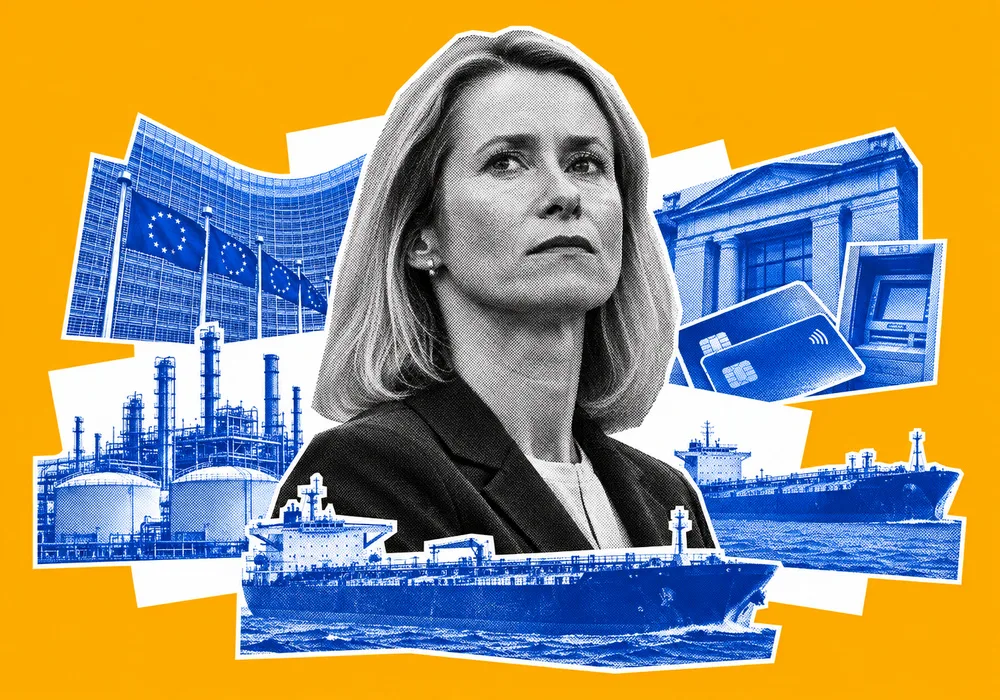
The European Union has imposed sanctions on 113 individuals and entities linked to Russia’s ability to finance its war against Ukraine. The measures target nearly 50 Russian banks and financial institutions, major e-commerce businesses, oil companies and international networks supporting Moscow’s shadow fleet.
The European Union has adopted a new package of sanctions against 113 individuals and entities involved in sectors that generate revenue for Russia’s war against Ukraine. Announced by the Council of the EU on 16 November, the measures cover 12 individuals and 101 entities, with particular attention to financial institutions, energy businesses and companies facilitating the transportation of Russian oil.
Nearly 50 Russian banks and financial institutions have been added to the sanctions list. The move is intended to restrict the financial channels through which Russia processes state revenues and sustains its military expenditure, making it more difficult for Russian businesses and state-linked actors to access international financial networks.
The decision reflects the EU's growing focus on the infrastructure that enables Russia to maintain its war economy. Rather than limiting restrictions to government officials and military enterprises, Brussels is increasingly targeting the financial intermediaries and commercial networks that support the country's economic activity.
E-commerce businesses and influential shareholders under scrutiny
The new package also extends restrictions to Russia's e-commerce sector. Among those targeted are the sole shareholder of Wildberries, one of the country's largest online retail platforms, and an individual controlling a majority stake in another major Russian e-commerce company, Ozon.
The inclusion of major commercial actors broadens the scope of EU sanctions beyond traditional strategic industries. Large online platforms operate extensive payment, logistics and distribution networks, making them significant participants in Russia's domestic economic infrastructure.
By targeting individuals with controlling interests in these businesses, the EU is also increasing pressure on influential private-sector figures. The decision signals a willingness to extend restrictive measures to business networks considered relevant to the Russian economy, although the practical impact on the companies' operations will depend on the scope of the restrictions and their implementation.
Oil refineries and energy infrastructure face further restrictions
The energy sector remains another central target of the new measures. The EU has listed additional Russian companies and businesspersons involved in oil activities, including businesses managing refineries and the St Petersburg oil terminal, as well as entities engaged in exploration and production.
The focus on refining and export infrastructure is particularly significant because oil revenues remain a major source of funding for the Russian state. Restrictions affecting companies involved in processing, handling and transporting petroleum products are intended to disrupt several stages of the country's energy export system, rather than focusing exclusively on the final sale of crude oil.
The measures form part of the EU's broader effort to reduce Russia's ability to generate revenue from international energy markets. However, their effectiveness will depend partly on whether sanctioned businesses can continue operating through alternative intermediaries, jurisdictions and shipping arrangements.
Shadow fleet networks become a wider sanctions target
The package also targets companies based in the United Arab Emirates, China, Seychelles and Oman that purchase Russian-origin crude oil products. In addition, the EU has imposed restrictions on businesspersons who own or manage vessels already subject to EU restrictive measures and involved in the transportation of Russian oil through high-risk shipping activities.
The shadow fleet has become a central mechanism for maintaining Russian oil exports despite Western restrictions. Its operations rely on networks of shipowners, intermediaries, trading companies and service providers operating across multiple jurisdictions, making enforcement particularly challenging. Targeting individual vessels alone has therefore proved insufficient to address the wider commercial infrastructure supporting these activities.
By extending sanctions to companies purchasing Russian petroleum products and individuals connected to the ownership and management of vessels, the EU is attempting to disrupt the networks sustaining these operations. The geographical spread of the latest listings also highlights the international dimension of sanctions circumvention and the importance of cooperation with third countries.
Enforcement remains the key challenge
All individuals and entities included in the new listings are subject to an asset freeze. EU citizens and companies are prohibited from making funds or economic resources available to them, either directly or indirectly. The individuals concerned are also subject to travel bans preventing them from entering or transiting through EU member states.
The decision follows the European Council's October conclusions, which called for additional measures to reduce Russian energy revenues, restrict shadow fleet operations and undermine the business model supporting them. It comes as Russia continues its war against Ukraine and maintains attacks on Ukrainian cities and civilian infrastructure.
The latest package demonstrates the EU's intention to increase pressure on the interconnected financial, commercial and logistical networks sustaining Russia's war economy. By combining restrictions on banks, major businesses, energy infrastructure and international oil-trading intermediaries, Brussels is seeking to narrow the channels through which Moscow can generate and transfer revenue.
However, the effectiveness of the measures will ultimately depend on enforcement. Russia has repeatedly adapted its trade and financial arrangements to circumvent Western restrictions, making the cooperation of third countries and the ability to identify indirect commercial links essential to limiting the impact of its shadow economy.
Sources: Council of the EU