
UN states agree on autonomous weapons definition as Germany refines military AI policies

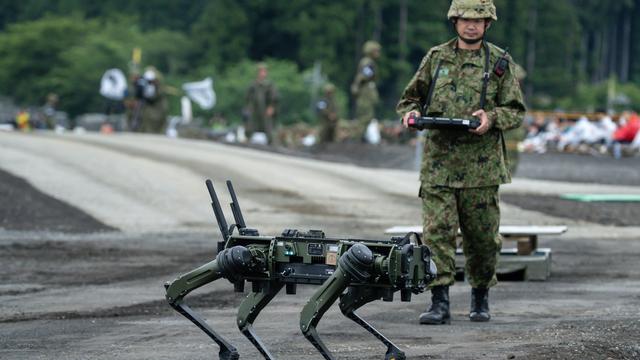
128 UN states agreed on a definition for autonomous weapons in Geneva, while Germany clarified its military AI guidelines and rejected US vendor Palantir for sovereign software.
A total of 128 United Nations member states meeting in Geneva have agreed on a formal definition for autonomous weapon systems, marking a milestone in international efforts to regulate military artificial intelligence. Following the consensus, officials from the UN and the International Committee of the Red Cross warned that machine-controlled targeting of humans risks crossing a moral red line.
Simultaneously, Germany’s Ministry of Defence clarified its doctrine, confirming that while humans retain ultimate operational authority, certain semi-autonomous functions may execute without immediate human intervention depending on specific conditions. To safeguard data sovereignty and maintain operational independence, the Bundeswehr rejected American software provider Palantir in favor of a proprietary AI analysis platform. Strategic commentary highlights that developing sovereign AI decision-making tools is becoming essential for national security.
Sources: Correctiv, Der Spiegel, Der Standard, Die Zeit, ESUT.
How outlets assessed this
- Oct 5, 2026, 08:00 PM UTC
- Correctiv Cautious Highlighted potential risks in Germany's policy allowing weapon systems to execute certain functions without direct human intervention.
- ESUT Supportive Framed sovereign military AI capabilities as essential for decision superiority and maintaining national defense independence.
- Correctiv Cautious Highlighted potential risks by emphasizing that German defence concepts permit weapon systems to execute functions without direct human intervention.
- ESUT Supportive Framed military AI and independent decision-making capabilities as critical components for national sovereignty and strategic superiority.
- Correctiv Cautious Highlighted concerns that German military guidelines permit weapon systems to operate autonomously without step-by-step human intervention.
- ESUT Supportive Framed military AI decision-making capabilities as essential for preserving national operational sovereignty and strategic superiority.
- Correctiv Skeptical Highlighted German defense guidelines that permit automated weapon actions without step-by-step human intervention in specific operational contexts.
- Der Spiegel Alarmed Emphasized UN and ICRC warnings about machines targeting humans, framing autonomous weapons as crossing a moral red line.
- ESUT Supportive Framed military AI and independent decision-making systems as essential for maintaining operational sovereignty and speed under high-pressure scenarios.
- Correctiv Cautious Highlighted Germany's policy allowing semi-autonomous weapon functions to act independently without direct human interaction in specific operational contexts.
- Der Spiegel Alarmed Emphasized international warnings that automated targeting of human beings by machines threatens to cross a moral red line.
- ESUT Supportive Framed AI-driven decision-making as a critical step required to ensure military superiority and maintain technological sovereignty under time pressure.
- ESUT Supportive Framed military AI decision-making capabilities as essential for national sovereignty and gaining strategic superiority under time pressure.
- Correctiv Cautious Highlighted German military guidelines allowing weapon systems to execute certain functions without direct human intervention.
- Correctiv Cautious Highlighted concerns that Germany's doctrine permits weapon systems to operate without human interaction under specific conditions.
- ESUT Supportive Emphasized military AI as a vital necessity for national sovereignty and rapid decision-making under operational pressure.
- Die Zeit Supportive Framed the UN agreement as an important initial success in international efforts to regulate autonomous weapon systems.
- Der Spiegel Alarmed Emphasized urgent warnings from the UN and ICRC that autonomous weapons targeting humans risk crossing a moral red line.
Sources
- Der Spiegel — KI: Uno und Rotes Kreuz befürchten eine Zukunft der »Killer-Roboter«
- Die Zeit — Autonome Waffensysteme: UN erzielen Einigung über Definition autonomer Waffensysteme
- Der Standard — Deutsche Bundeswehr arbeitet auf Palantir-Alternative hin
- Correctiv — Autonome Waffen: Deutschland will Einsatz ohne menschliche Interaktion teils erlauben
- ESUT — Militärische KI: Wer entscheiden kann, bleibt souverän
Earlier coverage
- Oct 16, 2026, 04:30 PM UTCUN states agree on autonomous weapons definition as military AI adoption expands
- Oct 16, 2026, 01:00 PM UTCUN states agree on autonomous weapons definition amid rising military AI deployment
- Oct 16, 2026, 07:00 AM UTCUN states agree on autonomous weapons definition as military AI expands
- Oct 16, 2026, 06:30 AM UTCNATO and Ukraine partner on military AI as global debate on autonomous weapons continues
- Oct 15, 2026, 07:30 PM UTCUN reaches milestone definition on autonomous weapons as Germany outlines AI military doctrine
- Oct 15, 2026, 07:00 PM UTCUN reaches milestone consensus on autonomous weapons as Germany clarifies AI doctrine
- Oct 15, 2026, 01:00 PM UTCUN delegates define autonomous weapons as Germany advances military AI plans
- Oct 14, 2026, 09:00 PM UTCUN reaches landmark definition on autonomous weapons as Germany develops sovereign AI strategy
- Oct 14, 2026, 06:30 PM UTCUN states define autonomous weapons while Germany clarifies AI defense policy
- Oct 14, 2026, 03:00 PM UTCUN states define autonomous weapons as Germany outlines AI military rules