
UN advances autonomous weapon rules as Germany details military AI policy

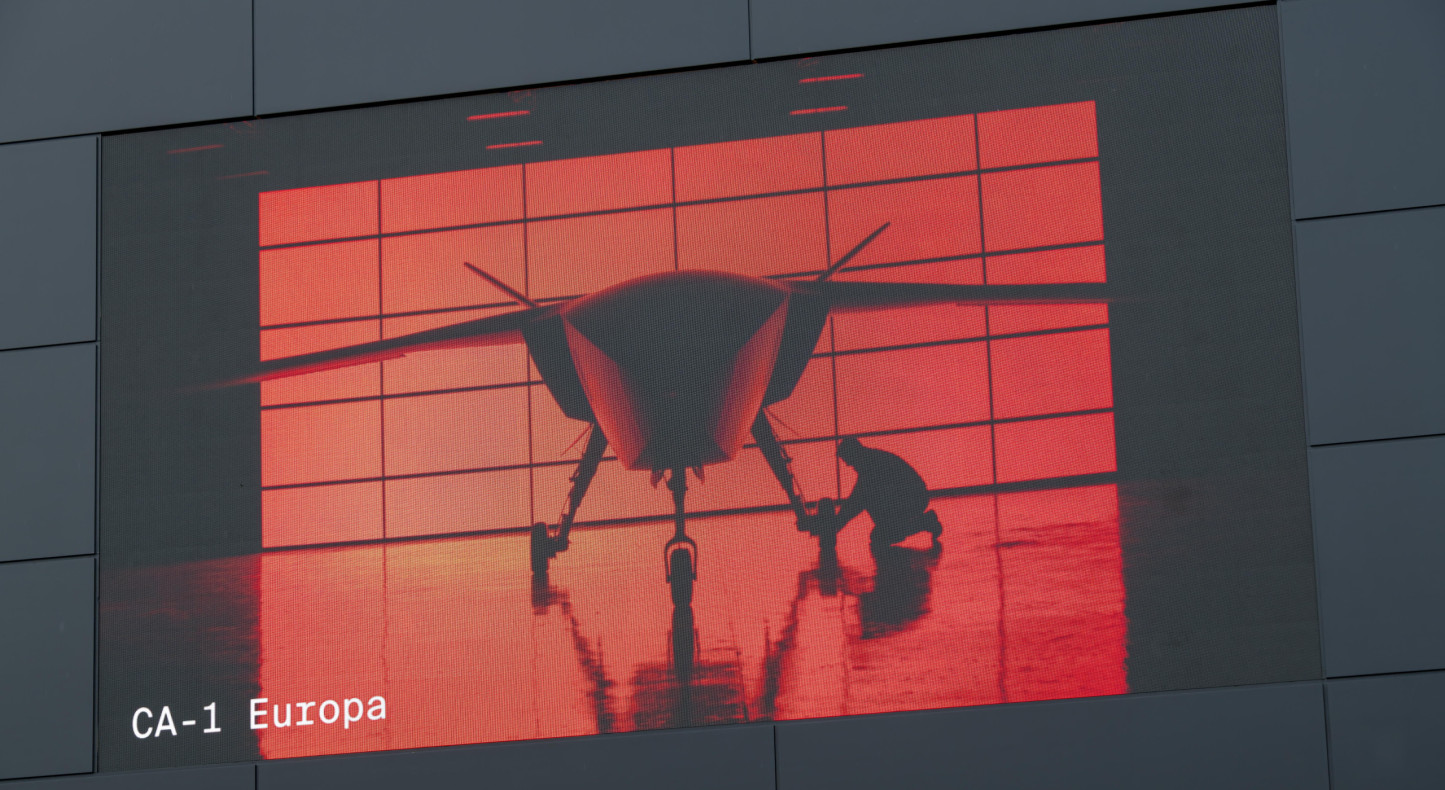
128 UN member states agreed on defining autonomous weapons as Germany outlines its military AI policy and decides to build an in-house data platform.
In Geneva, 128 United Nations member states established a formal definition for autonomous weapon systems, marking a key milestone in global regulatory efforts. The agreement follows joint warnings from the UN and the International Committee of the Red Cross cautioning that "the autonomous targeting of humans by machines" risks crossing a moral red line.
Concurrently, Germany is clarifying its operational framework for military artificial intelligence. New Ministry of Defence documents reveal that certain weapon systems may perform automated functions without continuous step-by-step human intervention, though officials reiterated that "the decision on the use of military force remains with humans." Additionally, the Bundeswehr declined to adopt software from US firm Palantir, opting to develop a sovereign internal AI data-processing system to accelerate command decisions.
Sources: Correctiv, Der Spiegel, Der Standard, Die Zeit, ESUT
How outlets assessed this
- Oct 14, 2026, 12:30 PM UTC
- Correctiv Critical Emphasized risks of military concepts permitting automated weapon functions without direct human intervention at every operational step.
- Der Spiegel Alarmed Highlighted warnings from the UN and Red Cross regarding moral red lines and the dangers of machine-targeted warfare.
- ESUT Supportive Framed AI decision capability as essential for military superiority, operational speed, and national sovereignty.
- Correctiv Cautious Highlighted potential risks by emphasizing that German defence concepts permit weapon systems to execute functions without direct human intervention.
- ESUT Supportive Framed military AI and independent decision-making capabilities as critical components for national sovereignty and strategic superiority.
- Correctiv Cautious Highlighted concerns that German military guidelines permit weapon systems to operate autonomously without step-by-step human intervention.
- ESUT Supportive Framed military AI decision-making capabilities as essential for preserving national operational sovereignty and strategic superiority.
- Correctiv Skeptical Highlighted German defense guidelines that permit automated weapon actions without step-by-step human intervention in specific operational contexts.
- Der Spiegel Alarmed Emphasized UN and ICRC warnings about machines targeting humans, framing autonomous weapons as crossing a moral red line.
- ESUT Supportive Framed military AI and independent decision-making systems as essential for maintaining operational sovereignty and speed under high-pressure scenarios.
- Correctiv Cautious Highlighted Germany's policy allowing semi-autonomous weapon functions to act independently without direct human interaction in specific operational contexts.
- Der Spiegel Alarmed Emphasized international warnings that automated targeting of human beings by machines threatens to cross a moral red line.
- ESUT Supportive Framed AI-driven decision-making as a critical step required to ensure military superiority and maintain technological sovereignty under time pressure.
- ESUT Supportive Framed military AI decision-making capabilities as essential for national sovereignty and gaining strategic superiority under time pressure.
- Correctiv Cautious Highlighted German military guidelines allowing weapon systems to execute certain functions without direct human intervention.
- Correctiv Cautious Highlighted concerns that Germany's doctrine permits weapon systems to operate without human interaction under specific conditions.
- ESUT Supportive Emphasized military AI as a vital necessity for national sovereignty and rapid decision-making under operational pressure.
- Die Zeit Supportive Framed the UN agreement as an important initial success in international efforts to regulate autonomous weapon systems.
- Der Spiegel Alarmed Emphasized urgent warnings from the UN and ICRC that autonomous weapons targeting humans risk crossing a moral red line.
Sources
- Der Spiegel — KI: Uno und Rotes Kreuz befürchten eine Zukunft der »Killer-Roboter«
- Die Zeit — Autonome Waffensysteme: UN erzielen Einigung über Definition autonomer Waffensysteme
- Der Standard — Deutsche Bundeswehr arbeitet auf Palantir-Alternative hin
- Correctiv — Autonome Waffen: Deutschland will Einsatz ohne menschliche Interaktion teils erlauben
- ESUT — Militärische KI: Wer entscheiden kann, bleibt souverän
Earlier coverage
- Oct 16, 2026, 04:30 PM UTCUN states agree on autonomous weapons definition as military AI adoption expands
- Oct 16, 2026, 01:00 PM UTCUN states agree on autonomous weapons definition amid rising military AI deployment
- Oct 16, 2026, 07:00 AM UTCUN states agree on autonomous weapons definition as military AI expands
- Oct 16, 2026, 06:30 AM UTCNATO and Ukraine partner on military AI as global debate on autonomous weapons continues
- Oct 15, 2026, 07:30 PM UTCUN reaches milestone definition on autonomous weapons as Germany outlines AI military doctrine
- Oct 15, 2026, 07:00 PM UTCUN reaches milestone consensus on autonomous weapons as Germany clarifies AI doctrine
- Oct 15, 2026, 01:00 PM UTCUN delegates define autonomous weapons as Germany advances military AI plans
- Oct 14, 2026, 09:00 PM UTCUN reaches landmark definition on autonomous weapons as Germany develops sovereign AI strategy
- Oct 14, 2026, 06:30 PM UTCUN states define autonomous weapons while Germany clarifies AI defense policy
- Oct 14, 2026, 03:00 PM UTCUN states define autonomous weapons as Germany outlines AI military rules