
Tehran relies on proxy networks as shadow oil reserves dry up

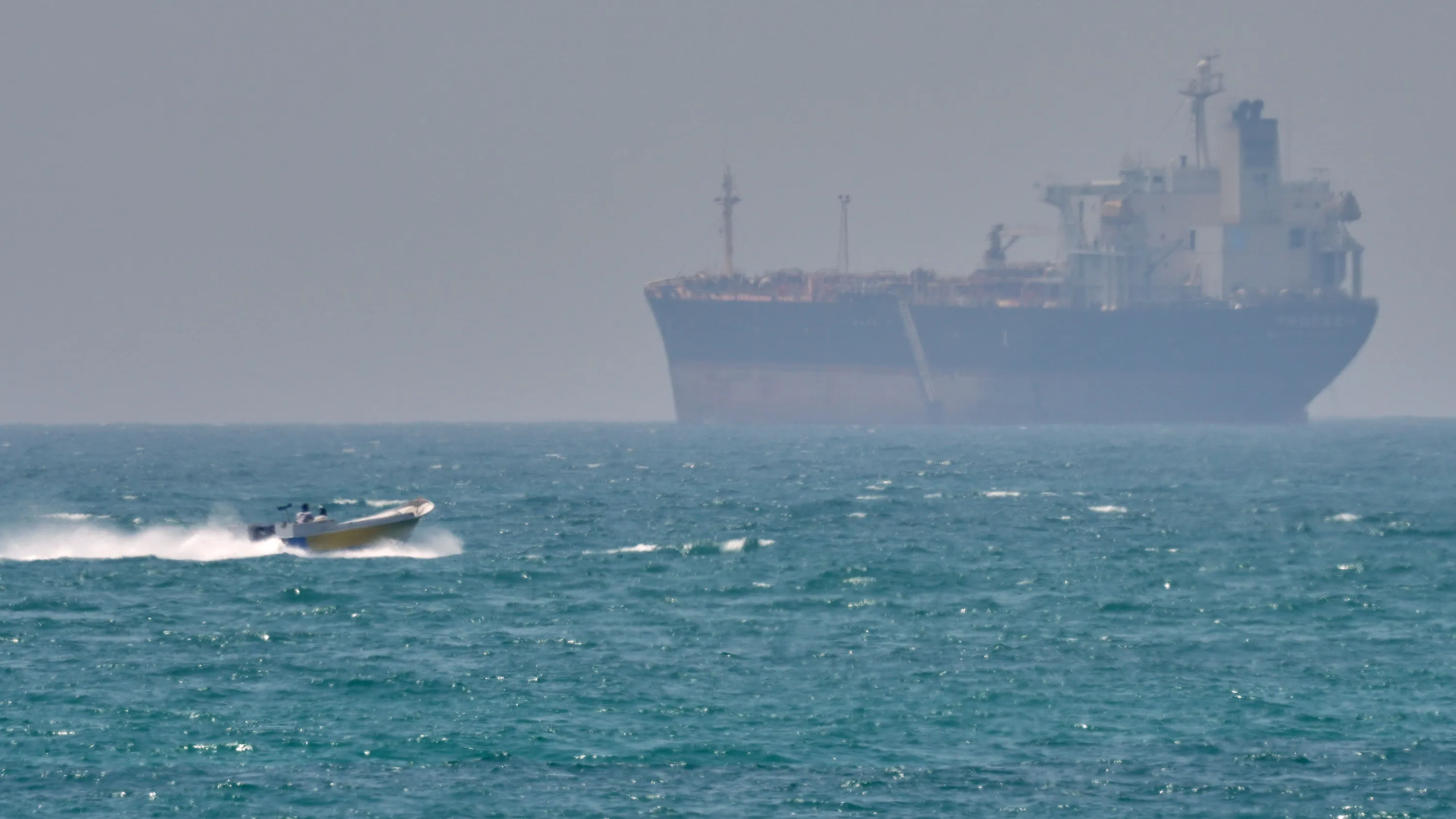
Tehran continues to evade sanctions via proxy networks even as its offshore oil reserves run dry and tensions rise in the Strait of Hormuz.
Iran is employing complex evasion tactics amid mounting economic and maritime pressure from a United States blockade. A recent investigation revealed Tehran utilized more than 5,000 Ministry of Defense proxy firms to covertly import over $2 billion in military hardware and explosives. However, revenues have taken a hit as Iran's offshore shadow fleet in Asia ran out of stored crude oil, cutting off vital cash flows from China.
Maritime tensions also escalated in the Strait of Hormuz, where the Islamic Revolutionary Guard Corps reported intercepting seven non-compliant vessels, stating several caught fire or hit naval mines. Meanwhile, International Atomic Energy Agency monitors reported no evidence that Iran has attempted to rebuild nuclear facilities damaged by past airstrikes, despite Tehran continuing to restrict inspector access.
Sources: Bloomberg, Cyprus Mail, FAZ, Sweden Herald, Trend News Agency.
How outlets assessed this
- FAZ Cautious Highlights severe economic strain on Tehran, emphasizing that Iran's offshore shadow oil reserves have completely run dry under the U.S. blockade.
- Cyprus Mail Alarmed Emphasizes Tehran's ability to bypass blockades, detailing a massive covert procurement network that funneled $2 billion in hardware.
Sources
- Trend News Agency — Iran’s Guards say four tankers hit, three ships strike mines in Hormuz
- FAZ — struggling economy: Iran’s Fleet of Shadow Tankers Has Run Out of Oil After Monthslong U.S. Blockade
- Bloomberg — Nuclear Inspectors See No Evidence Iran Repaired US-Bombed Sites
- Sweden Herald — Iran Says Three Ships Caught Fire in the Strait of Hormuz after Defying Its Instructions
- Cyprus Mail — Iran’s military agencies are slipping hardware past the US blockade
Earlier coverage
- Nov 2, 2026, 10:00 AM UTCIran covertly imports military equipment as Asian shadow fleet exhausts crude reserves
- Nov 2, 2026, 05:30 AM UTCUS blockade squeezes Iran's shadow fleet as covert networks expand
- Oct 25, 2026, 04:00 AM UTCShipping crisis deepens in Strait of Hormuz after tanker strikes and oil spill
- Oct 23, 2026, 04:00 PM UTCSeven oil tankers damaged in Strait of Hormuz amid mounting maritime crisis