
Bulgaria’s Presidential Election Puts Foreign Policy and Black Sea Security in Focus

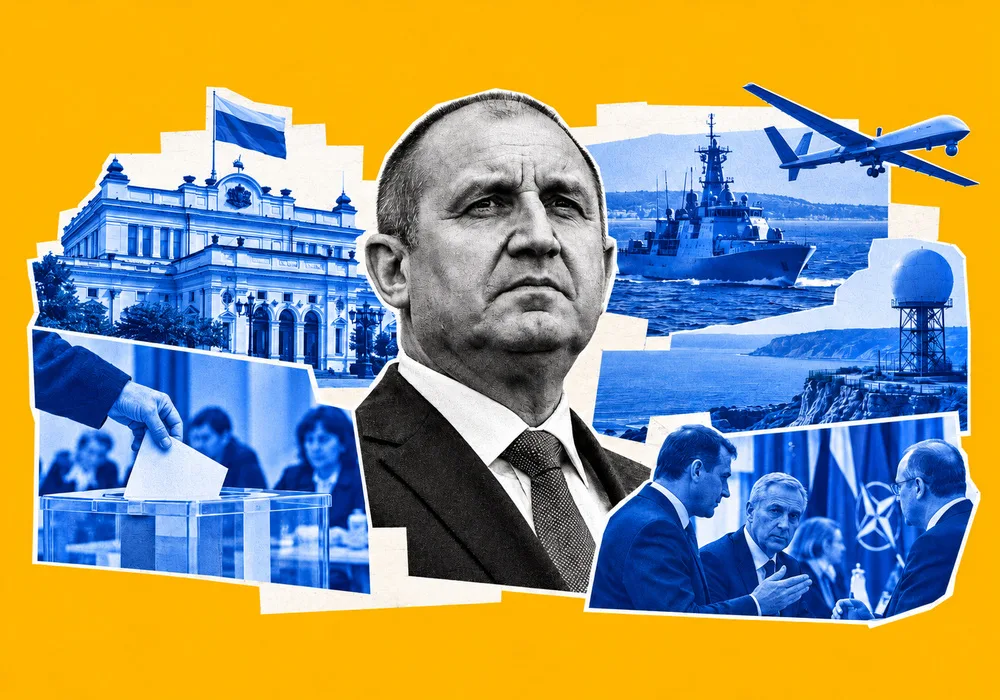
Bulgaria’s presidential election on 25 October is unfolding amid deadly drone attacks on commercial shipping in the Black Sea, growing security concerns and divisions over Russia’s war against Ukraine. The contest between incumbent Iliana Iotova and pro-Western challenger Andrey Gyurov reflects a broader debate over Sofia’s strategic direction within the EU and NATO.
Bulgaria is voting in a presidential election as Russia’s war against Ukraine increasingly affects security in the wider Black Sea region. The campaign has taken on additional significance following a series of drone attacks on merchant vessels off Bulgaria’s coast that are believed to have killed around two dozen international seafarers. The incidents have raised concerns about the vulnerability of commercial shipping and the possibility that the consequences of the war could extend further into the territory and maritime approaches of European Union and NATO member states.
The attacks have prompted Sofia to seek assistance from its allies to strengthen maritime security. Although the Bulgarian government has stopped short of directly accusing Russia of carrying out the strikes, Prime Minister Rumen Radev has said that their outcome benefits the Russian Federation. The absence of a publicly established attribution has not removed the strategic concern: commercial vessels and international crews operating close to EU territory have become exposed to the wider risks associated with the war.
Two Candidates, Different Approaches to Ukraine
The election features 27 presidential and vice-presidential candidate lists, with acting President Iliana Iotova and former caretaker Prime Minister Andrey Gyurov leading the polls ahead of the vote. Both candidates have condemned the attacks on shipping, but their positions on the broader war in Ukraine and Bulgaria’s relationship with Moscow differ significantly.
Gyurov is backed by pro-Western reformist parties and supports Ukraine. During his time as caretaker prime minister, he signed a security cooperation agreement with Kyiv. His campaign has emphasised Bulgaria’s role as a reliable NATO ally, arguing that national interests should be defended through military preparedness, diplomacy and a clear foreign policy position. His approach places greater emphasis on security cooperation with Western partners and continued support for Ukraine.
Iotova, who became acting president in January after Radev resigned to contest parliamentary elections, advocates a diplomatic resolution to the war. She is supported by Radev, whose political position is widely regarded as more accommodating towards Moscow than that of Bulgaria’s pro-Western opposition. Iotova has presented herself as a candidate of peace and national unity, arguing that prolonged conflict is exhausting European societies.
The difference between the candidates is therefore not simply a matter of diplomatic style. It concerns how Bulgaria should balance its security commitments, its relationship with Ukraine and domestic demands for an end to the war. Both candidates oppose the attacks on Black Sea shipping, but their competing approaches to the conflict could influence how Sofia responds to future security challenges.
Bulgaria’s Position Within the EU and NATO
Bulgaria occupies a strategically important position on the Black Sea, where Russia’s war against Ukraine has increased pressure on maritime infrastructure, commercial routes and regional security arrangements. The country’s membership of the EU and NATO provides access to collective political and security cooperation, but its domestic debate over Russia complicates the formulation of a consistent foreign policy.
Historical and cultural ties with Russia, alongside economic pressures and public fatigue over the war, have contributed to divisions within Bulgarian society. These divisions have given greater prominence to calls for neutrality, negotiations and limits on military assistance to Ukraine. At the same time, the attacks on commercial shipping demonstrate that the conflict can generate direct security consequences for countries that are not themselves parties to the fighting.
For Sofia, the challenge is to reconcile public demands for de-escalation with the need to protect maritime traffic and maintain credible cooperation with its allies. A diplomatic approach to ending the war does not in itself resolve questions about deterrence, preparedness or the protection of international shipping. The next president will have to navigate these competing expectations while working within Bulgaria’s existing institutional and alliance commitments.
The Limits of the Presidency
Although the Bulgarian presidency is largely ceremonial, the office carries political and strategic significance. The president serves as commander-in-chief of the armed forces, can veto legislation, signs international treaties and appoints ambassadors. The office also provides a national platform from which to influence public debate and shape the country’s international positioning.
The election therefore matters beyond the formal powers of the presidency. A victory for Iotova would reinforce the political standing of Radev and strengthen the position of those advocating a more cautious approach to supporting Ukraine. A strong result for Gyurov would signal greater public support for a foreign policy centred on closer cooperation with Western allies and a clearer commitment to Ukraine’s security.
Neither outcome would automatically determine Bulgaria’s policy, which is also shaped by the government and parliament. Nevertheless, the president’s public statements and use of institutional powers could affect how consistently Sofia communicates its position to European partners and responds to regional security developments.
A Likely Runoff and a Wider Strategic Choice
Pre-election polling by Alpha Research placed Iotova at 41% and Gyurov at 28%, suggesting that neither candidate was likely to secure the majority required for an outright victory in the first round. If no candidate obtains a majority, a runoff is scheduled for 1 November. The second round would give voters an opportunity to choose between two contrasting approaches to Bulgaria’s role in European security.
The result will be watched by EU and NATO partners as they assess the resilience of regional cooperation in the Black Sea. The drone attacks have highlighted the risks facing commercial shipping and the need for coordinated maritime security measures, while the campaign has exposed continuing disagreements over the appropriate response to Russia’s war against Ukraine.
Bulgaria’s election will not decide the course of the war, but it will help determine the political tone of one of the EU’s Black Sea members at a time when regional security is becoming more difficult to separate from domestic politics. The central issue for Sofia will be whether it can translate its alliance commitments into a coherent security policy while managing the divisions at home over Russia, Ukraine and the prospects for peace.
Sources: Reuters, Associated Press