
Pope Leo XIV Health Update: Phone Call with Putin and Preparations for Sunday Angelus

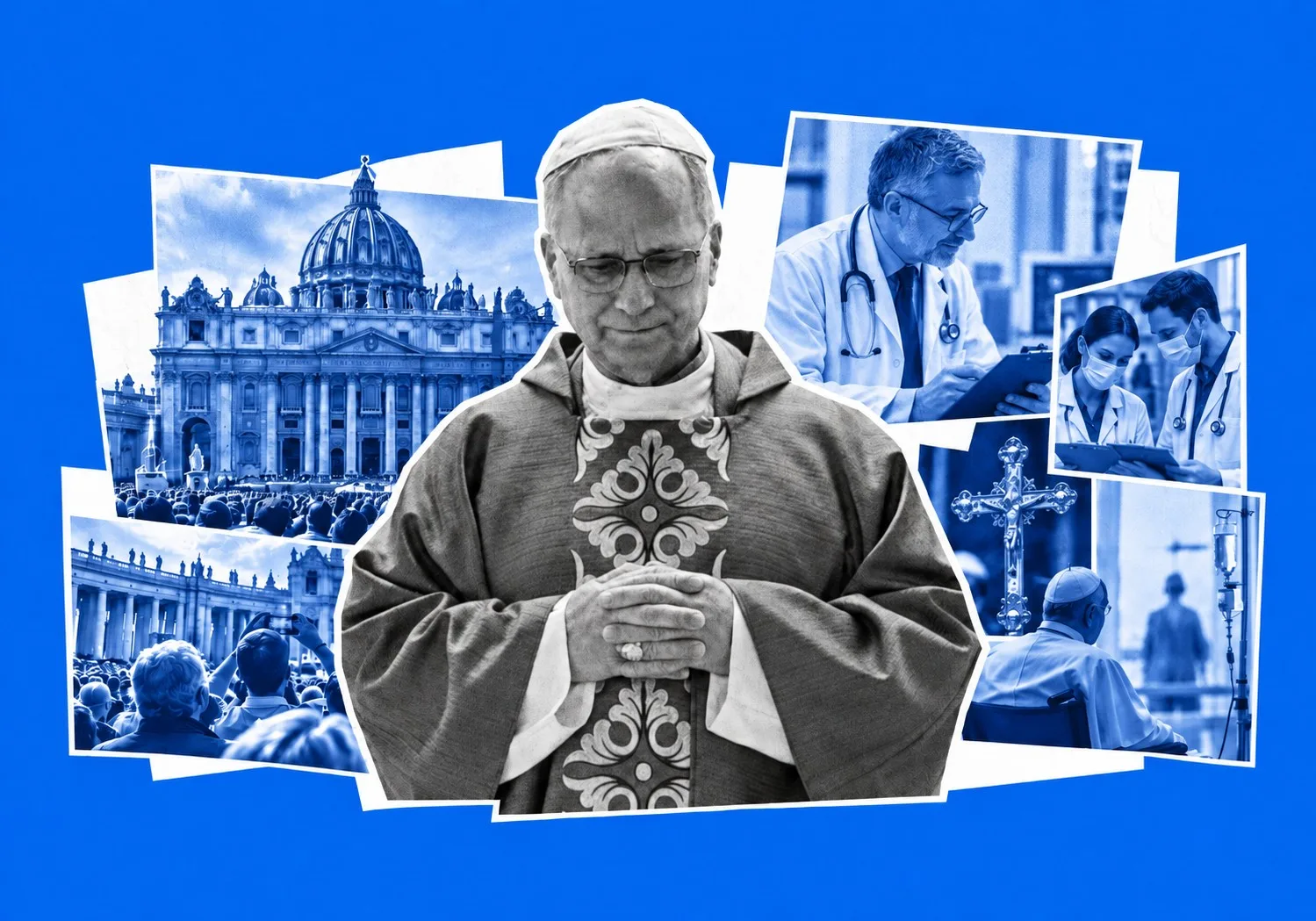
Pope Leo XIV spoke directly with Russian President Vladimir Putin from his room at Rome’s Agostino Gemelli Hospital on Friday, asking Moscow for a localized truce in Ukraine shortly before the Vatican confirmed he would lead the Sunday Angelus prayer on October 18. The announcement, delivered by Holy See spokesperson Matteo Bruni, offers a clear sign of the pontiff’s progress following lung cancer surgery earlier this week. Bruni noted that Leo XIV is recovering well, though officials have not said whether Sunday's address will be given from his tenth-floor suite or via video link.
The current hospital stay should last roughly a week.
Earlier on Friday, the 85-year-old pontiff celebrated Mass at noon in a small chapel set up on the tenth floor alongside his private secretary. Off-duty medical staff and members of the Vatican City State Gendarmerie Corps attended the service. In a brief homily, Leo XIV thanked hospital personnel for their care of vulnerable patients, acknowledging the specialist team managing his oncology recovery.

Public confirmation of Sunday’s address coincided with the release of the first verified photographs of the Pope since his admission on Tuesday. Published directly by Vatican Media, the images showed the pontiff standing at the altar. The timing reflects an effort by Holy See officials to handle both the public narrative and the administrative reality of a hospitalized Papacy.
Health transparency and deepfakes
Morning diagnostic tests—including blood work and a chest X-ray—confirmed steady improvement in the Pope's condition, according to a medical bulletin signed by his personal physician, Dr. Luigi Carbone, and Professor Stefano Margaritora, head of thoracic surgery at Gemelli.
Respiratory physiotherapy sessions continue daily. Doctors noted that post-operative progress now allows the pontiff to handle routine daily tasks independently.
The timing of these updates was influenced by events online.
In the hours following the Pope's admission on Tuesday, digital platforms saw a surge of AI-generated deepfakes showing an incapacitated pontiff in an intensive care setting.
Several of these images were re-shared by accounts linked to lay Catholic groups, forcing the Vatican Press Office to step in. The Holy See answered by issuing signed surgical bulletins, official photographs, and broadcast schedule details within a short window.
This quick response marks a change in how the Vatican handles medical emergencies. Where previous administrations kept quiet for days while a recovering pontiff stayed behind closed doors, current communications officials rely on prompt, verified disclosures to prevent online speculation from filling the void.
The Putin call and foreign policy
Physical confinement has not stopped the Pope's diplomatic work.
On Friday afternoon, Leo XIV called Russian President Vladimir Putin directly from his hospital room.
During the exchange, the Pope raised the humanitarian situation in Oleshky, a city in Ukraine’s Russian-occupied part of Kherson region. He asked for an immediate truce to allow food and medical shipments into the area, as well as the voluntary evacuation of civilians.
The Vatican Press Office noted that the Holy Father reaffirmed the Holy See’s willingness to help facilitate peace talks between both sides.
The call shows the unusual nature of papal authority.
Even while recovering from major thoracic surgery, the head of the Catholic Church continues to conduct direct diplomacy on active wars without relying on curial intermediaries.
Earlier the same day, the Pope sent a written message to the United Nations Food and Agriculture Organization (FAO) for World Food Day. In his text, he condemned using food access as a weapon, urged governments to shift military spending toward agricultural projects, and called universal access to food a basic requirement of international justice.
Curial delegation in Rome
Beyond the immediate medical updates, senior figures in the Roman Curia are assessing how the pontificate will operate over the coming months.
Vatican Secretary of State Cardinal Pietro Parolin told reporters on Thursday that it was too early to say when the Pope might return to his full public schedule.
Future decisions, Parolin noted, will depend on clinical markers and doctor recommendations. Crucially, the cardinal added that the overall workload and structure of papal activities may need long-term adjustments.
Parolin’s comments point to the administrative setup used by the Holy See when a Pope falls ill.
While sovereign authority stays entirely with the pontiff, the Secretariat of State handles more of the day-to-day coordination, managing curial business and public schedules to cut down on physical strain.
The central administration keeps routine work moving while fitting medical limits into its planning.
This operational flexibility is becoming a permanent feature of Vatican governance. As modern pontiffs face long medical recoveries while leading a global church of 1.4 billion members, the Curia has to adapt its routines to balance global leadership with physical limitations.
The November tour
The immediate test for Vatican planners involves the Pope’s foreign travel.
The Vatican Press Office recently released the list of accredited journalists authorized to travel on the papal plane for a planned twelve-day visit to South America from November 6 to 17, with stops in Uruguay, Argentina, and Peru.
Yet curial officials acknowledge that publishing the press list means only that technical preparations are moving forward as standard procedure. Final clearance remains tied to medical reviews.
Recent history offers a precedent.
In June 2022, press accreditation and flight arrangements were finalized for Pope Francis’s trip to South Sudan, only for the tour to be postponed to February 2023 when doctors advised against long-distance travel due to his knee treatment.
Cardinal Parolin mentioned these logistical hurdles on Thursday, describing the South American trip as a demanding journey involving long flights and different climate zones.
For curial planners, security details, and host governments, logistics require months of work, even as medical clearance stays uncertain after thoracic surgery. Postponing a visit to three nations carries real diplomatic fallout, but going ahead with a multi-country trip three weeks after an operation carries obvious health risks.
The issue facing the Roman Curia goes well beyond managing a week of post-operative care at Gemelli.
As preparations for the South American tour hang on daily clinical markers and delegating governance becomes an operational necessity, the Vatican is navigating a fundamental shift in how papal power is exercised. The coming weeks will reveal whether a pontificate designed around global presence can sustain its momentum when forced to govern through calculated delegation and remote diplomacy.
*Read also: Pope Leo XIV is recovering at Rome’s Gemelli Hospital following successful surgery to remove a cancerous nodule from his lung. While the Vatican maintains that Holy See administration continues as normal and all audiences are cancelled through October 20, the pontiff’s diagnosis raises urgent questions about the long-term governance and international schedule of his young papacy.***
Sources: Vatican News, ANSA