Nexus Europa

Top news

Nov 27, 2026, 12:00 PM UTC

← Latest news

01
ContinuingAI-generated
European leaders push for role in Ukraine peace talks following Trump-Putin summit

European leaders push for role in Ukraine peace talks following Trump-Putin summit

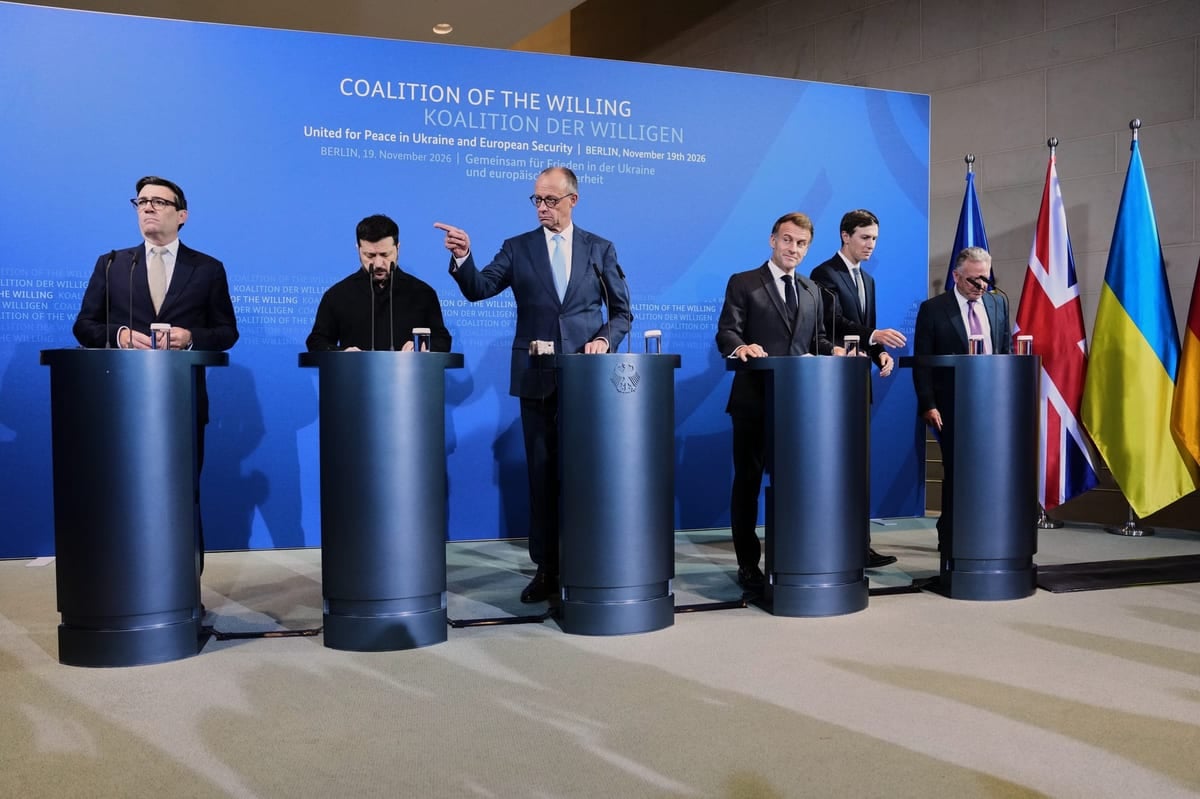
European leaders at a Berlin summit insisted on participating in Ukraine peace talks following Donald Trump's meeting with Vladimir Putin and Xi Jinping.

European leaders gathered in Berlin for a "Coalition of the Willing" summit on Ukraine's future, asserting that no peace settlement should be decided without their direct involvement. The meeting followed US President Donald Trump’s summit in Shenzhen with Russian leader Vladimir Putin and Chinese President Xi Jinping. Calling into the gathering from Air Force One, Trump told allies that Moscow is serious about peace negotiations, though reports differed over whether he reassured leaders or pressured them over military aid spending for Kyiv.

European officials expressed concern over Trump's warm portrayal of Putin. Polish Prime Minister Donald Tusk publicly criticized the US president's stance, posting on social media, "God, protect us from such friends." European nations reaffirmed their commitment to shaping any future framework ending Russia's war in Ukraine.

Sources: Bloomberg, Cyprus Mail, Politico Europe (Defense), Sweden Herald, The Guardian
Read more
02
ContinuingAI-generated
Russia faces rising war costs and diminished global influence

Russia faces rising war costs and diminished global influence

Russia faces compounding military, economic, and diplomatic pressures as domestic shortages force gasoline imports and NATO rejects Kremlin demands.

Russia continues to confront compounding pressures from its ongoing war in Ukraine, marked by heavy military casualties and limited territorial progress. Unable to secure decisive battlefield breakthroughs, Moscow has reportedly shifted toward targeting Ukraine's civilian energy infrastructure to strain European support.

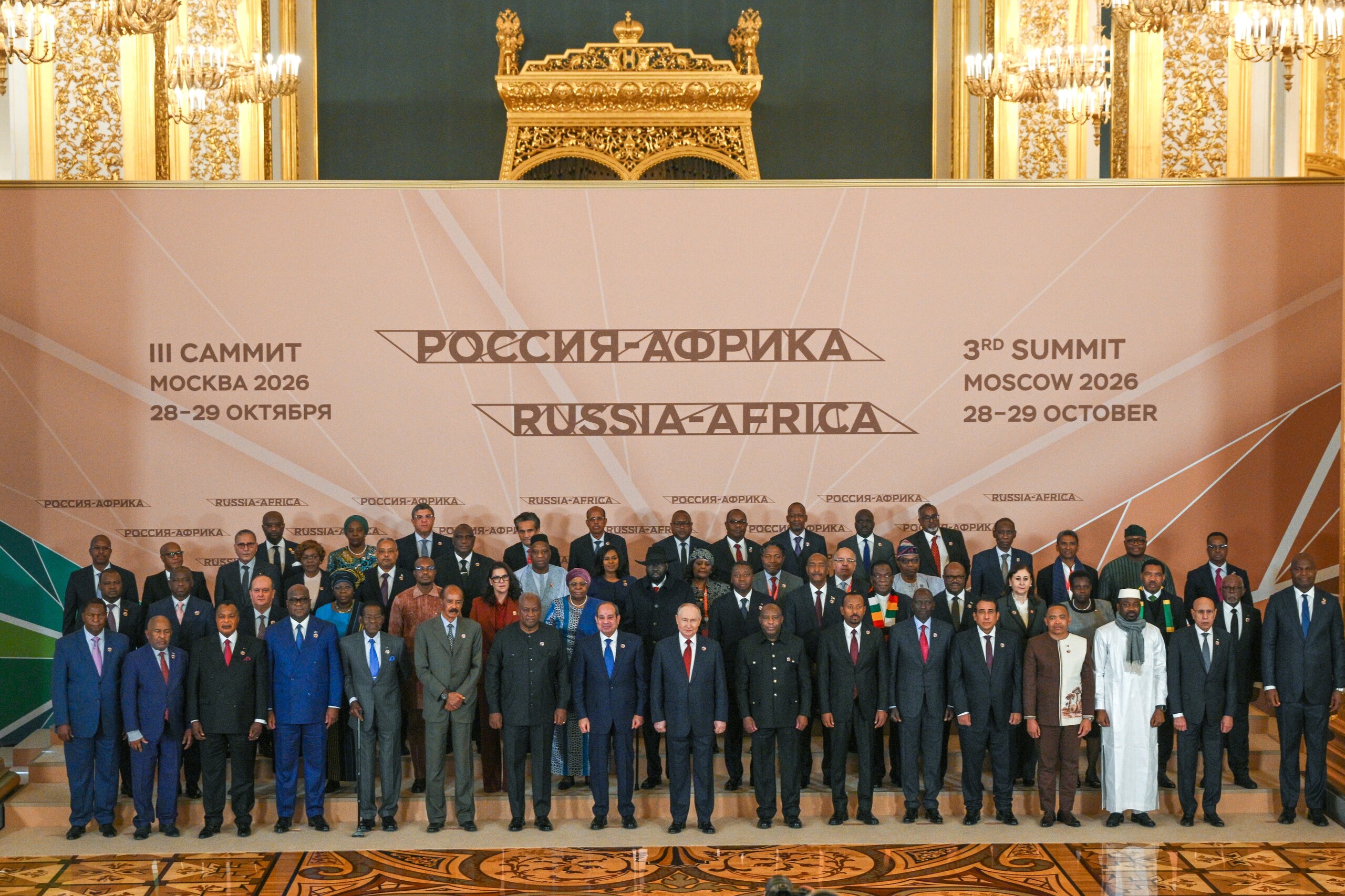
Economic and diplomatic vulnerabilities are increasingly evident. Severe domestic fuel shortages forced Russia to import a record 390,000 tonnes of seaborne gasoline in October, adding Egypt alongside Morocco and Turkey to its list of suppliers. Meanwhile, Moscow's diplomatic reach appears to be waning; a recent Russian-African summit drew less than half the participation seen at a competing event in Beijing. On the security front, NATO Secretary General Mark Rutte explicitly dismissed Kremlin demands to roll back alliance borders to 1997, reiterating that expansion decisions remain strictly with member states.

Sources: Mediazona, NEXTA, NV, Point, The Insider

Read more
03
ContinuingAI-generated
Poland faces railway operational strains and gas storage restructuring

Poland faces railway operational strains and gas storage restructuring

Poland deals with train delays on the Central Rail Line, fleet retirement challenges at Polregio, and regulatory restructuring of its underground gas storage operations.

Poland's rail sector faces operational and structural pressures amid system breakdowns and impending fleet reductions. A technical failure in the traffic control system along the Central Rail Line (CMK) forced single-track operations, causing train delays exceeding an hour. Rail manager PKP PLK and operator PKP Intercity indicated that repair efforts aimed to resolve the issue promptly, though disruptions were expected to persist throughout the day.

Concurrently, regional operator Polregio faces severe fleet constraints, with leadership warning that more than 100 trains must be retired over the next five years without swift modernization investments. Despite anticipating over 100 million passengers this year, Polregio faces increasing competition from PKP Intercity and lost regional route contracts.

Separately, Poland is re-evaluating its underground gas storage operations to comply with EU regulations requiring the separation of vertically integrated energy activities.

Sources: Rzeczpospolita, TVP info, WysokieNapiecie, Money

Read more
04
ContinuingAI-generated
Eisenkot condemns West Bank settler attacks as 'Jewish terrorism'

Eisenkot condemns West Bank settler attacks as 'Jewish terrorism'

Israeli opposition leader Gadi Eisenkot has condemned overnight settler arson attacks in the West Bank as 'Jewish terrorism' amid ongoing domestic political tension.

Israeli opposition leader Gadi Eisenkot has strongly condemned a series of overnight arson attacks targeting Palestinian villages in the occupied West Bank, labeling the actions "Jewish terrorism."

Militant settlers raided at least five communities, setting fire to homes and vehicles while leaving racist graffiti. Israeli police confirmed that an investigation into the incidents is underway. Eisenkot, who is currently attempting to form a government following recent inconclusive elections, warned on social media that such extremist violence undermines regional stability, threatens lives, and severely damages Israel's national security and international relations.

The unrest coincides with ongoing political uncertainty in Israel. Separately, judges presiding over Prime Minister Benjamin Netanyahu's corruption trial recommended that prosecutors drop bribery charges against him, citing a low probability of conviction.

Sources: The Guardian, France24, Cyprus Mail, Sweden Herald, BBC News

Read more
05
Reports emerge on potential Russian space-based nuclear weapons plans

Reports emerge on potential Russian space-based nuclear weapons plans

Reports suggest Russia may be considering placing a nuclear weapon in space, raising concerns over potential orbital detonations.

Reports suggest Russia may be considering the launch of a satellite equipped with a nuclear weapon into space. In a discussion regarding the potential implications, experts examined the severe consequences a nuclear detonation in orbit could hold for global communication, satellite networks, and infrastructure on Earth. Placing nuclear weapons in outer space would violate the 1967 Outer Space Treaty, which explicitly prohibits the deployment of weapons of mass destruction in orbit. While details regarding the scope and timeline of any potential Russian program remain limited, international observers and security analysts are monitoring the situation closely due to the widespread disruption an orbital nuclear detonation could inflict on modern technology.

Sources: The Guardian

Read more
Share