Nexus Europa

Top news

Nov 22, 2026, 01:30 AM UTC

← Latest news

01
ContinuingAI-generated
US envoys arrive in Moscow following preliminary Ukraine peace talks

US envoys arrive in Moscow following preliminary Ukraine peace talks

US special envoys Jared Kushner and Steve Witkoff have arrived in Moscow to meet Russian President Vladimir Putin after preliminary talks involving Ukrainian and European negotiators.

US special envoys Jared Kushner and Steve Witkoff arrived in Moscow on Tuesday for scheduled negotiations with Russian President Vladimir Putin. Russian envoy Kirill Dmitriev greeted the American diplomats at Vnukovo airport prior to their Kremlin meetings.

The visit follows online preliminary consultations involving US, Ukrainian, and European representatives. Ukrainian President Volodymyr Zelenskyy characterized the preliminary discussions as challenging yet successful, stating that a real window of opportunity exists for a diplomatic breakthrough. Kushner emphasized that European participation remains essential for securing lasting peace agreements.

The diplomatic efforts coincide with sustained military actions, as both Ukraine and Russia continue mutual aerial strikes targeting urban centers.

Sources: Der Spiegel, Der Standard, FAZ, ORF, Tagesschau

Read more
02
ContinuingAI-generated
US negotiators head to Moscow and Dublin after Abu Dhabi talks end

US negotiators head to Moscow and Dublin after Abu Dhabi talks end

US negotiators travel to Moscow and Dublin after trilateral talks in Abu Dhabi conclude, as Russia recirculates demands for NATO to retreat to 1997 positions.

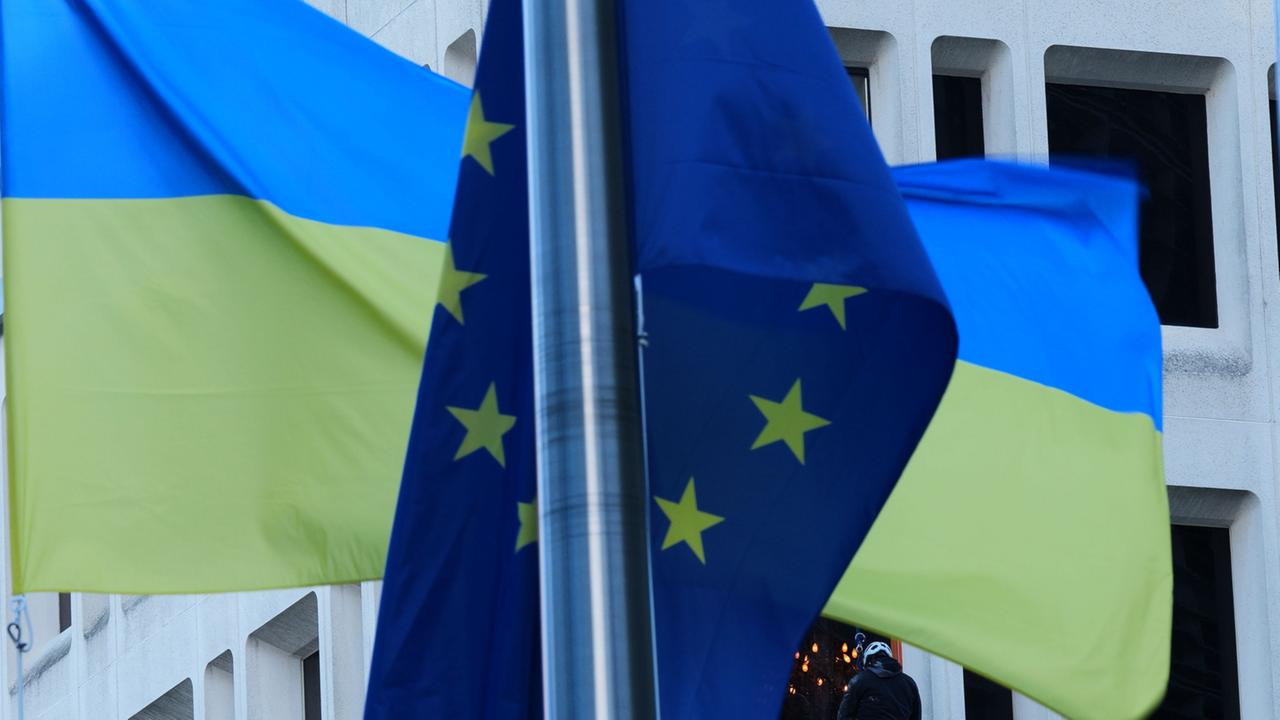
United States negotiators Jared Kushner and Steve Witkoff have concluded two days of trilateral talks in Abu Dhabi and are traveling to Moscow to brief Russian President Vladimir Putin. Following their discussions in Russia, the envoys will travel to Dublin to meet Ukrainian President Volodymyr Zelensky on the sidelines of an informal European summit. Zelensky noted that a "window of opportunity for progress" exists before the end of the year.

During the Abu Dhabi meetings, Ukrainian chief negotiator Rustem Umerov held coordination sessions with representatives from NATO, the European Commission, and the E4 group—comprising France, Germany, Italy, and the United Kingdom. Meanwhile, Russian officials recirculated previous demands for NATO to withdraw forces to its 1997 positions, while Russian Foreign Minister Sergei Lavrov publicly rejected European calls for an immediate ceasefire.

Separately, media reports citing data breached from Russian statistics agency Rosstat by Ukrainian and Belarusian hackers indicate over 400,000 Russian soldiers have died in the conflict.

Sources: ANSA, Corriere della Sera, Il Messaggero, La Repubblica

Read more
03
ContinuingAI-generated
US mediation efforts fail to bridge deep divides in Russia-Ukraine talks

US mediation efforts fail to bridge deep divides in Russia-Ukraine talks

US-mediated talks between Russia and Ukraine in Abu Dhabi end without significant progress amid sharp disagreements over NATO's role in Eastern Europe.

Trilateral negotiations between Russian and Ukrainian officials in Abu Dhabi, mediated by the United States, concluded without a major breakthrough. Despite US claims that differences between the two sides have narrowed, key security demands continue to stall progress. American envoys Steve Witkoff and Jared Kushner reportedly proposed potential NATO membership for Ukraine, presenting a shift from US President Donald Trump's previous stance. In contrast, Moscow insisted on rolling back NATO military deployments in Eastern Europe to their pre-1997 positions.

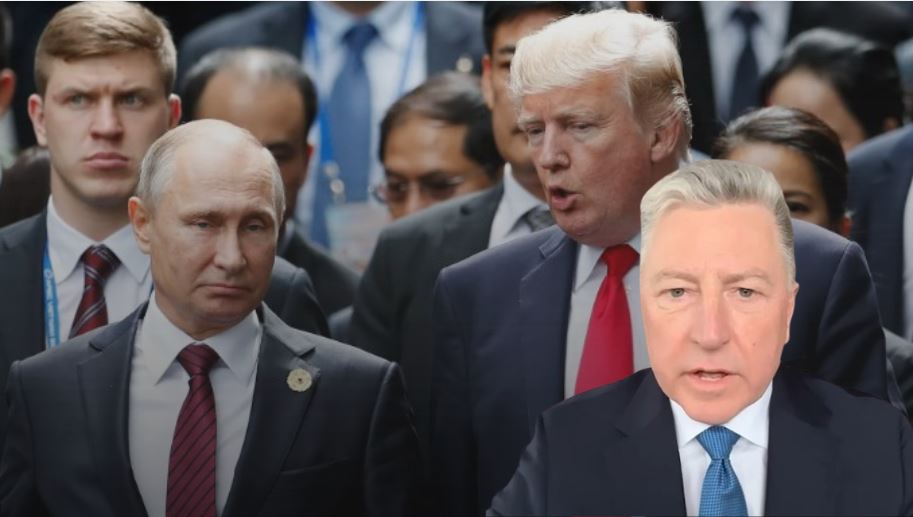
Former US Special Envoy Kurt Volker criticized Washington's diplomatic approach, stating that the administration permitted Moscow to shift discussions away from stopping the war to revising European security architecture. Volker urged direct pressure on the Kremlin instead of compromising on established security structures.

Sources: BalkanWeb, Gazeta Tema, Koha

Read more
04
ContinuingAI-generated
Trump rejects Iran deal while facing post-midterm congressional constraints

Trump rejects Iran deal while facing post-midterm congressional constraints

U.S. President Donald Trump has dismissed the need for a treaty with Iran, while post-midterm political shifts alter administration priorities and foreign policy scope.

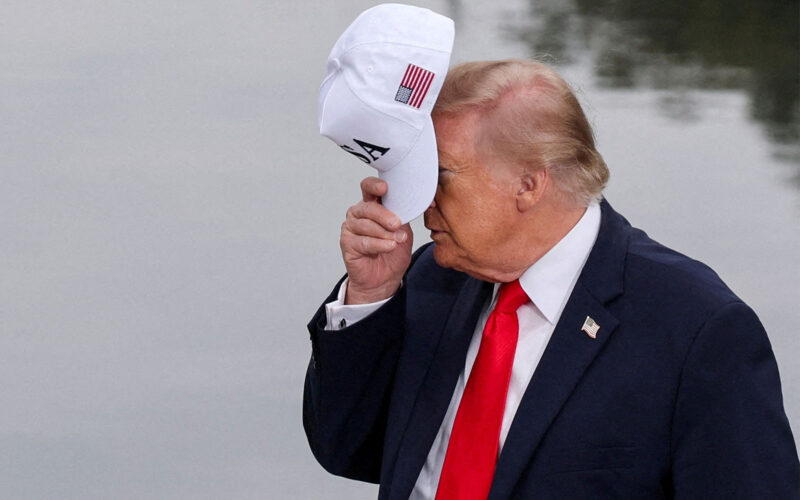
U.S. President Donald Trump has reiterated that Washington does not require a formal treaty with Iran, affirming his willingness to authorize military action over Tehran's alleged chemical and biological weapons programs despite potential political consequences.

Following recent midterm election setbacks for Republicans, Trump instructed Vice President J.D. Vance to shift his focus from Middle Eastern diplomacy toward investigating alleged corruption in Democratic-led jurisdictions. Analysts note that the rebalanced Congress will limit executive authority, curbing foreign policy ambitions regarding nations like Cuba and ending speculation about a potential third presidential term. Meanwhile, observers emphasize that the broader political movement supporting Trump is expected to adapt and persist beyond his administration.

Sources: HRT Vijesti, Index, Klix, Poslovni dnevnik, Vijesti

Read more
05
ContinuingAI-generated
French 2027 presidential hopefuls clash over economy and housing in televised debate

French 2027 presidential hopefuls clash over economy and housing in televised debate

Five 2027 French presidential candidates clashed over taxation, purchasing power, and social housing during a televised debate on TF1 and LCI.

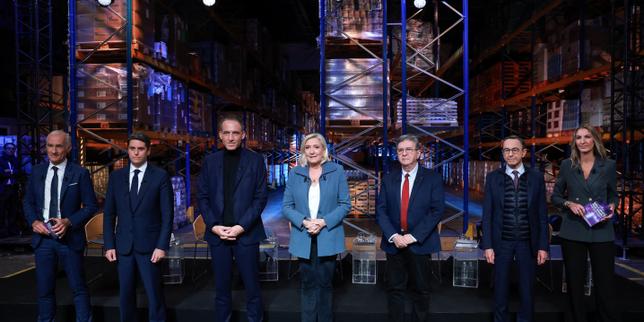
Five potential candidates for France's 2027 presidential election debated economic policies, taxation, and social housing during a three-hour broadcast on TF1 and LCI. Participants included Marine Le Pen, Jean-Luc Mélenchon, Raphaël Glucksmann, Gabriel Attal, and Bruno Retailleau.

The debate featured heated exchanges over purchasing power and state spending, with candidates exchanging accusations regarding fiscal plans and tax burdens. Social housing policy generated significant friction, as opponents united to condemn Le Pen's proposal for a national preference system in housing distribution. Rivals characterized the policy as an attempt at spatial segregation. The debate highlighted deep ideological divisions on tackling poverty and managing public finances ahead of the upcoming presidential race.

Sources: Le Figaro, Le Monde, Libération.

Read more
Share
Nexus Europa — Nov 22, 2026, 01:30 AM UTC — Nexus Europa