Nexus Europa

Top news

Nov 19, 2026, 02:00 PM UTC

← Latest news

01
ContinuingAI-generated
Ukraine expands space operations to lessen dependence on Starlink

Ukraine expands space operations to lessen dependence on Starlink

Ukraine is expanding its satellite capabilities to reduce reliance on Starlink while targeting Russian orbital infrastructure.

Ukraine is expanding its satellite and space operations to maintain communication capabilities and reduce reliance on SpaceX's Starlink terminals. Military officials noted that recent long-range operations, including strikes against the Kerch Bridge, relied on indigenous satellite systems and direct radio links rather than commercial satellite networks. Defensive commanders stated that while Starlink remains vital for command centers, a complete disconnection would not trigger a collapse of front-line defenses.

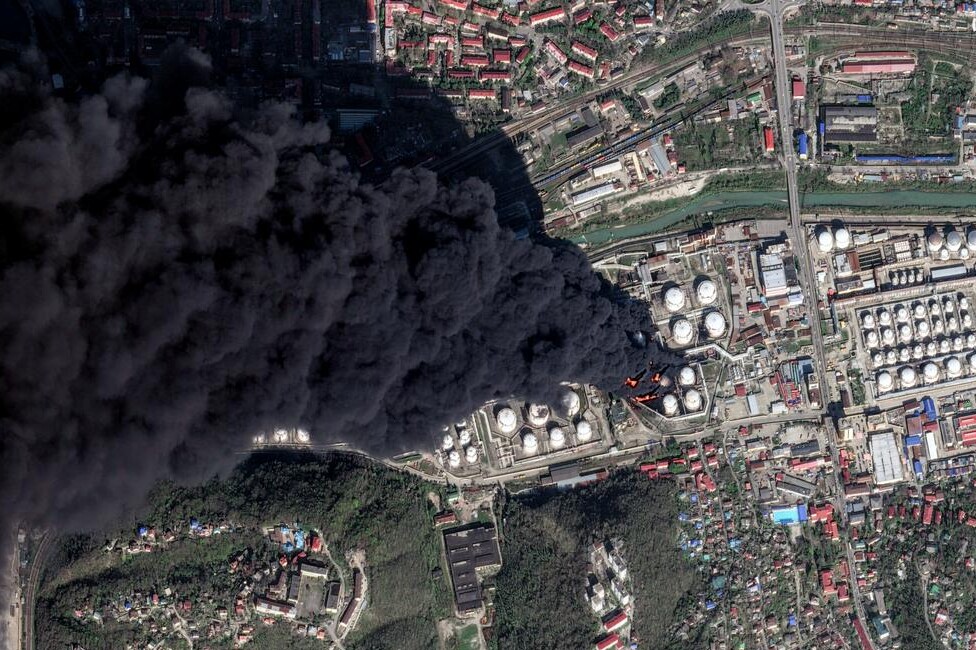
Simultaneously, space infrastructure has become a key operational target. Ukrainian strikes recently targeted the Progress rocket plant in Samara, disrupting the production of Soyuz-2 launch vehicles intended to deploy Russia's competing Rassvet satellite network. Both militaries are accelerating orbital operations as space-based reconnaissance and target tracking become increasingly essential to ground operations.

Sources: Liga net, NEXTA, NV, The Insider, Українська правда.

Read more
02
ContinuingAI-generated
Russian negotiator dismisses territorial compromise following talks in Abu Dhabi

Russian negotiator dismisses territorial compromise following talks in Abu Dhabi

Trilateral talks in Abu Dhabi yield no agreement as Russia rejects territorial compromises and launches heavy drone and missile strikes on Ukrainian energy infrastructure.

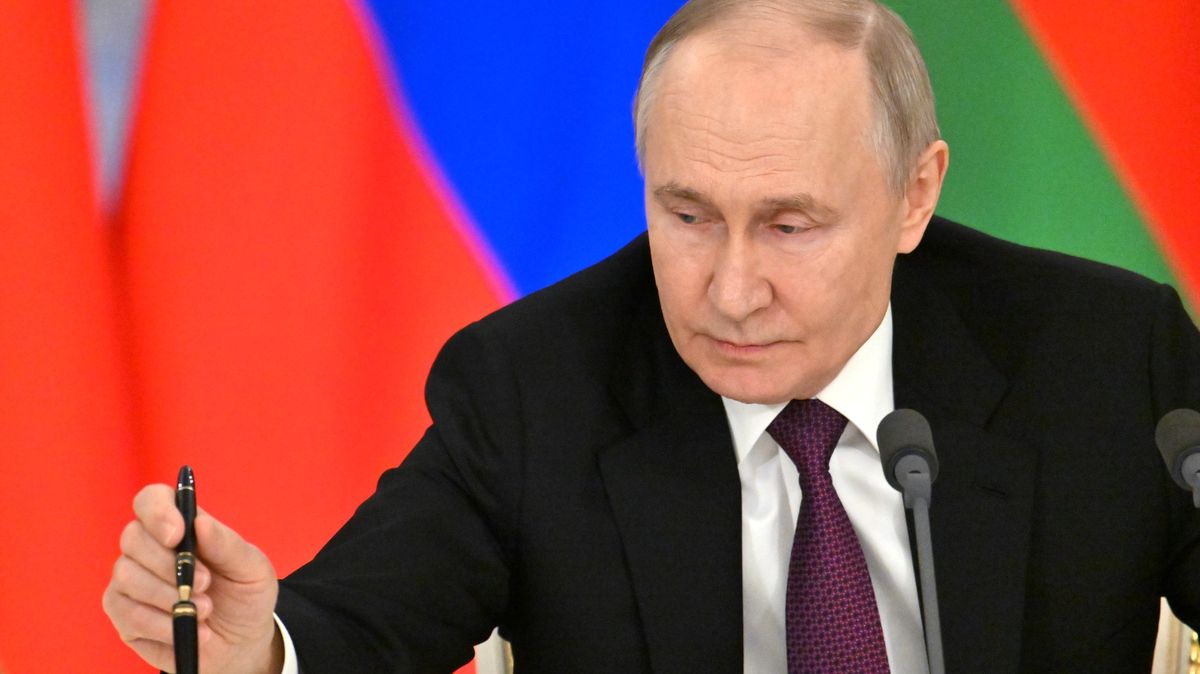
Trilateral negotiations involving Ukraine, Russia, and the United States in Abu Dhabi ended without a consensus on territorial concessions or security guarantees. Russian lead negotiator Vladimir Medinsky rejected European diplomatic efforts, stating that "every centimeter of Russian land will be recovered, one way or another" and advising Western media against remaining in a "world of illusions." Moscow also proposed signed bilateral non-aggression pacts with select NATO members as part of a revised European security framework.

Simultaneously, Russian forces targeted Ukrainian energy infrastructure with over 160 missiles and drones over the weekend. Strikes severely damaged power facilities in the Dnipropetrovsk and Kharkiv regions, resulting in widespread blackouts for hundreds of thousands of residents as winter approaches. Emergency crews are attempting to restore grid stability.

Sources: Adevărul, HotNews, Moldova1, TV8, Ziarul de Gardă.

Read more
03
ContinuingAI-generated
Crimean Bridge automobile traffic remains halted following Ukrainian strike

Crimean Bridge automobile traffic remains halted following Ukrainian strike

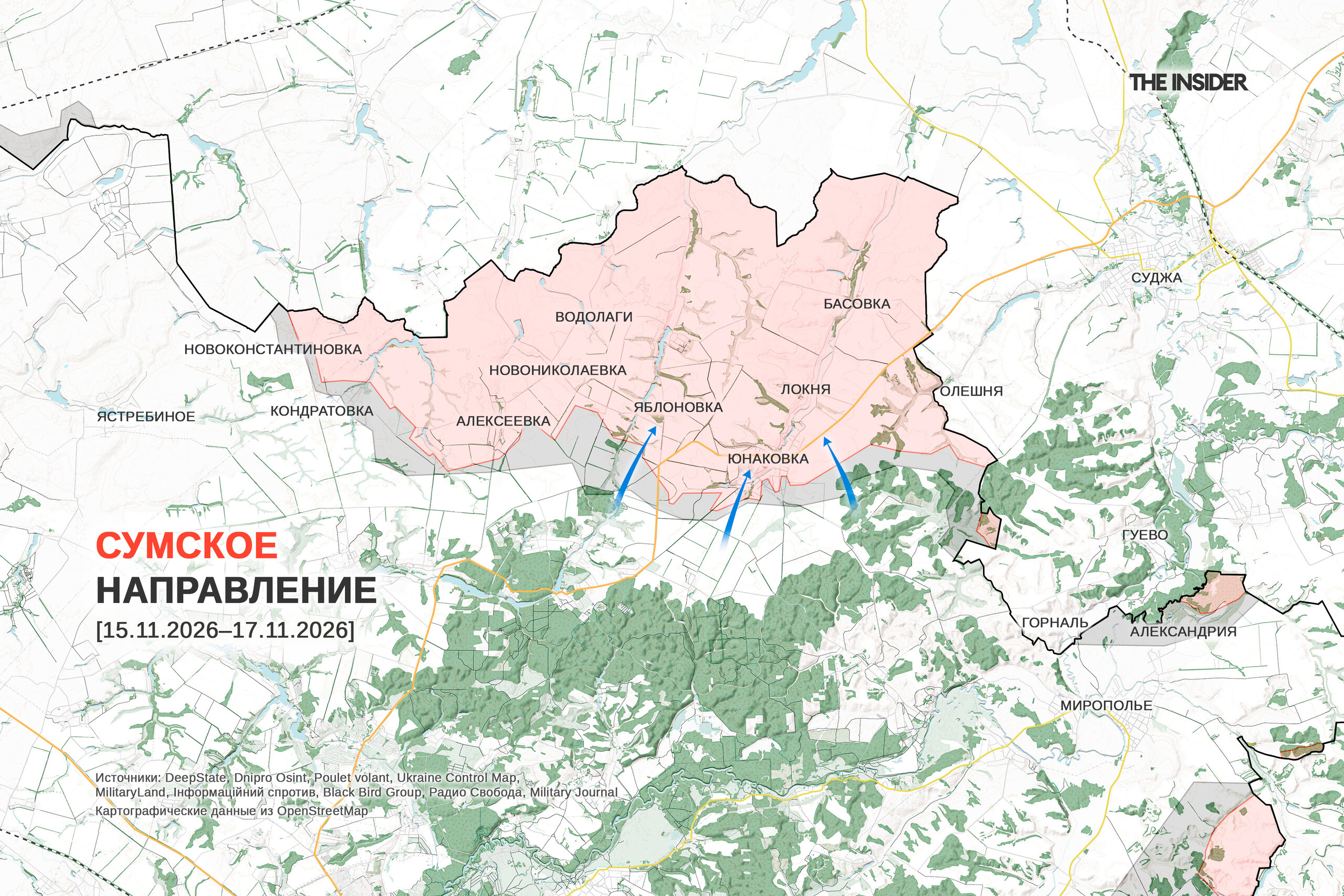
Traffic remains suspended on the Crimean Bridge road span after a Ukrainian attack, while frontline operations continue in Sumy, Pokrovsk, and Zaporizhzhia.

Russian transport officials continue to assess whether single-lane alternating traffic can be safely restored on the Crimean Bridge following a multi-stage Ukrainian drone and missile operation that damaged a road span arch. While vehicular travel across the Kerch Strait remains suspended, rail traffic across the structure is running on schedule. Russia's Investigative Committee has launched a criminal terrorism probe into the attack.

On the frontlines, Ukrainian forces reported advances toward the international border north of Sumy. Conversely, the Russian Ministry of Defence claimed full control over Belytske in the Pokrovsk sector alongside further territorial gains in Zaporizhzhia Oblast. Meanwhile, figures from the General Staff of the Armed Forces of Ukraine indicate a 68 percent reduction in total Russian offensive engagements over the past five months.

Sources: Belsat, Mediazona, NEXTA, Point, The Insider.

Read more
04
ContinuingAI-generated
European policymakers re-evaluate long-term defense posture amid entrenched Russian posture

European policymakers re-evaluate long-term defense posture amid entrenched Russian posture

European security planners focus on long-term defense posture as diplomatic efforts stall and Russia's military posture remains structurally entrenched.

European defense strategy is increasingly pivoting toward addressing structural, long-term security threats from Russia as diplomatic avenues remain constrained. Recent trilateral exchanges between Ukraine, Russia, and the United States yielded no decisive breakthrough, with Russian leadership reiterating unyielding conditions. Analysts note that Russia's military campaign has become deeply integrated into its political and economic framework, making strategic shifts unlikely even in the event of future leadership transitions.

Discussions regarding potential diplomatic trade-offs, such as exchanging territory for security guarantees, face significant structural hurdles. Meanwhile, ongoing personnel shortages have prompted Moscow to alter its recruitment practices on the front lines. In response to these persistent realities, European officials are focusing on strengthening continental defense capabilities and reassessing historical security assumptions to ensure long-term stability.

Sources: Český rozhlas Plus, Deník N, iROZHLAS, Respect, Seznam Zprávy

Read more
05
ContinuingAI-generated
Europe faces defense gaps amid drone incidents and supply chain bottlenecks

Europe faces defense gaps amid drone incidents and supply chain bottlenecks

European security faces strain from unauthorized drone activity over a US base in England and industrial bottlenecks limiting critical Patriot missile supplies.

European defense capabilities face ongoing challenges due to operational security concerns and heavy reliance on American military technology. At RAF Lakenheath in Suffolk, US Air Force personnel deployed counter-measures against suspected unauthorized drone activity. Base officials confirmed that the incident caused no personnel injuries or damage to aircraft and infrastructure.

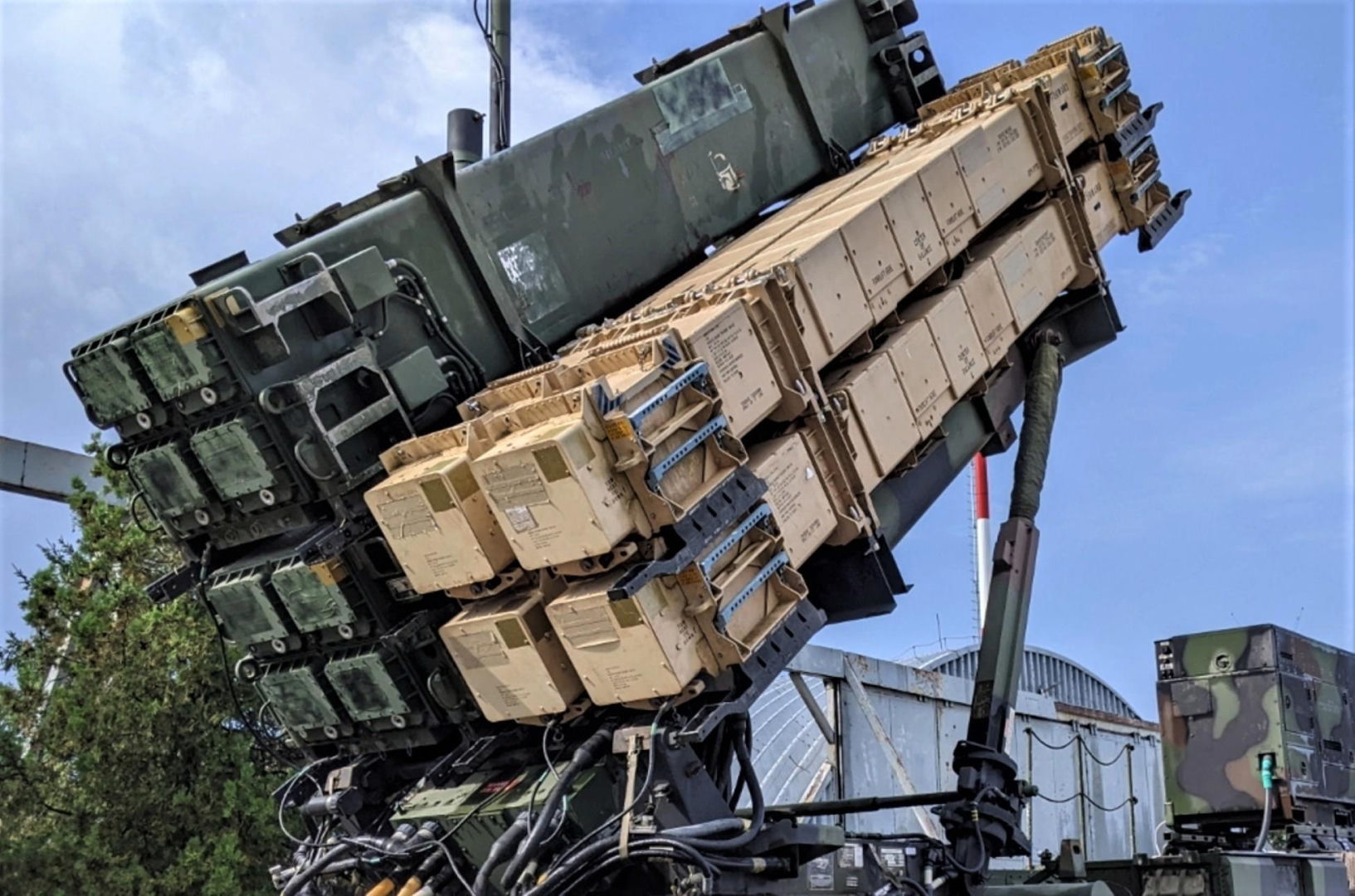
Simultaneously, analyses highlight structural vulnerabilities in Europe's air defense framework, particularly its reliance on American F-35 aircraft and Patriot missile systems. Industrial bottlenecks continue to constrain production rates; notably, severe shortages of specialized French heat-resistant fabric have delayed the manufacturing of PAC-3 MSE interceptors. With global demand outpacing supply, NATO members face growing backlogs in replenishing missile stockpiles while major powers simultaneously invest in developing next-generation combat aircraft.

Sources: Defence24, Portal obronny, Rzeczpospolita, TVP info

Read more
Share
Nexus Europa — Nov 19, 2026, 02:00 PM UTC — Nexus Europa