Serbia navigates political transition as post-election scrutiny turns to security services and minority rights
Following the defeat of Aleksandar Vučić's party, Serbian political figures debate the political transition, regional relations with Montenegro, and security surveillance.
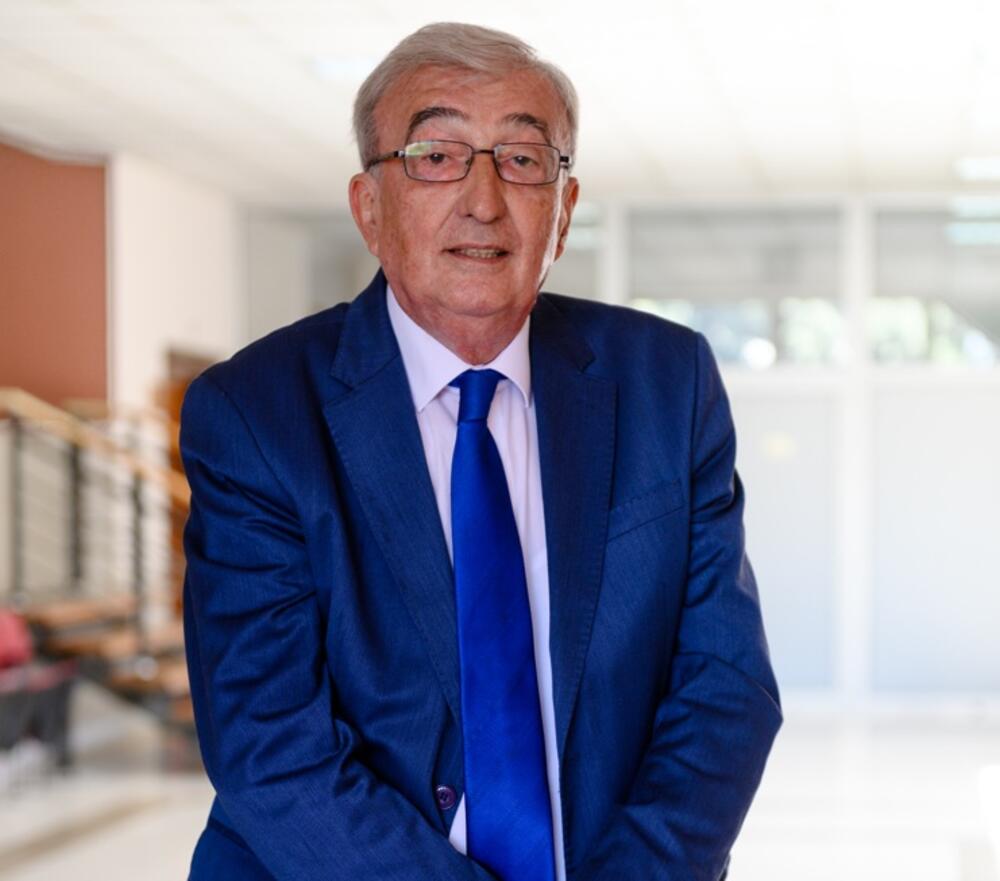
Following the electoral defeat of former President Aleksandar Vučić’s ruling party, political figures are debating the pace of Serbia's institutional transition. Dejan Šoškić, a potential candidate for prime minister, stated that Serbia can now serve as a stabilizing regional partner, emphasizing renewed diplomatic and cultural ties with Montenegro.
However, Slobodan Cvejić of the Srbija Centar party warned that the outgoing administration still retains levers of political power and is intentionally delaying presidential elections to consolidate its position.
At the same time, public controversy persists over allegations of unauthorized surveillance by the Security Information Agency targeting journalists and public venues. Meanwhile, over 480,000 registered voters cast ballots in elections for national minority councils, which manage minority cultural, linguistic, and educational rights.
Sources: Beta, Danas, Klix, N1, Vijesti