Top news

Nov 3, 2026, 05:30 AM UTC

← Latest news

01
ContinuingAI-generated
Austria starts new school year facing structural challenges in education

Austria starts new school year facing structural challenges in education

Austria starts its new school year facing high grade repetition rates, growing demand for private tutoring, and proposed educational support initiatives.

As classes resume across Austria, national attention has focused on structural challenges and upcoming educational reforms. Data from the PISA study indicates that 18 percent of 15-year-old pupils have repeated at least one grade, a figure reaching 36 percent in socioeconomically disadvantaged schools, well above the OECD average.

Primary education faces growing demands, with reports indicating that one in three pupils now relies on private tutoring. In response to these disparities, educational authorities are rolling out the "Chancenbonus" initiative to provide targeted funding to underfunded schools. Discussions also continue over administrative updates and potential headscarf bans as classes begin in eastern provinces before expanding nationwide.

Sources: Der Standard, ORF, Profil
Read more
02
ContinuingAI-generated
Czech government considers faster legal protections as child abuse cases surge

Czech government considers faster legal protections as child abuse cases surge

Czech officials evaluate faster legal protections for endangered children following a record rise in reported abuse and neglect cases.

The Czech Republic reported a record surge in child abuse and neglect cases over the past year, with authorities removing 3,616 children from their families, an increase of 300. Experts emphasize that official data represents only a fraction of the problem, attributing preventable separations to missing operational guidelines and specialized assistance for vulnerable families.

In response to the figures, the Czech government is evaluating a Ministry of Justice proposal that would allow courts to expedite protective measures for endangered children without waiting for expert evaluations. Separately, Children's Ombudsman Martin Beneš voiced opposition to proposed nationwide school mobile phone bans, maintaining that educational institutions should retain autonomy in setting their own rules.

Sources: Deník N, Hospodářské noviny, iROZHLAS, Seznam Zprávy, Český rozhlas Plus

Read more
03
ContinuingAI-generated
Berlin state parliament shrinks after vote correction as election trends shift

Berlin state parliament shrinks after vote correction as election trends shift

A vote correction in Berlin assigned an AfD seat, reducing the Abgeordnetenhaus size, while polling and voter trends reveal shifts across key demographics.

A data transmission correction following the Berlin state election in the Spandau district has reassigned a direct mandate from Christian Democratic Union candidate Bettina Meßner to Tommy Tabor of the Alternative for Germany (AfD). The resulting recalculation of overhang seats reduces the Berlin Abgeordnetenhaus by five seats.

The vote calculation coincided with broader electoral dynamics across the capital. Polling showed Die Linke leading at 22 percent, driven largely by strong backing from younger voters. Meanwhile, voter turnout remained low among residents with a migration background in districts such as Neukölln. Additionally, reporting highlighted that some young voters of Turkish origin supported the AfD, citing concerns regarding public safety, economic stability, and migration policy.

Sources: Correctiv, DW, FAZ, Die Zeit, Tagesschau

Read more
04
ContinuingAI-generated
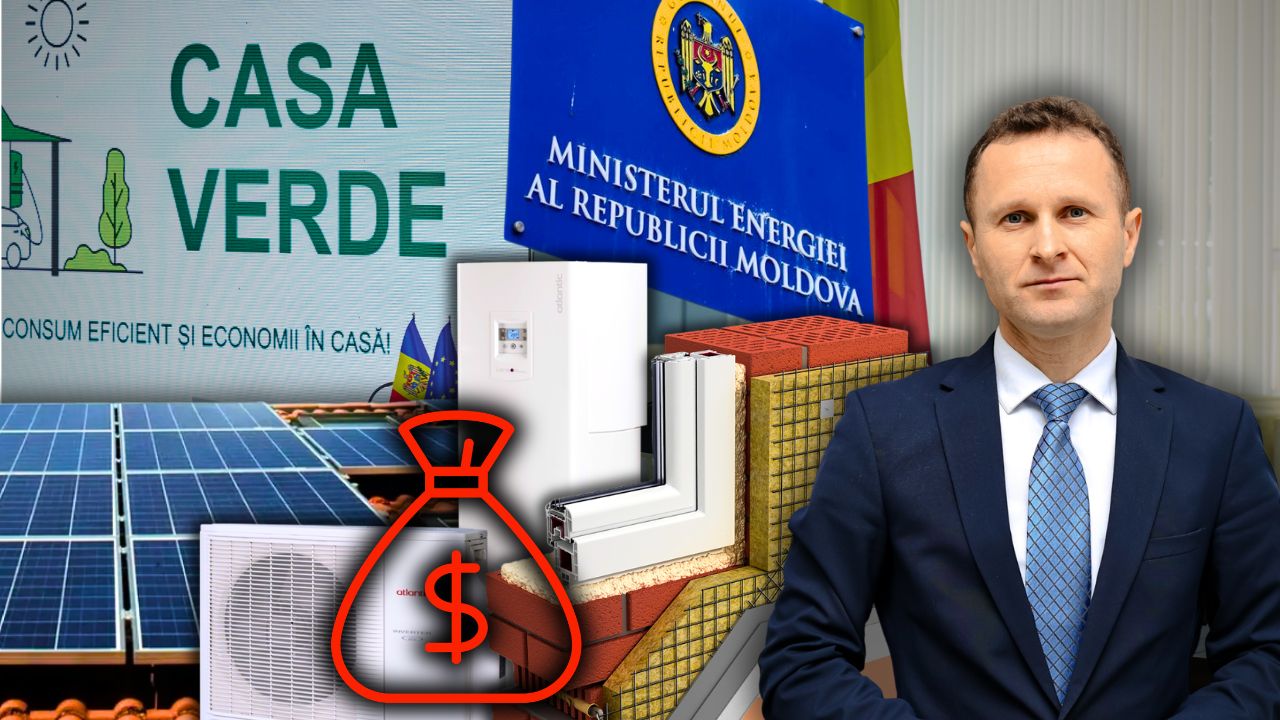
Romania sets October launch for revised Casa Verde storage scheme

Romania sets October launch for revised Casa Verde storage scheme

Romania will launch its revised Casa Verde Baterii program in October, introducing a scoring system while facing criticism over eligibility rules and administrative delays.

Romania’s Ministry of Environment has finalized guidelines for the Casa Verde Baterii program, set to launch in October with a budget of up to 500 million lei. The updated framework abandons the previous first-come, first-served allocation model. Instead, applications will be scored based on an applicant's co-financing contribution and total installed battery capacity.

The revised criteria have sparked pushback from prosumer organizations, who criticize rules excluding households that already possess energy storage units. Furthermore, participants in related green energy programs report extensive administrative delays and contractor quotes substantially higher than standard market prices. Despite these logistical hurdles, completed residential solar and battery installations continue to deliver major reductions in household utility expenses.

Sources: Adevărul, Economedia, HotNews, Moldova1, Ziarul de Gardă.

Read more
Share