Russia expands digital tracking and AI surveillance capabilities
Russian authorities are expanding digital surveillance through data access orders and AI video analysis, alongside international trials in autonomous AI workplace management.
Russia continues to expand its state-led digital tracking and law enforcement technologies. The Ministry of Defense proposed granting military enlistment offices direct access to citizens' foreign passport details, income levels, and banking records. Simultaneously, the Ministry of Digital Development is curbing VPN services that exploit whitelisted internet infrastructure. In law enforcement, Investigative Committee head Alexander Bastrykin confirmed the adoption of biometric AI software capable of searching video archives to identify suspects.
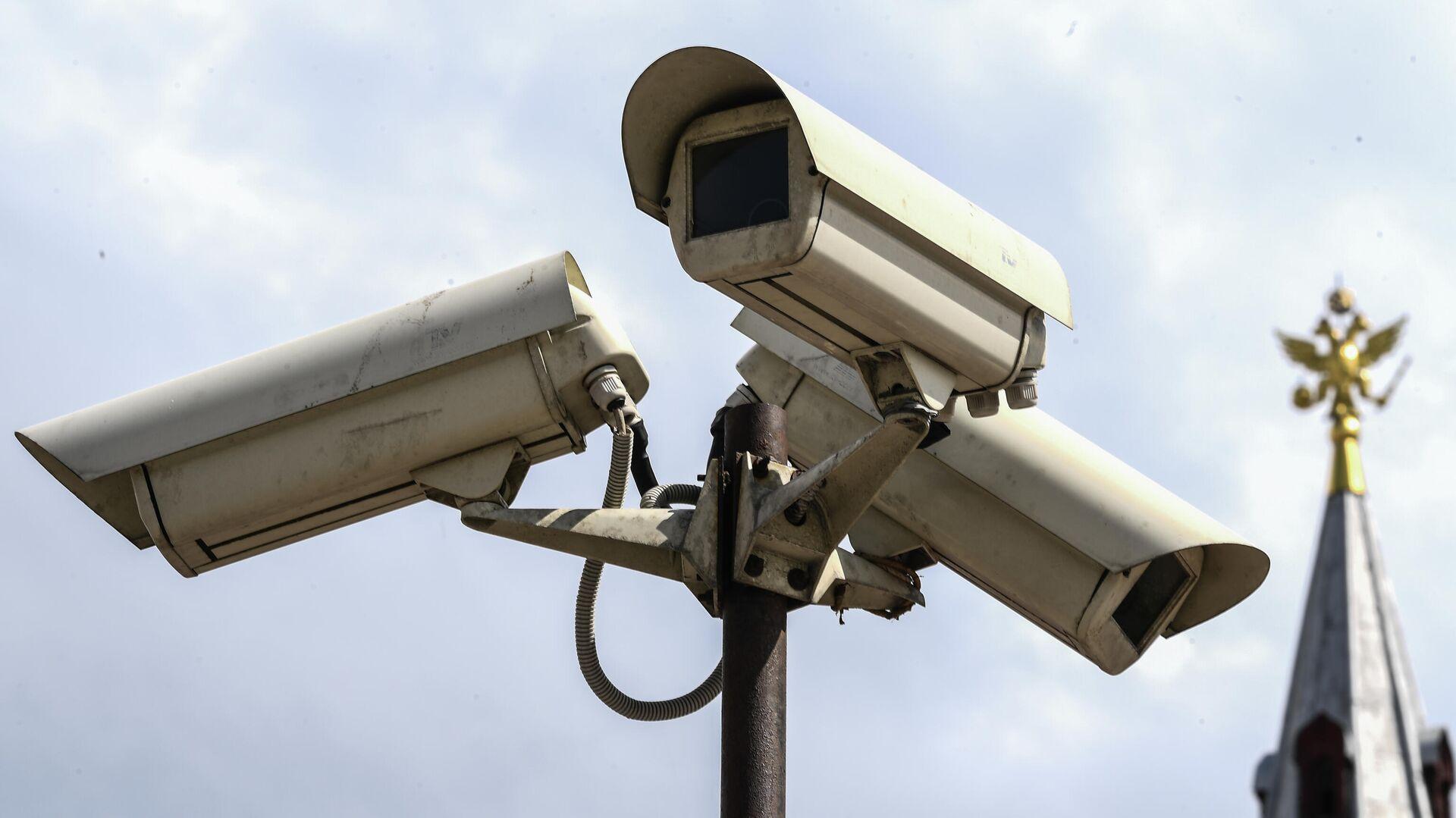
These developments align with broader urban surveillance in Moscow, where nearly 300,000 facial-recognition cameras pair daily convenience with extensive movement tracking. Meanwhile, in international AI developments, research firm Andon Labs revealed that Anthropic's Claude model dismissed a human retail worker in San Francisco following repeated absences, marking a landmark instance of autonomous AI management.
Sources: Mediazona, NEXTA, Point, The Insider, Verstka.