Nexus Europa

Top news

Sep 14, 2026, 01:00 AM UTC

← Latest news

01
ContinuingAI-generated
Ukraine develops domestic weapons to offset air defense delays

Ukraine develops domestic weapons to offset air defense delays

Ukraine is expanding domestic arms manufacturing, testing precision bomb kits and ballistic missiles to bridge defense gaps as Patriot licensing delays persist.

Ukraine is seeking to bridge a tactical gap in its air defenses as domestic manufacturing of U.S.-licensed Patriot interceptors faces multi-year delays caused by licensing and regulatory hurdles. Ukrainian President Volodymyr Zelensky noted that local production of the anti-missile systems could take up to several years to establish.

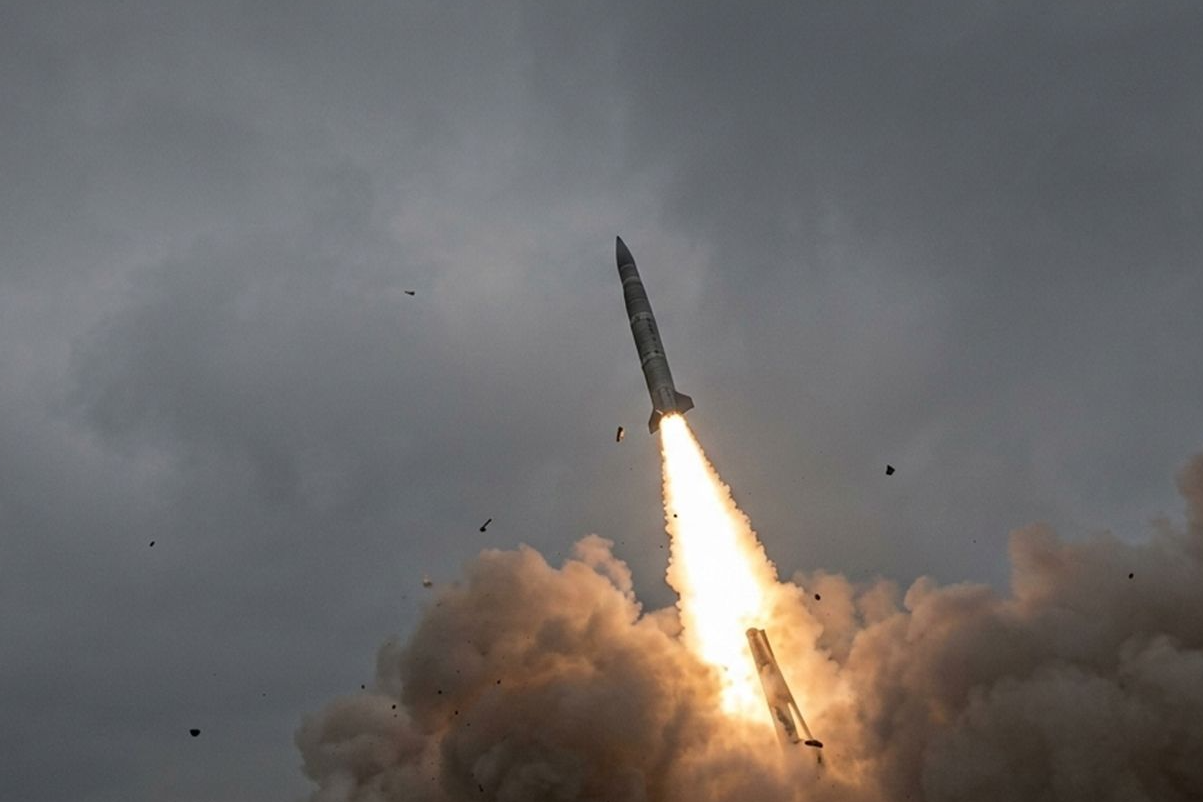
In response to frequent Russian ballistic missile strikes, Ukrainian firms are pursuing alternative strategies. Two domestic defense manufacturers are working to develop native ballistic missiles, though mass production remains hindered by technical obstacles. Simultaneously, defense incubator Brave1 and DG Industry finalized testing on the "Equalizer" conversion kit, which transforms standard unguided bombs into long-range precision-guided munitions compatible with both Western and Soviet-era aircraft. The initiative aims to lessen reliance on foreign military aid while addressing urgent defense needs.

Sources: NEXTA, NV, Point, The Insider, Українська правда.
Read more
02
ContinuingAI-generated
Finnish president rejects German warnings of potential Russian attack on NATO

Finnish president rejects German warnings of potential Russian attack on NATO

Finnish President Alexander Stubb dismissed Berlin's warnings of a potential Russian attack on NATO by 2029, while security experts warn of escalating Baltic hybrid activity.

Finnish President Alexander Stubb has dismissed warnings from Berlin suggesting Russia could be capable of attacking NATO territory by 2029, stating there is "neither evidence nor facts" to support such predictions. Speaking to German media, Stubb expressed skepticism that Moscow would target the military alliance, though he emphasized that member states must remain prepared for worst-case scenarios to maintain effective deterrence.

Despite Stubb's assessment regarding direct conventional conflict, regional allies continue to report heightened non-conventional threats. Polish military analyst Col. Maciej Korowaj warned that Russian intelligence services are actively mapping NATO security responses across the Baltic Sea region. According to Korowaj, these operations aim to update operational plans for potential Baltic provocations expected to increase starting in September, prompting regional partners to intensify intelligence coordination and hybrid defense measures.

Sources: Defence24, Portal obronny, Rzeczpospolita, TVP info

Read more
03
ContinuingAI-generated
European Union faces defense hurdles amid autonomy drive and US supply delays

European Union faces defense hurdles amid autonomy drive and US supply delays

Efforts by the EU to replace US military tech face industry opposition, while air defense costs and American delivery delays create further challenges.

European Union initiatives to replace American defense technology face pushback from industry figures who warn of potential integration and cybersecurity vulnerabilities. Brussels is pursuing greater strategic autonomy following trade disagreements with Washington and concerns over long-term commitments to NATO. However, defense sector representatives caution that abandoning established US platforms could leave European militaries with inferior capabilities.

At the same time, NATO members along the eastern border are confronting economic imbalances in air defense, where expensive interceptors are routinely used against low-cost unmanned aerial vehicles. These strategic calculations are further complicated by production bottlenecks in the United States. Priority restocking of American Patriot missile reserves following transfers to Ukraine is delaying existing delivery contracts to international buyers, straining European efforts to reinforce regional defense posture.

Sources: Belsat, NEXTA, Point, The Insider

Read more
04
ContinuingAI-generated
US shifts Middle East posture following Syria sanctions relief and Gulf escalation

US shifts Middle East posture following Syria sanctions relief and Gulf escalation

The US has removed Syria from its terror sponsor list as SDF forces integrate into the national army, while CENTCOM targeted Iranian tankers following missile strikes in the Persian Gulf.

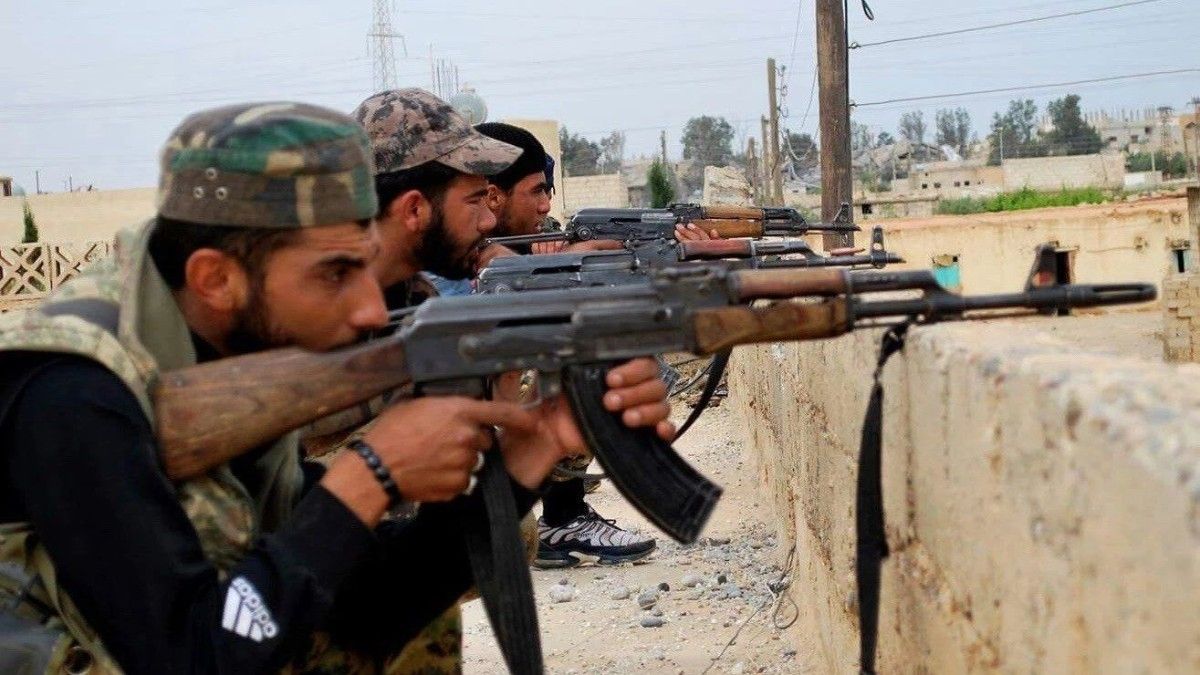
The United States Department of State has officially removed Syria from its list of state sponsors of terrorism and revoked the global terrorist designation for Hayat Tahrir al-Sham. The action follows an agreement by the Kurdish-led Syrian Democratic Forces to integrate into the national army under Syria's new leadership, offering a path toward political stabilization.

Simultaneously, military tensions in the Persian Gulf continue to escalate. US Central Command reported that American forces permanently disabled two Iranian crude tankers and destroyed a third after Iran's Islamic Revolutionary Guard Corps launched ballistic missiles at US warships. No American casualties or vessel damage were reported. Following repeated Iranian strikes on American military facilities, the US Department of Defense is reviewing its force posture in the region, considering a potential reduction of troops in the Gulf.

Sources: Defence24, Portal obronny, Rzeczpospolita, TVP info

Read more
05
ContinuingAI-generated
Left-wing opposition projected to win Swedish general election

Left-wing opposition projected to win Swedish general election

Exit polls project a victory for Sweden's left-leaning opposition bloc, marking a potential power shift despite a broader European rightward trend.

Sweden’s opposition left-leaning bloc, led by Social Democratic leader Magdalena Andersson, is projected to win the country’s parliamentary election, according to exit polls. The four-party alliance secured 51.3% of the vote, granting them an estimated 183 seats in the 349-seat Riksdag.

The election campaign featured intense debates over domestic governance and foreign interference. Andersson pressed outgoing Prime Minister Ulf Kristersson over alleged Russian links to the far-right Sweden Democrats, following reports that a staffer disseminated pro-Kremlin content. Meanwhile, Kristersson’s government faced scrutiny over economic stagnation and public service pressures following market-oriented reforms.

The projected outcome contrasts with recent right-wing political gains across Europe. Official election results will determine whether the opposition maintains its parliamentary majority.

Sources: Der Spiegel, NEXTA, The Insider, The Local Sweden, TVP info.

Read more
Share
Nexus Europa — Sep 14, 2026, 01:00 AM UTC — Nexus Europa