Nexus Europa

Top news

Sep 13, 2026, 06:30 PM UTC

← Latest news

01
ContinuingAI-generated
Eastern German authorities act against extremism in schools as regional vote approaches

Eastern German authorities act against extremism in schools as regional vote approaches

Eastern German authorities are implementing measures to counter extremism in schools as regional elections approach, while cultural policy fuels political debate.

In response to rising political tensions ahead of regional elections, eastern German states are implementing measures to counter extremism in schools.

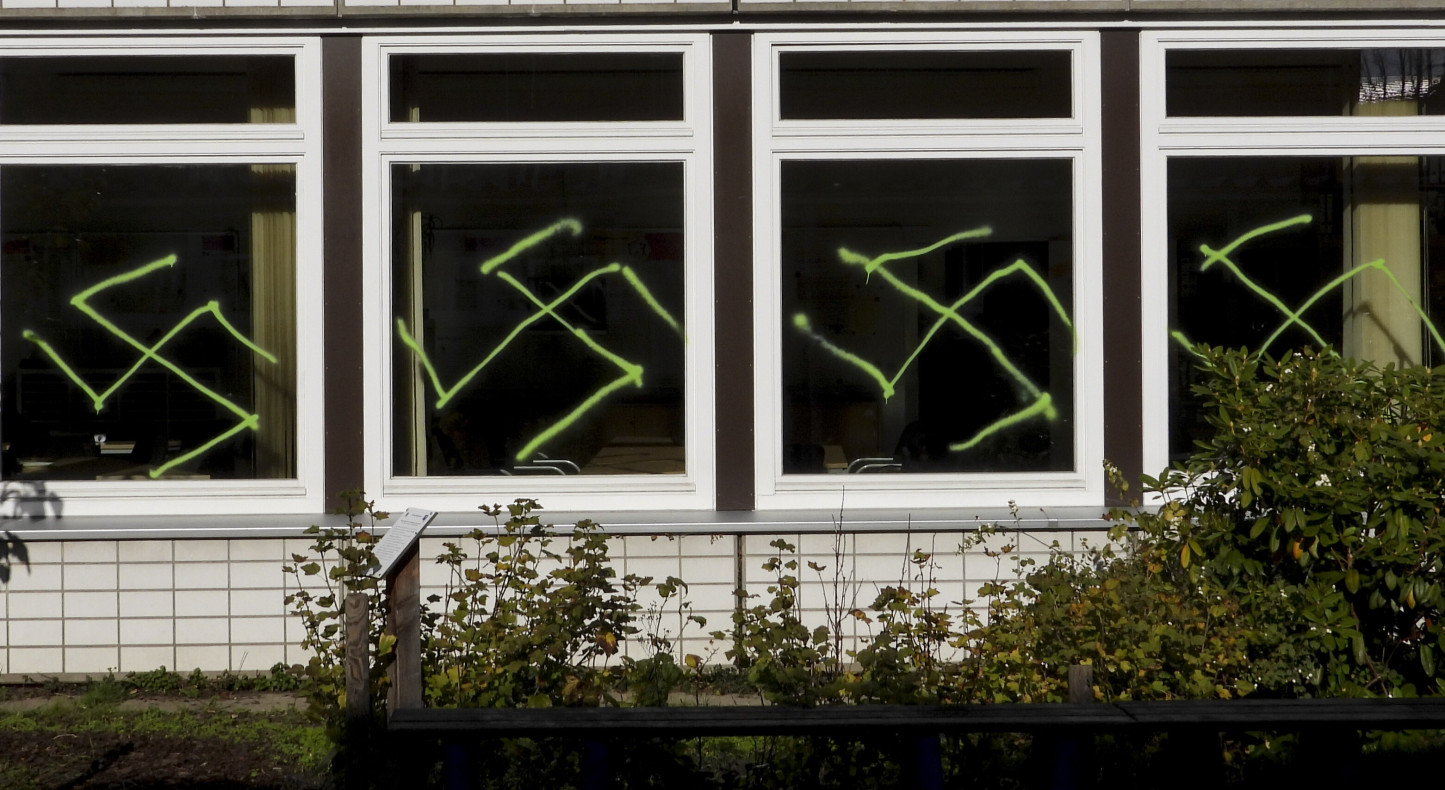
Thuringia's education ministry partnered with the University of Jena to send "constitutional coaches" to schools, offering guidance to teachers dealing with anti-democratic student behavior and far-right symbols. Additionally, Evelyn Zupke, the federal commissioner for SED victims, called for compulsory school visits to historical memorial sites to broaden students' understanding of East German history.

At the same time, regional elections have intensified debates over cultural policy and identity. In Saxony-Anhalt, proposals by the Alternative for Germany to curb funding for programs deemed "anti-German" have drawn concern from local arts and historical institutions.

Sources: Correctiv, Der Spiegel, DW, FAZ, Tagesschau.

Read more
02
ContinuingAI-generated
Northern European nations evaluate response to rising Russian hybrid threats

Northern European nations evaluate response to rising Russian hybrid threats

European analysts assess responses to escalating Russian hybrid threats, Kremlin accusations against Norway, and sabotage risks near Svalbard.

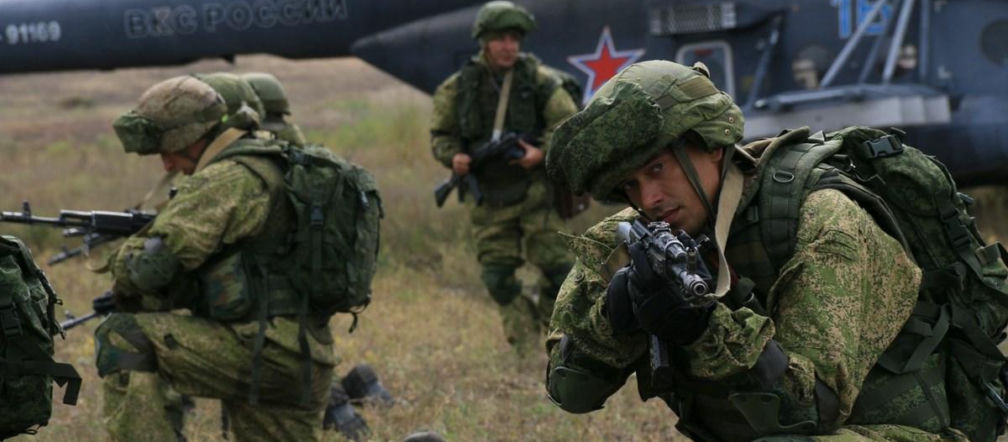
European security analysts and officials are assessing how to counter escalating Russian hybrid activity and aggressive rhetoric across Northern Europe. Following recent NATO exercises and the seizure of a Russian vessel, Kremlin officials accused Norway of posing a security threat. Concurrently, intelligence reports revealed heightened gray-zone operations, including drone incursions in Germany, planned sabotage against Danish defense suppliers, and subsea cable exercises near Svalbard.

Strategic experts differ on the appropriate response. Analyst Hans Petter Midttun warned via TV 2 Nyheter that Western restraint risks signaling "weakness and cowardice" to Moscow, thereby inviting further escalation. Conversely, commentators in Finansavisen urged European leaders to "keep a cool head" and concentrate on safeguarding critical infrastructure. Meanwhile, analysis from Dagens Næringsliv notes that Western policy objectives in Ukraine fundamentally imply an eventual Russian defeat, even as Moscow retains the capacity to sustain prolonged military operations.

Sources: Aftenposten, Berlingske, Dagens Næringsliv (DN), Finansavisen, TV 2 Nyheter

Read more
03
ContinuingAI-generated
German investigations link Russian intelligence to failed Leipzig airport drone attack

German investigations link Russian intelligence to failed Leipzig airport drone attack

German authorities have linked Russia's GRU intelligence agency to a failed explosive drone attack at Leipzig/Halle Airport amid broader concerns over foreign hybrid warfare.

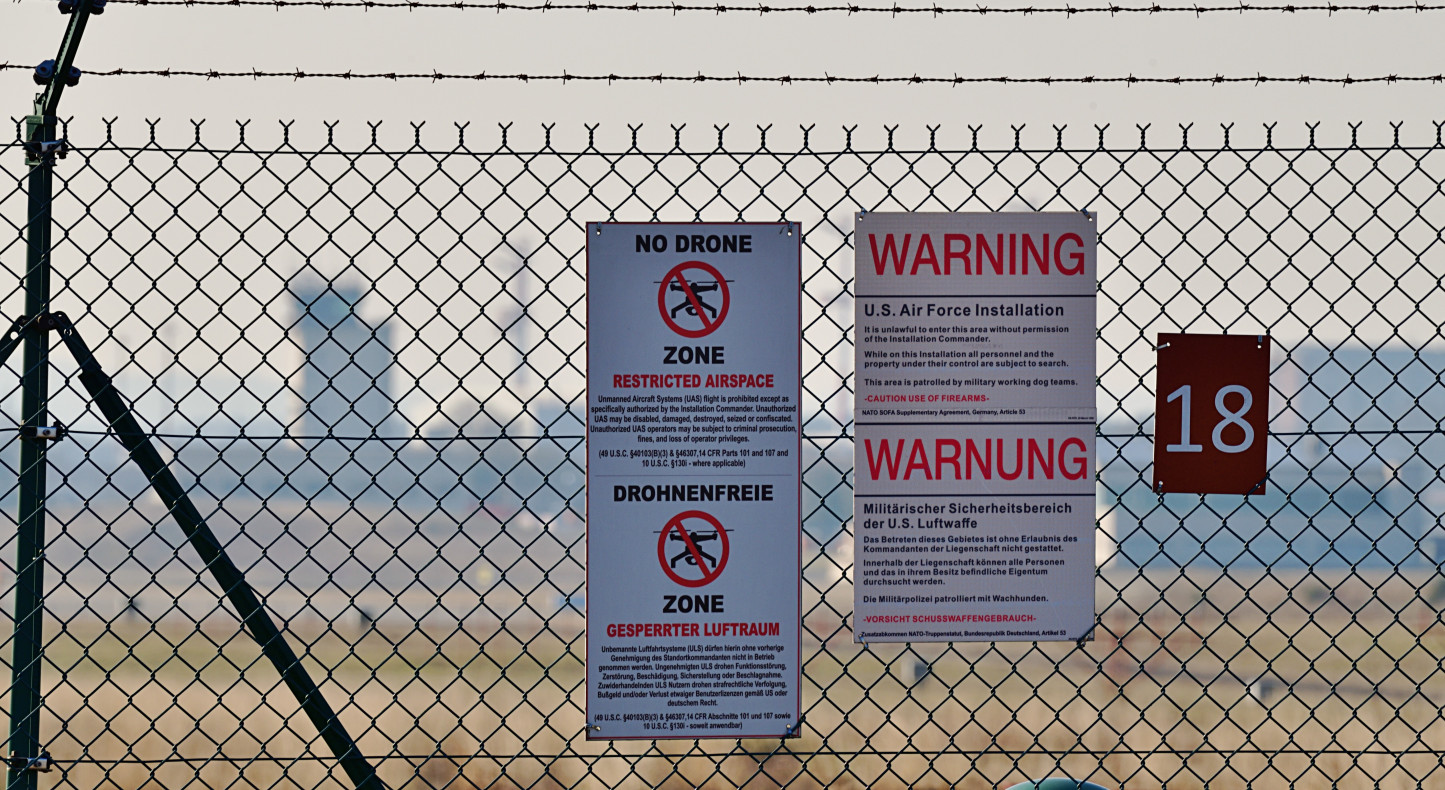
German law enforcement investigations into a failed explosive drone attack at Leipzig/Halle Airport in August have linked the operation directly to Russia's military intelligence service, the GRU. According to investigative documents cited by domestic media, a Russian national connected to the agency served as a key logistician for the attempt, which targeted Ukrainian cargo aircraft.

The incident highlights growing concerns over foreign hybrid warfare in Germany, where state authorities are investigating more than 100 cases of suspected foreign interference, including unauthorized drone flights over military sites and infrastructure sabotage. Domestic intelligence services have also warned that foreign operatives may have established covert weapons stockpiles on German soil to prepare for future destabilization efforts.

Sources: Correctiv, Der Standard, FAZ, ORF, Tagesschau

Read more
04
ContinuingAI-generated
Finnish president dismisses Russian NATO attack forecasts amid Baltic hybrid threat concerns

Finnish president dismisses Russian NATO attack forecasts amid Baltic hybrid threat concerns

Finnish President Alexander Stubb has questioned forecasts of a Russian attack on NATO by 2029, even as defense experts warn of growing hybrid threats in the Baltic region.

Finnish President Alexander Stubb has dismissed warnings that Russia could attack NATO territory by 2029, stating he sees "neither evidence nor facts" supporting such timelines. Speaking to German media, Stubb expressed confidence in collective deterrence, calling NATO "the most powerful military alliance in the world," while stressing that members must nevertheless remain prepared for all contingencies.

Despite Stubb's skepticism regarding a direct conventional assault, security officials across Northern and Eastern Europe report heightened non-conventional risks. Polish military expert Col. Maciej Korowaj warned that Russian intelligence is actively mapping NATO response protocols in the Baltic Sea region. Korowaj noted that these actions aim to update plans for potential autumn provocations rather than merely demonstrate force. In response, Nordic and Baltic nations are expanding joint readiness efforts and intelligence sharing to counter potential sabotage.

Sources: Defence24, Portal obronny, Rzeczpospolita, TVP info

Read more
05
ContinuingAI-generated
Italy faces fourth heatwave of the summer as health warnings cover 27 cities

Italy faces fourth heatwave of the summer as health warnings cover 27 cities

Italian health authorities have issued weather warnings across 27 major cities as the country experiences its fourth heatwave of the summer, with temperatures in Rome reaching 37 degrees Celsius.

Italy is experiencing its fourth major heatwave of the summer, with extreme temperatures prompting health warnings across 27 major cities. In Rome, temperatures reached approximately 37 degrees Celsius, leading visitors and local residents to seek shelter in shaded areas and utilize public fountains for relief. The Italian Ministry of Health urged the public to exercise caution, advising people to remain hydrated and avoid direct sun exposure during peak afternoon hours. Weather authorities noted that extreme heat conditions continue to affect parts of Southern Europe as the summer season progresses.

Sources: Berlingske, DR

Read more
Share
Nexus Europa — Sep 13, 2026, 06:30 PM UTC — Nexus Europa