Nexus Europa

Top news

Sep 13, 2026, 05:00 PM UTC

← Latest news

01
ContinuingAI-generated
Russian strikes hit Ukrainian cities as Kyiv targets Lukoil refinery

Russian strikes hit Ukrainian cities as Kyiv targets Lukoil refinery

Intensive Russian missile strikes targeted Ukrainian cities while Kyiv hit a major Russian oil refinery and advanced missile production agreements with European allies.

Ukrainian Independence Day marked a period of intensified military actions and international diplomacy. Russian overnight missile and drone strikes targeted Kyiv, Odesa, and Chernihiv, killing at least 13 people and injuring 40 others, according to Ukrainian President Volodymyr Zelensky. The assault followed a strike on a Kryvyi Rih shopping center that left 15 dead and over 130 wounded, drawing condemnation from European Union Foreign Affairs Chief Kaja Kallas. In response, Zelensky urged United Nations Secretary-General António Guterres to take action to end the war.

Concurrently, Ukrainian forces launched a strike against a major Lukoil oil refinery inside Russia, as Moscow indicated ongoing work regarding a potential prisoner exchange. Diplomatically, the United Kingdom and France granted permission for local production of Scalp cruise missiles within Ukraine. Meanwhile, Italy reaffirmed its decision not to send troops or join planned October multinational maneuvers.

Sources: ANSA, Corriere della Sera, La Repubblica.
Read more
02
ContinuingAI-generated
German investigations into foreign hybrid attacks link failed airport drone plot to Russian intelligence

German investigations into foreign hybrid attacks link failed airport drone plot to Russian intelligence

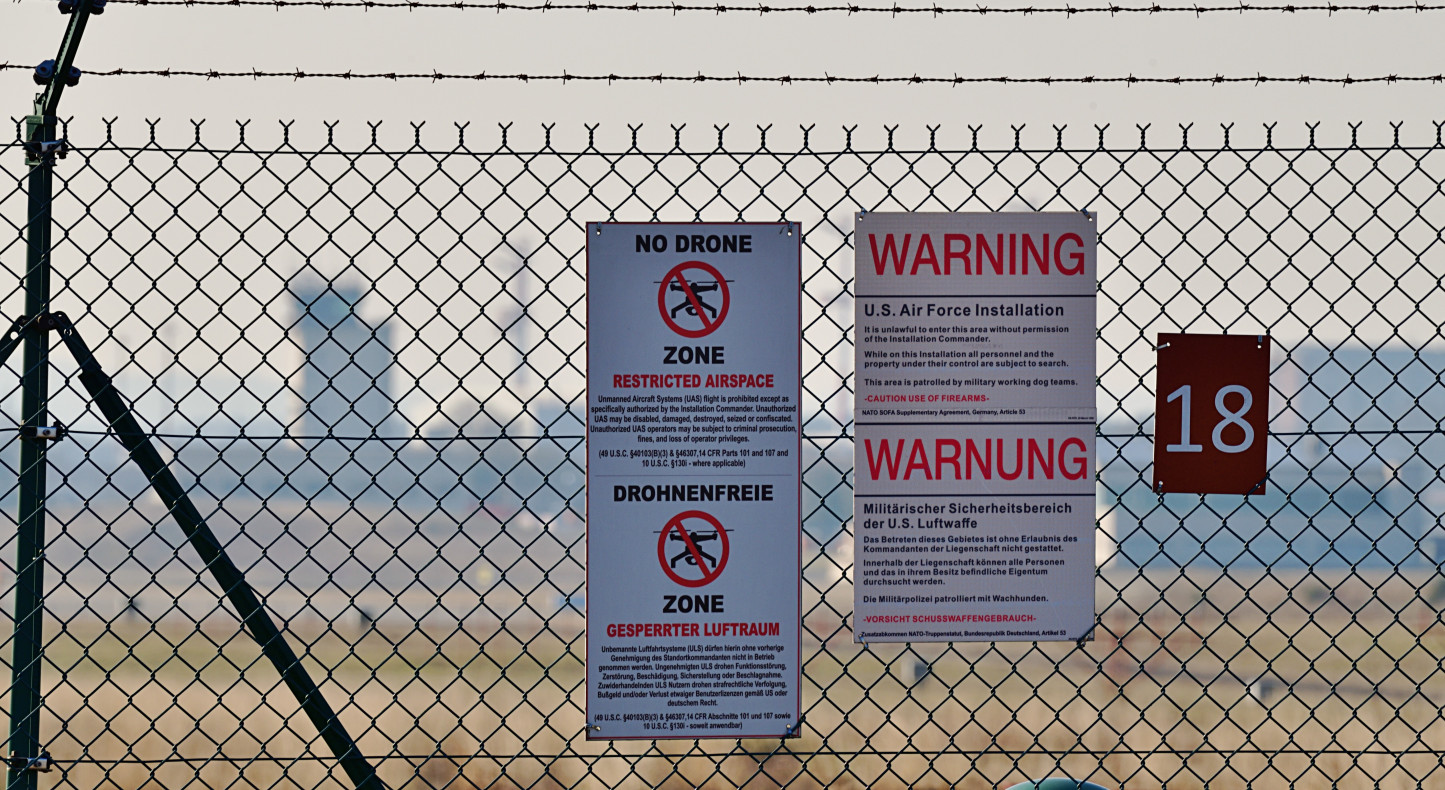
German authorities are investigating over 100 suspected foreign hybrid attacks, with leaks linking a failed Leipzig airport drone plot directly to Russian military intelligence.

German law enforcement agencies are investigating more than 100 incidents of suspected state-sponsored hybrid warfare, ranging from unauthorized drone flights over military installations to infrastructure sabotage and digital disinformation campaigns.

Recent investigative developments into a failed August attack at Leipzig/Halle Airport have linked the plot directly to Russia's military intelligence agency, the GRU. Investigative documents indicate a GRU operative organized logistics for an explosive-laden drone placed near Ukrainian cargo aircraft, which failed to detonate due to a faulty detonator.

Concurrently, domestic security agencies warned that foreign actors may have hidden covert weapons caches inside Germany to facilitate future sabotage operations. Officials emphasize that these combined physical and digital tactics aim to destabilize democratic institutions and deepen social divisions.

Sources: Correctiv, Der Standard, FAZ, ORF, Tagesschau

Read more
03
ContinuingAI-generated
Czech officials and EU update policies on Ukrainian protection, security, and labor oversight

Czech officials and EU update policies on Ukrainian protection, security, and labor oversight

Czech officials address diplomatic visits, military summit clearance, labor fraud, and updated EU protection rules for Ukrainians.

Czech Parliament Deputy Speaker Barbora Urbanová visited Kyiv to meet Ukrainian parliamentary leadership after a Czech parliamentary committee initially rejected her travel request. Meanwhile, Chief of General Staff Miroslav Hlaváč awaits authorization from the Ministry of Defence to attend an upcoming security summit with European and Ukrainian military leaders.

At the European level, updated regulations extend temporary protection for displaced Ukrainians until March 2028, while conditioning status eligibility on the fulfillment of military duties to their homeland.

Domestically, Czech lawmakers reviewed progress by "Kobra 26," a specialized task force targeting fraudulent employment agency networks, unpaid insurance, and tax evasion involving Ukrainian labor that officials state costs the public treasury billions of Czech crowns.

Sources: Ekonomický deník, iROZHLAS, Respect, Seznam Zprávy.

Read more
04
ContinuingAI-generated
Czechia reports record child abuse cases amid wider childcare and education reforms

Czechia reports record child abuse cases amid wider childcare and education reforms

Czech social services recorded a 20-year high in child abuse cases as the government implements major early childhood care investments and tighter school enrollment rules.

Czech social services recorded over 10,000 cases of child abuse, neglect, or exploitation last year, a 20-year high that experts caution represents only "the tip of the iceberg." Authorities removed 3,616 children from their homes, an increase of 300 from the prior year. Experts attribute these interventions partly to a shortage of preventive support services and clear legal guidelines.

Simultaneously, the state is overhauling early childhood care and primary education. A seven-billion-crown investment from the National Recovery Plan established over 300 preschool groups for working parents, despite concerns over absent quality standards. Furthermore, the Ministry of Education is restricting primary school deferrals strictly to medical grounds starting next year, aiming to curb high rates where officials estimated "half of them were unnecessary."

Sources: Český rozhlas Plus, Deník N, Hospodářské noviny, iROZHLAS, Seznam Zprávy.

Read more
05
ContinuingAI-generated
Denmark tightens exam rules as European educators push back against AI

Denmark tightens exam rules as European educators push back against AI

European schools are tightening regulations on AI, with Denmark introducing oral defenses for written coursework to prevent cheating.

As a new school year begins, European educational authorities and teachers are increasing restrictions on artificial intelligence to safeguard academic integrity and child development.

In Denmark, upper secondary students must now orally defend certain written coursework and complete more assignments under direct supervision to prevent AI-assisted cheating. The measures aim to ensure students actively demonstrate their subject knowledge rather than relying on automated text generation.

In Germany, educators are increasingly shifting back to analog teaching methods, requiring students to put away digital devices during lessons. Meanwhile, digital safety experts and government advisors warn of psychological risks associated with friendly AI chatbots and criticize tech companies' proposals to use automated systems for youth protection.

Sources: Correctiv, Der Spiegel, Der Standard, FAZ, Tagesschau

Read more
Share
Nexus Europa — Sep 13, 2026, 05:00 PM UTC — Nexus Europa