Nexus Europa

Top news

Sep 12, 2026, 08:30 AM UTC

← Latest news

01
ContinuingAI-generated
Trump rules out talks with Iran as Middle East tensions persist

Trump rules out talks with Iran as Middle East tensions persist

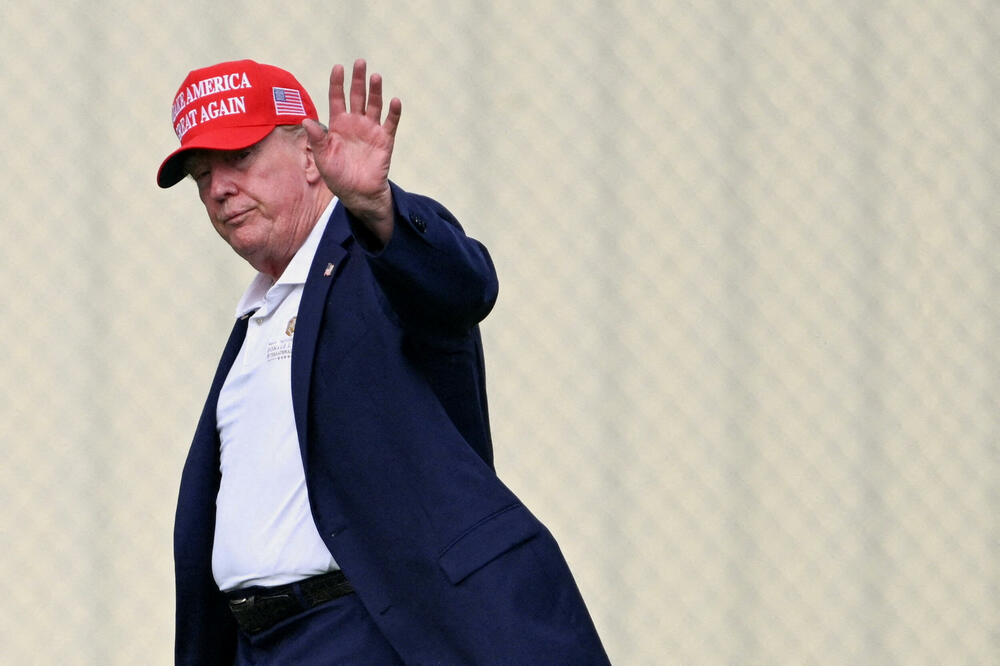
US President Donald Trump ruled out talks with Iran amid Strait of Hormuz tensions, while Israel rejected ceasefire troop withdrawals without the complete disarmament of Hamas.

United States President Donald Trump announced that no diplomatic negotiations are currently scheduled with Iran, threatening military action if Iranian or Omani forces disrupt operations in the Strait of Hormuz following an attack on a vessel in the waterway. Iranian officials responded by warning that their military will shift to an offensive posture should diplomatic avenues collapse.

Simultaneously, Middle East peace efforts remain stalled. Although Hamas stated its acceptance of the second phase of a US-sponsored ceasefire framework, Israeli authorities refused immediate troop withdrawals. Israeli leaders insisted that any military pullback is strictly contingent on the complete disarmament of Hamas.

Sources: Cafe del Montenegro
Read more
02
ContinuingAI-generated
Analysts evaluate global geopolitical shifts six months after Iran strikes

Analysts evaluate global geopolitical shifts six months after Iran strikes

Six months after strikes on Iran, analysts assess the trajectory of Middle East tensions and shifting international power dynamics.

Six months after American and Israeli airstrikes targeted Iranian infrastructure, global attention remains focused on the long-term ramifications for international security and energy trade. Analysts note that while Iran's conventional military capabilities have experienced substantial damage, the country maintains sufficient leverage to disrupt critical maritime corridors, particularly the Strait of Hormuz.

According to expert evaluations, the next phase of the confrontation will depend heavily on domestic political dynamics inside Iran, economic durability under international sanctions, regional proxy networks, and potential avenues for renewed diplomatic engagement. In addition, broader diplomatic assessments highlight how changing alignments between Washington, Beijing, Moscow, and Tehran are reshaping global hegemony. These geopolitical shifts interact directly with ongoing security challenges, including the war in Ukraine and regional disputes in the Balkans.

Sources: BalkanWeb, Gazeta Tema, Koha

Read more
03
ContinuingAI-generated
Kremlin intensifies domestic controls and foreign messaging ahead of elections

Kremlin intensifies domestic controls and foreign messaging ahead of elections

Russia faces late-summer political volatility as authorities tighten domestic opposition controls and maintain regional focus on Serbian elections.

As Russia approaches its upcoming parliamentary elections, internal tensions and external strategic efforts continue to shape the political environment. Observers point to the late-summer period, historically dubbed "Black August," as a time of heightened political sensitivity in Moscow.

Domestically, the government has further curtailed political opposition through legislative bans and lengthy sentences for critical figures, including prominent members of the Yabloko party. Unofficial reports and intelligence assessments indicate persistent public anxiety regarding potential troop mobilizations following military losses in Ukraine, driving some citizens to sell assets in anticipation of leaving the country.

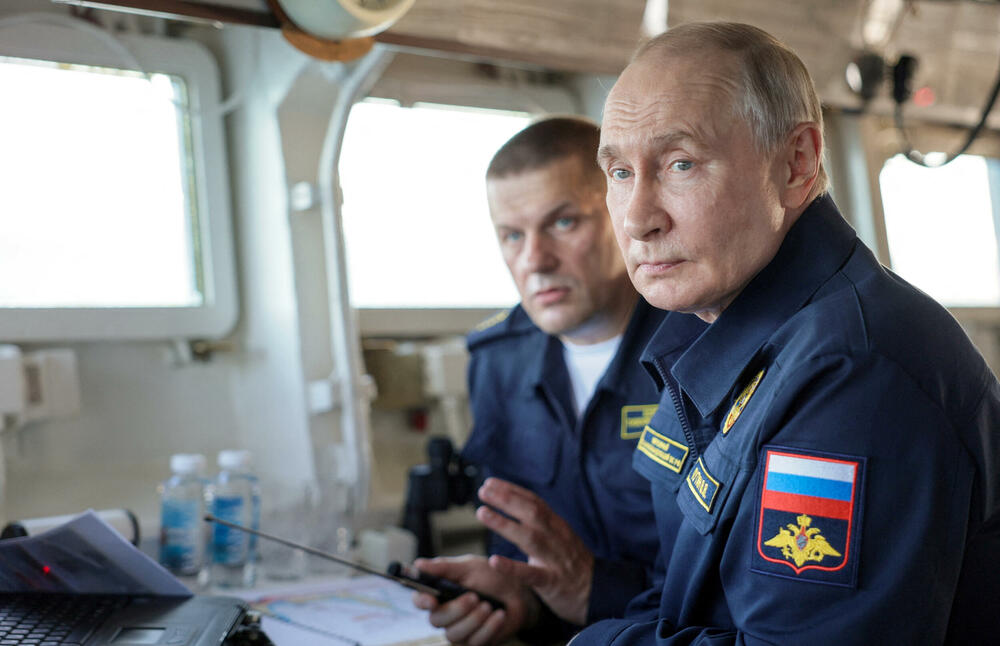
Simultaneously, questions regarding long-term leadership succession persist around President Vladimir Putin, given the absence of a clear institutional transition plan. Externally, Moscow remains active in the Balkans, repeatedly issuing warnings about alleged Western-led "color revolutions" aiming to influence upcoming parliamentary elections in Serbia.

Sources: Avaz, Danas, Klix, N1, Vijesti

Read more
04
ContinuingAI-generated
Trump faces mounting political and economic pressure in second term

Trump faces mounting political and economic pressure in second term

Recent polling and media analyses highlight rising domestic economic discontent and foreign policy challenges facing US President Donald Trump during his second term.

Media commentary and recent polling indicate increasing political headwinds for US President Donald Trump midway through his second term.

A Financial Times survey conducted by Focaldata found a majority of registered US voters feel financially worse off under the current administration, raising concerns over domestic economic sentiment ahead of upcoming elections. Simultaneously, foreign policy decisions are drawing scrutiny, including a State Department plan to close five diplomatic missions across Asia, Africa, North America, and the Caribbean as part of cost-reduction measures. Critics warn that these closures could allow competing global powers, particularly China, to expand their diplomatic footprint.

Media analyses suggest that a combination of economic dissatisfaction, international friction, and strategic retrenchment is curtailing Washington's diplomatic reach and challenging the administration's political standing.

Sources: CDM, Danas, Klix, N1, Vijesti

Read more
05
ContinuingAI-generated
Strait of Hormuz remains closed as US oil escorts trigger Iranian retaliation

Strait of Hormuz remains closed as US oil escorts trigger Iranian retaliation

The Strait of Hormuz remains closed following the largest U.S. crude oil escort mission of the conflict, prompting Iran to deploy rocket-launched naval mines and issue strict conditions.

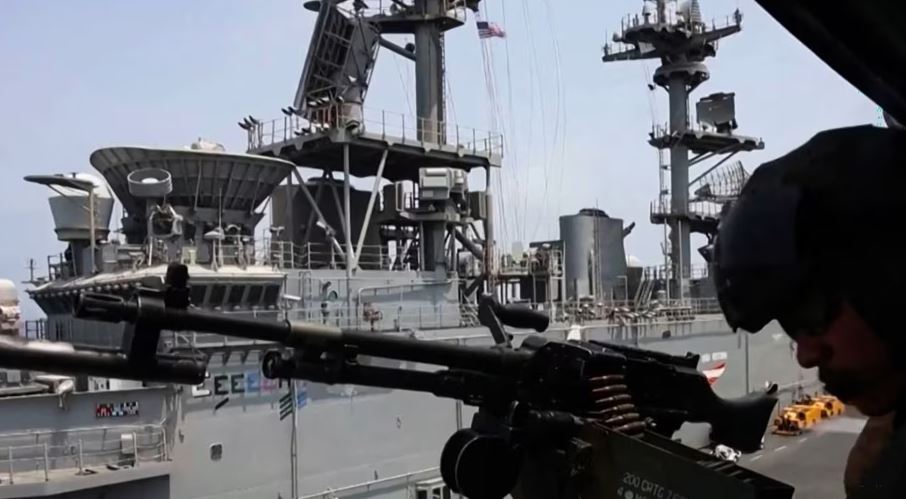
Military operations around the Strait of Hormuz have intensified following a major U.S. operation to escort millions of barrels of crude oil through the strategic waterway. Supported by air, naval, and space assets, American forces conducted their largest escort mission since the conflict began six months ago while targeting Iranian military assets on Larak Island.

Iran responded by deploying rocket-launched naval mines into the passage. Tehran declared that the strait will remain closed until Washington meets its demands, which include lifting energy sanctions, unfreezing Iranian assets, removing port blockades, and ending military operations. With daily oil transit sharply reduced from pre-conflict levels of 20 million barrels, military analysts caution that both sides face closing operational windows, elevating risks of wider escalation.

Sources: Expresso, Expresso das Ilhas, RTP (Rádio e Televisão de Portugal)

Read more
Share
Nexus Europa — Sep 12, 2026, 08:30 AM UTC — Nexus Europa