
Russia prepares infrastructure for potential post-election mobilization

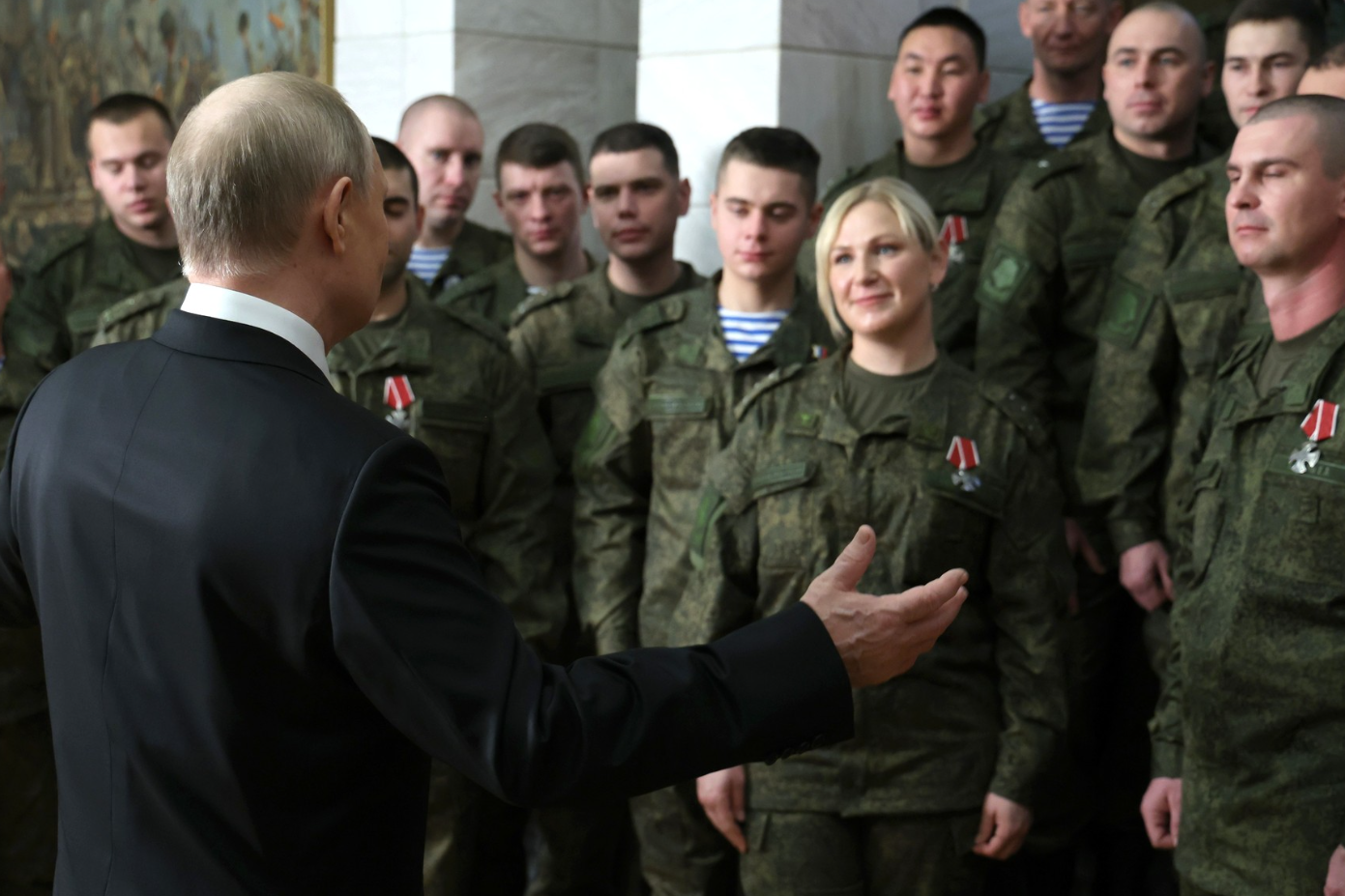
Russian military authorities are preparing logistical infrastructure for a potential post-election mobilization wave as manpower deficits grow.
Russian military authorities are expanding logistical and infrastructure preparations for a potential new mobilization wave following September's State Duma elections. Recent exercises across several regions, including Kaliningrad, tested recruit accommodation, supply chains, and equipment distribution. Although no formal decree has been signed, Western officials and analysts note that high casualty rates, manpower deficits, and the mounting financial costs of voluntary contract recruitment are placing significant pressure on the Kremlin.
Preparations are further backed by a centralized electronic military registry and updated workplace reservation rules. Western intelligence and media reports suggest that intense combat could persist through 2027, particularly as Russian forces target fortified Ukrainian positions in Sloviansk and Kramatorsk. However, observers expect Moscow to delay any official announcement until after the parliamentary vote concludes.
Sources: Belsat, NEXTA, The Insider
How outlets assessed this
- Point Alarmed Highlights defense sector warnings that ditching US tech will cause severe cybersecurity risks and NATO integration problems.
- The Insider Neutral Frames the import substitution drive as a necessary response to shifting US trade policy and geopolitical uncertainty.
- Point Cautious Highlighted defense industry warnings that dropping US technology risks lowering capabilities and increasing cyber vulnerabilities.
- The Insider Neutral Framed EU import substitution as a strategic response to transatlantic trade tensions and shifting US commitments to NATO.
- NEXTA Alarmed Emphasized official findings that European military spending is progressing too slowly to deter potential aggression by 2030.
- Belsat Cautious Focused on the economic inefficiency of using multi-million euro missiles against low-cost drone threats on the eastern flank.
Sources
Earlier coverage
- Oct 20, 2026, 02:00 PM UTCRussia prepares infrastructure for possible new mobilization wave after elections
- Oct 20, 2026, 01:30 PM UTCRussia prepares infrastructure for potential post-election mobilization wave
- Oct 20, 2026, 02:30 AM UTCRussia expands post-election mobilization preparations amid rising manpower needs
- Oct 20, 2026, 01:00 AM UTCRussia prepares logistical framework for potential military mobilization wave
- Oct 19, 2026, 07:30 PM UTCRussia prepares infrastructure for potential new mobilization wave
- Oct 19, 2026, 07:00 PM UTCRussia tests mobilization readiness ahead of autumn elections, reports say
- Oct 19, 2026, 01:30 PM UTCRussia tests mobilization readiness as Western officials brace for extended war
- Oct 19, 2026, 07:00 AM UTCRussia tests readiness for potential mobilization wave, reports say
- Oct 19, 2026, 04:00 AM UTCEuropean Union defense autonomy push faces industry pushback and operational hurdles
- Oct 19, 2026, 12:00 AM UTCEU defense push faces industry warnings and readiness delays