
Russia tests readiness for potential mobilization wave, reports say

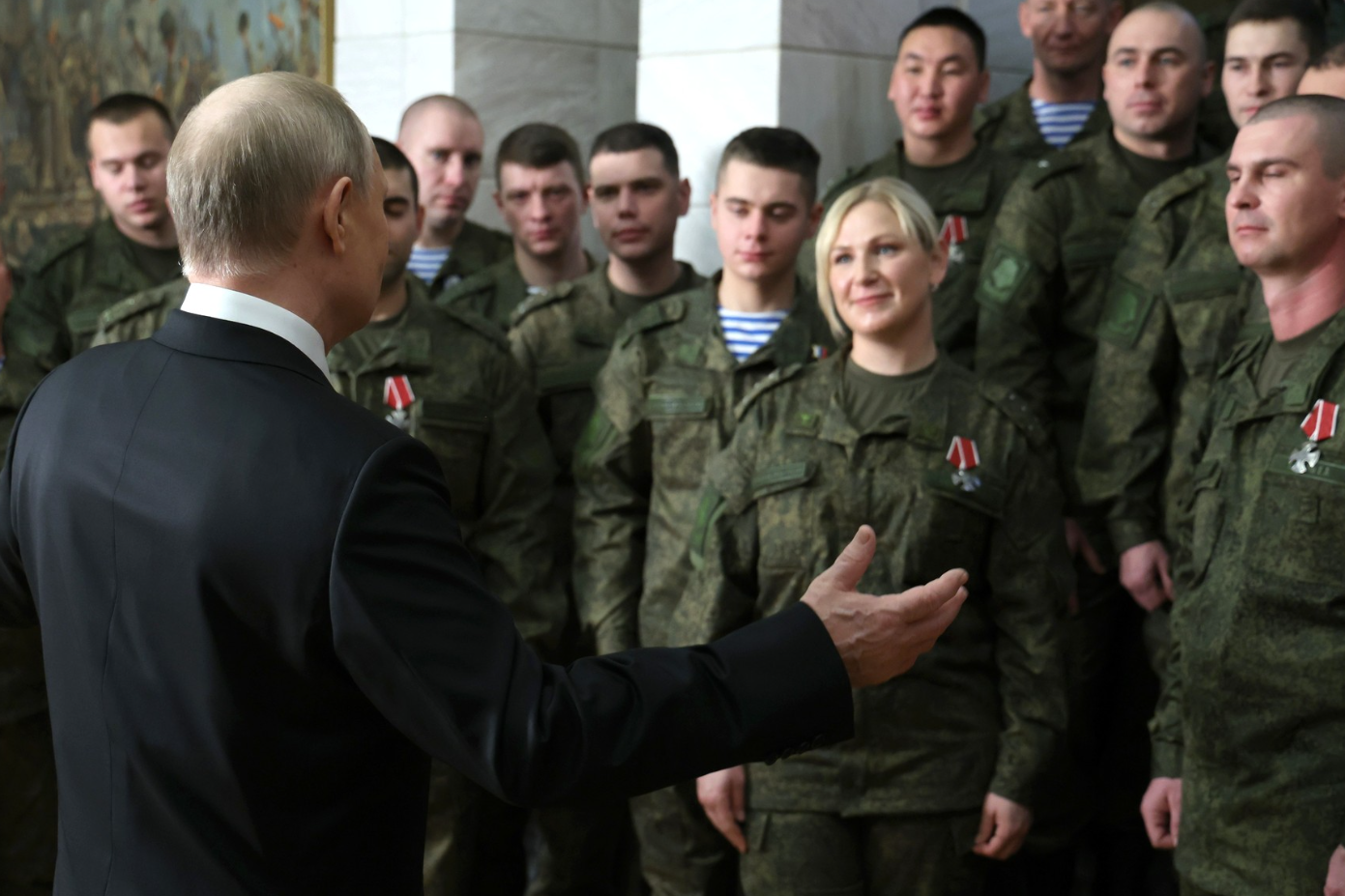
Media reports indicate Russian forces are testing mobilization infrastructure ahead of September elections, while Western analysts prepare for prolonged conflict.
Russian authorities are conducting military exercises to test readiness for a potential new wave of military mobilization, according to recent media reports.
Drills in several regions, including Kaliningrad Oblast, focused on housing, arming, and supplying recruits. Russian officials have also reinforced the administrative framework by establishing an electronic draft registry and reminding employers of military registration duties. While high casualties and manpower shortages pressure the Kremlin, observers indicate that any official mobilization decision will likely be deferred until after parliamentary elections in September.
Meanwhile, Western intelligence and military analysts expect combat in Ukraine to escalate in the coming months, with some planning for hostilities to persist through 2027. Heavy troop requirements for anticipated battles in eastern Ukraine continue to drive speculation regarding additional recruitment drives.
Sources: Belsat, NEXTA, The Insider
How outlets assessed this
- The Insider Supportive Frames EU defense import substitution as a necessary shift toward strategic independence following transatlantic political rifts.
- Point Alarmed Emphasizes defense industry warnings that dropping US technology risks weaker capabilities, cyber threats, and NATO friction.
- Point Alarmed Emphasized industry warnings that abandoning American technology risks creating inferior defense systems and disrupting NATO coordination.
- The Insider Cautious Framed European import substitution as a necessary response to shifting US policies, while highlighting complex structural hurdles.
- Point Cautious Emphasized industry warnings that abandoning US technology could compromise European cybersecurity and NATO coordination.
- NEXTA Alarmed Highlighted warnings that military spending remains too slow and inefficient to deter Russian aggression by 2030.
- The Insider Supportive Framed the move away from US tech as a necessary step driven by growing transatlantic trade and political rifts.
- Point Cautious Highlighted defense industry warnings that replacing US technology risks weaker cybersecurity and impaired NATO coordination.
- The Insider Supportive Framed the move away from US arms as a necessary transition toward strategic independence given transatlantic trade and political tensions.
- Point Skeptical Highlighted defense sector warnings that abandoning American tech risks lower operational capabilities, increased cyber threats, and NATO friction.
- Point Cautious Highlights defense industry warnings that abandoning US technology threatens cybersecurity, combat effectiveness, and NATO interoperability.
- The Insider Supportive Frames the push for military import substitution as an essential move toward strategic autonomy amid strained ties with Washington.
- Point Cautious Emphasized industry warnings that abandoning US defense tech could compromise combat readiness and NATO coordination.
- The Insider Supportive Framed the shift away from US hardware as a vital revolution necessary for European strategic independence.
- Point Alarmed Highlights defense sector warnings that ditching US tech will cause severe cybersecurity risks and NATO integration problems.
- The Insider Neutral Frames the import substitution drive as a necessary response to shifting US trade policy and geopolitical uncertainty.
- Point Cautious Highlighted defense industry warnings that dropping US technology risks lowering capabilities and increasing cyber vulnerabilities.
- The Insider Neutral Framed EU import substitution as a strategic response to transatlantic trade tensions and shifting US commitments to NATO.
- NEXTA Alarmed Emphasized official findings that European military spending is progressing too slowly to deter potential aggression by 2030.
- Belsat Cautious Focused on the economic inefficiency of using multi-million euro missiles against low-cost drone threats on the eastern flank.
Sources
Earlier coverage
- Oct 19, 2026, 01:30 PM UTCRussia tests mobilization readiness as Western officials brace for extended war
- Oct 19, 2026, 04:00 AM UTCEuropean Union defense autonomy push faces industry pushback and operational hurdles
- Oct 19, 2026, 12:00 AM UTCEU defense push faces industry warnings and readiness delays
- Oct 18, 2026, 10:00 PM UTCEU rearmament efforts face industry pushback and strategic delays
- Oct 18, 2026, 04:30 PM UTCEU rearmament push faces defense industry warnings and operational hurdles
- Oct 18, 2026, 03:00 AM UTCEuropean Union defense push faces industry resistance and rearming delays
- Oct 18, 2026, 12:00 AM UTCEU defense autonomy efforts face industry skepticism and rearmament delays
- Oct 17, 2026, 04:30 PM UTCEU defense autonomy push faces industry warnings and rearmament delays
- Oct 17, 2026, 09:00 AM UTCEuropean defense autonomy efforts face industry alarm and cost bottlenecks
- Oct 16, 2026, 01:00 AM UTCEuropean defense autonomy efforts encounter industry pushback and strategic hurdles