
German and Danish authorities step up warnings over Russian hybrid attacks

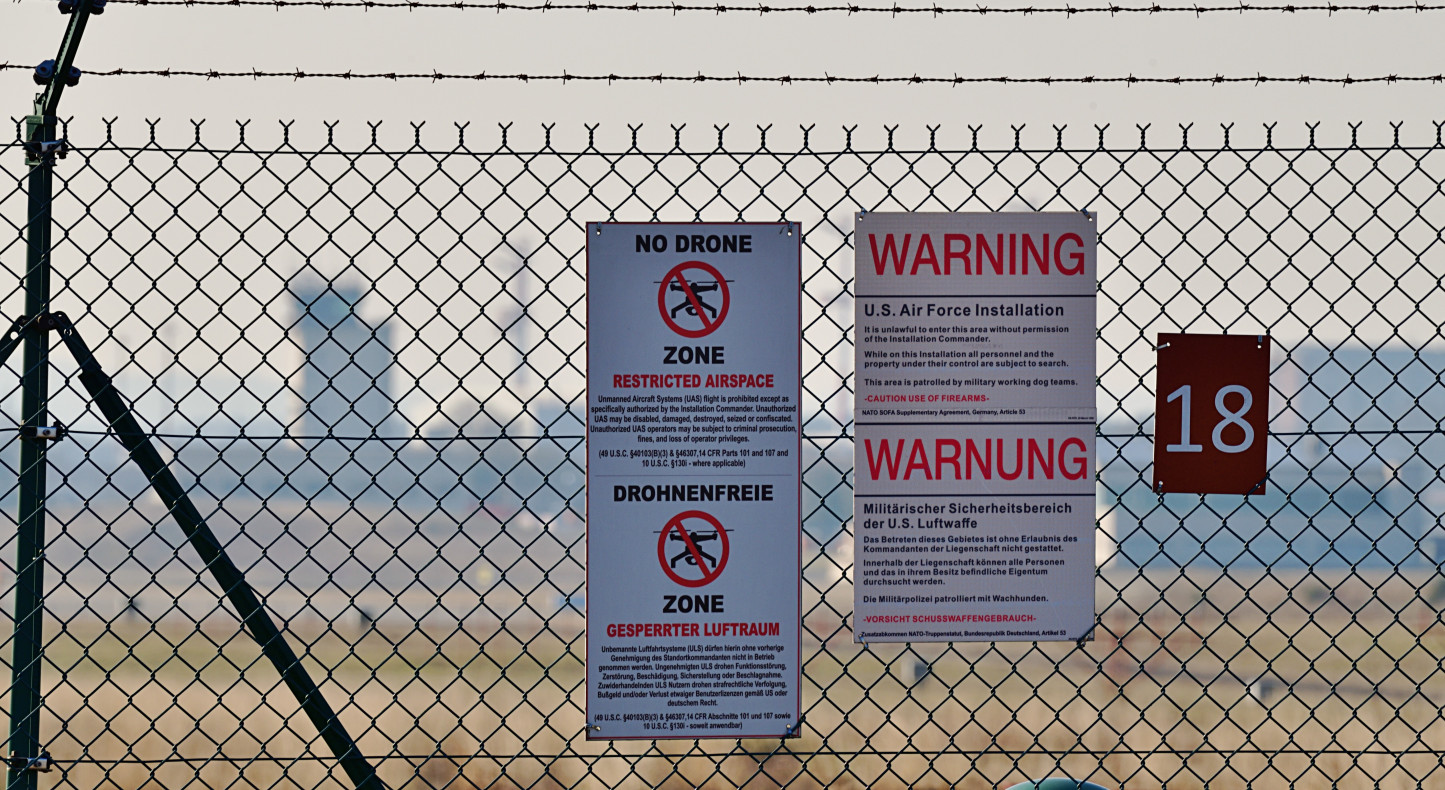
German and Danish intelligence agencies warn of expanding Russian hybrid threats, including drone incidents and covert weapon caches.
German and Danish security agencies are raising alarms over an increase in foreign hybrid warfare tactics attributed to Russia. German authorities are investigating more than 100 cases of suspicious drone overflights and sabotage acts, while domestic intelligence suspects covert networks may have hidden weapon caches across Germany. Berlin is also reportedly preparing to formally accuse Moscow of an August attempt to detonate an explosive drone targeting Ukrainian aircraft at Leipzig Airport, with official countermeasures expected. Meanwhile, Denmark's security service PET publicly warned that Russian actors are actively planning sabotage operations and attempting to recruit local operatives within the country to destabilize democratic institutions.
Sources: Correctiv, Der Standard, FAZ, ORF, Tagesschau
How outlets assessed this
- Der Standard Supportive Framed the new sanctions as a vital act of European solidarity with Kyiv following diplomatic strains with Washington.
- Correctiv Critical Emphasized internal political disputes and warned that Russian oligarchs stood to benefit from diplomatic concessions.
- Tagesschau Cautious Focused on procedural delays and member-state disagreements that temporarily blocked the extension of existing sanctions.
- Correctiv Critical Emphasized how internal EU negotiations ultimately allowed two Russian businessmen to benefit by escaping sanctions.
- Der Standard Supportive Framed the adoption of record sanctions as vital European assistance for Kyiv amid broader geopolitical uncertainties.
- Der Standard Supportive Framed the new sanctions as vital European backing for Ukraine following diplomatic friction between Kyiv and Washington.
- Correctiv Critical Emphasized the risk that internal EU disputes and procedural deadlines would result in high-profile Russian oligarchs benefiting from delistings.
- Correctiv Critical Focused on internal political bargaining, warning that political wrangling risked benefiting prominent Russian oligarchs.
- Der Standard Supportive Framed the new record sanctions package as crucial European backing for Kyiv following diplomatic rift with Washington.
- Der Standard Supportive Framed the EU's action as a vital demonstration of European solidarity with Kyiv following political shifts in Washington.
- Tagesschau Cautious Emphasized the internal diplomatic blockage caused by member states seeking exemptions for specific oligarchs.
- FAZ Neutral Focused on the hard-fought compromise that enabled the broader sanctions renewal by sparing two business leaders.
- Der Standard Supportive Framed the sanctions decision as vital European solidarity and assistance for Ukraine amidst geopolitical friction with Washington.
- Tagesschau Cautious Emphasized the initial diplomatic deadlock and political disputes among member states over oligarch exemptions.
- Der Standard Supportive Framed the broader sanctions package as a strong European gesture of assistance to Ukraine amidst shifting international dynamics.
- FAZ Neutral Focused analytically on the tough diplomatic bargaining required to drop specific oligarchs and preserve EU unanimity.
- Der Standard Supportive Framed the broader sanctions package as a vital record effort by Europe to stand with Kyiv following political shifts in Washington.
- Tagesschau Cautious Emphasized the internal diplomatic friction and initial blocking of the extension due to member states' demands for oligarch exemptions.
Sources
- Correctiv — Drohnen-Überflüge und Sabotage: In mehr als 100 Fällen verdächtigen Behörden einen fremden Staat als Drahtzieher
- FAZ — Fakevideos und Sabotage: Was Russland mit seinen hybriden Angriffen bezweckt
- Der Standard — Deutschlands Verfassungsschutz geht davon aus, dass Moskau Waffen für Anschläge versteckt hat
- ORF — Berlin sieht offenbar Moskau hinter Drohnen in Leipzig
- Tagesschau — Dänischer Nachrichtendienst warnt vor russischen Sabotageakten
Earlier coverage
- Oct 25, 2026, 12:00 PM UTCEU extends Russia sanctions after removing two oligarchs from list
- Oct 25, 2026, 01:30 AM UTCEU renews sanctions on Russia after agreeing to delist two oligarchs
- Oct 25, 2026, 01:00 AM UTCEU renews Russia sanctions after agreement to drop two oligarchs
- Oct 24, 2026, 08:00 PM UTCEU extends Russian sanctions following compromise on oligarch exemptions
- Oct 24, 2026, 07:00 PM UTCEU extends Russia sanctions after compromise on removing two oligarchs
- Oct 24, 2026, 05:30 PM UTCEU member states agree to extend Russia sanctions after compromise on oligarchs
- Oct 24, 2026, 03:30 PM UTCEU member states extend Russia sanctions after compromise on delistings
- Oct 24, 2026, 01:00 PM UTCEU renews Russia sanctions after compromise on oligarchs
- Oct 24, 2026, 07:30 AM UTCEU extends Russia sanctions after compromise on delisting oligarchs
- Oct 23, 2026, 11:30 PM UTCEU extends Russia sanctions after removing two oligarchs from list