
EU extends Russia sanctions after agreeing to delist two oligarchs

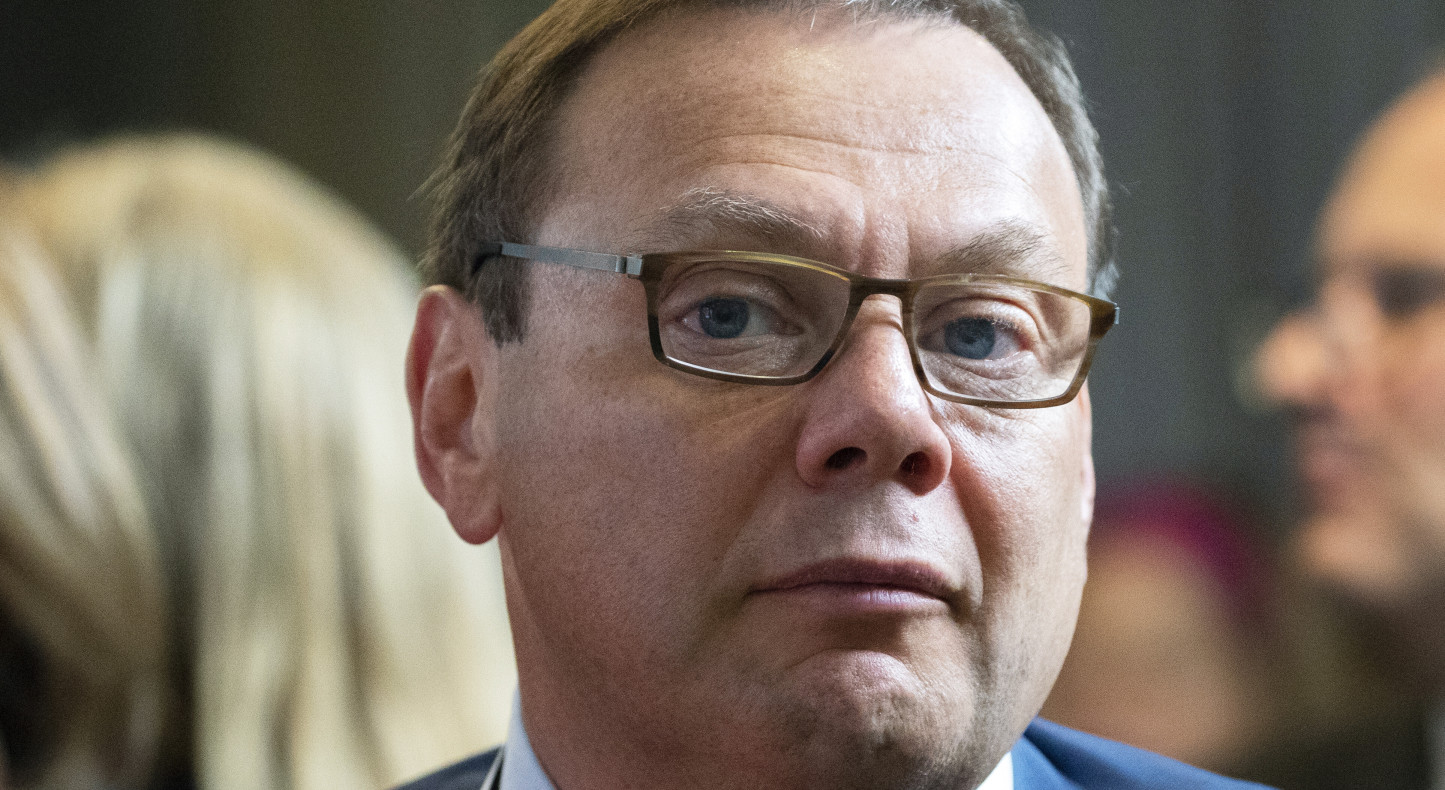
EU member states extended sanctions against roughly 3,000 Russian targets and passed a major new package after agreeing to remove two oligarchs.
European Union member states have resolved a diplomatic standoff, agreeing to extend sanctions against approximately 3,000 Russian individuals and entities linked to the invasion of Ukraine. The decision followed intense negotiations after countries including France, Slovakia, and Luxembourg sought the removal of specific figures from the sanctions list. To prevent existing penalties from expiring, diplomats agreed to delist steel magnate Alisher Usmanov and financier Mikhail Fridman.
Concurrently, EU foreign ministers meeting in Luxembourg approved the bloc's largest sanctions package against Russia to date. The expanded measures target Moscow's military-industrial complex, energy sector, and financial channels as European capitals seek to maintain robust support for Kyiv.
Sources: Correctiv, Der Standard, FAZ, ORF, Tagesschau.
How outlets assessed this
- Der Standard Supportive Framed the new sanctions as a vital act of European solidarity with Kyiv following diplomatic strains with Washington.
- Correctiv Critical Emphasized internal political disputes and warned that Russian oligarchs stood to benefit from diplomatic concessions.
- Tagesschau Cautious Focused on procedural delays and member-state disagreements that temporarily blocked the extension of existing sanctions.
- Correctiv Critical Emphasized how internal EU negotiations ultimately allowed two Russian businessmen to benefit by escaping sanctions.
- Der Standard Supportive Framed the adoption of record sanctions as vital European assistance for Kyiv amid broader geopolitical uncertainties.
- Der Standard Supportive Framed the new sanctions as vital European backing for Ukraine following diplomatic friction between Kyiv and Washington.
- Correctiv Critical Emphasized the risk that internal EU disputes and procedural deadlines would result in high-profile Russian oligarchs benefiting from delistings.
- Correctiv Critical Focused on internal political bargaining, warning that political wrangling risked benefiting prominent Russian oligarchs.
- Der Standard Supportive Framed the new record sanctions package as crucial European backing for Kyiv following diplomatic rift with Washington.
- Der Standard Supportive Framed the EU's action as a vital demonstration of European solidarity with Kyiv following political shifts in Washington.
- Tagesschau Cautious Emphasized the internal diplomatic blockage caused by member states seeking exemptions for specific oligarchs.
- FAZ Neutral Focused on the hard-fought compromise that enabled the broader sanctions renewal by sparing two business leaders.
- Der Standard Supportive Framed the sanctions decision as vital European solidarity and assistance for Ukraine amidst geopolitical friction with Washington.
- Tagesschau Cautious Emphasized the initial diplomatic deadlock and political disputes among member states over oligarch exemptions.
- Der Standard Supportive Framed the broader sanctions package as a strong European gesture of assistance to Ukraine amidst shifting international dynamics.
- FAZ Neutral Focused analytically on the tough diplomatic bargaining required to drop specific oligarchs and preserve EU unanimity.
- Der Standard Supportive Framed the broader sanctions package as a vital record effort by Europe to stand with Kyiv following political shifts in Washington.
- Tagesschau Cautious Emphasized the internal diplomatic friction and initial blocking of the extension due to member states' demands for oligarch exemptions.
Sources
- ORF — Frist für Verlängerung von Russland-Sanktionen verschoben
- Tagesschau — Verlängerung von EU-Sanktionen gegen Russland vorerst blockiert
- FAZ — Einigung in Brüssel: EU-Staaten streichen zwei Oligarchen von Sanktionsliste
- Correctiv — Kampf um die EU‑Sanktionen: Zwei russische Oligarchen könnten die Nutznießer sein
- Der Standard — Europa springt Kyjiw mit neuem Rekord-Sanktionspaket gegen Russland zur Seite
Earlier coverage
- Oct 25, 2026, 12:00 PM UTCEU extends Russia sanctions after removing two oligarchs from list
- Oct 25, 2026, 01:30 AM UTCEU renews sanctions on Russia after agreeing to delist two oligarchs
- Oct 25, 2026, 01:00 AM UTCEU renews Russia sanctions after agreement to drop two oligarchs
- Oct 24, 2026, 08:00 PM UTCEU extends Russian sanctions following compromise on oligarch exemptions
- Oct 24, 2026, 07:00 PM UTCEU extends Russia sanctions after compromise on removing two oligarchs
- Oct 24, 2026, 05:30 PM UTCEU member states agree to extend Russia sanctions after compromise on oligarchs
- Oct 24, 2026, 03:30 PM UTCEU member states extend Russia sanctions after compromise on delistings
- Oct 24, 2026, 01:00 PM UTCEU renews Russia sanctions after compromise on oligarchs
- Oct 24, 2026, 07:30 AM UTCEU extends Russia sanctions after compromise on delisting oligarchs
- Oct 23, 2026, 11:30 PM UTCEU extends Russia sanctions after removing two oligarchs from list