

European Affairs Journalist
Elise Aranda
- Based in:
- Brussels, Belgium
- Languages:
- English, Spanish, French
Follow
Articles
 Russian Influence
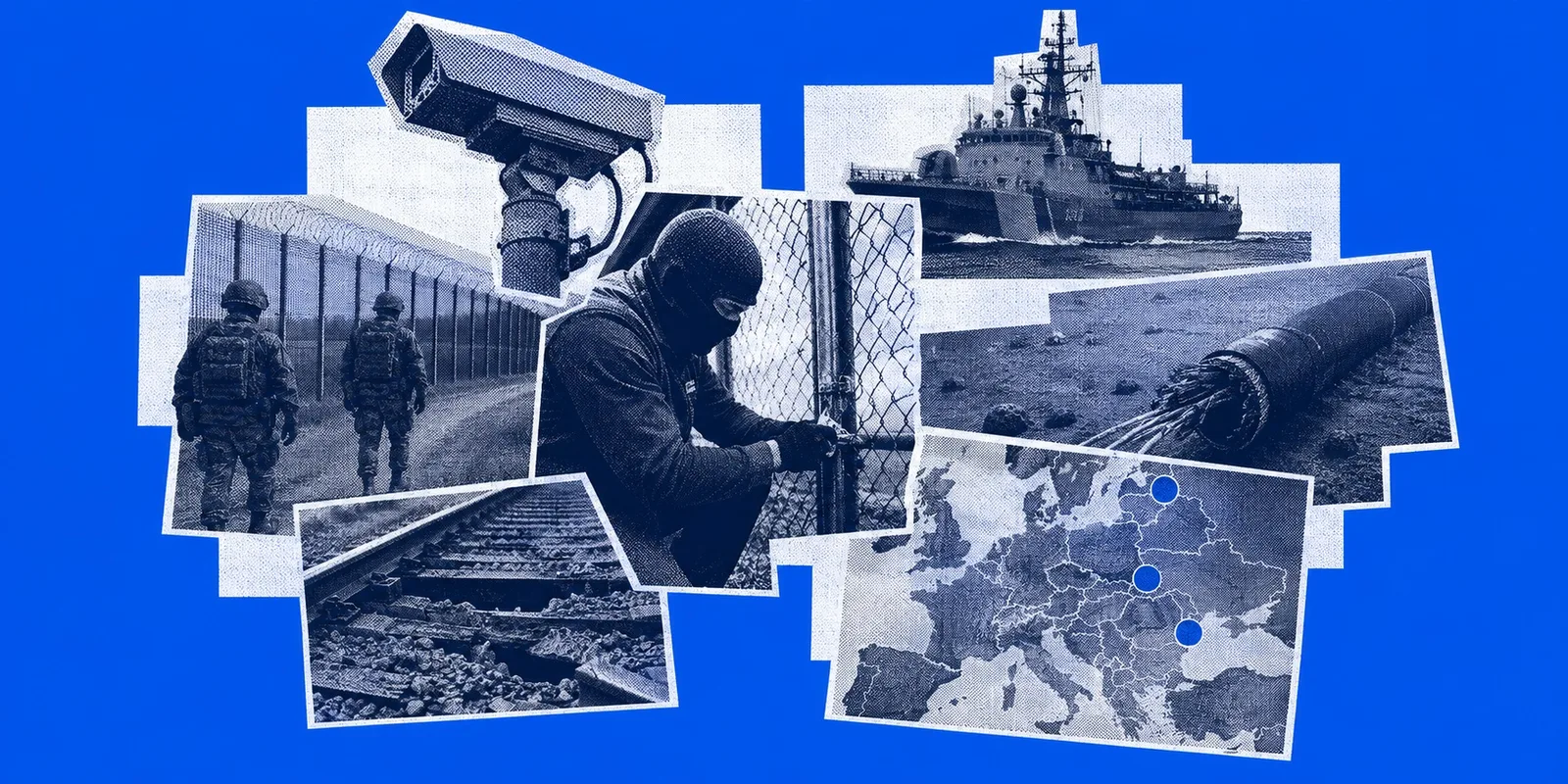
Sabotage at the Border Signals a New Phase of Europe's Security Crisis
The arrest of two Russian intelligence operatives carrying an operational explosive device on the Serbian-Hungarian border has exposed far more than a failed sabotage mission. According to intelligence shared among European partners and German security authorities, the suspects were preparing an attack on a German weapons manufacturing facility producing military equipment for Ukraine. German Interior Minister Alexander Dobrindt later confirmed that several planned explosive attacks against German infrastructure had been disrupted before they could be carried out.
July 8, 2026
 Economy & Energy
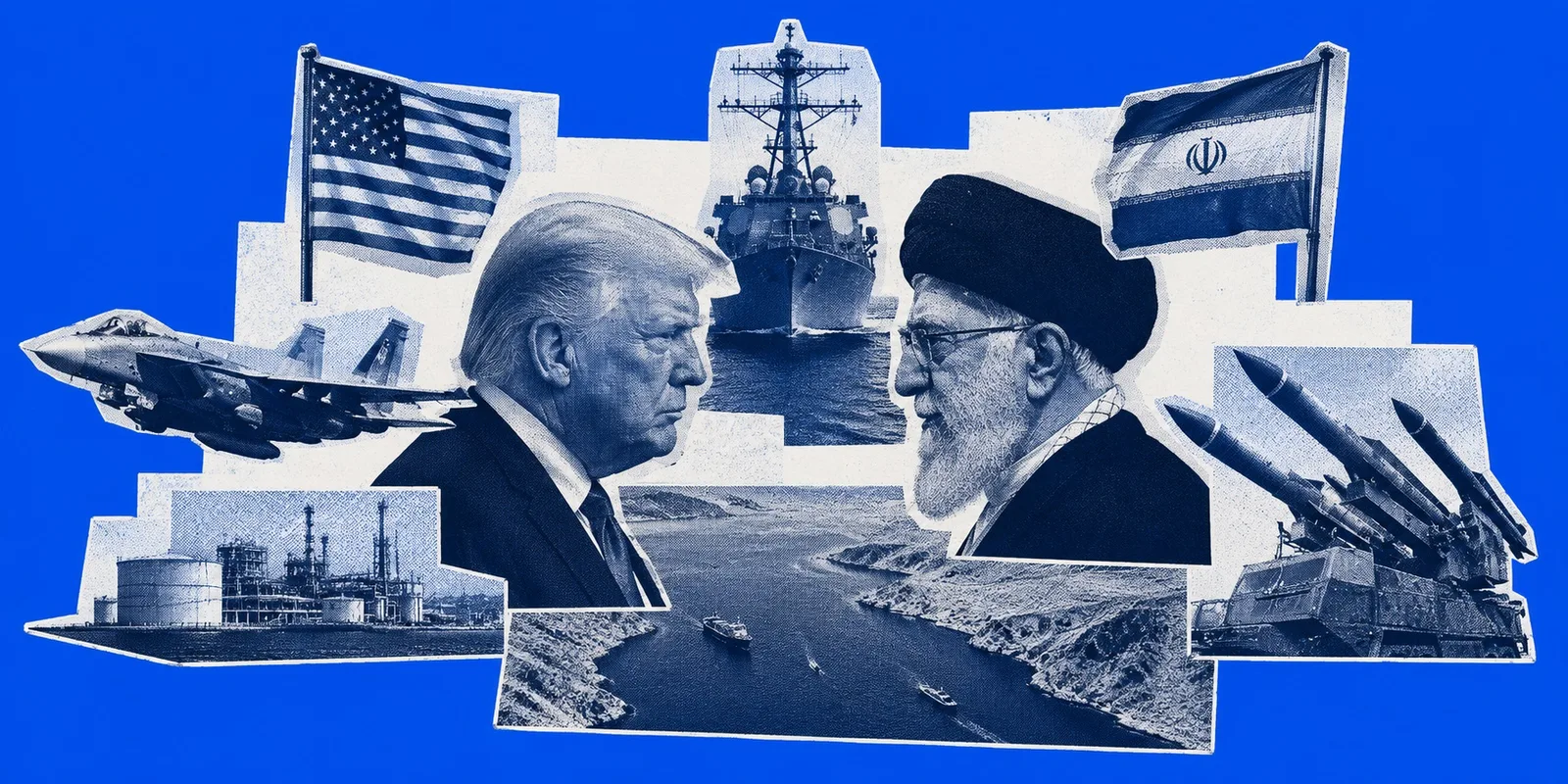
Beyond Bargaining: How the Battle for the Strait of Hormuz Killed U.S. - Iran Diplomacy
The brief experiment in diplomacy between Washington and Tehran ended not at the negotiating table, but in the volatile shipping lanes of the Strait of Hormuz. Following targeted attacks on commercial vessels, the fragile ceasefire framework that paired sanctions relief with limited political engagement has collapsed with remarkable speed. The devastating US military strikes on Iran that followed were not simply tactical retaliation; they marked a definitive structural shift. By hitting over 80 targets, including IRGC naval assets and critical energy infrastructure on Kharg Island, the United States has signaled that the dispute has moved beyond diplomatic bargaining and into an absolute military contest over who governs one of the world's most strategic maritime chokepoints.
July 8, 2026
 Russian Influence
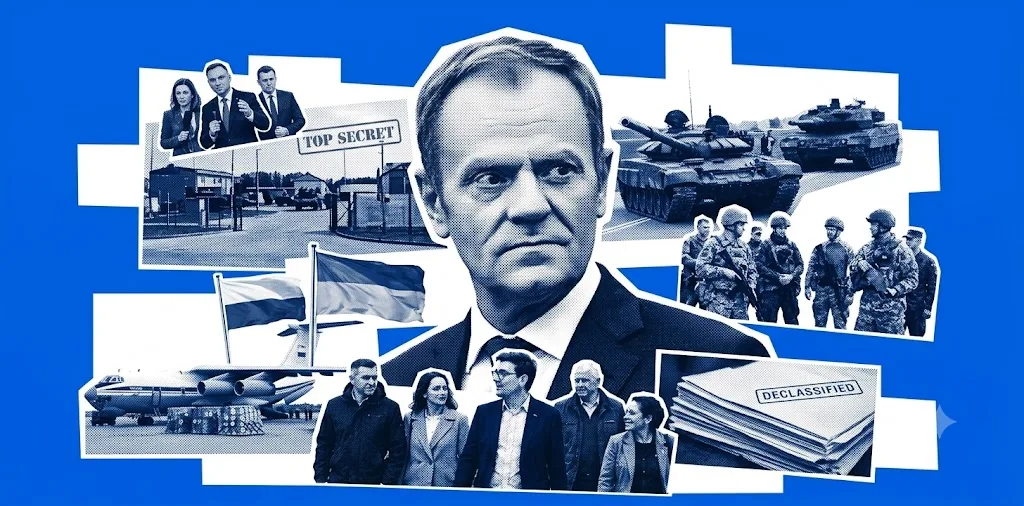
The Price of Secrecy: Why Poland is Weaponizing Transparency Over Ukraine Aid
Poland’s decision to declassify its total military aid to Ukraine has transformed a domestic political scandal into a broader debate on wartime secrecy. As Warsaw reacts to opposition claims over Patriot missile transfers, the dispute is no longer about the volume of weapons given. It has become a fight over who controls the strategic narrative and whether classification itself has become politically unsustainable for frontline NATO states.
July 7, 2026
 Defence & Industry
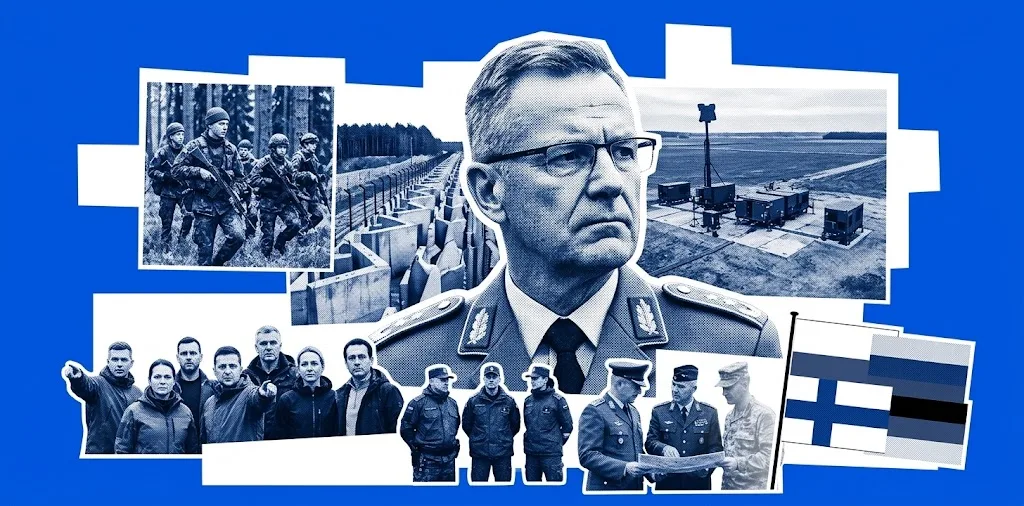
The 14-Day Vacuum: How NATO’s Eastern Flank is Preparing for a Fractured Alliance
As Donald Trump prepares to draw down US troops from Germany ahead of the pivotal Ankara summit, NATO’s eastern flank is quietly abandoning the doctrine of immediate allied rescue. Facing intelligence warnings of imminent Russian hybrid attacks and classified war games exposing a potential two-week military response vacuum without Washington's leadership, frontline states from Finland to Poland are shifting to an aggressive strategy of independent territorial denial. This is no longer a debate about European strategic autonomy; it is a rapid, unilateral militarization to survive the first shock of a conflict alone.
July 7, 2026
 Eastern Frontier
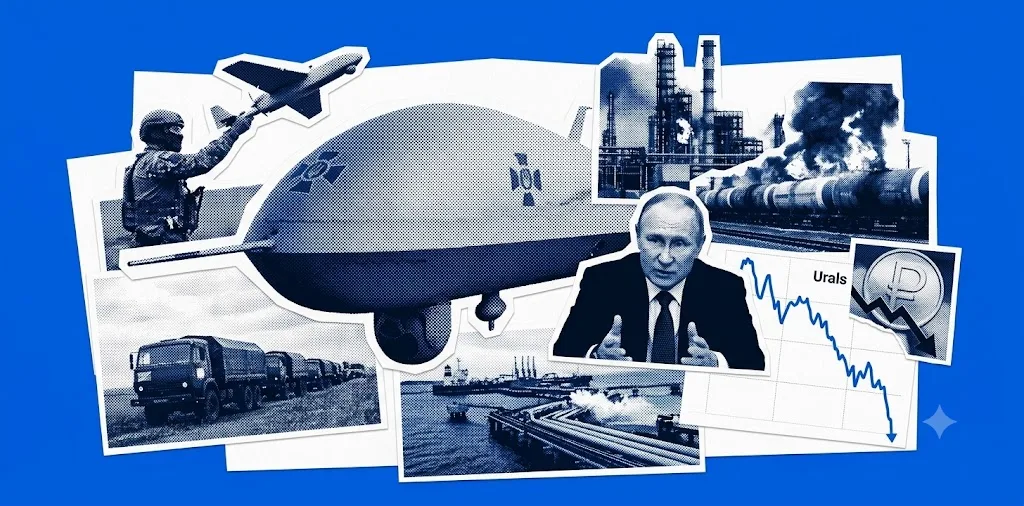
The Chokehold Strategy: How Ukraine’s Drone Campaign and Falling Oil Prices Menace Russia’s War Economy
Wars are often judged by the territory armies gain or lose. Yet some of the most consequential battles unfold far from the front line, where fuel is refined, budgets are balanced, and supply chains quietly determine how long a conflict can continue. Ukraine's latest long-range drone campaign, combined with a sharp collapse in global Urals crude prices, points directly at that hidden architecture — shifting the conflict from a war of attrition on the battlefield to a systemic assault on the financial and logistical machinery sustaining the Kremlin.
July 7, 2026
 Society
From Birth Rates to Labor Supply: Why Europe is Redesigning Parental Leave
Europe’s demographic debate has entered a different phase. Governments are no longer asking how much they should pay families to have children. They are asking how welfare systems can keep enough people in work while populations continue to age.
July 7, 2026
 Power
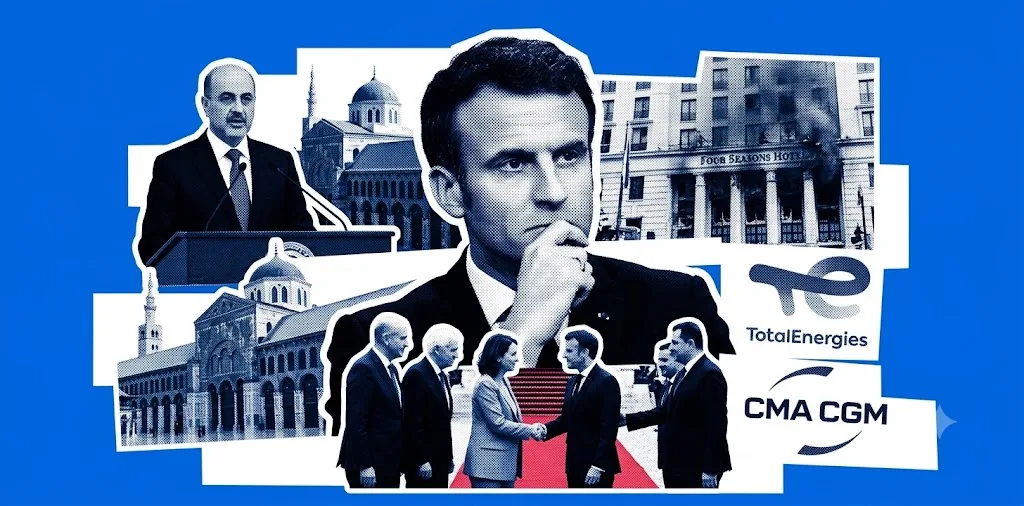
Macron Arrives in Damascus for Historic Syria Visit Despite Explosions Near Delegation Hotel
French President Emmanuel Macron arrived in Damascus on Monday, becoming the first European Union head of state to visit Syria since the overthrow of Bashar al-Assad in 2024. Shortly after his arrival, explosions were reported near the Four Seasons Hotel, where the French delegation had been expected to stay. The blasts occurred while Macron was travelling to the People's Palace for talks with Syrian President Ahmed al-Sharaa.
July 7, 2026
 Power
The Parallel Power Structure: How Andy Burnham is Preparing for Labour’s Succession Battle
The most consequential political contest in Britain may no longer be taking place across the floor of the House of Commons. It is unfolding inside the governing Labour Party, where Andy Burnham's return to Westminster has transformed what looked like routine personnel decisions into the early stages of a leadership struggle.
July 6, 2026
 Defence & Industry
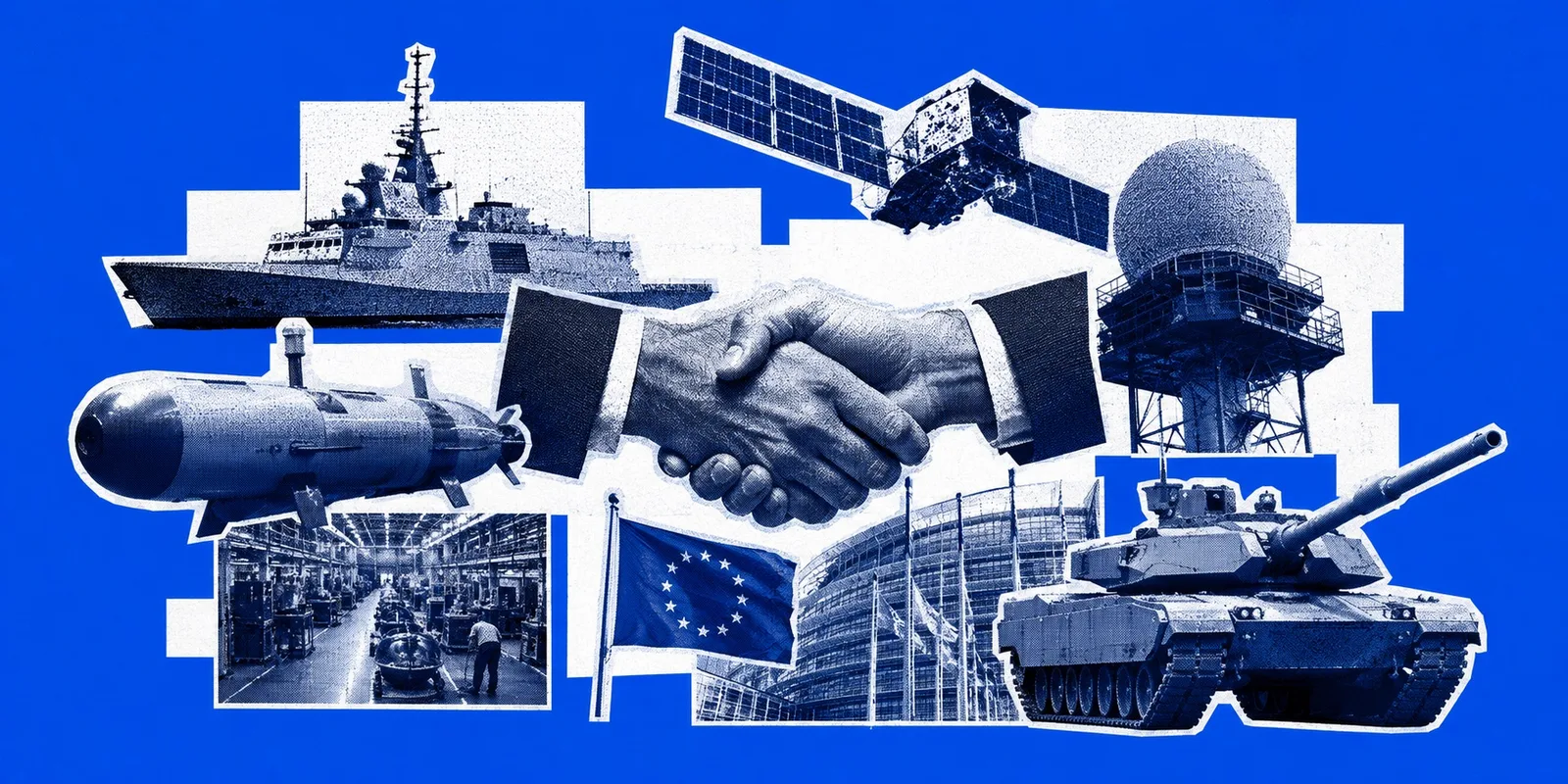
Buying Time: What the Thales-Exail Deal Reveals About Europe’s Defense Bottlenecks
Europe's defence industry has entered a phase where buying capability is often faster than building it. Thales's decision to secure control of Exail Technologies over a single weekend is less remarkable for its speed than for what it reveals about the pressures shaping Europe's military-industrial base.
July 6, 2026
 Society
The Digital Substitute: Inside Italy’s Breaking Long-Term Care Model
Italy's long-term care system is doing more than just struggling to keep pace with an ageing society - it is quietly changing its purpose.
July 6, 2026
 Economy & Energy
Beyond Europe’s Borders: How Shrinking Corporate Profits Fuel Dubai’s Luxury Property Boom
Europe’s economic problem is no longer simply that growth has slowed. As Eurozone business investment contracts and corporate profits shrink, private capital is behaving as though domestic growth is no longer worth betting on—triggering a quiet migration of wealth.
July 6, 2026
 Other
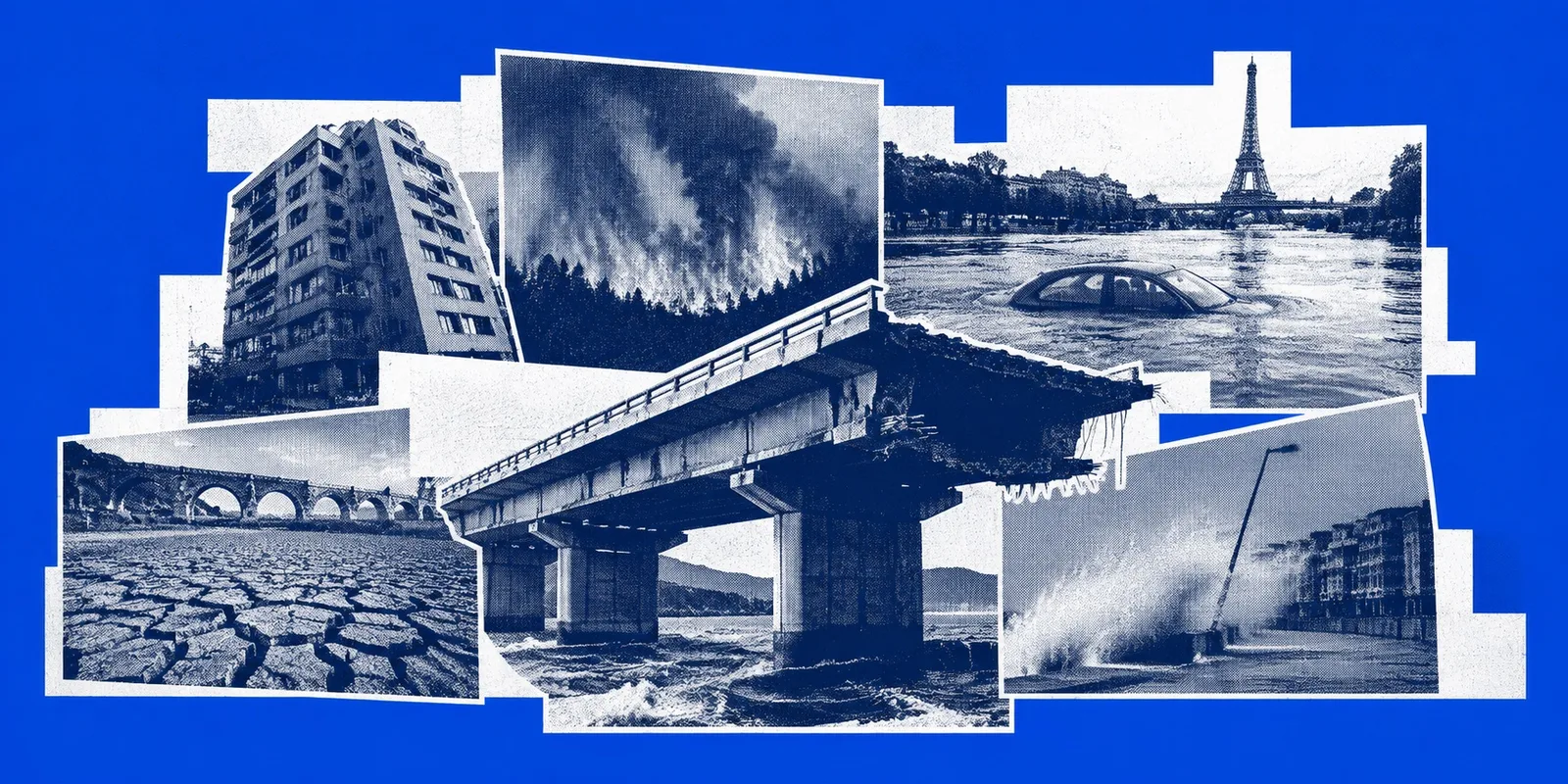
Outdated Assumptions: Why Europe’s Infrastructure is Failing the Climate Stress Test
For years, Europe's climate debate has revolved around reducing emissions. This summer exposed a different weakness. Even where policies have changed, much of the continent still relies on infrastructure built for weather patterns that are disappearing.
July 6, 2026
 Society
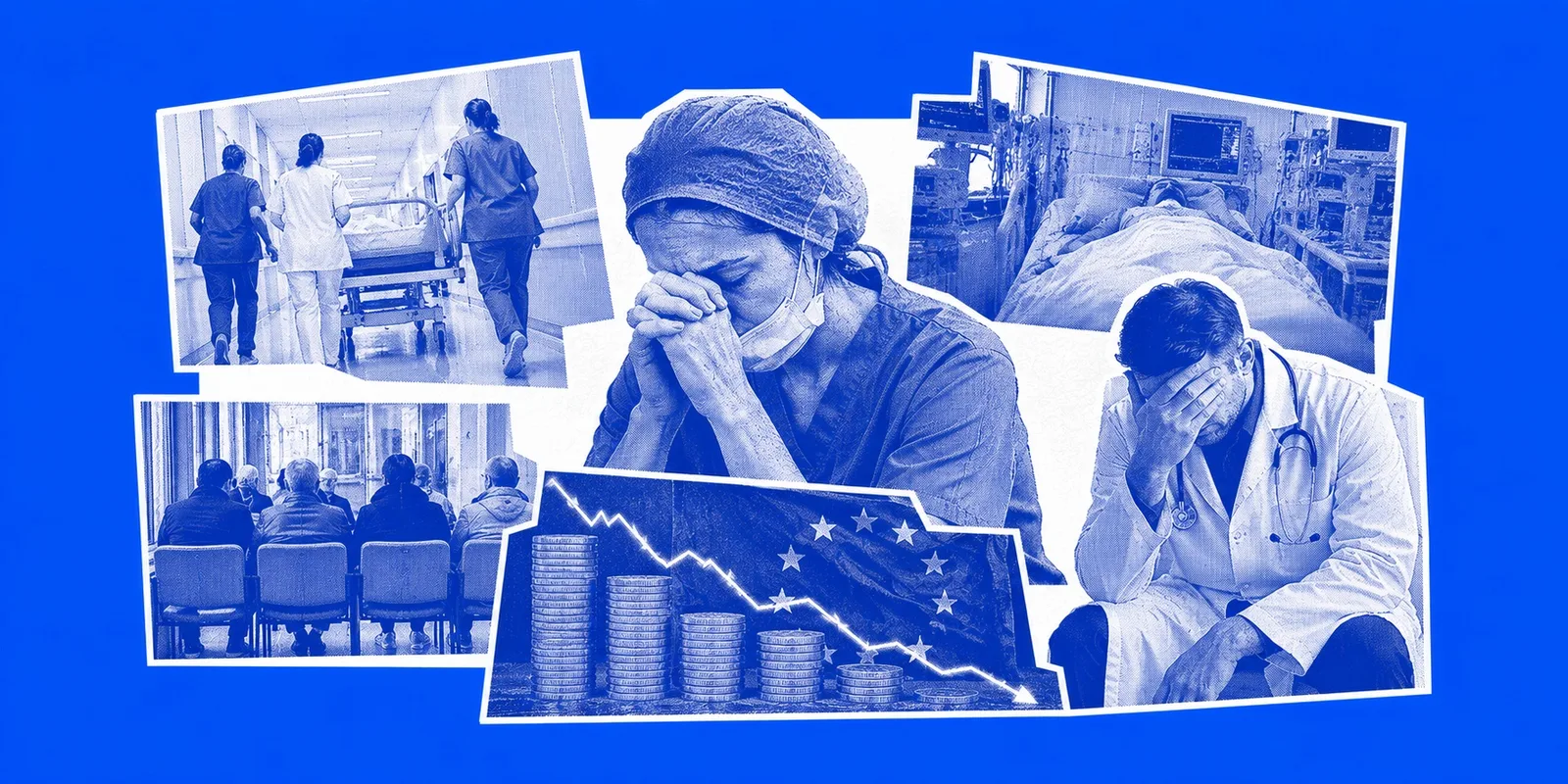
The Breaking Point: Why Europe Can No Longer Budget Its Way Out of the Medical Crisis
Europe's healthcare crisis is no longer measured by overcrowded emergency rooms or another round of hospital strikes. Those are visible symptoms. The deeper failure lies in the fact that many governments continue to treat doctors, nurses and care workers as recurring budget items, even as they have become one of the continent's most strategic assets.
July 6, 2026
 Other
Eurovision Looks Beyond Europe as Canada Joins the Contest
Canada's entry into the Eurovision Song Contest in 2027 is easy to present as another milestone in the competition's international popularity. But the decision reveals a broader change that has been building for years. Eurovision is gradually becoming less tied to Europe itself and more focused on where it can continue to grow.
July 6, 2026
 Balkans
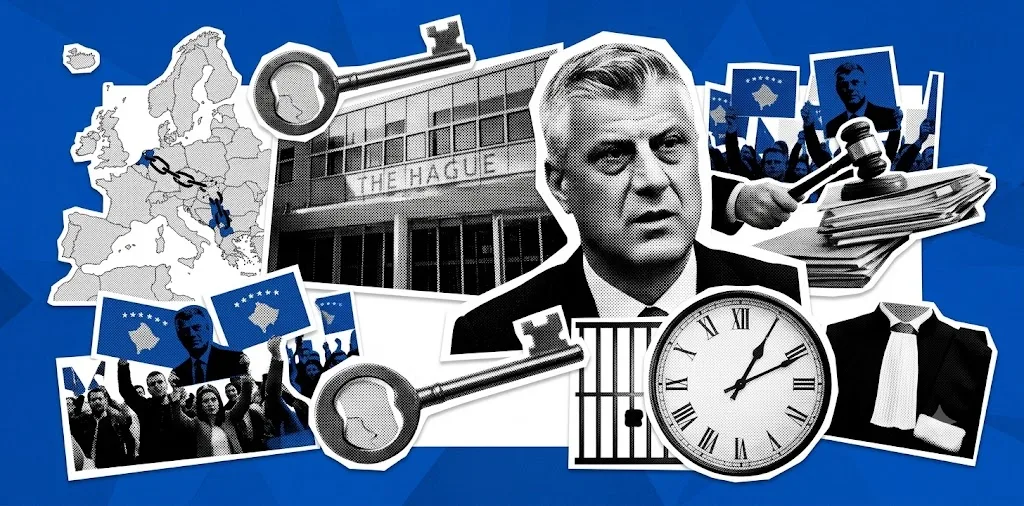
Justice Delayed in The Hague: How the Thaçi Trial is Testing Europe’s Rule of Law
For years, the Kosovo Specialist Chambers stood as a symbol of an uncomfortable but necessary principle: that even celebrated wartime leaders must answer before the law. However, the recent postponement of the verdict against former Kosovo Liberation Army (KLA) leaders, including Hashim Thaçi, until September 2026 has shifted the spotlight from the charges themselves to the tribunal’s own credibility. As concerns mount over prolonged pre-trial detention and potential violations of European human rights law, the court designed to show that justice in Europe could remain insulated from politics now faces its ultimate test - not of historical truth, but of procedural fairness.
July 6, 2026
 Future Europe
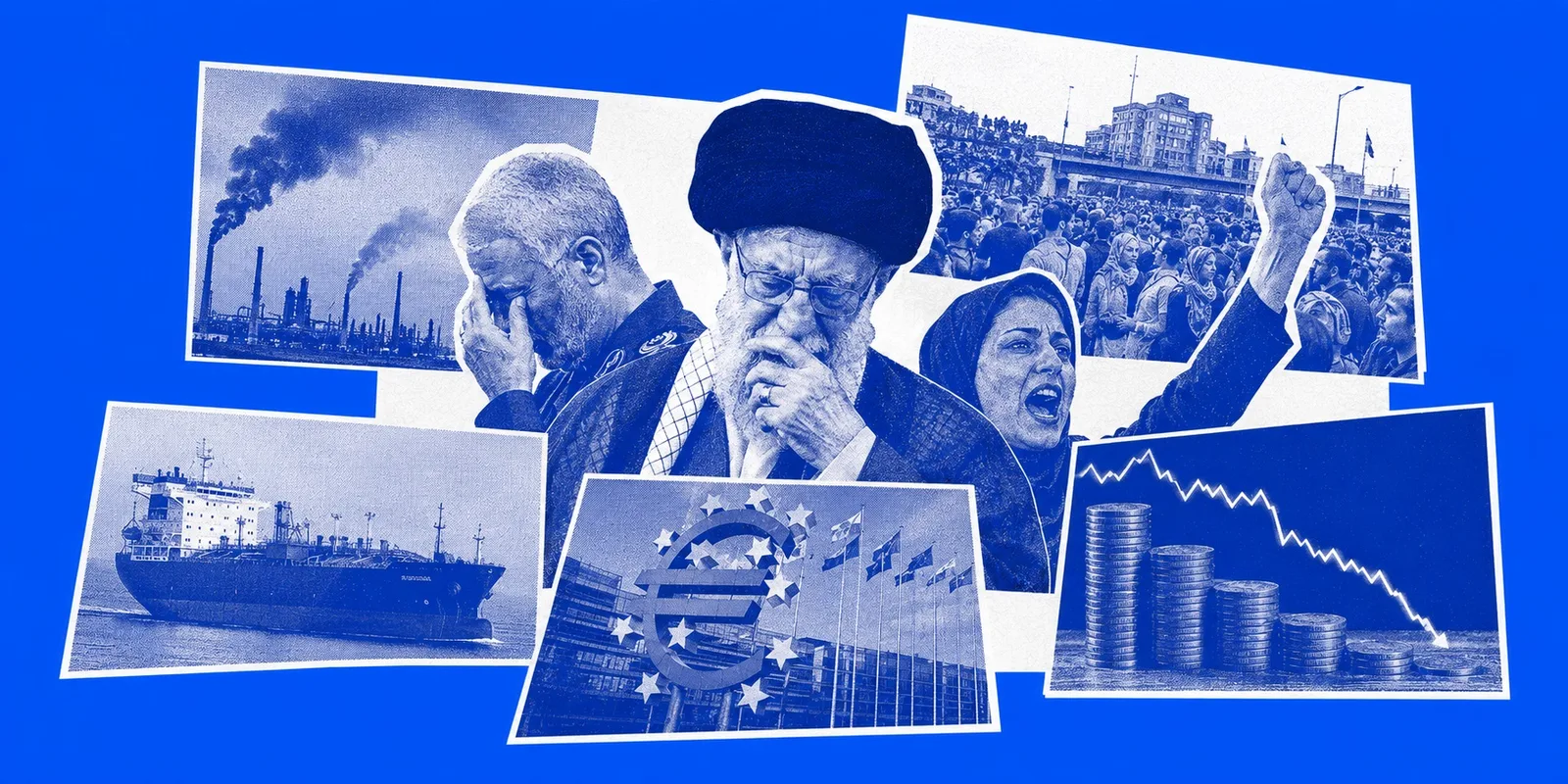
The Cost of Instability in Iran: How the Gulf Crisis Costs Europe €14 Billion a Month
The most consequential change inside Iran is no longer taking place in government buildings or military headquarters. It is unfolding in ordinary streets, cafés and public squares, where citizens have begun behaving as though the state's ideological rules no longer carry unquestioned authority. The assassination of Supreme Leader Ali Khamenei in a joint US-Israeli strike did more than trigger a succession crisis. It disrupted the machinery that had long enforced the Islamic Republic's control over everyday life.
July 6, 2026
 Power
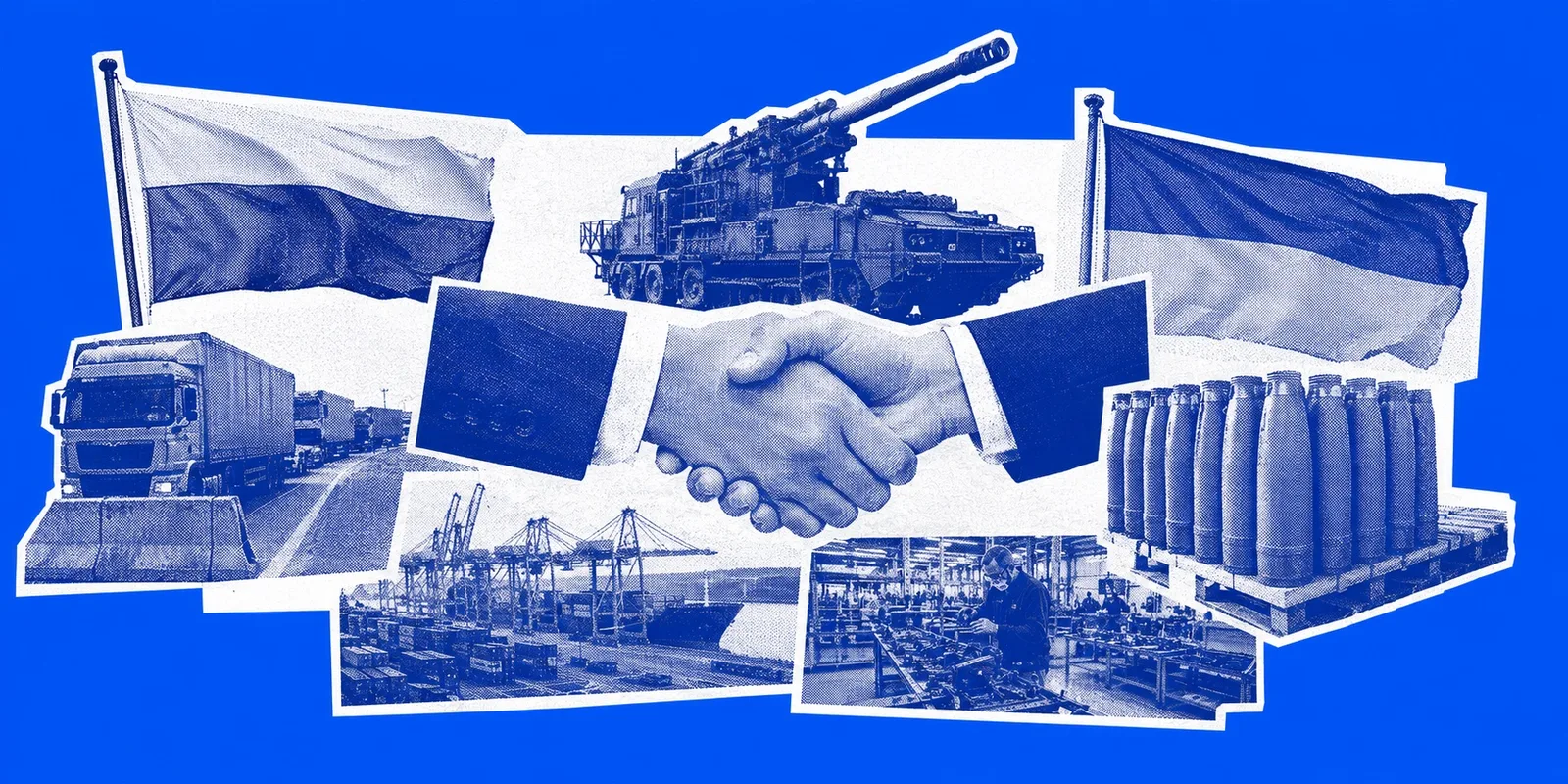
The End of Empathy: Why the Poland-Ukraine Alliance is Turning to "Hard Business"
The political storm over Ukraine’s decision to name a special forces centre after the Ukrainian Insurgent Army (UPA) is not a debate about the past. It is a warning about the present - specifically, how fast critical European alliances can fray when domestic elections begin to hijack geopolitical logic. While Warsaw and Kyiv still hold intergovernmental meetings and keep the logistics flowing, the emotional glue that held them together since 2022 has dissolved.
July 6, 2026
 Defence & Industry
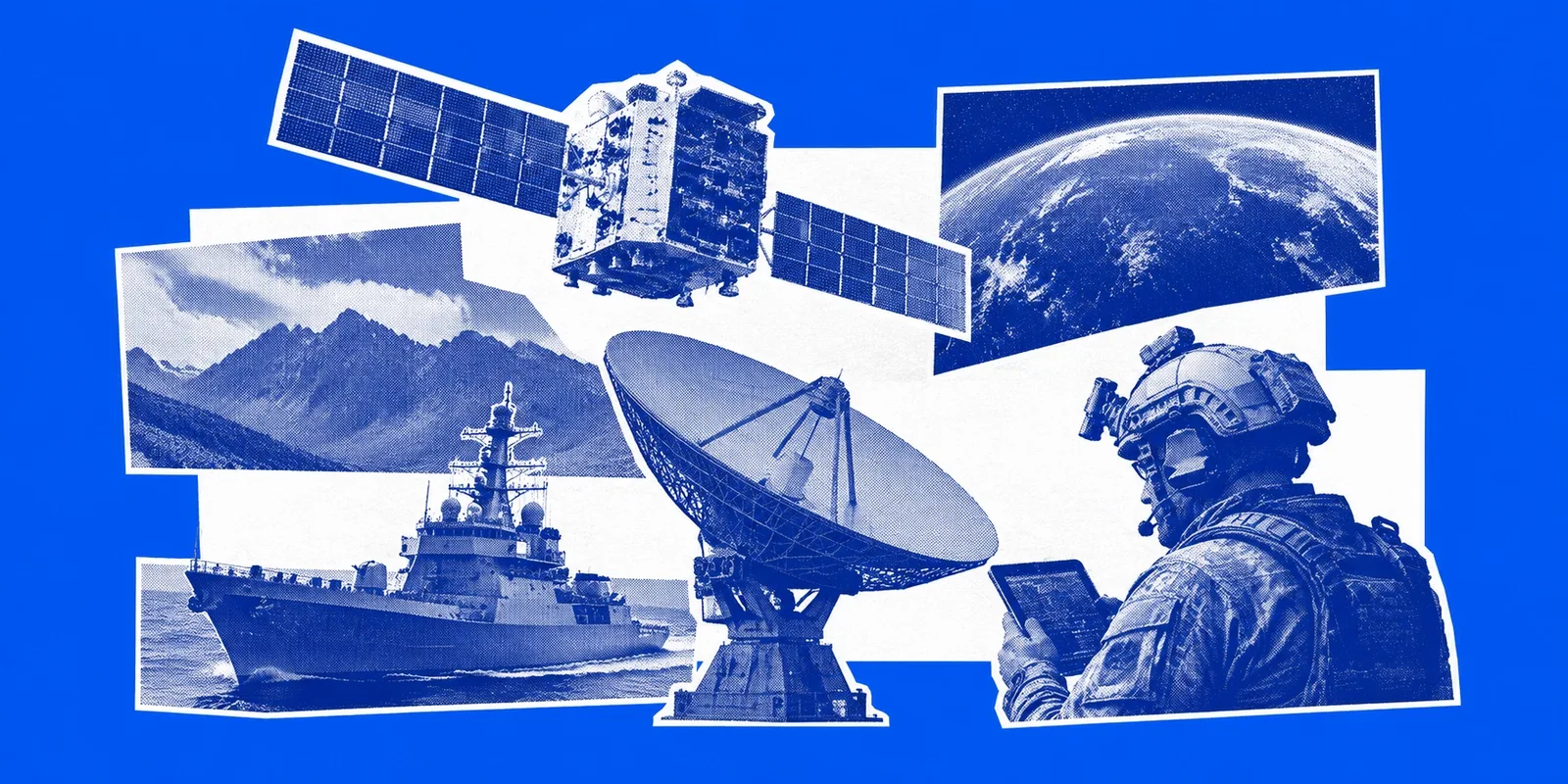
Redefining Strategic Autonomy: Why Europe’s Military Satellite Strategy is Shifting to LEO
European defense planners are no longer treating satellite communications simply as a question of orbit - they are treating them as a question of time. Faced with industrial delays to the sovereign IRIS² constellation and critical lessons from the war in Ukraine, Europe is moving away from rigid, legacy architectures. By integrating highly protected military GEO systems with commercial low-Earth orbit (LEO) networks, defense ministries are adopting a pragmatic, hybrid model where network speed and structural diversity equal battlefield resilience.
July 6, 2026
 Society
Iceland's Four-Day Work Week Is Exposing the Limits of Europe's Shorter Hours Experiment
Europe's four-day work week debate is entering a new phase as Iceland's economic data challenge one of the continent's most celebrated labor reforms. While shorter working hours initially boosted productivity, mounting evidence suggests the gains may not last raising difficult questions about labor shortages, economic growth, and whether every European economy can afford to work less.
July 6, 2026
 Eastern Frontier
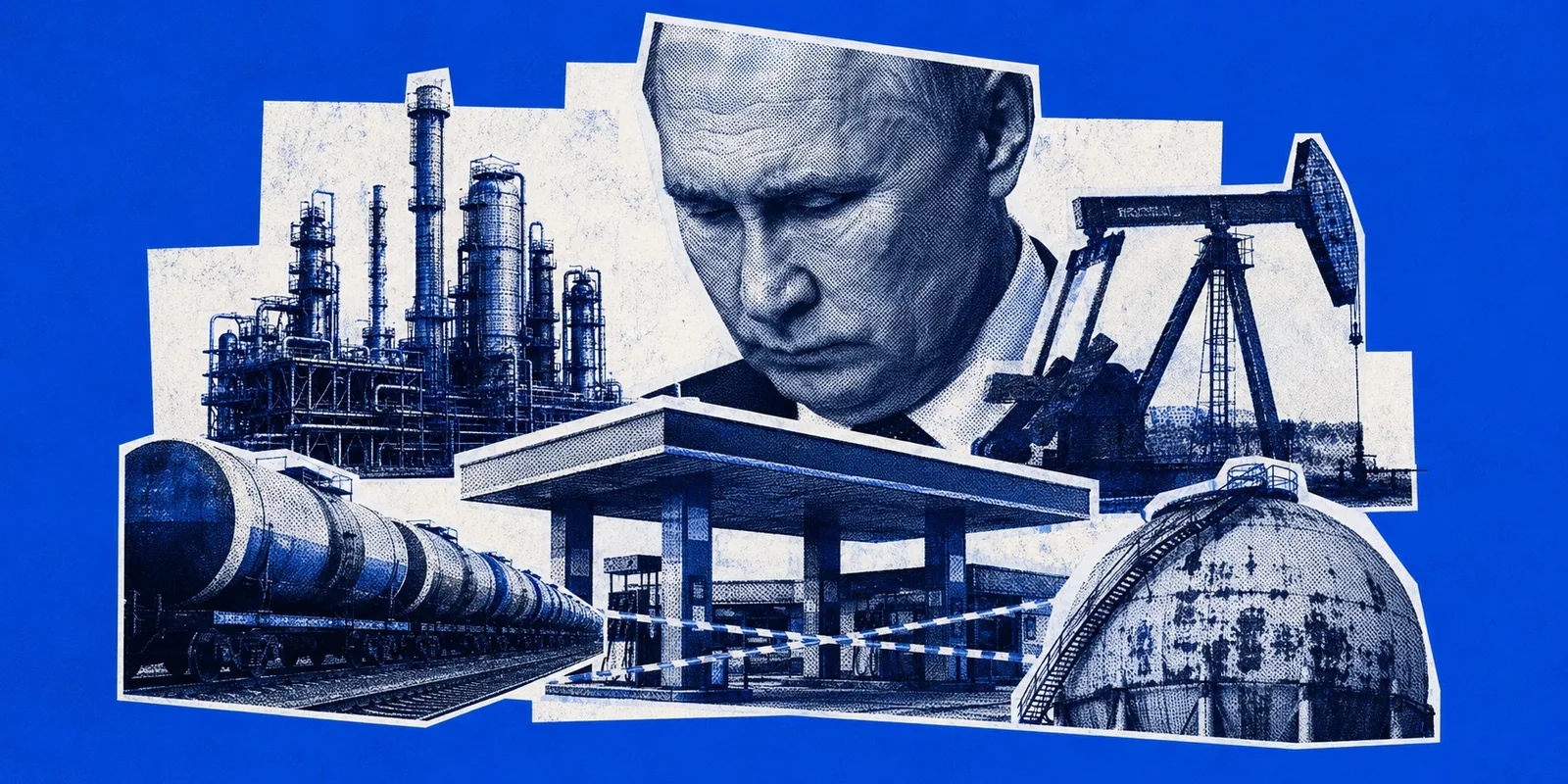
Russia's Fuel Crisis Is Becoming a Structural Weakness, Not a Temporary Shortage
A wave of successful Ukrainian drone strikes on Russian oil infrastructure has pushed the country's fuel shortages far beyond isolated borders. What began as a localized disruption is now exposing structural failures within an energy sector long considered the backbone of Russia’s economic resilience.
July 6, 2026