

European Affairs Journalist
Elise Aranda
- Based in:
- Brussels, Belgium
- Languages:
- English, Spanish, French
Follow
Articles
 Power
New UK PM Andy Burnham: What His Rise Means for the EU, Ukraine and Brexit
Andy Burnham’s election as Labour leader sets him to become Britain’s next Prime Minister on Monday, bringing an abrupt end to Keir Starmer’s turbulent tenure. As Burnham prepares to take over Downing Street, Europe is closely watching his shift toward a "pragmatic re-engagement" with Brussels, promising robust continuity in UK support for Ukraine and a reset of post-Brexit relations.
July 17, 2026
 Future Europe
France-Algeria Relations 2026: Why Macron’s New Diplomatic Thaw Signals a Shift to Transactional Realism
Following a 13-month diplomatic freeze, France’s ambassador to Algeria, Stéphane Romatet, has signaled a complete restart of bilateral cooperation on security, gas energy, and illegal migration management (OQTF). However, behind the rhetoric of "restoring trust" delivered in a major interview with TSA, lies a stark transition to transactional pragmatism: to enforce its strict new domestic immigration laws, Paris is forced to accept Algiers' terms, choosing absolute silence over the ongoing detention of French journalist Christophe Gleizes.
July 17, 2026
 Future Europe
Germany Conscription Lite: Record Number of Young Men Refuse Military Service
Germany’s new "conscription lite" policy has triggered a massive backlash, with a record number of 18-year-old men pre-emptively applying for conscientious objector status to avoid future military service in the Bundeswehr.
July 17, 2026
 Defence & Industry
Russian Sabotage Threat in Baltics Exposes NATO’s Air Defence Deficit
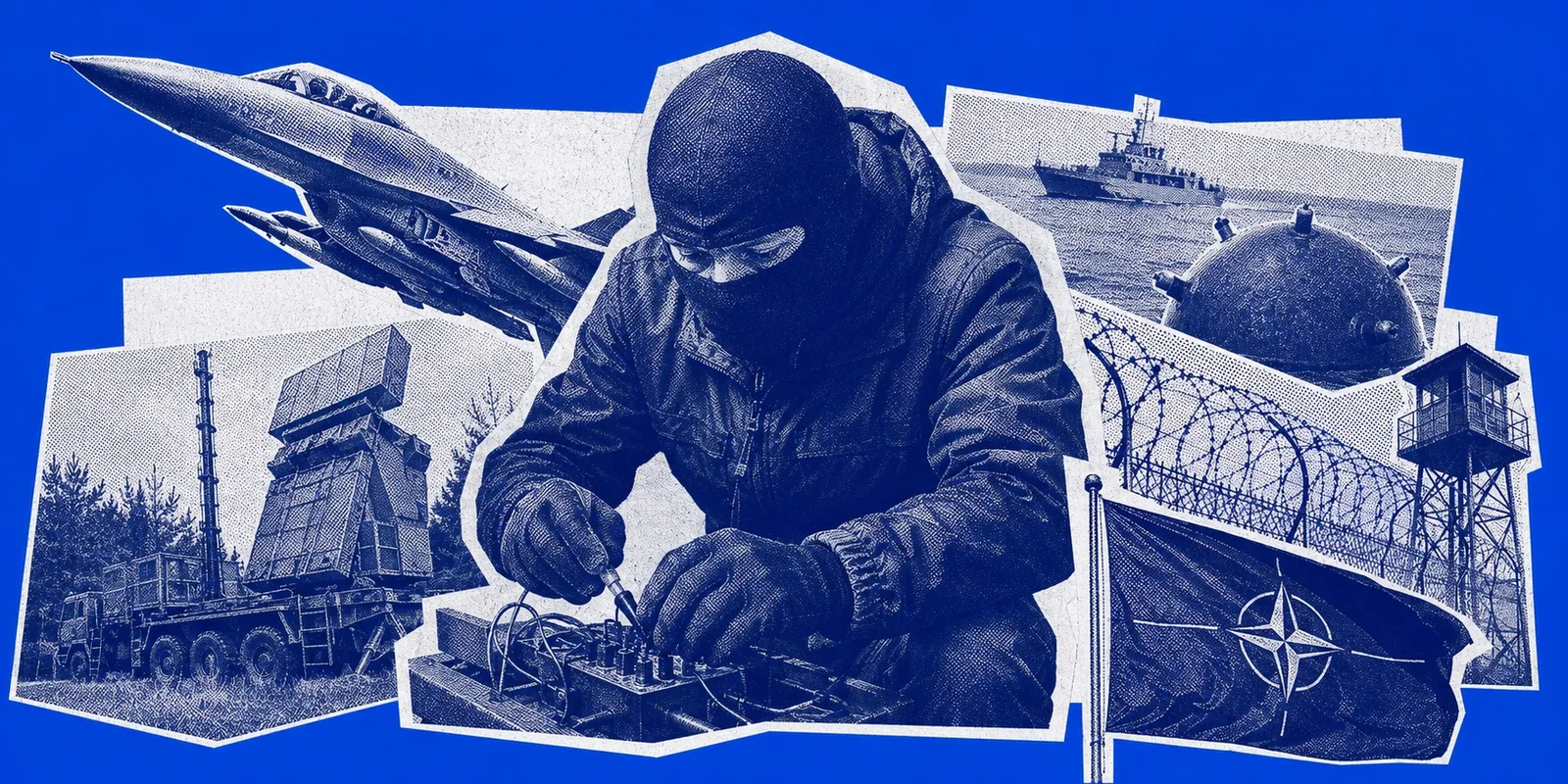
Latvia has urgently reinforced security at a vital hydroelectric dam and its key underground gas storage facility following warnings of Russian hybrid attacks. The critical infrastructure alert highlights a growing crisis on NATO’s eastern flank, where political promises of protection clash with a chronic shortage of physical air defence systems.
July 17, 2026
 Eastern Frontier
How Ukraine’s Drone Campaign in Crimea is Triggering a Fuel and Political Crisis Inside Russia
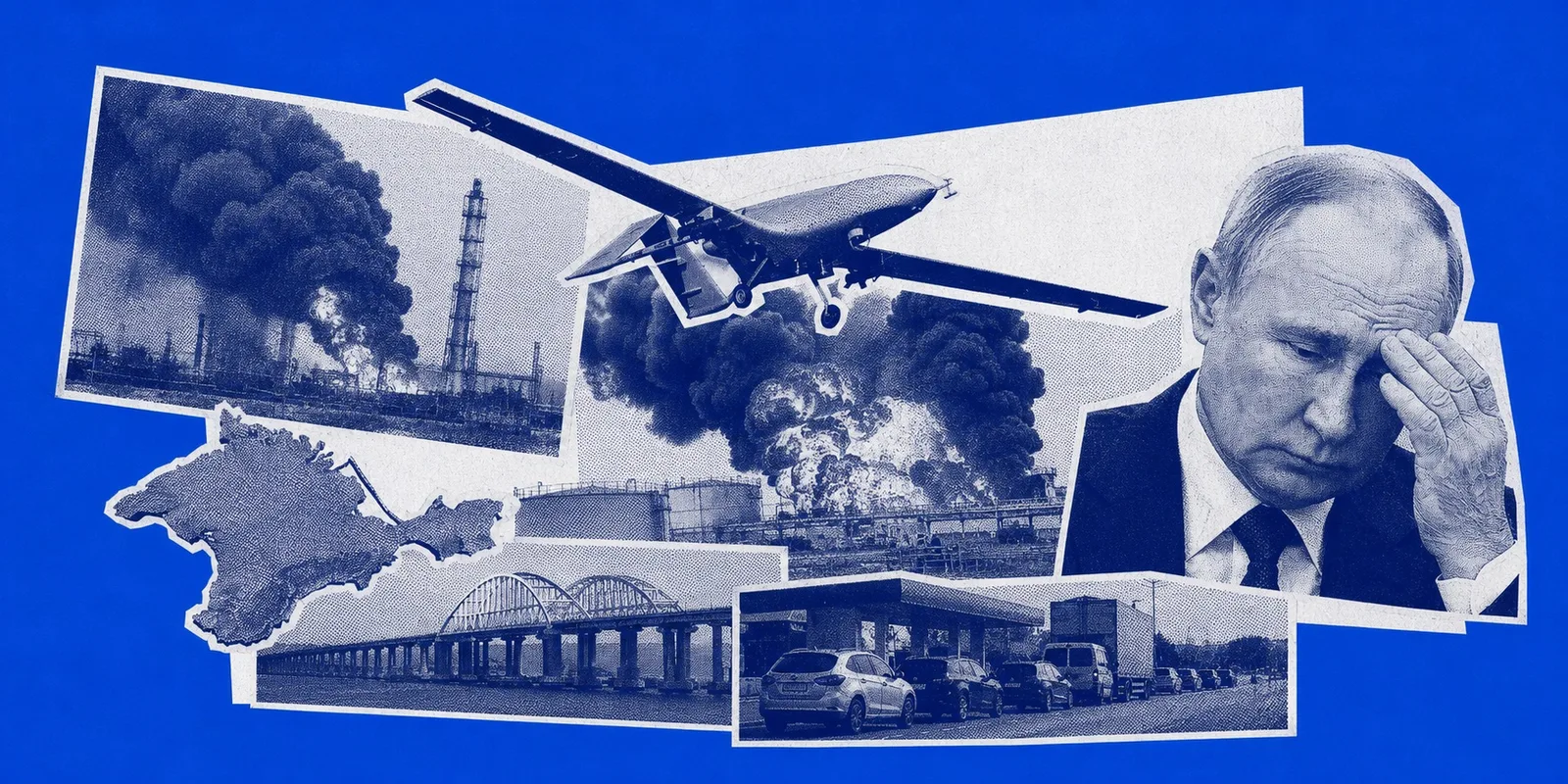
As of July 2026, Ukraine’s high-intensity drone offensive has effectively disrupted Russian supply lines to occupied Crimea, triggering civilian fuel shortages and the sharpest drop in Vladimir Putin’s domestic approval ratings since 2022. With the Kerch Bridge closed to heavy fuel transports and maritime routes compromised, Ukraine’s deep-strike strategy against oil infrastructure is successfully translating battlefield pressure into a Russian domestic crisis.
July 17, 2026
 Russian Influence
The Szijjártó Tapes: Hungary’s Treason Probe Signals a Deeper Security Breach Inside the EU
Following the leak of the "Szijjártó Tapes," Hungary’s new government has launched a formal treason investigation into whether former Foreign Minister Péter Szijjártó passed classified EU secrets directly to Moscow. The probe, confirmed by Prime Minister Péter Magyar, marks the first time a member state is legally investigating its own top diplomat for active espionage on behalf of Russia.
July 17, 2026
 Power
Peter Szijjártó Joins BYD: Former Hungarian Foreign Minister Exits Politics for Chinese EV Giant
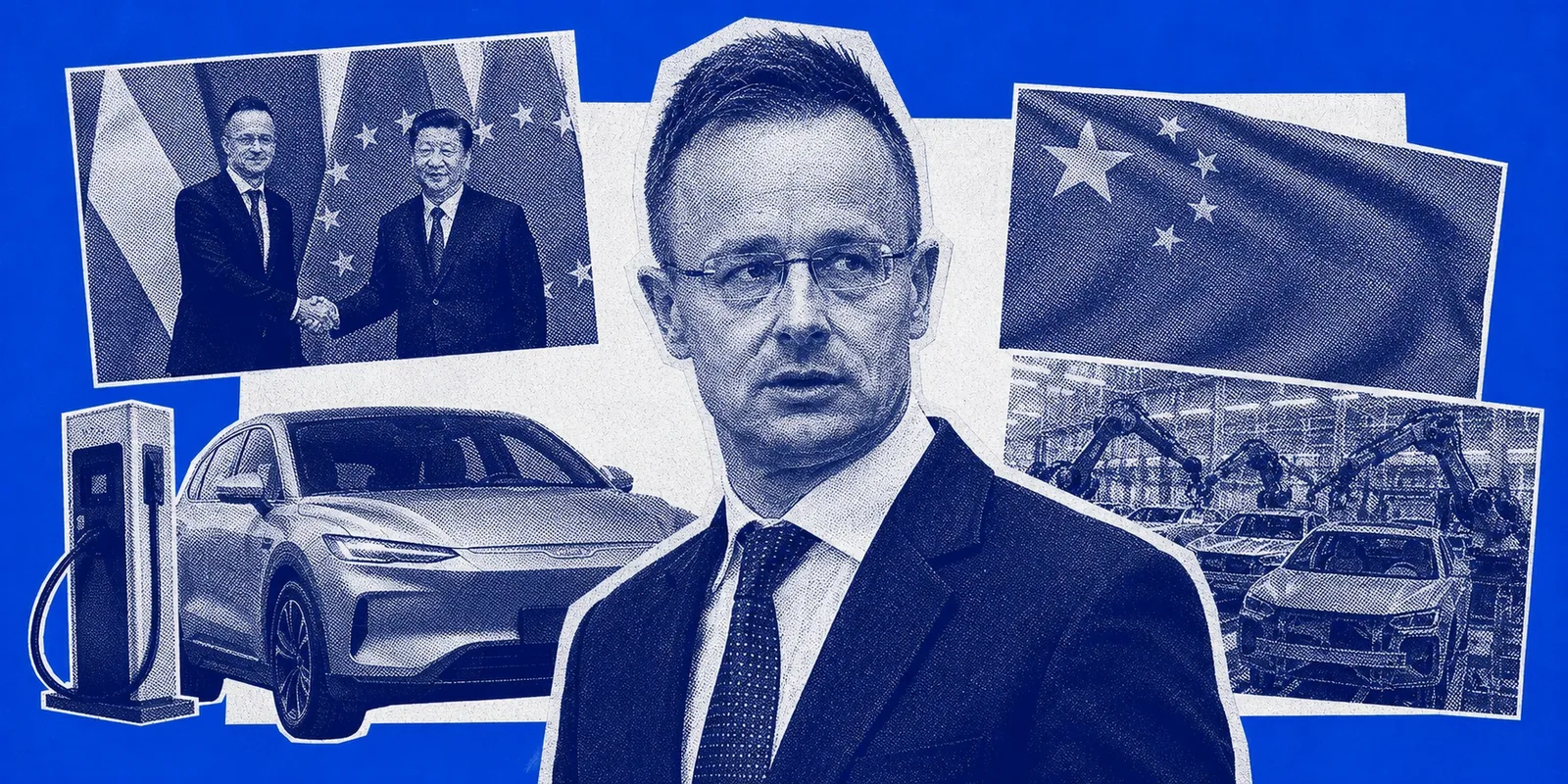
Former Hungarian Foreign Minister Peter Szijjártó is leaving politics to join Chinese EV maker BYD in a global executive role. The controversial move sparks intense debate over European security, "revolving doors," and China’s growing political influence within the EU.
July 17, 2026
 Other
Beyond the Pledges: How the Fashion Cities Coalition Shifts Sustainability to Municipal Action
On July 9, Paris became the launchpad for a global experiment that bypasses corporate green pledges in favor of municipal action. With the launch of the Fashion Cities Coalition (FCC), eight critical hubs - from Paris and New York to Singapore and Cotonou—are attempting to prove that local governments, rather than fashion brands, hold the key to reshaping the industry's circular future
July 15, 2026
 Future Europe
Digital Euro Pilot: ECB Selects 36 Partners Including Deutsche Bank and Revolut
The European Central Bank (ECB) has selected 36 banks and fintechs, including Deutsche Bank, UniCredit, and Revolut, for its digital euro pilot program starting in 2027. This major step moves the digital currency closer to its projected 2029 launch, aiming to challenge US payment giants and secure Europe's financial sovereignty.
July 15, 2026
 Society
Europe’s Property Tax Dilemma: What Britain’s Reform Debate Reveals About Taxing Wealth vs. Income
As governments across Europe struggle to balance heavily taxed labor income against surging real estate wealth, the debate over fair property tax reform has moved to the center of Western politics. The immediate trigger is a fierce dispute in the United Kingdom, where leaders like Greater Manchester Mayor Andy Burnham argue that the country’s property tax system - frozen in 1991 valuations - is fundamentally broken. This British reckoning serves as a test case for a broader European challenge: how to transition from taxing daily work to fairly taxing accumulated property wealth.
July 15, 2026
 Russian Influence
Bielsko-Biała Bus Attack: How a Local Incident Exposes the Fragility of Poland-Ukraine Solidarity
When a 54-year-old man verbally assaulted three Ukrainian schoolgirls on a municipal bus in Bielsko-Biała on 12 July, Polish law enforcement responded with swift prosecution. Yet, the silent apathy of the adult passengers and a coordinated online campaign targeting the child victims revealed a far deeper vulnerability: a growing fracture in the grassroots solidarity that has anchored Europe’s eastern flank since 2022.
July 15, 2026
 Eastern Frontier
Russia’s Hybrid Threat: Why NATO is Rebuilding Air Defences on the Eastern Flank
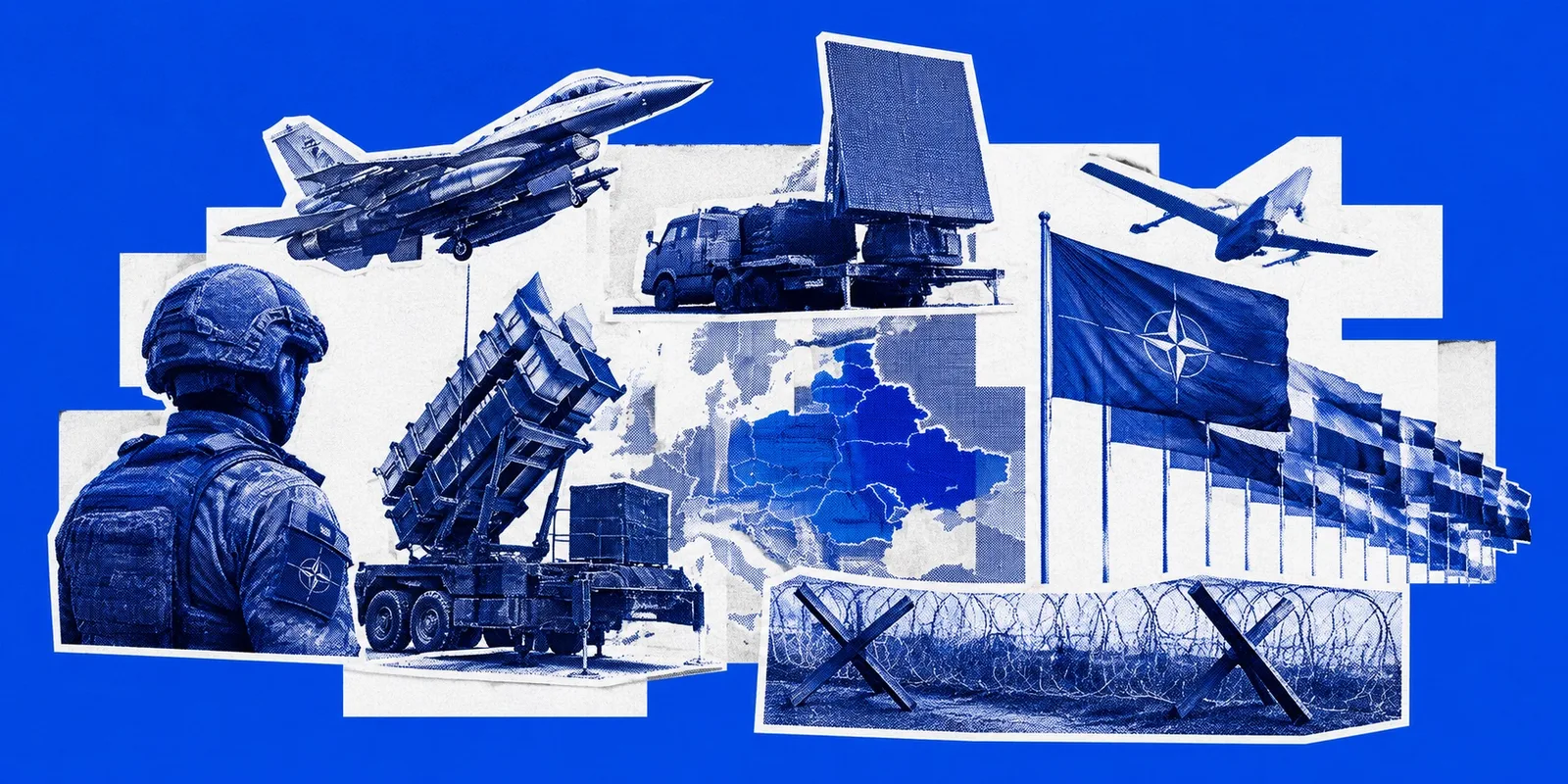
Following intelligence warnings from Lithuania of planned Russian sabotage against energy and communication networks, Poland and the Baltic states are moving from airspace monitoring to active defence, spending a record 5% of GDP on security.
July 15, 2026
 Society
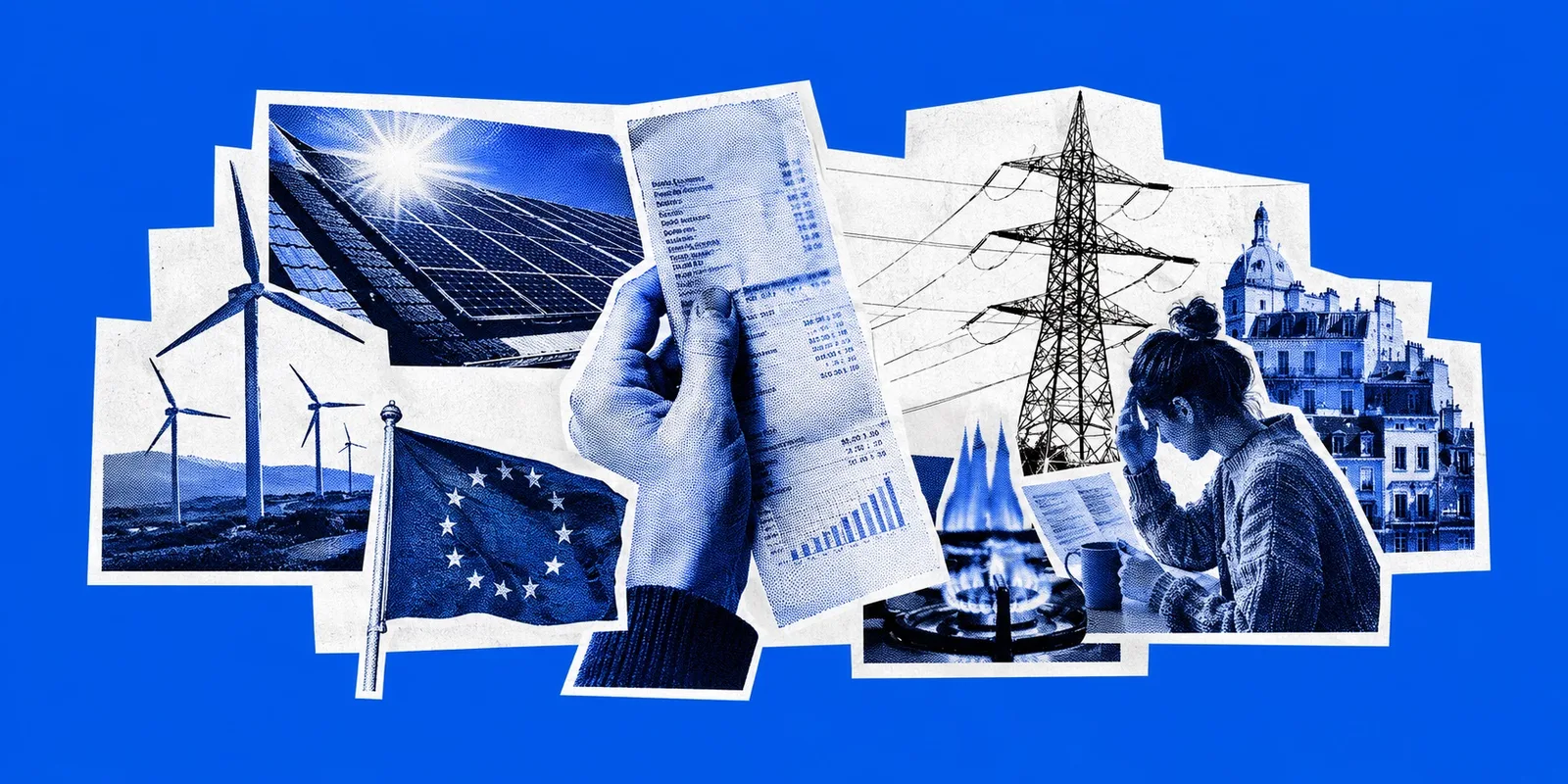
The Solar Paradox: Why Europe’s Clean Energy Boom Is Driving Electricity Bills Higher
Europe is producing more solar power than ever before, routinely pushing wholesale energy prices below zero. Yet, households across Germany, the UK, and Spain are seeing their electricity bills rise. A severe shortage of battery storage - which covers just 3% of solar capacity - has locked the continent into a volatile cycle of midday energy waste and expensive evening fossil-fuel crunches, threatening both grid stability and the green transition.
July 15, 2026
 Economy & Energy
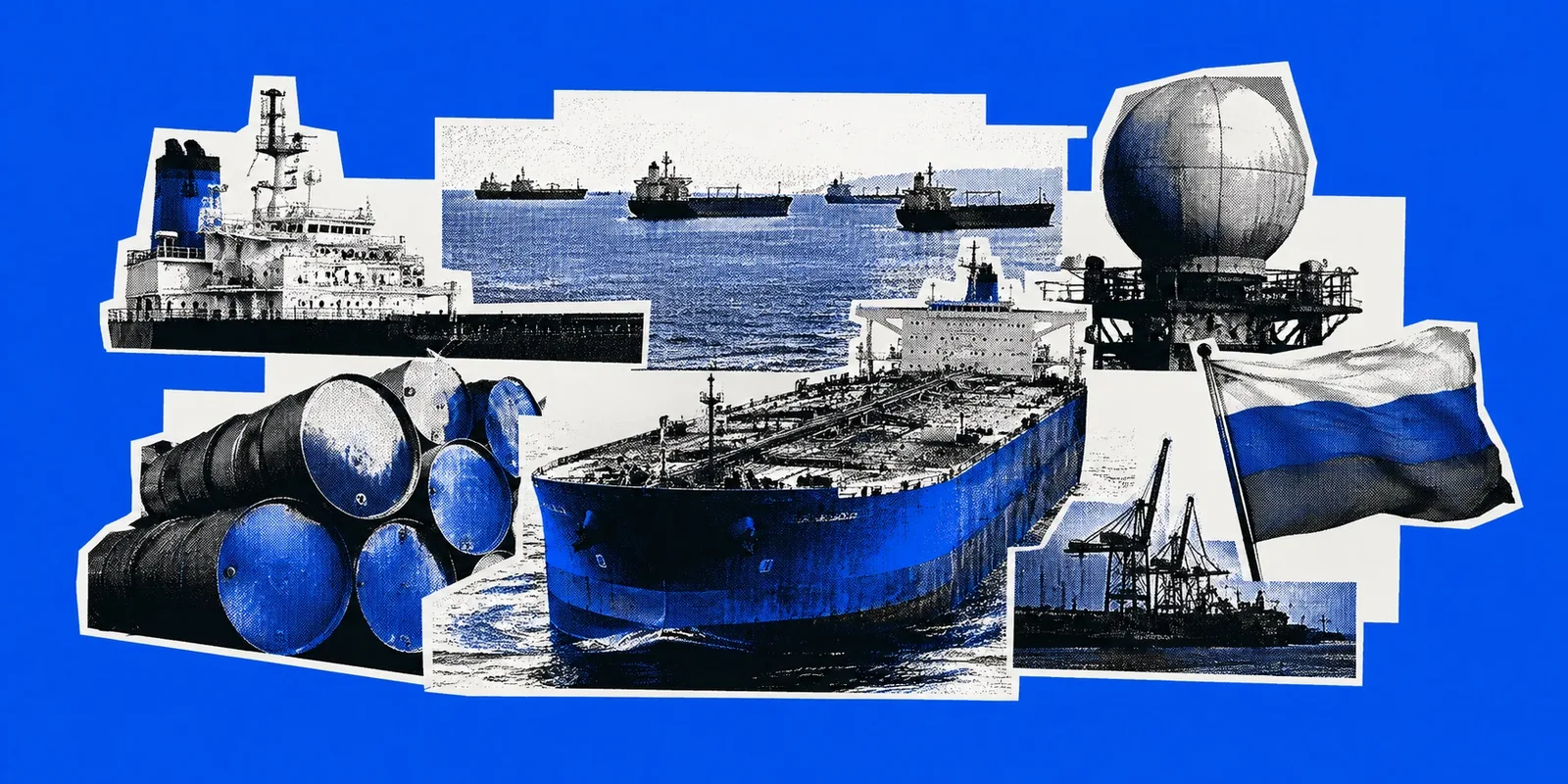
Russia’s Oil Tankers Are Running Out of Ocean
Russia is still loading millions of barrels of crude onto tankers every day. Yet an extraordinary volume of that oil is no longer reaching buyers.
July 15, 2026
 Power
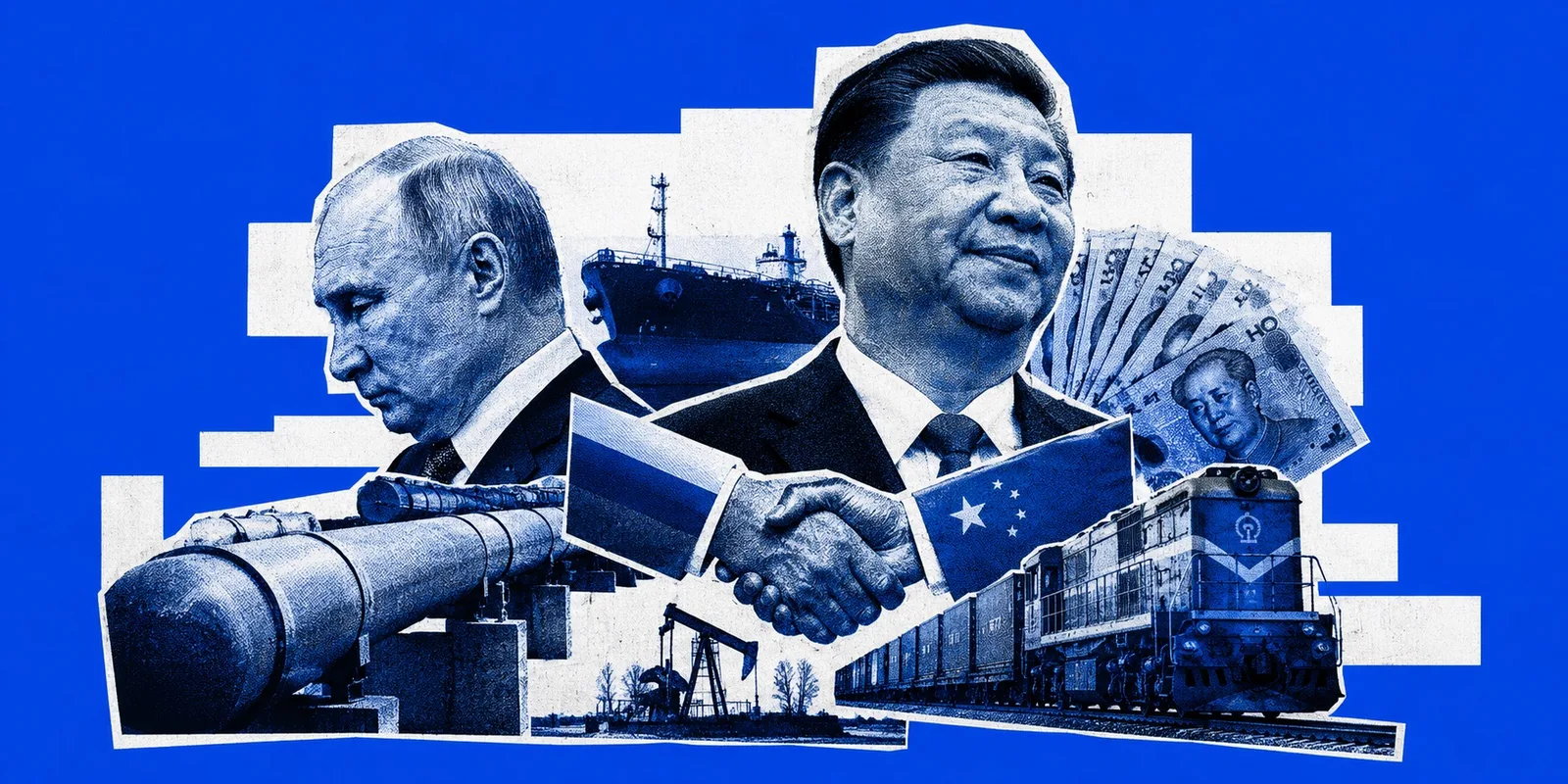
Russia’s China Dependency: Why the Relationship Is No Longer About Partnership
The latest disclosures from Western intelligence sources and regional analysts point to a reality Moscow has long sought to deny: China is no longer merely Russia’s primary economic partner. Driven by wartime isolation, Moscow has devolved into a subordinate junior partner, leaving Beijing to increasingly shape Russia’s strategic options and actively hedge against its future post-Putin transition.
July 14, 2026
 Defence & Industry
Volkswagen’s Historic Restructuring: Inside the Battle Over Factory Closures and 100,000 Job Cuts
Following a historic decision by its board on July 9–10 to slash its model lineup by half and address overcapacity, Volkswagen Group is facing unprecedented union backlash over potential German factory closures and up to 100,000 job cuts. As a devastating 36.6% drop in Q2 2026 sales in China forces a radical shift away from its traditional high-volume model, Germany’s industrial giant is entering a fight that will test the limits of Europe's manufacturing framework.
July 14, 2026
 Future Europe
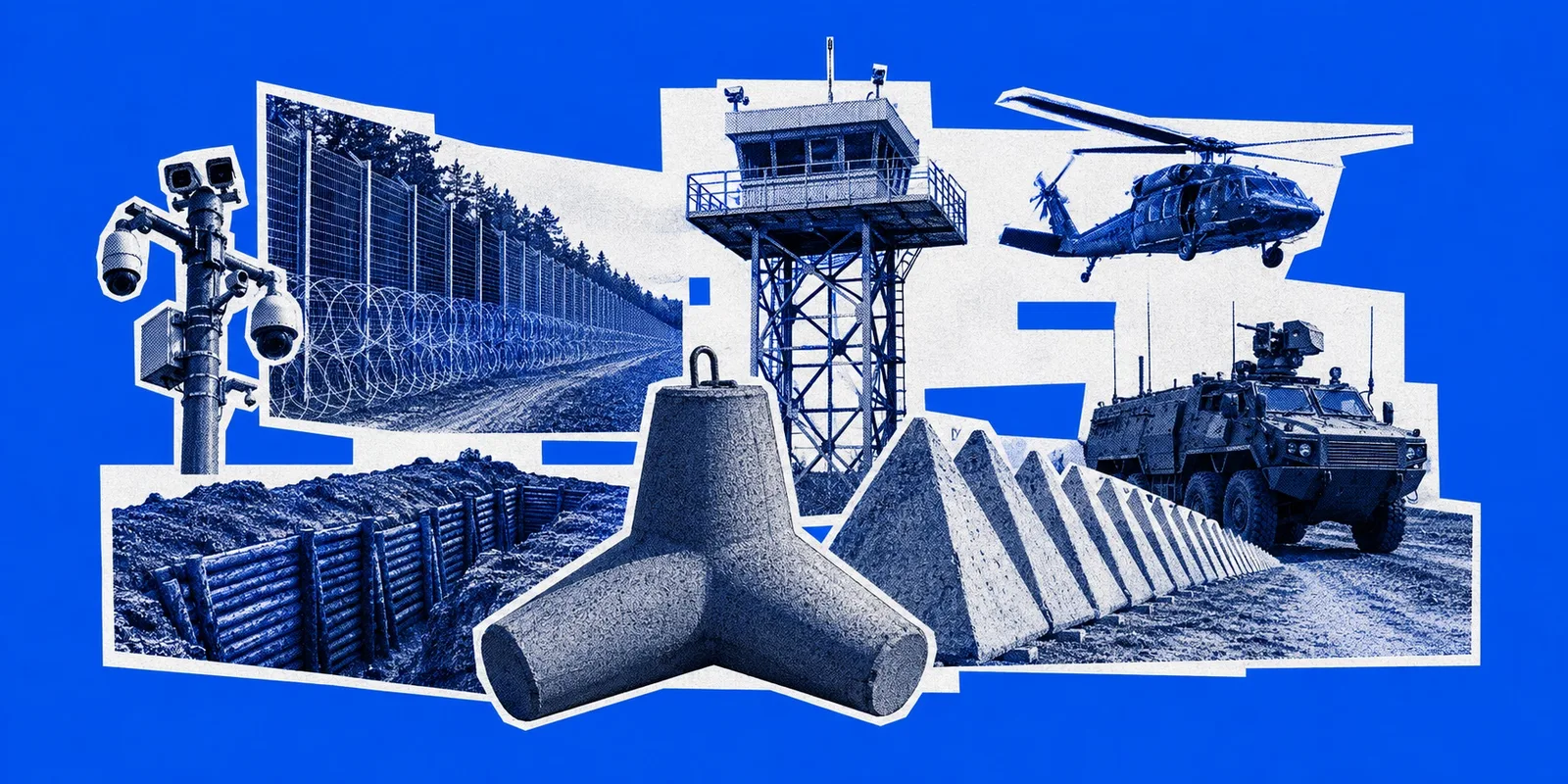
Poland’s ‘East Shield’ Fortifications: Why the Reality Is Far Bigger Than a Border Wall
While Poland’s military reports that only 10 kilometers of active, physical barriers have been completed out of a promised 61-kilometer target, the ambitious East Shield (Tarcza Wschód) project is undergoing a massive strategic and financial evolution. Backed by a historic €44 billion EU loan under the SAFE program, Warsaw is shifting its focus away from a simple peacetime border wall. Instead, military planners are quietly constructing a 100-kilometer-deep, high-tech defense-in-depth system - relying on decentralized logistics depots, advanced sensor networks, and anti-drone electronic warfare rather than static concrete lines.
July 14, 2026
 Power
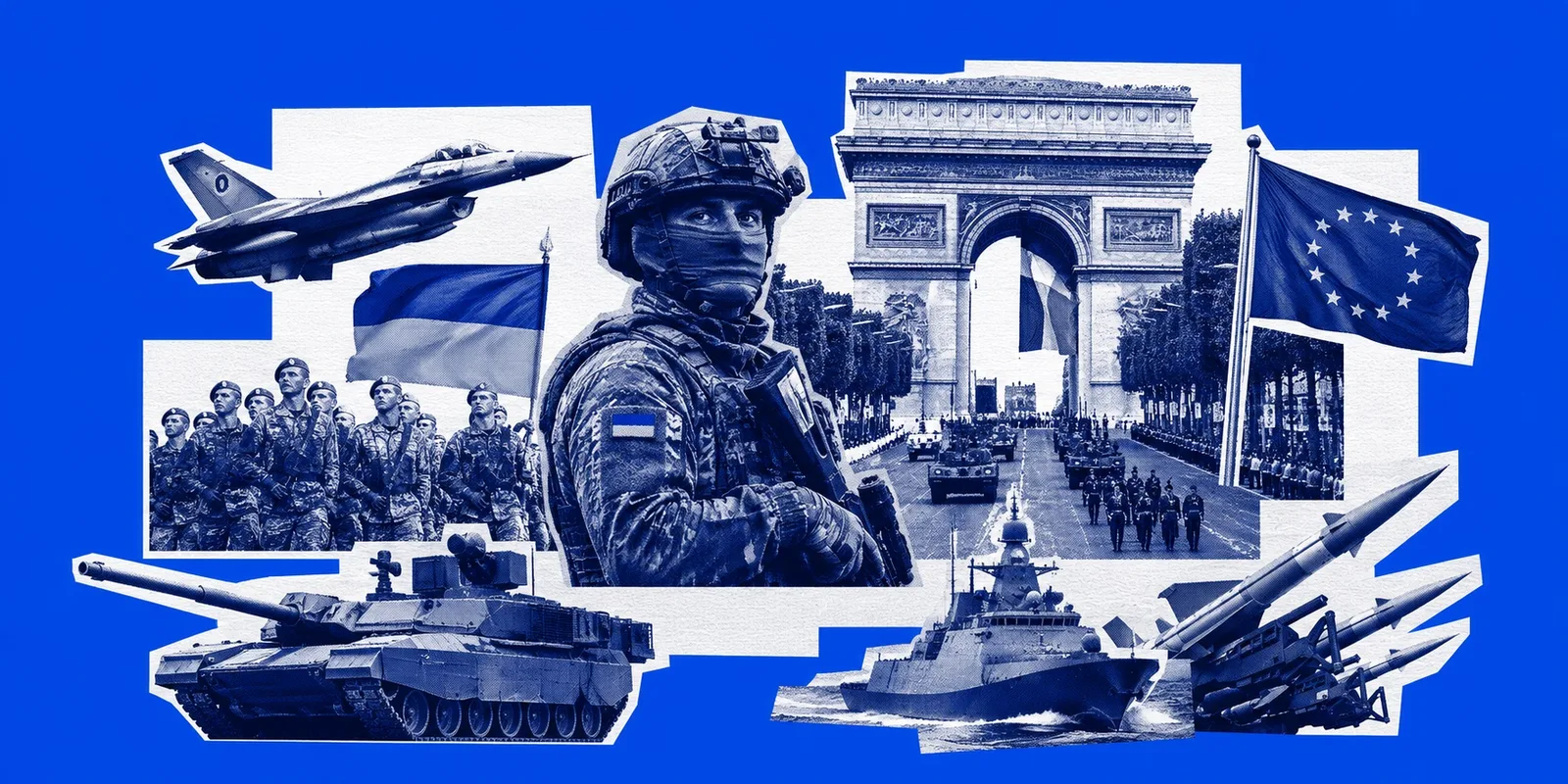
Ukraine at Bastille Day 2026: How the Paris Parade Redrew Europe’s Defence Map
On July 14, 2026, French President Emmanuel Macron turned the traditional Bastille Day military parade into a historic display of European military integration. Under the banner of "The Strategic Awakening of Europe," the event saw Ukrainian troops leading a "coalition of the willing" down the Champs-Élysées and joint Franco-Ukrainian crews flying Mirage 2000 jets over Paris for the first time. This was not just a national holiday; it was a powerful signal of operational fusion aimed directly at the Kremlin.
July 14, 2026
 Economy & Energy
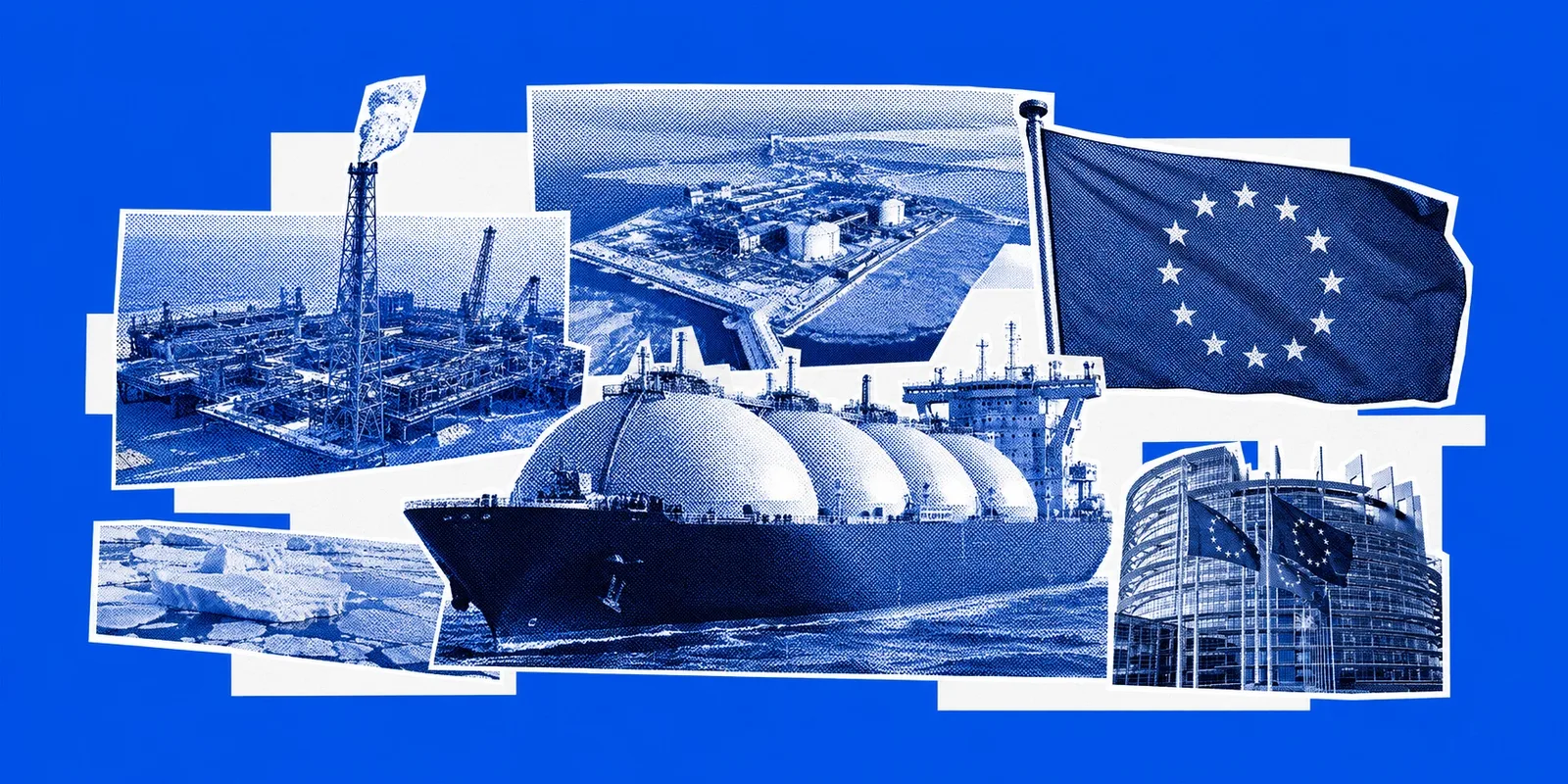
EU’s Last Russian LNG Rush: Why Yamal Imports Hit Records in 2026 Ahead of 2027 Ban
European Union countries - led by France, Belgium, and Spain - imported a record 9.89 million tonnes of liquefied natural gas (LNG) from Russia’s Yamal LNG project during the first six months of 2026. According to data cited by the Financial Times, this volume is 18% higher than a year earlier, generating roughly €6 billion for Moscow just months before the EU's landmark January 1, 2027 ban on long-term Russian LNG contracts takes effect.
July 14, 2026
 Eastern Frontier
Russia’s New Draft Without a Draft: Inside the 2026 Covert Mobilization
A new wave of coordinated military recruitment pressure is spreading across Russia in 2026, marking a systemic shift toward permanent, covert mobilization without any formal government decree. Regional authorities have reportedly received strict recruitment targets for contract military service, triggering a campaign that reaches far beyond military recruitment offices. Debtors, unemployed men, former prisoners under administrative supervision, and newly naturalized citizens have become the focus of police raids and administrative pressure. At the same time, businesses and public institutions are being assigned quotas to provide recruits or pay substantial sums through intermediary structures that promise to find candidates for military contracts.
July 14, 2026