
Russia Accuses Europe of Blocking Ukraine Peace Talks

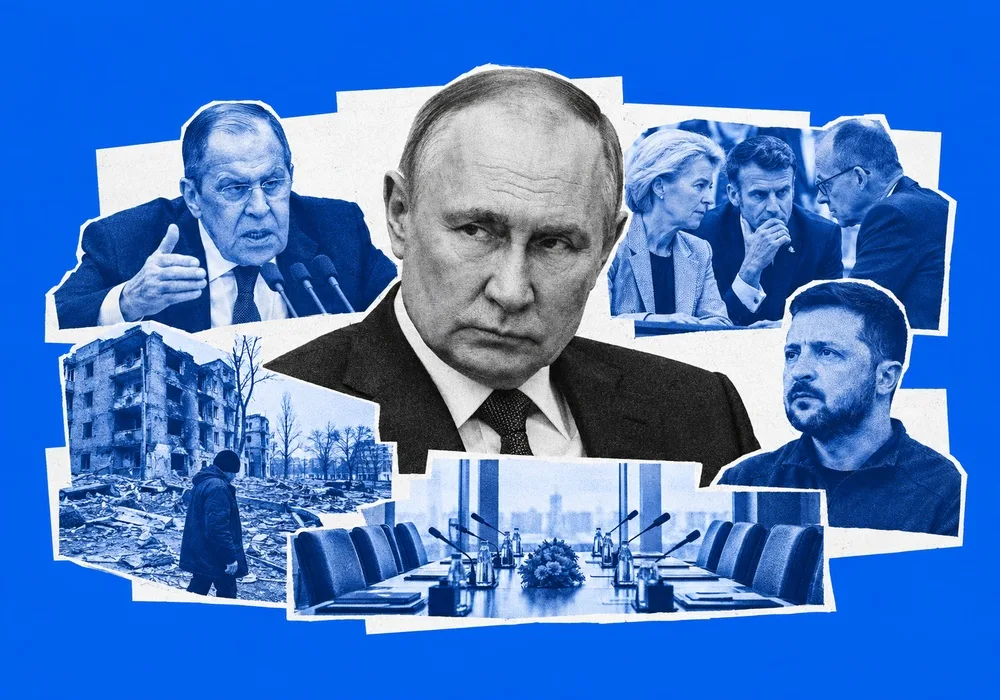
Russia has accused European governments of obstructing US-backed efforts to end the war in Ukraine. The dispute reflects a wider disagreement over Europe’s role in negotiations, as Washington seeks to advance direct diplomacy with Moscow and Kyiv while the EU insists that any settlement must protect Ukraine’s sovereignty and include credible security guarantees.
Russian Foreign Minister Sergey Lavrov has accused European countries of obstructing efforts to end Russia’s war against Ukraine, arguing that Europe is seeking to interfere in a US-backed diplomatic process. His remarks came during the UN General Assembly in New York as diplomatic efforts continue without a permanent ceasefire and Russia and Ukraine remain engaged in intensified military strikes.
Lavrov claimed that European governments were doing “everything they can to thwart” the prospects for peace talks. He also accused Western countries of supplying Ukraine with weapons and supporting strikes against Russian targets. Moscow has repeatedly portrayed continued Western military assistance as evidence that European governments are seeking to prolong the war rather than support negotiations.
Moscow and Washington pursue separate diplomatic tracks
The Russian accusation comes as the United States continues to push for a diplomatic settlement. US envoys Steve Witkoff and Jared Kushner visited Kyiv earlier in September after discussions in Moscow, with Ukrainian officials describing the contacts as part of an effort to restart negotiations.
President Volodymyr Zelenskyy said on 7 September that resuming negotiations was important regardless of the format, while stressing that the absence of any diplomatic process would be worse. Ukrainian officials have since indicated that another round of talks could take place in early October, potentially focusing initially on practical measures such as reducing air strikes and improving security around Black Sea shipping.
The US-led effort has yet to produce a lasting ceasefire. At the same time, both Russia and Ukraine have continued attacks, underscoring the gap between diplomatic contacts and conditions on the battlefield. Recent strikes have caused further civilian casualties and damage to infrastructure in Ukraine.
Europe rejects the idea of being excluded
European governments have not opposed negotiations in principle. Instead, the EU has consistently argued that any settlement must preserve Ukraine’s sovereignty and territorial integrity and include credible long-term security guarantees.
The European Council has explicitly stated that the EU supports diplomatic efforts to end Russia’s war and is ready to increase its engagement. At the same time, European leaders have insisted that Ukraine must participate in decisions concerning its future and that any settlement cannot legitimise territorial changes achieved through force.
This position reflects a broader European concern over the consequences of a settlement for the continent’s security architecture. EU governments are also preparing to contribute to security guarantees for Ukraine through the Coalition of the Willing and in cooperation with the United States, while continuing military and financial support for Kyiv.
The EU's approach therefore combines support for negotiations with the view that the conditions of a settlement will have direct implications for European security. Brussels has also linked diplomatic pressure to continued sanctions and efforts to reduce Russia’s ability to finance its war.
The dispute is also about Europe's role in the settlement
Lavrov’s comments highlight a growing disagreement over who should shape the diplomatic process. Moscow has portrayed European involvement as an attempt to influence or disrupt negotiations promoted by Washington, while European governments argue that they cannot be excluded from decisions that would directly affect their security.
Ukraine has likewise stressed the importance of US and European participation. At the Yalta European Strategy forum in Kyiv earlier this month, Zelenskyy’s chief of staff Kyrylo Budanov said that the next stage of negotiations should involve both the United States and Europe. He also linked the prospects for talks to military pressure on Russia and described possible discussions on reducing attacks against civilian and critical infrastructure.
The dispute leaves the diplomatic process operating on two parallel levels. Washington is attempting to maintain direct engagement with Moscow and Kyiv, while European governments are seeking a role in defining the security guarantees and broader political framework that could follow any ceasefire.
For Europe, the central issue is therefore not whether negotiations should take place, but how a settlement would affect Ukraine's sovereignty and the continent's wider security arrangements. The EU has made clear that it supports diplomacy while maintaining that a lasting settlement must be based on international law and backed by credible security guarantees.
Sources: The Jakarta Post, European Council, President of Ukraine