Top news

Oct 31, 2026, 03:00 AM UTC

← Latest news

01
ContinuingAI-generated
French Constitutional Council approves assisted dying bill and strikes down minor social media ban

French Constitutional Council approves assisted dying bill and strikes down minor social media ban

France's Constitutional Council has approved assisted dying legislation with reservations while striking down a proposed ban on social media for minors under 15.

France’s Constitutional Council has ruled on two landmark legislative projects, approving a bill establishing a conditional right to assisted dying while striking down a proposed ban on social media access for children under 15.

The high court deemed the end-of-life legislation constitutional, clearing the path for its official promulgation. However, judges introduced three interpretative reservations, including a conscience clause allowing private and religious healthcare institutions to opt out of providing the procedure.

Concurrently, the council invalidated Article 1 of a digital safety bill that sought to prohibit minors under 15 from using social media platforms. The court ruled that a blanket ban represented an excessive restriction on public freedoms, effectively invalidating the core provision of the presidential initiative.

Sources: La Tribune, Le Figaro, Le Monde, Libération, Politico Europe (Defense)
Read more
02
ContinuingAI-generated
US strikes Iranian targets in Strait of Hormuz as talks falter

US strikes Iranian targets in Strait of Hormuz as talks falter

US strikes hit Iranian military positions in the Strait of Hormuz as Qatari-brokered talks face obstacles over Tehran's demands and new US compensation claims.

Diplomatic talks between the United States and Iran remain stalled amid renewed military action in the Middle East. US Central Command confirmed strikes targeting missile launchers on Larak Island in the Strait of Hormuz, marking the first direct American attack on Iranian territory in a month. Iranian authorities reported six naval deaths following the operation.

Meanwhile, Qatari-mediated negotiations continue. Iranian Foreign Minister Abbas Araghchi outlined Tehran's demands to US envoy Steve Witkoff, calling for an immediate end to the US naval blockade, the unfreezing of Iranian assets, and a complete cessation of regional hostilities to reopen the Strait of Hormuz.

However, prospects for an immediate breakthrough narrowed after US President Donald Trump demanded financial compensation from Iran for historical attacks, creating additional friction in the discussions.

Sources: Le Figaro, Le Monde, Le Soir, Libération, RTBF Info.

Read more
03
ContinuingAI-generated
US envoys defend Russian diesel deal as domestic and international criticism mounts

US envoys defend Russian diesel deal as domestic and international criticism mounts

US officials defended Donald Trump's deal permitting Russian diesel exports as a diplomatic step, amid widespread criticism from American lawmakers and Ukrainian authorities.

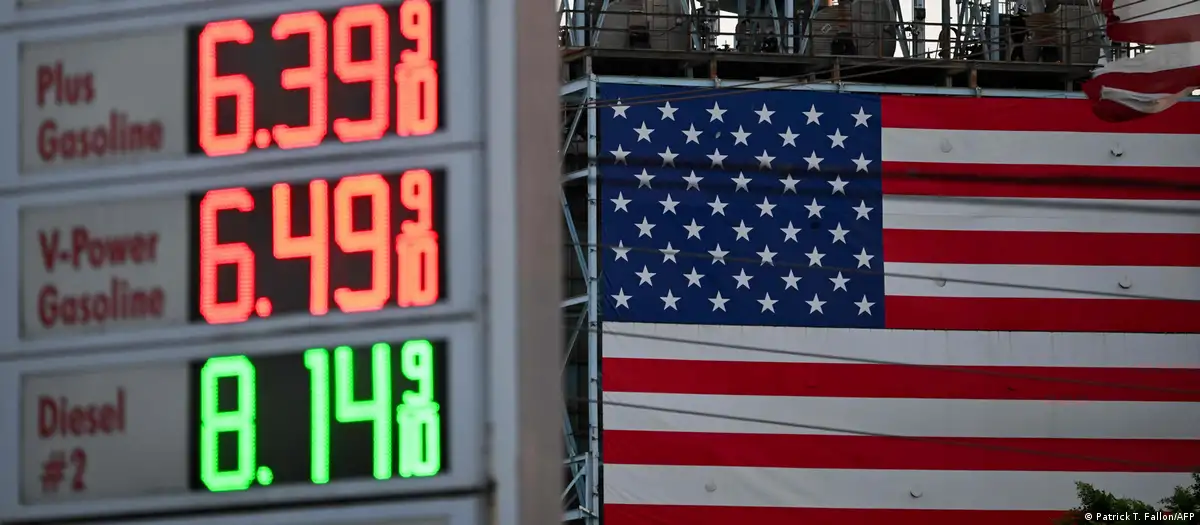
American diplomats met Ukrainian representatives in Miami to explain President Donald Trump's agreement with Russian President Vladimir Putin permitting Russian diesel exports. According to sources familiar with the discussions, US officials presented the arrangement as an effort to bring Moscow back to peace negotiations while mitigating elevated fuel costs before upcoming elections.

However, the decision faces growing resistance. Ukrainian officials expressed strong dissatisfaction, while policy experts warned that revenues from diesel sales could fund Moscow's military efforts and potentially benefit allies like Iran. In Washington, lawmakers from both major political parties criticized the plan, arguing that easing energy sanctions weakens Western leverage over the Kremlin.

Despite White House assurances, analysts caution that the strategy risks alienating key allies while providing vital economic support to Russia.

Sources: Adevărul, Digi24, HotNews, Moldova1, Ziarul de Gardă.

Read more
04
ContinuingAI-generated
Ukrainian personnel highlight systemic military supply, rotation, and award issues

Ukrainian personnel highlight systemic military supply, rotation, and award issues

Ukrainian military personnel report systemic rotation, supply, and award allocation issues while the Defense Ministry advances combat surgery training.

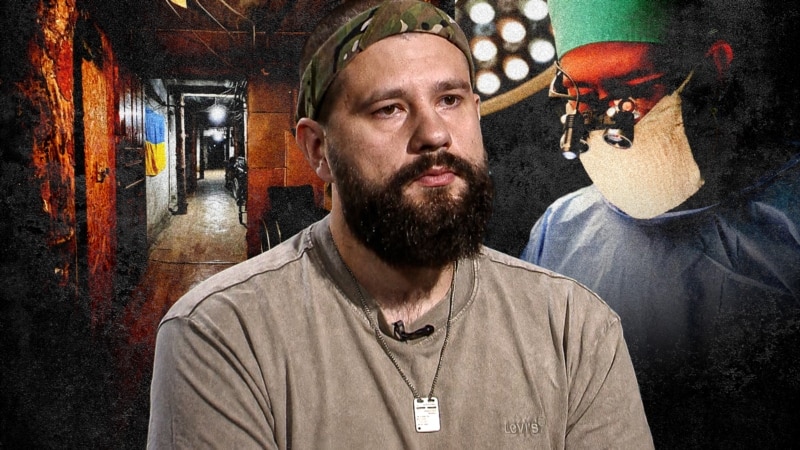
Ukrainian military personnel and commentators have raised concerns regarding internal administrative, logistical, and rotation challenges within the armed forces. Combat surgeon Bohdan Zhuravel cautioned that prolonged deployments without regular rotations are severely straining frontline personnel. Concurrently, drone unit commander Yuriy Butusov reported that officers frequently must secure essential equipment independently due to persistent supply chain inefficiencies. Furthermore, an inquiry cited by Ukrayinska Pravda indicated that military honors are heavily concentrated among brigade headquarters staff rather than lower-ranking combat troops.

In response to medical operational needs, Ukraine's Ministry of Defense announced the successful completion of the "Tryzub" international combat surgery training program. Defense officials plan to establish a dedicated combat trauma competence center to standardize emergency procedures for medical personnel operating near active combat zones.

Sources: Liga net, NV, Радіо Свобода, Українська правда

Read more
05
ContinuingAI-generated
Swedish media analysis highlights key differences in Ukraine war weaponry

Swedish media analysis highlights key differences in Ukraine war weaponry

Dagens Nyheter details the operational mechanics and defense challenges of ballistic missiles, cruise missiles, and drones in the Russia-Ukraine war.

Swedish daily Dagens Nyheter has published a detailed breakdown explaining the technical differences and strategic roles of ballistic missiles, cruise missiles, and drones in the ongoing war between Russia and Ukraine.

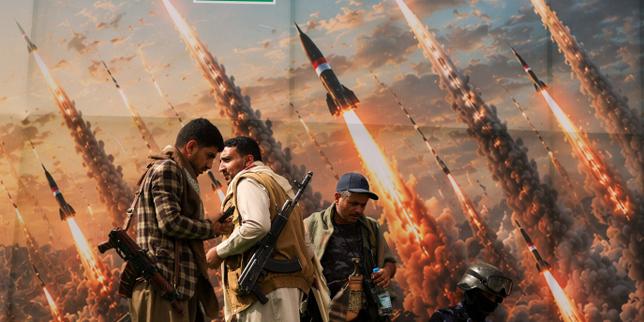
The report outlines how high-altitude ballistic missiles travel along steep trajectories before descending at extreme speeds, creating significant interception challenges for defenders. Cruise missiles, by contrast, operate at low altitudes and maneuver around terrain features to bypass early warning radar systems. Meanwhile, uncrewed aerial vehicles are increasingly deployed in swarms to saturate air defense networks and force defenders to expend costly missile stockpiles.

Countering these diverse threats requires an integrated, multi-layered air defense architecture capable of tracking targets across distinct altitudes, speeds, and radar signatures.

Sources: Dagens Nyheter

Read more
Share