Top news

Oct 28, 2026, 12:30 AM UTC

← Latest news

01
ContinuingAI-generated
Italian public trust in artificial intelligence declines amid economic and regulatory concerns

Italian public trust in artificial intelligence declines amid economic and regulatory concerns

Public trust in AI in Italy has dropped from 68% to 49% since 2020 amid growing fears of job losses, zero-click search summaries, and regulatory resistance from tech giants.

Public perception of artificial intelligence in Italy has shifted markedly, with a new SWG survey showing positive views dropping from 68 percent in 2020 to 49 percent, while public concern rose to 45 percent. The figures, presented at the Chamber of Deputies, arrive alongside growing debate over technological disruption and governance.

Media reports highlight expanding anxieties, including estimates that AI contributed to roughly 425,000 job losses globally over three years, as well as risks to digital publishers from "zero-click" AI search overviews. Simultaneously, major technology companies face scrutiny for attempting to limit government regulation despite ongoing safety debates.

Despite these concerns, Italian figures remain influential in global AI development, including Anthropic chief executive Dario Amodei. However, commentators continue to question the concentration of wealth and power within the sector.

Sources: ANSA, Corriere della Sera, Il Messaggero, Il Sole 24 Ore, La Repubblica.
Read more
02
ContinuingAI-generated
US targets Iranian oil tankers in Strait of Hormuz escalation

US targets Iranian oil tankers in Strait of Hormuz escalation

U.S. forces executed strikes on Iranian military targets and oil tankers near the Strait of Hormuz following missile attacks on warships.

U.S. Central Command has launched large-scale strikes against Iranian military targets and three commercial oil tankers near the Strait of Hormuz following Iranian ballistic missile attacks on two American warships and attempts to mine the waterway. U.S. military officials confirmed that all naval mines have since been cleared.

The operation marks a significant escalation by bringing commercial energy shipping directly into the theater of combat. U.S. President Donald Trump warned that persistent attacks on tankers would trigger strikes against Iran's energy grid and infrastructure, stating that "very little will remain of Iran" if hostilies continue. Military analysts note that targeting critical energy trade routes and integrating drone technology reflect a broader shift toward fifth-generation resource warfare.

Sources: Investor.bg, Mediapool, Nova TV

Read more
03
ContinuingAI-generated
European leaders address security, defense, and regional stability at MED9 summit

European leaders address security, defense, and regional stability at MED9 summit

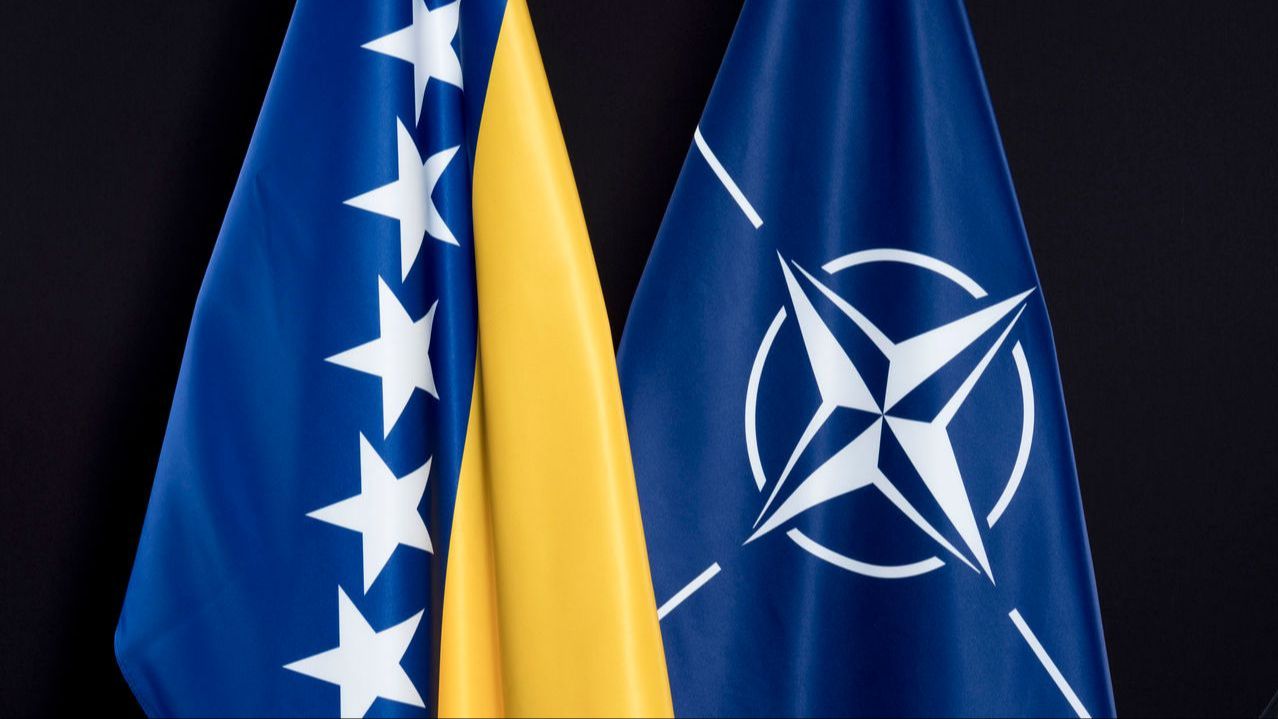
European leaders at the MED9 summit discussed defense, energy stability, and electoral reforms in Bosnia and Herzegovina to address growing regional challenges.

Following the MED9 summit in Split, European leaders and policy experts evaluated growing security, migration, and economic pressures facing the bloc. Reflecting on institutional readiness, European Commission President Ursula von der Leyen warned that European mechanisms were "created for a different world" and must adapt to present-day realities.

During bilateral discussions, Croatian Prime Minister Andrej Plenković met with von der Leyen to discuss energy market risks driven by instability in the Middle East. Plenković outlined national measures capping fuel, gas, and electricity prices to shield consumers and businesses. Furthermore, Plenković emphasized the urgency of political and electoral reforms in Bosnia and Herzegovina, arguing that equal representation for all three constituent peoples—specifically regarding the Croat member of the presidency—is crucial for long-term regional stability.

Sources: Avaz, FENA, HRT Vijesti, Index

Read more
04
ContinuingAI-generated
Sarajevo defense gatherings highlight drone threats and regional manufacturing growth

Sarajevo defense gatherings highlight drone threats and regional manufacturing growth

Over 140 experts at the Sarajevo Security Conference discussed drone risks, while Bosnian officials announced two new defense manufacturing plants.

The fourth Sarajevo Security Conference convened over 140 experts, NATO commanders, and international diplomats to examine European defense under the banner of security in a divided world.

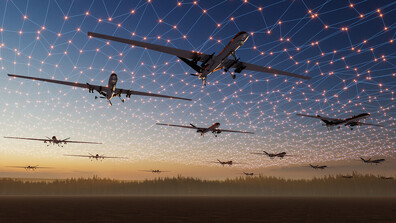
Key discussions focused on airspace vulnerabilities and uncrewed technology. EUROCONTROL official Major General Karsten Stoye identified low-altitude drones as the primary emerging challenge for European airspace over the coming five years. Meanwhile, NATO Rear Admiral Van Zanten highlighted the role of artificial intelligence and uncrewed surface vessels in naval strategy, observing that "the future belongs to drones."

In tandem with the conference, Federation of Bosnia and Herzegovina officials showcased local defense sector expansion at the "First Balkan Shield 2026" trade fair, announcing plans for two new manufacturing facilities following a doubling of domestic defense output over three years.

Sources: Avaz, FENA, HRT Vijesti, Index, Klix

Read more
05
ContinuingAI-generated
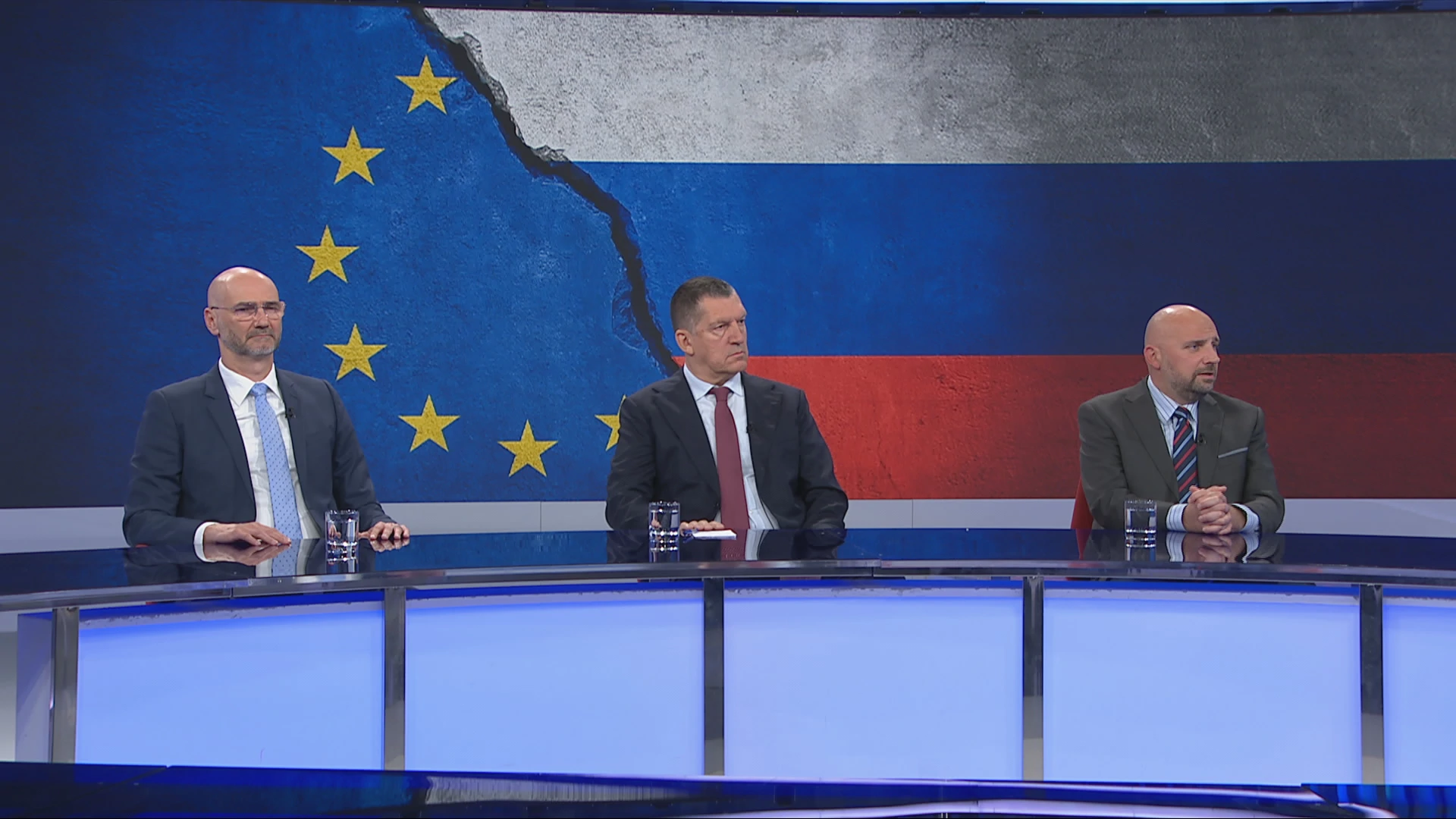
European Commission prepares tailored roadmaps to accelerate EU enlargement

European Commission prepares tailored roadmaps to accelerate EU enlargement

The European Commission has proposed phased accession roadmaps for leading candidate states Montenegro, Albania, Ukraine, and Moldova.

The European Commission has proposed customized roadmaps to streamline accession for key candidate countries, specifically Montenegro, Albania, Ukraine, and Moldova. The framework establishes a phased integration model aimed at rewarding rapid policy alignment while easing concerns among current member states regarding the financial and political implications of expansion.

According to Vessela Tcherneva, deputy director at the European Council on Foreign Relations, Ukraine and Moldova maintain an "enormous desire to move closer to the EU" despite ongoing security pressures. The refined strategy enables high-performing applicant nations to advance through negotiation clusters while slower-reforming candidates remain on a separate timeline.

Sources: Investor.bg, Mediapool, Nova TV

Read more
Share