Top news

Oct 22, 2026, 10:00 AM UTC

← Latest news

01
ContinuingAI-generated
Analysis details air defense challenges posed by missiles and drones in Ukraine war

Analysis details air defense challenges posed by missiles and drones in Ukraine war

An analysis by Dagens Nyheter examines how ballistic missiles, cruise missiles, and drones present distinct operational challenges for air defense networks in Ukraine.

Swedish news outlet Dagens Nyheter has published an operational analysis detailing how distinct aerial weapon systems complicate defensive strategies in the ongoing conflict between Russia and Ukraine. The report outlines the tactical differences between ballistic missiles, cruise missiles, and unmanned aerial vehicles.

According to the analysis, high-speed ballistic missiles follow elevated trajectories that severely limit early warning and interception windows. Conversely, low-altitude cruise missiles maneuver around terrain features to evade radar detection networks. Drones present a different threat vector by being deployed in high volumes to overload tracking systems and deplete finite air defense missile inventories. Military analysts conclude that countering these varied weapons requires integrated, multi-tiered air defense coverage capable of responding to contrasting speeds and flight profiles.

Sources: Dagens Nyheter.

Read more
02
ContinuingAI-generated
Trump's second term marked by democratic decline and funding cuts, reports show

Trump's second term marked by democratic decline and funding cuts, reports show

Reports from international institutions and tracking groups indicate declining democratic standards and major cuts to federal funding midway through Donald Trump's second term.

Midway through President Donald Trump’s second term, international monitors and media analyses highlight growing concerns over declining democratic standards and shifting American influence. According to the 2025 annual report by the International Institute for Democracy and Electoral Assistance (International IDEA), key democratic indicators in the United States have fallen to their lowest level in 50 years, contributing to an 11-year global trend of democratic backsliding.

Domestically, non-profit tracking groups report that the administration has frozen or revoked $177 billion in federal grants, impacting public health, disaster relief, nutrition, and environmental initiatives. Internationally, commentators note that despite holding expansive executive power with support from Congress, the administration faces strained foreign alliances and diminishing global diplomatic leverage.

Sources: Avaz, Danas, Klix, N1, Vijesti

Read more
03
ContinuingAI-generated
French emergency services stabilize several southern wildfires as containment efforts progress

French emergency services stabilize several southern wildfires as containment efforts progress

Firefighters across southern France have stabilized blazes in Aude and Var, while Armed Forces Minister Sébastien Lecornu prepares to visit Gironde to oversee reconstruction.

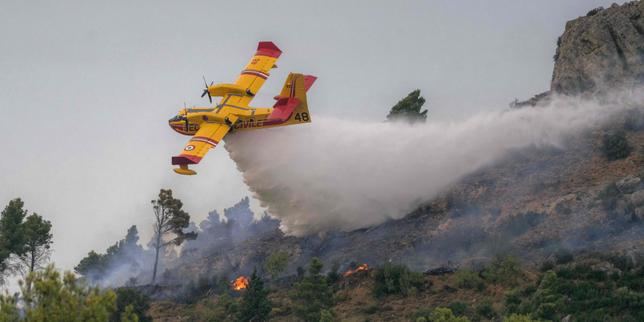
Emergency crews in southern France continue to manage several active wildfires while containment efforts show progress across affected regions. In the Aude department, the wildfire near Montséret has been stabilized after scorching 100 hectares, though the Puilaurens fire remains active at 225 hectares due to inaccessible hot spots in difficult terrain.

In the Var department, local blazes have been completely extinguished, but authorities restricted access to seven forest massifs because of severe fire risks. Meanwhile, the major wildfire in Gironde is no longer advancing, allowing French Armed Forces Minister Sébastien Lecornu to schedule an August 17 visit to coordinate regional reconstruction. Official reports indicate that fires have burned over 115,000 hectares across France since the start of the year.

Sources: Le Figaro, Le Monde, Le Soir, Libération, RTBF Info

Read more
04
ContinuingAI-generated
Serbia's president, Aleksandar Vučić, resigns ahead of early elections

Serbia's president, Aleksandar Vučić, resigns ahead of early elections

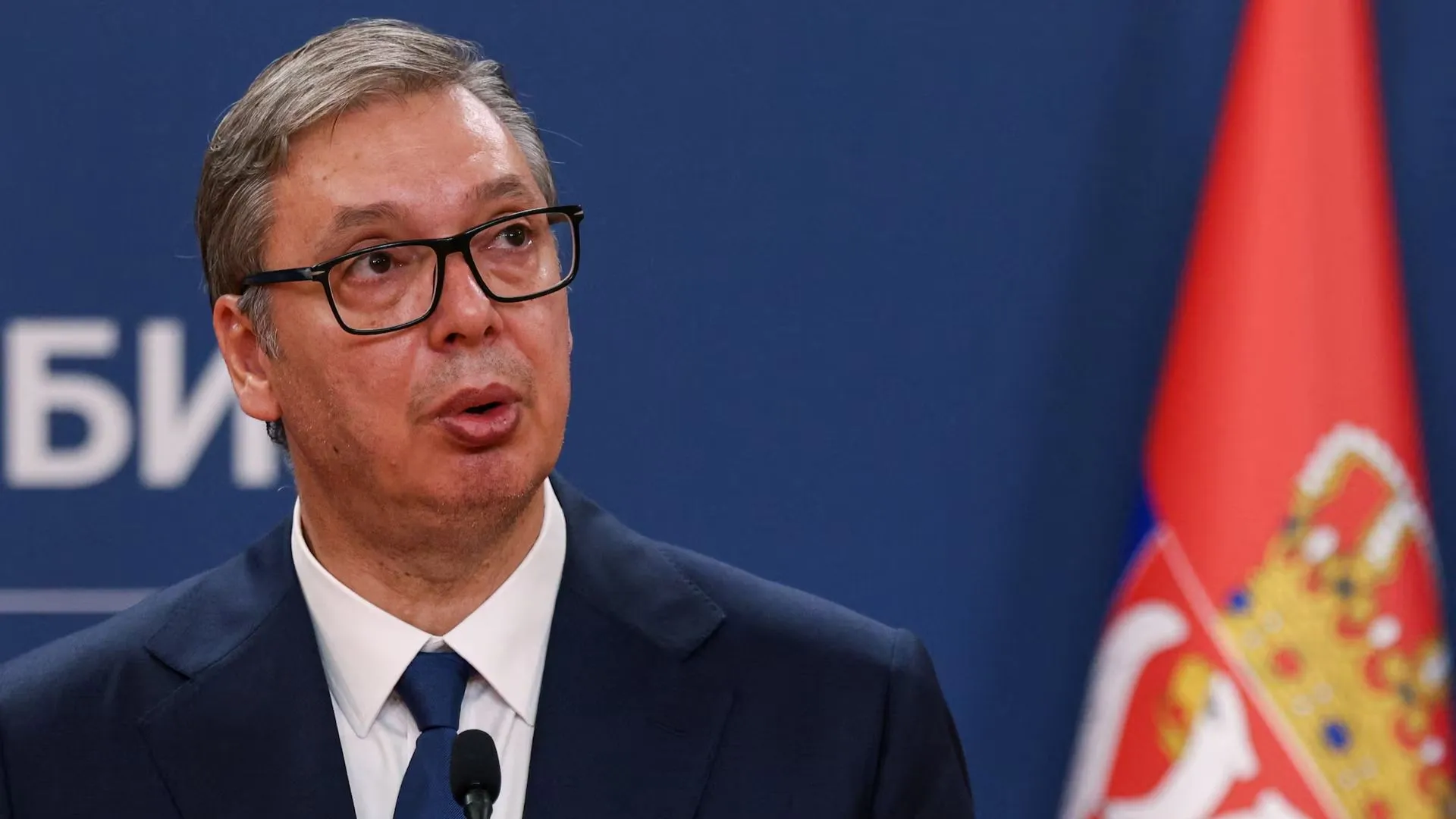
Serbian President Aleksandar Vučić has resigned seven months early, triggering snap presidential elections while Ana Brnabić steps in as interim head of state.

Serbian President Aleksandar Vučić has officially stepped down seven months prior to the end of his second five-year term, initiating a transition toward early presidential elections. Under Serbia's constitution, Vučić is barred from running for a third consecutive term in office.

Former Parliamentary Speaker Ana Brnabić has assumed the role of interim president to oversee state responsibilities during the political transition. The move precedes early parliamentary elections scheduled for October 25, following the recent dissolution of the national legislature and the appointment of a caretaker government.

Under constitutional rules, new presidential elections must be organized within ninety days of the resignation.

Sources: Adevărul, Digi24, HotNews, TV8, Ziarul de Gardă

Read more
05
ContinuingAI-generated
Polish defense experts call for structural reforms to match rising military budget

Polish defense experts call for structural reforms to match rising military budget

Polish defense analysts urge deep structural reforms, arguing that record military spending alone cannot ensure operational deterrence without procurement and mobilization updates.

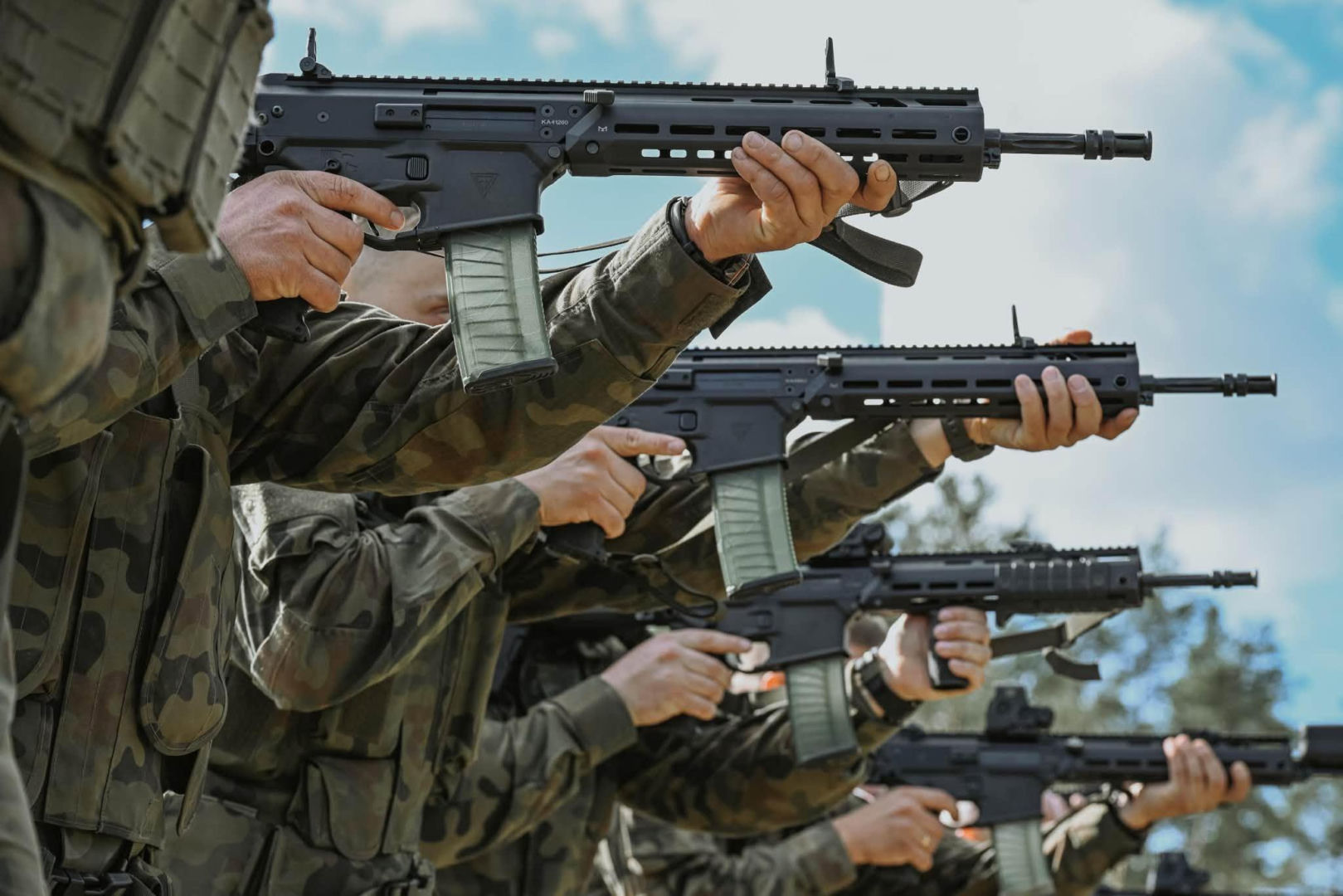
Polish defense analysts and think tanks are calling for systemic institutional reforms as national military expenditure is set to rise from 2.2 percent of gross domestic product in 2022 to 4.81 percent by 2026. Despite major acquisitions—including F-35 fighter jets, HIMARS launchers, and Abrams tanks—experts argue that high financial outlays alone cannot guarantee effective deterrence against potential aggression.

Proposals from organizations such as the Defence Institute and the Rozwój Plus initiative emphasize transforming the armed forces into a war-ready force designed for high-intensity conflict and rapid mobilization. Key priorities include overhauling command structures, resolving personnel deficits, and reforming the procurement system to convert record spending into long-term combat readiness and domestic industrial capability.

Sources: Defence24, Portal obronny, Rzeczpospolita, TVP info

Read more
Share