Top news

Oct 18, 2026, 02:00 AM UTC

← Latest news

01
ContinuingAI-generated
French court approves assisted dying law while blocking social media ban for minors

French court approves assisted dying law while blocking social media ban for minors

France's Constitutional Council has validated assisted dying legislation while rejecting a proposed social media ban for minors under 15.

France’s Constitutional Council has approved the country’s landmark assisted dying bill while invalidating a proposed social media ban for children under 15.

The high court ruled that lawmakers acted within their constitutional authority in legalizing assisted dying, attaching three interpretative reservations. Most notably, the decision guarantees a conscience clause allowing private and religious healthcare facilities to refuse involvement in end-of-life procedures. French President Emmanuel Macron commended the ruling, describing it as the conclusion of an "exemplary democratic debate."

Conversely, the justices struck down Article 1 of a digital safety bill, judging the blanket restriction on minors under 15 using social media platforms to be disproportionate. Additionally, the Council upheld key provisions within an emergency agricultural law.

Sources: La Tribune, Le Figaro, Le Monde, Libération, Politico Europe (Defense)
Read more
02
ContinuingAI-generated
Ukrainian service members highlight logistical and administrative challenges in armed forces

Ukrainian service members highlight logistical and administrative challenges in armed forces

Ukrainian soldiers and commentators raise concerns regarding continuous deployments, unit supply shortages, military medal distribution, and mobilization reform.

Ukrainian military personnel and commentators have publicly highlighted systemic operational and administrative difficulties within the country's armed forces.

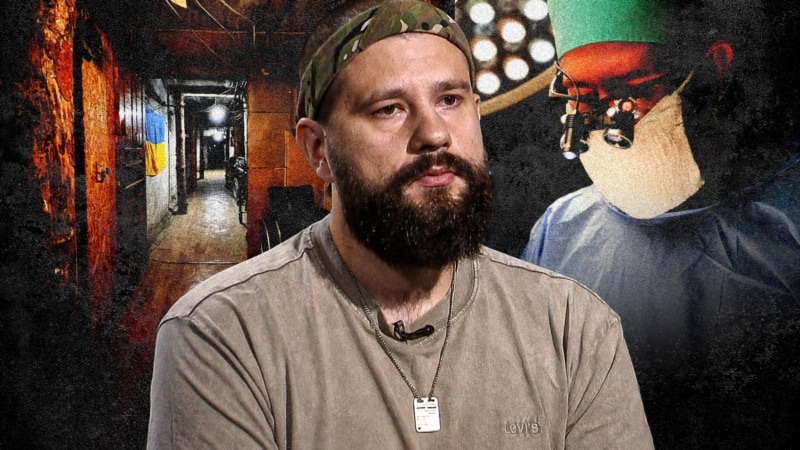
Frontline surgeon Bohdan Zhuravel cautioned that continuous troop deployments without rotations are severely straining personnel, warning that current government policies fail to adequately support long-serving soldiers. Meanwhile, drone unit commander Yuriy Butusov reported that unit leaders are frequently required to independently secure essential supplies due to a lack of centralized state accountability.

Administrative practices have also faced criticism. An investigation highlighted inequality in the military awards system, noting that commendations are disproportionately distributed to higher command staff rather than frontline soldiers. Additionally, service member Pavlo Kazarin argued that targeted reforms to deferments and military medical boards are necessary to ensure a more equitable mobilization process.

Sources: Liga net, NV, Радіо Свобода, Українська правда

Read more
03
ContinuingAI-generated
Swedish media analysis breaks down aerial weaponry in Ukraine war

Swedish media analysis breaks down aerial weaponry in Ukraine war

An analysis by Swedish outlet Dagens Nyheter breaks down the operational differences between ballistic missiles, cruise missiles, and drones in the Russia-Ukraine conflict.

Swedish newspaper Dagens Nyheter has published an analysis detailing the operational characteristics of primary aerial weapons used in the Russia-Ukraine war, emphasizing the challenges faced by air defense systems.

The report explains the technical distinctions between ballistic missiles, cruise missiles, and uncrewed aerial vehicles. Ballistic missiles travel on high-altitude trajectories at extreme speeds, leaving defenders with minimal reaction time. In contrast, cruise missiles fly at low altitudes, utilizing terrain features to avoid radar detection. Meanwhile, massed drone attacks are increasingly deployed to saturate and deplete expensive defense stockpiles.

Military experts note that countering these diverse threats requires integrated, multi-layered air defense networks capable of handling high-speed, low-altitude, and saturation tactics simultaneously.

Sources: Dagens Nyheter

Read more
04
ContinuingAI-generated
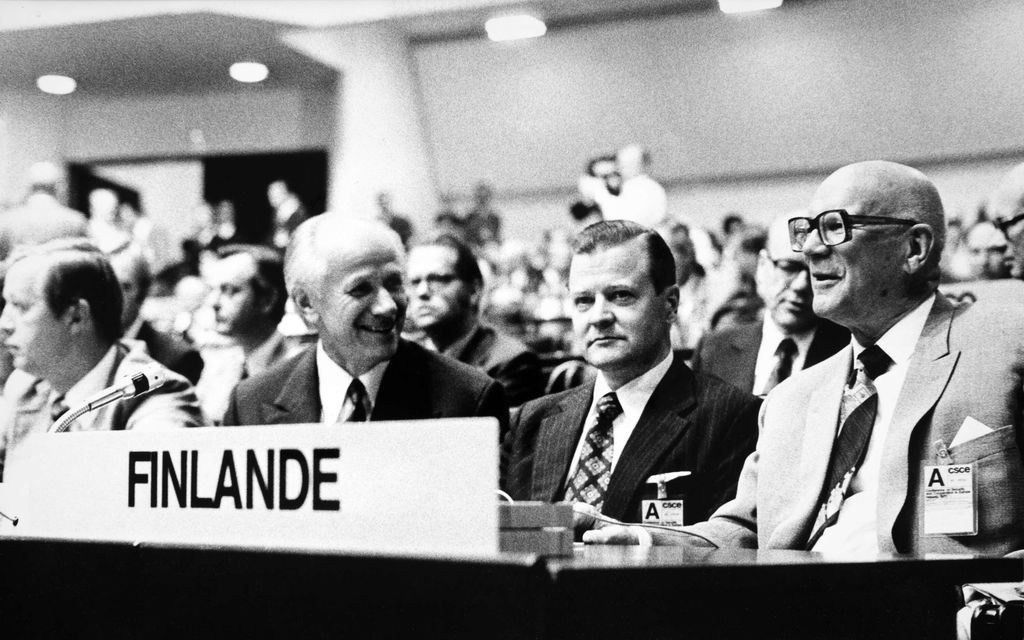
Historical account details KGB threats against former Finnish leader Keijo Liinamaa

Historical account details KGB threats against former Finnish leader Keijo Liinamaa

Political scientist Alpo Rusi details late-1970s KGB pressure against former Finnish caretaker Prime Minister Keijo Liinamaa.

Political scientist Alpo Rusi has detailed covert Soviet intelligence operations in Finland during the late 1970s and early 1980s in an analysis published by Iltalehti. The account examines KGB pressure directed at former caretaker Prime Minister and national conciliator Keijo Liinamaa shortly before his death in December 1980.

According to Rusi, Soviet intelligence targeted key Finnish officials to sway labor market decisions and prepare for presidential succession dynamics as President Urho Kekkonen's term drew to a close. Liinamaa had reportedly disclosed receiving severe warnings related to his political and labor roles. The revelations underscore how Moscow actively sought to preserve strategic leverage over Helsinki's domestic and foreign policy during the Cold War.

Sources: Iltalehti

Read more
05
ContinuingAI-generated
Finland re-evaluates past Russia policy as key anniversaries approach

Finland re-evaluates past Russia policy as key anniversaries approach

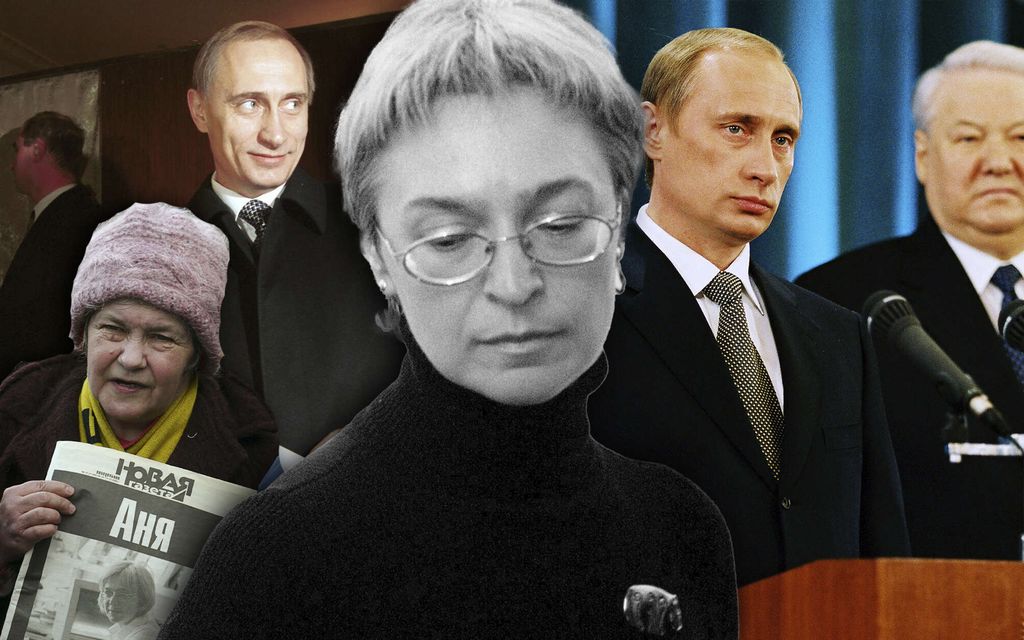
Finnish experts are re-evaluating historical foreign policy miscalculations regarding Russia as the 20th anniversary of Anna Politkovskaya's murder approaches.

As Russian President Vladimir Putin approaches his 74th birthday next week, Finnish foreign policy analysts are examining past diplomatic misjudgments regarding Moscow's authoritarian shift. The date also marks 20 years since the assassination of investigative journalist Anna Politkovskaya, who was shot dead in her Moscow apartment stairwell after uncovering human rights violations in Chechnya. Her murder profoundly affected public sentiment in Finland, where her reporting was closely monitored.

Experts emphasize that Finnish political leadership historically dismissed early indicators of rising state repression and strategic threats from Russia. Re-assessing these historical blind spots is now viewed as essential for strengthening Finland's national security strategy and navigating ongoing regional instability.

Sources: Iltalehti

Read more
Share