Top news

Oct 17, 2026, 11:30 PM UTC

← Latest news

01
ContinuingAI-generated
Slovenian football figures Aleš Čeh and Jan Mlakar reflect on careers and domestic ties

Slovenian football figures Aleš Čeh and Jan Mlakar reflect on careers and domestic ties

Former Slovenian national team captain Aleš Čeh and striker Jan Mlakar reflect on their careers, international coaching tenures, and domestic club ties.

Former Slovenian national team captain Aleš Čeh and striker Jan Mlakar have provided reflections on their careers and ongoing ties to domestic football.

Čeh, who captained Slovenia during its qualification era under manager Srečko Katanec, transitioned into coaching following his playing retirement. He served as Katanec's assistant for over a decade, including seven years working in Asia. Despite his long-standing ties to Olimpija Ljubljana and Austria's Grazer AK, Čeh emphasized his ongoing respect for rival club Maribor.

Meanwhile, 27-year-old forward Jan Mlakar has rejoined Maribor for a third spell, targeting his first league title with the team. Mlakar dismissed past transfer rumors regarding a potential move to Ljubljana, stating, "I was never close to joining Olimpija." He added that derby matches remain intense regardless of organizational changes.

Sources: Siol.net, Delo
Read more
02
ContinuingAI-generated
UN agrees on autonomous weapons definition amid expanding military AI use

UN agrees on autonomous weapons definition amid expanding military AI use

128 UN member states agreed on a definition for autonomous weapons in Geneva, while Germany and NATO advance practical military AI deployment.

At a meeting in Geneva, 128 United Nations member states established a common definition for autonomous weapon systems, marking a key step toward international regulation. The consensus follows joint warnings from the UN and the International Committee of the Red Cross that automated target selection approaches a moral boundary.

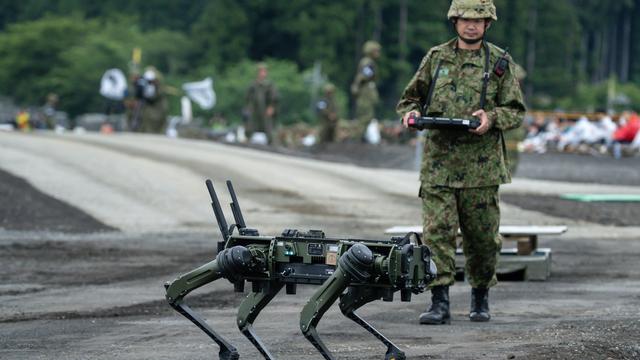
Simultaneously, practical integration of artificial intelligence into European defense operations is accelerating. Germany's Ministry of Defence confirmed that weapon systems may execute semi-autonomous functions without human intervention at every individual step, provided overall human control is preserved. Germany also revealed plans to build a proprietary data analytics platform instead of relying on US tech provider Palantir. Meanwhile, Ukraine and NATO have co-developed AI applications to predict enemy drone paths and assist with artillery planning.

Sources: Correctiv, Der Spiegel, Der Standard, Die Zeit, Hartpunkt

Read more
03
ContinuingAI-generated
Ukrainian strikes and Nordic security tension highlight Russia's strategic constraints

Ukrainian strikes and Nordic security tension highlight Russia's strategic constraints

Ukrainian refinery strikes and European hybrid warfare alerts coincide with rising diplomatic friction between Moscow and Oslo over NATO exercises.

Ukrainian drone strikes targeting a major oil facility near Moscow have knocked out significant Russian refining capacity, according to Ukrainian reports. The operations coincide with growing concerns in Northern Europe regarding Russian hybrid warfare, including reported drone incidents in Leipzig and alleged sabotage plans directed at Denmark's defense sector. Intelligence officials urge caution when responding to these covert actions.

Concurrently, diplomatic tensions between Moscow and Oslo have intensified. Following recent NATO maneuvers and the seizure of a Russian vessel, Kremlin officials have accused Norway of hostility, with Russian President Vladimir Putin alleging "statsterrorisme". Analysts note that while Russia retains the resources to sustain prolonged military operations, its strategic options are narrowing. Some Nordic observers contend that fulfilling European security objectives will ultimately necessitate a defeat for Russia in Ukraine.

Sources: Aftenposten, Berlingske, Dagens Næringsliv (DN), Finansavisen, TV 2 Nyheter

Read more
04
ContinuingAI-generated
European Commission proposes streamlined accession roadmaps for candidate states

European Commission proposes streamlined accession roadmaps for candidate states

The European Commission has proposed targeted roadmaps to accelerate EU accession for Montenegro, Albania, Ukraine, and Moldova while addressing member state cost concerns.

The European Commission has outlined proposed measures to streamline the European Union's enlargement process for leading candidate nations, including Montenegro, Albania, Ukraine, and Moldova. The initiative seeks to provide targeted roadmaps to speed up membership steps for top-performing applicants, while attempting to address existing member states' concerns regarding potential political and financial burdens.

Under the framework, candidate countries advancing their reforms will gain phased integration into specific EU initiatives. Vessela Tcherneva, deputy director of the European Council on Foreign Relations, highlighted that despite severe security pressures, Ukraine and Moldova possess "an enormous desire to move closer to the EU" and have initiated official negotiations by opening their first policy cluster. Candidates lagging in required judicial and governance reforms risk falling behind under the updated criteria.

Sources: Investor.bg, Mediapool, Nova TV

Read more
05
ContinuingAI-generated
US democratic indicators hit 50-year low amid grant cuts and diplomatic shifts

US democratic indicators hit 50-year low amid grant cuts and diplomatic shifts

Key indicators of US democracy reached a 50-year low alongside $177 billion in federal grant freezes, according to recent reports.

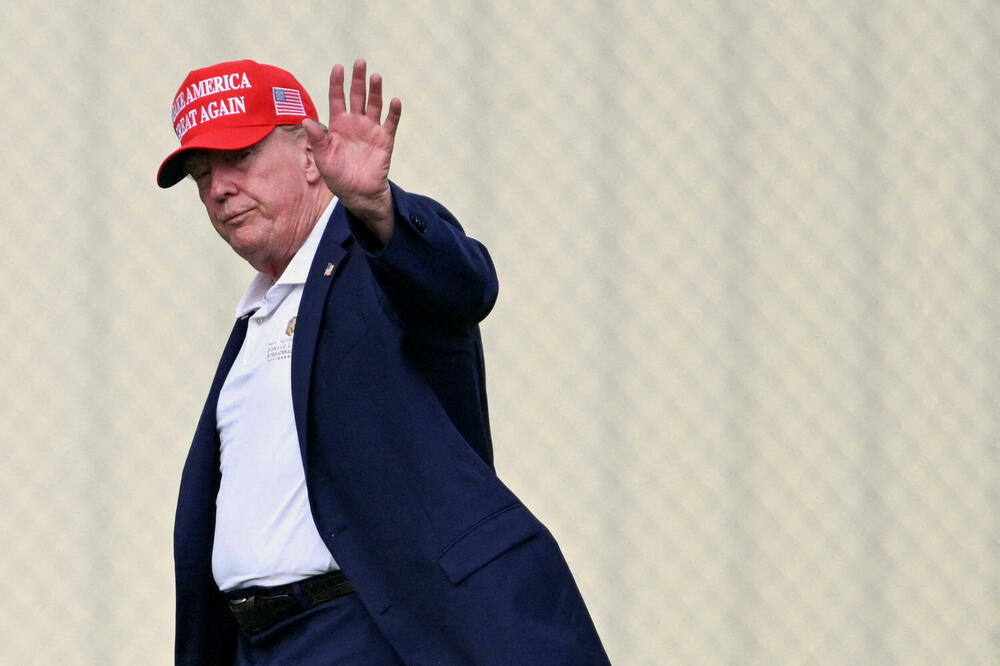
Recent reports and analyses highlight growing challenges to democratic governance and domestic funding in the United States under President Donald Trump.

According to the Stockholm-based International Institute for Democracy and Electoral Assistance (IDEA), key indicators of U.S. democracy have fallen to their lowest levels in 50 years, contributing to an 11-year global decline in democratic standards. Concurrently, data compiled by the States United Democracy Center and Grant Witness indicates that the administration has revoked or frozen approximately $177 billion in federal grants, impacting public health, nutrition, environmental protection, and disaster relief programs.

Analyses published across regional outlets also point to shifting international dynamics, suggesting that despite expanded executive power at home, the administration faces increasing diplomatic isolation and diminishing global influence.

Sources: Avaz, Danas, Klix, N1, Vijesti

Read more
Share