Top news

Oct 16, 2026, 02:00 AM UTC

← Latest news

01
ContinuingAI-generated
US-Iran diplomatic talks stumble as Washington resumes strikes and Tehran sets terms

US-Iran diplomatic talks stumble as Washington resumes strikes and Tehran sets terms

Qatari-mediated talks between the US and Iran face major hurdles following new US strikes in the Strait of Hormuz and added political demands from both sides.

Qatari-mediated diplomatic discussions between Washington and Tehran remain tense amid escalating political demands and renewed military action. Iranian Foreign Minister Abbas Araghchi outlined terms to US envoy Steve Witkoff for reopening the Strait of Hormuz, including an immediate end to the US naval blockade, the unfreezing of Iranian assets, and a full cessation of hostilities.

However, negotiation prospects weakened after US President Donald Trump stated he would seek financial compensation from Iran for fatalities linked to Iranian-backed operations. Meanwhile, direct military engagements restarted as US Central Command targeted two missile launchers on Larak Island, executing the first American strikes on Iranian soil in a month. Iranian state media confirmed six naval personnel were killed in recent US attacks.

Sources: Le Figaro, Le Monde, Le Soir, Libération, RTBF Info.

Read more
02
ContinuingAI-generated
Ukrainian troops and veterans criticize systemic issues in military and mobilization policies

Ukrainian troops and veterans criticize systemic issues in military and mobilization policies

Ukrainian service members and veterans have highlighted structural issues within the armed forces, including mobilization policies, frontline supply management, and recognition systems.

Active Ukrainian service members and veterans have raised concerns regarding systemic shortcomings within the nation's military operations, mobilization policies, and administrative processes.

Frontline medical personnel highlighted that long-serving troops face indefinite deployments without adequate rotations, warning that current government priorities favor civilians over soldiers. Logistical deficiencies also remain a key issue, with drone unit commanders reporting that officers must independently source critical gear due to a lack of institutional supply accountability.

Administrative practices have similarly drawn scrutiny. A study on veteran experiences noted that military honors are disproportionately allocated to brigade headquarters and command staff rather than frontline soldiers. Additionally, service members recommended structural reforms to military medical evaluation boards and draft deferment regulations to enhance fairness in mobilization.

Sources: Liga net, NV, Радіо Свобода, Українська правда

Read more
03
ContinuingAI-generated
Swedish analysis outlines defensive challenges posed by missiles and drones in Ukraine

Swedish analysis outlines defensive challenges posed by missiles and drones in Ukraine

A Swedish media analysis details how ballistic missiles, cruise missiles, and drones complicate air defense strategies in the war between Russia and Ukraine.

Swedish newspaper Dagens Nyheter has published an analysis examining the technical characteristics of aerial weapon systems used in the conflict between Russia and Ukraine. The report details why specific aerial threats pose severe operational challenges for modern air defense systems.

According to the publication, high-speed ballistic missiles allow exceptionally short response windows due to their steep trajectories. In contrast, low-altitude cruise missiles exploit terrain contours to avoid early radar detection. Additionally, uncrewed aerial vehicles present distinct logistical and tactical hurdles, often deployed in high volumes to exhaust defensive missile stockpiles. Analysts conclude that mitigating these varied aerial technologies requires integrated, multi-tiered air defense networks capable of handling diverse speeds, altitudes, and radar signatures.

Sources: Dagens Nyheter

Read more
04
ContinuingAI-generated
Trump's plan to allow Russian diesel exports draws pushback from Kyiv and US Congress

Trump's plan to allow Russian diesel exports draws pushback from Kyiv and US Congress

US President Donald Trump's plan to allow Russian diesel exports has sparked pushback from Ukrainian officials and a bipartisan group of US lawmakers.

US President Donald Trump's proposal to allow global sales of Russian diesel has drawn strong objections from Ukraine and American lawmakers. During diplomatic discussions in Miami, US envoys informed Ukrainian officials that the concession aims to coax Moscow back to the negotiating table after previous diplomatic efforts stalled.

Ukrainian leadership expressed firm opposition to the plan. Analysts also expressed skepticism about its efficacy, noting that Russian President Vladimir Putin continues to insist on demands regarding the Donbas region.

Domestically, the initiative triggered bipartisan criticism in the US Congress, where lawmakers warned that easing trade restrictions severely undermines existing sanctions against Moscow. Observers noted that the White House is simultaneously seeking ways to lower domestic fuel costs ahead of upcoming midterm elections.

Sources: Adevărul, Digi24, HotNews, Moldova1, Ziarul de Gardă.

Read more
05
ContinuingAI-generated
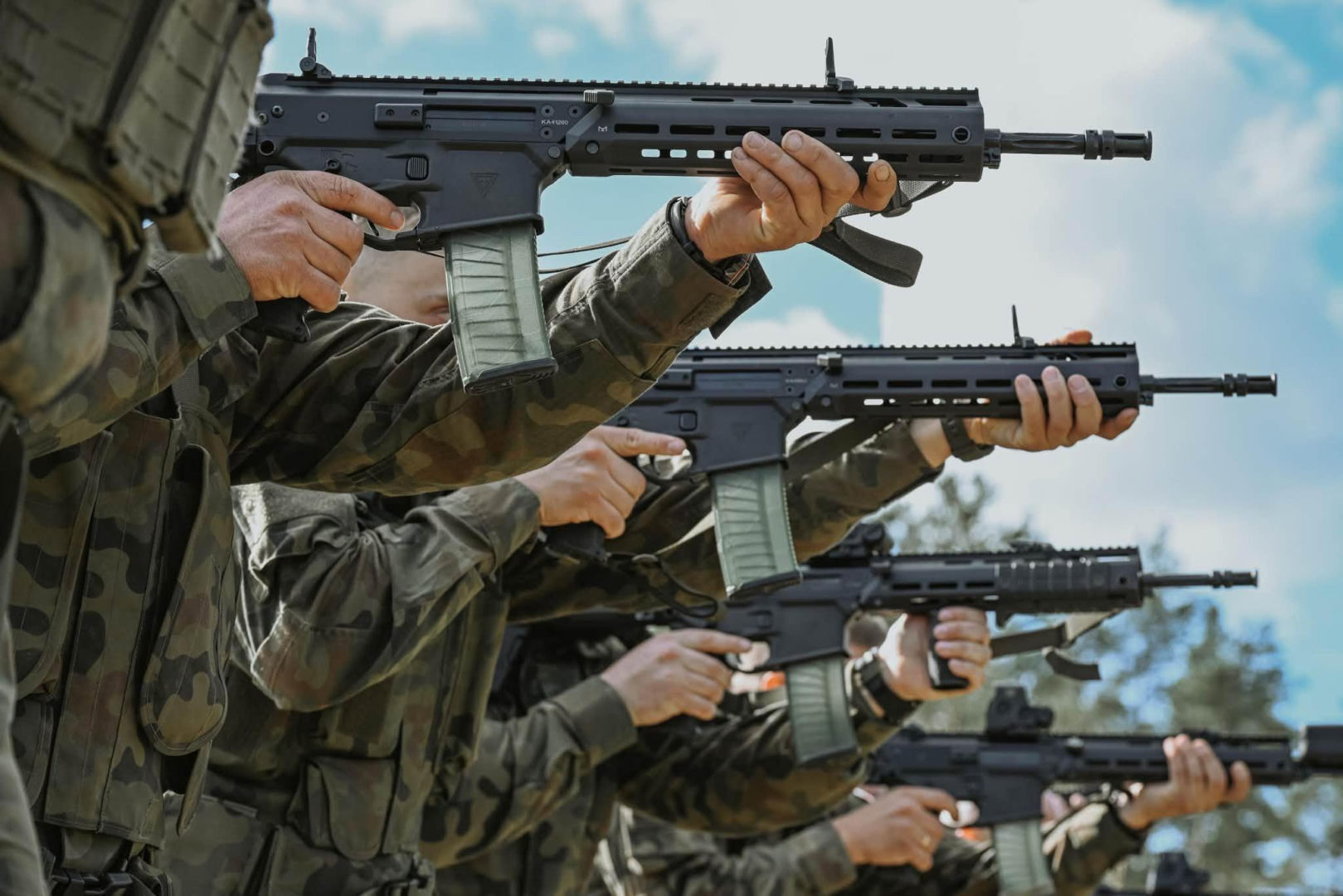
Polish experts advocate structural reforms as defense spending reaches record high

Polish experts advocate structural reforms as defense spending reaches record high

Polish analysts emphasize that record defense spending reaching 4.81 percent of GDP must be matched by structural reforms in procurement and mobilization capability.

As Poland prepares to allocate 4.81 percent of its gross domestic product to defense in 2026, military analysts and commentators emphasize that increased funding must be accompanied by comprehensive structural reform. While recent acquisitions include advanced hardware such as F-35 fighter jets, HIMARS launchers, and main battle tanks, experts warn that purchasing equipment alone cannot guarantee long-term combat readiness.

Recent proposals from strategic institutes highlight the need to overhaul command structures, streamline weapons procurement systems, and establish rapid mobilization frameworks. Analysts contend that without institutional modernization and defense industry integration, military investments risk inefficiency, stressing that effective deterrence requires converting record financial outlays into durable operational capabilities.

Sources: Defence24, Portal obronny, Rzeczpospolita, TVP info

Read more
Share