Top news

Oct 14, 2026, 04:30 AM UTC

← Latest news

01
ContinuingAI-generated
UN defines autonomous weapons as Germany advances domestic military AI strategy

UN defines autonomous weapons as Germany advances domestic military AI strategy

128 UN states agree on a definition for autonomous weapons in Geneva, as Germany advances domestic military AI policies and seeks independence from US vendors.

A total of 128 United Nations member states in Geneva have agreed on a formal definition for autonomous weapon systems, marking a significant milestone in global AI regulation. The consensus follows joint warnings from the UN and the International Committee of the Red Cross regarding the moral risks of machine-targeted violence.

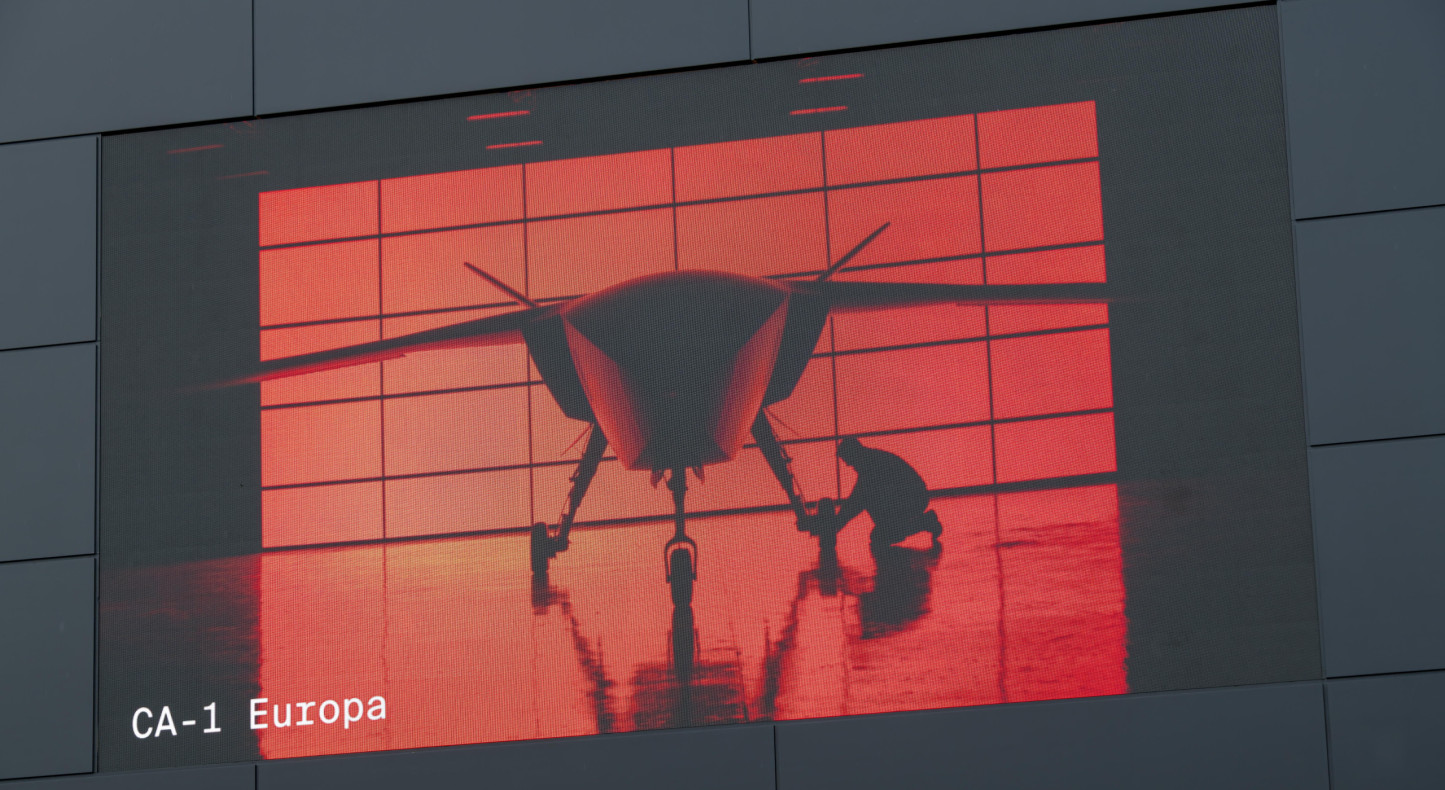
Meanwhile, Germany is shaping its own military AI framework. The German Ministry of Defence confirmed that automated weapon functions may operate without continuous human oversight in specific situations, though officials emphasized that "the decision on the use of military force remains with humans." Additionally, the Bundeswehr is developing an in-house data analytics platform to replace reliance on American vendor Palantir, prioritizing strategic autonomy and operational decision speed.

Sources: Correctiv, Der Spiegel, Der Standard, Die Zeit, ESUT

Read more
02
ContinuingAI-generated
Ukrainian strikes and hybrid threats heighten tensions across Northern Europe

Ukrainian strikes and hybrid threats heighten tensions across Northern Europe

Ukrainian drone strikes targeting Moscow's energy infrastructure coincide with reports of Russian hybrid threats and rising diplomatic friction across Northern Europe.

Ukrainian forces launched a major drone strike against a key oil refinery near Moscow, which Ukrainian sources report disabled over half of the facility's refining capacity.

Concurrently, European security agencies report heightened Russian hybrid activities, including drone incursions in Germany and foiled sabotage plots targeting Denmark's defense sector. Relations between Moscow and Oslo have also deteriorated following NATO exercises and Norway's seizure of a Russian vessel, prompting Kremlin accusations of "state terrorism."

Despite these operational constraints and diplomatic friction, security analysts note Russia maintains sufficient reserves to sustain its military campaign. However, Nordic media analyses contend that achieving European strategic aims for Ukraine will ultimately require a Russian defeat.

Sources: Aftenposten, Berlingske, Dagens Næringsliv (DN), Finansavisen, TV 2 Nyheter

Read more
03
ContinuingAI-generated
Slovenian football figures Čeh and Mlakar reflect on careers and club rivalries

Slovenian football figures Čeh and Mlakar reflect on careers and club rivalries

Former national captain Aleš Čeh and forward Jan Mlakar have reflected on their football careers, coaching transitions, and domestic league rivalries in Slovenia.

Former Slovenian national team captain Aleš Čeh has reflected on his post-playing career, highlighting his transition into coaching. Following his retirement, Čeh spent over a decade as an assistant to former national team manager Srečko Katanec, including seven years working in Asia. Čeh maintained that he retains strong affection for both Olimpija Ljubljana and Austrian club Grazer AK, while expressing continued respect for Maribor.

Separately, 27-year-old forward Jan Mlakar addressed his third stint with Maribor, expressing confidence in the club's leadership structure. Mlakar dismissed past transfer rumors, stating that he was "never close to signing" with rival side Olimpija Ljubljana. He noted that while Olimpija currently faces organizational challenges, the club remains a dangerous competitor in upcoming derby matches.

Sources: Delo, Siol.net

Read more
04
ContinuingAI-generated
Germany investigates over 100 suspected foreign hybrid attacks

Germany investigates over 100 suspected foreign hybrid attacks

German authorities are investigating over 100 foreign hybrid warfare cases, including a foiled drone attack at Leipzig airport and weapon caches allegedly hidden by foreign operatives.

German security services and law enforcement are actively investigating more than 100 suspected cases of state-sponsored hybrid warfare across the country. Hostile activities under scrutiny range from unauthorized drone overflights and fake media campaigns to physical sabotage targeting critical infrastructure.

Inquiries into an August attempt to detonate an explosive-laden drone near Ukrainian transport planes at Leipzig/Halle Airport reportedly point to an operative from Russia's GRU military intelligence as a key organizer. Simultaneously, domestic intelligence agencies warned that foreign operatives may have pre-positioned hidden weapon stashes in Germany to enable future destabilization efforts. In a separate counter-sabotage operation, German authorities arrested four individuals, including two Turkish citizens, at the request of Polish intelligence following an arson attack on a Starlink satellite station in Poland.

Sources: Correctiv, Der Standard, DW, FAZ, Tagesschau.

Read more
05
ContinuingAI-generated
Historians frame 1989 as pivotal year shaping modern multipolar world

Historians frame 1989 as pivotal year shaping modern multipolar world

Historians re-examine 1989, arguing that concurrent developments in Europe, China, and Afghanistan laid the foundation for today's multipolar international system.

Historians increasingly regard 1989 as a defining global turning point that shaped the geopolitical structure of the twenty-first century. While Western perspectives primarily emphasize the fall of the Berlin Wall and the collapse of communist regimes across Eastern Europe, simultaneous events in Asia and the Middle East fundamentally altered the international order.

In China, the military crackdown around Tiananmen Square reinforced authoritarian control, establishing a trajectory of state-directed economic expansion without political liberalization. Concurrently, the Soviet Union's military withdrawal from Afghanistan accelerated the collapse of the Soviet bloc. Together, these concurrent developments disrupted the Cold War's bipolar balance, leading to today's multipolar global system rather than a universal expansion of liberal democratic governance.

Sources: Die Presse

Read more
Share