Top news

Oct 12, 2026, 03:00 PM UTC

← Latest news

01
ContinuingAI-generated
New historical analysis details Soviet pressures on former Finnish prime minister

New historical analysis details Soviet pressures on former Finnish prime minister

Alpo Rusi outlines historic Soviet intelligence operations targeting former Finnish Prime Minister Keijo Liinamaa ahead of presidential succession in the late 1970s.

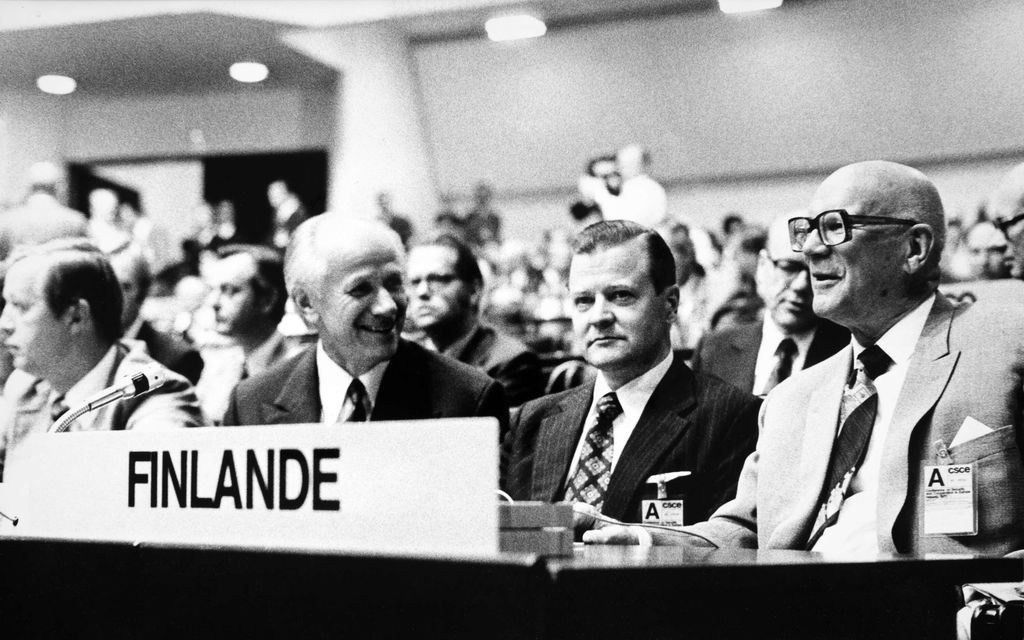
Political scientist Alpo Rusi has published new details concerning Soviet intelligence operations in Finland during the late 1970s and early 1980s. Writing in Iltalehti, Rusi highlighted the covert political maneuvering by Soviet services attempting to manipulate Finnish domestic politics and influence the nation's presidential succession process.

Central to the disclosures are reported threats directed at Keijo Liinamaa, who served as Finland's prime minister and national conciliator. Shortly before his death in December 1980, Liinamaa reportedly confided to a diplomat that he had faced coercive pressure from Soviet actors. The revelations further illuminate the intensity of foreign political interference aimed at Finnish leadership during the Cold War.

Sources: Iltalehti
Read more
02
ContinuingAI-generated
Finnish policy experts review past ties with Russia as key anniversaries approach

Finnish policy experts review past ties with Russia as key anniversaries approach

Finnish policy experts urge a reassessment of historical ties with Russia, arguing decision-makers ignored critical warning signs following high-profile events.

Finnish foreign policy experts are calling for a thorough re-examination of Helsinki's historical diplomatic approach toward Moscow, contending that previous political leaders consistently ignored early signs of Russia's authoritarian turn.

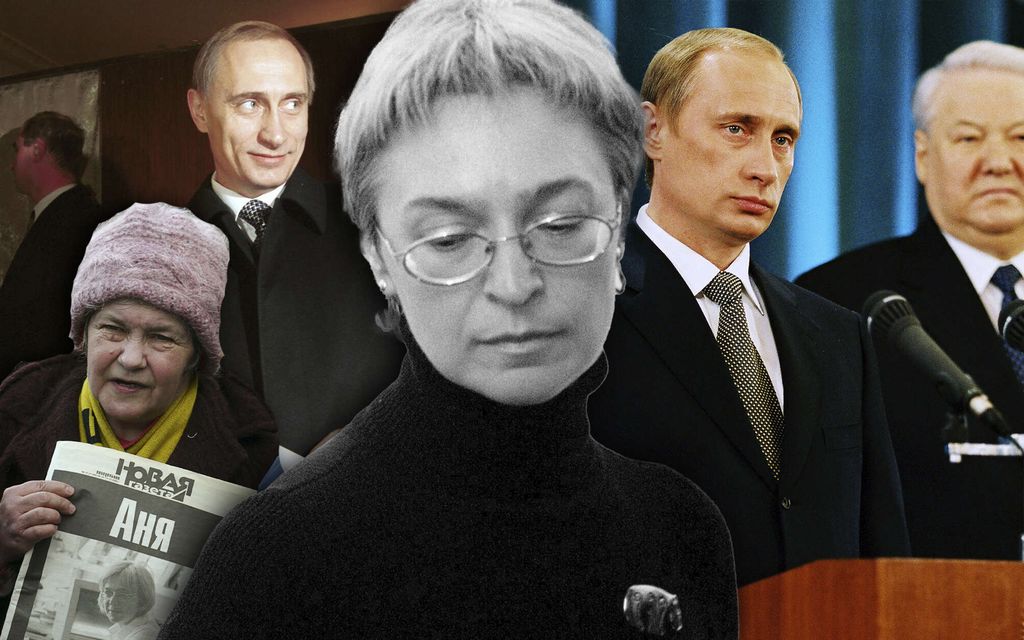
The reflection comes as major milestones draw near, including the birthday of Russian President Vladimir Putin and the anniversary of the 2006 assassination of investigative reporter Anna Politkovskaya. Politkovskaya's murder in Moscow deeply affected the Finnish public following her work documenting human rights violations in Chechnya. Analysts argue that despite the public outcry at the time, Finnish decision-makers failed to re-evaluate potential security risks or adjust diplomatic strategies. Looking forward, specialists remain pessimistic about future bilateral relations, concluding that long-standing political miscalculations hampered Finland's strategic preparedness.

Sources: Iltalehti

Read more
03
ContinuingAI-generated
Russian frontline advances stall as Moscow targets Ukrainian energy grid

Russian frontline advances stall as Moscow targets Ukrainian energy grid

Independent mappers report stalled Russian ground advances in September, as Moscow intensifies air strikes against Ukraine's energy grid ahead of winter.

Russian ground advances in Ukraine have largely ground to a halt, according to independent frontline mappers, contradicting claims from Moscow. Tracking data from the Institute for the Study of War and DeepState indicated negligible net territorial changes over four weeks in September. While monitoring group Black Bird Group reported minor Russian gains of 133 square kilometers in August, Ukrainian counterattacks near Oleksandrivka have reclaimed over 745 square kilometers since January.

With ground momentum stalled, Moscow has escalated long-range strikes targeting Ukraine's energy infrastructure ahead of winter. Prime Minister Serhij Koreckyj reported that recent attacks marked the largest barrage against power plants since last spring, with President Volodymyr Zelenskyy stating Kyiv's grid was heavily targeted. The escalation coincides with a drop in Ukrainian drone interception rates, falling from 92 percent in May to 83 percent in September.

Sources: Deník N, Ekonomický deník, Respect, Seznam Zprávy.

Read more
04
ContinuingAI-generated
UN agrees on autonomous weapons definition as Germany adapts military AI strategy

UN agrees on autonomous weapons definition as Germany adapts military AI strategy

UN states agreed on defining autonomous weapons as Germany opts for in-house military AI systems and partial autonomy under ultimate human oversight.

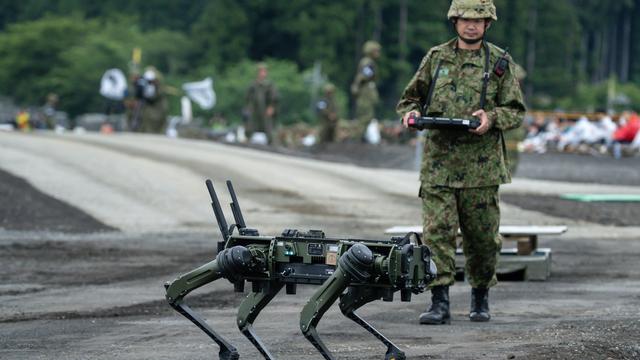
In Geneva, 128 United Nations member states agreed on a formal definition for lethal autonomous weapons, marking an initial step toward international regulation. Concurrently, the UN and the International Committee of the Red Cross warned that humanity is "dangerously close to crossing a moral red line" if machines autonomously target people.

Meanwhile, national defense strategies are adapting to autonomous technologies. Germany's Defense Ministry clarified that human authority over military force remains intact, though weapon systems may employ partially autonomous functions in specific scenarios without step-by-step human intervention. Additionally, the Bundeswehr declined to use software from US vendor Palantir, deciding instead to develop an in-house artificial intelligence data-analysis platform to safeguard technological sovereignty and preserve rapid operational decision-making.

Sources: Correctiv, Der Spiegel, Der Standard, Die Zeit, ESUT.

Read more
05
ContinuingAI-generated
German authorities investigate over 100 cases of suspected state-sponsored sabotage

German authorities investigate over 100 cases of suspected state-sponsored sabotage

German security agencies are probing more than 100 cases of state-backed sabotage and espionage, with investigations linking a thwarted Leipzig airport drone plot to Russian intelligence.

German law enforcement and intelligence agencies are investigating more than 100 cases of suspected state-sponsored espionage and sabotage across the country, according to regional data. The probes follow recent warnings from intelligence heads during a parliamentary hearing regarding covert hybrid operations aimed at destabilizing democratic institutions.

Among the primary focus areas is a thwarted August drone attack targeting Ukrainian transport aircraft at Leipzig/Halle Airport. Investigators have linked the logistics for the explosive-laden drone to an operative associated with Russia's military intelligence service, the GRU. Security officials cautioned that foreign adversaries are employing tactics ranging from reconnaissance over military installations and undersea cable disruption to pre-positioning concealed weapon caches within Germany. Authorities also highlighted ongoing intelligence threats posed by China and domestic extremist groups.

Sources: Correctiv, Der Standard, DW, FAZ, Tagesschau.

Read more
Share