Top news

Oct 11, 2026, 02:30 PM UTC

← Latest news

01
ContinuingAI-generated
Russian frontlines stall as Moscow intensifies strikes on Ukraine's energy grid

Russian frontlines stall as Moscow intensifies strikes on Ukraine's energy grid

Russian ground advances in Ukraine have stalled, prompting Moscow to intensify long-range strikes against energy infrastructure ahead of winter.

Russian frontline progress in Ukraine has largely stalled despite official claims of success from Moscow. Independent tracking by the Institute for the Study of War and DeepState indicates virtually no net territorial changes over four weeks in September. Finnish analytical group Black Bird Group noted that while Russian forces seized roughly 133 square kilometers in August, Ukrainian counterattacks reclaimed significant ground near Oleksandrivka.

Concurrently, Russian forces have escalated attacks against Ukrainian energy infrastructure ahead of winter. Ukrainian Prime Minister Serhij Koreckyj stated that recent strikes on power and heating facilities near Kyiv marked the largest campaign against energy targets since spring. The strikes coincided with a drop in Ukrainian air defense interception rates, which fell from 92 percent in May to 83 percent in September.

Sources: Deník N, Ekonomický deník, Respect, Seznam Zprávy.
Read more
02
ContinuingAI-generated
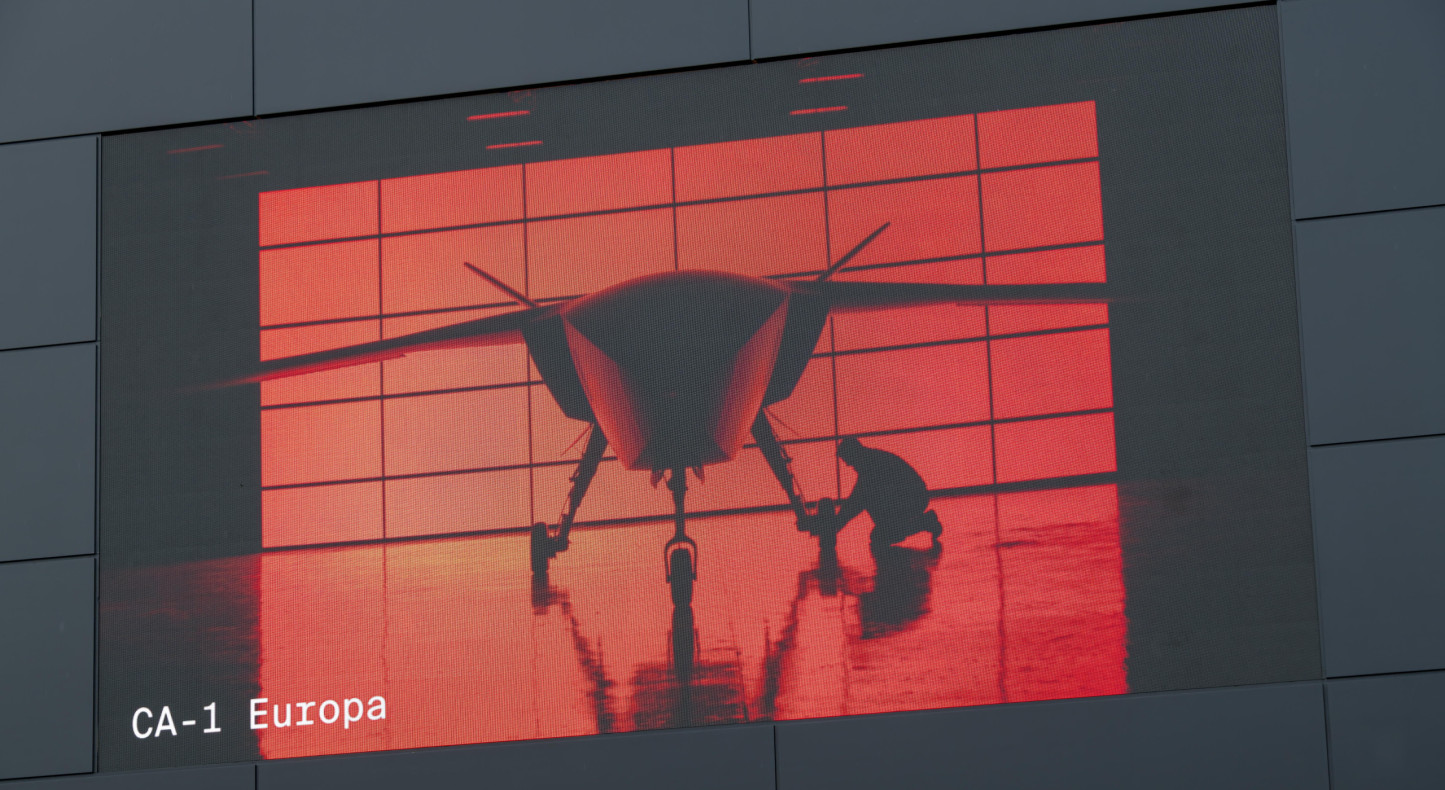
UN states define autonomous weapons as Germany sets military AI rules

UN states define autonomous weapons as Germany sets military AI rules

UN member states agreed on a definition for autonomous weapons systems in Geneva, while Germany outlined its operational rules for military AI and rejected US vendor Palantir.

In Geneva, 128 UN member states agreed on a formal definition for autonomous weapons systems, marking an initial step toward international regulation. Concurrently, the UN and the International Committee of the Red Cross warned that autonomous targeting of humans risks crossing a moral red line.

Meanwhile, Germany's Defense Ministry clarified that human command will retain ultimate authority over military force, though AI-supported partially autonomous functions may operate independently in specific tactical contexts. To maintain digital sovereignty, the Bundeswehr rejected software from US vendor Palantir, opting to develop a proprietary AI-assisted data analysis platform for real-time intelligence.

Sources: Correctiv, Der Spiegel, Der Standard, Die Zeit, ESUT.

Read more
03
ContinuingAI-generated
Italian trust in artificial intelligence drops as economic fears grow

Italian trust in artificial intelligence drops as economic fears grow

Italian public trust in artificial intelligence has fallen significantly as concerns mount over job losses, fiscal impacts, and corporate power.

Public confidence in artificial intelligence has dropped sharply in Italy, according to a recent SWG survey for Fondazione Lottomatica. Positive views of AI fell to 49% from 68% in 2020, while public concern rose to 45%. The shift reflects mounting anxieties over global economic disruptions, including estimates that automated technologies contributed to roughly 425,000 job losses worldwide over the past three years.

Additionally, Italian media highlight potential fiscal imbalances as automation threatens traditional tax revenues, alongside criticisms of major tech companies attempting to restrain state regulation. Despite these fears, Italian observers point to domestic contributions to global innovation, including figures such as Anthropic Chief Executive Dario Amodei leading major AI research initiatives abroad.

Sources: ANSA, Corriere della Sera, Il Messaggero, Il Sole 24 Ore, La Repubblica

Read more
04
ContinuingAI-generated
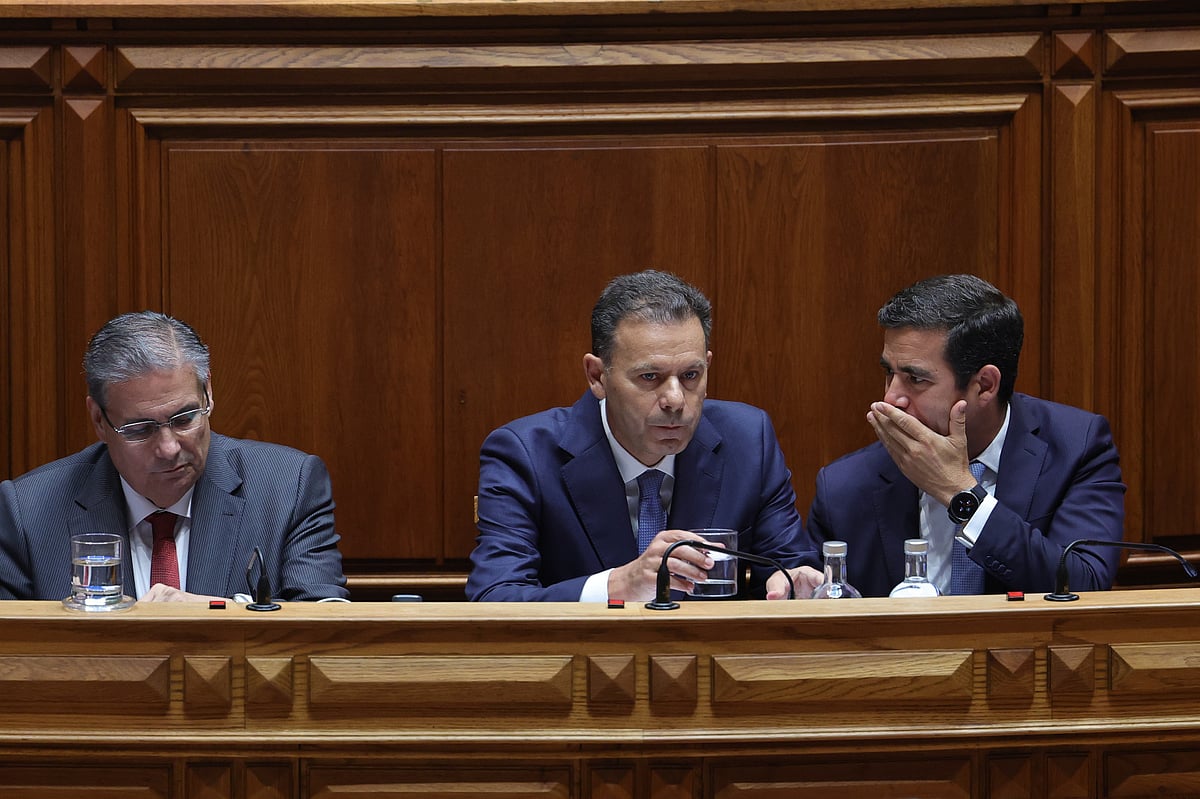
Portuguese parliament rejects Chega's censure motion against minority government

Portuguese parliament rejects Chega's censure motion against minority government

Portugal's parliament has defeated a motion of censure filed by Chega after the Socialist Party abstained and the governing coalition voted against it.

Portugal’s parliament has formally rejected a motion of censure introduced by the right-wing Chega party against the minority Democratic Alliance government. The initiative failed following a three-hour parliamentary debate, as the governing coalition voted against it, while the main opposition Socialist Party abstained.

The censure motion was prompted by controversies surrounding the Ministry of Internal Administration. Executive officials criticized Chega for introducing a proposal destined to fail and questioned the Socialists' positioning during the debate. Minister of the Presidency António Leitão Amaro stated that citizens would render a political judgment on Chega's decision. He also reaffirmed that the administration will continue negotiating legislative support on a case-by-case basis rather than establishing a permanent parliamentary partnership.

Sources: Diário de Notícias (DN), Expresso, RTP (Rádio e Televisão de Portugal)

Read more
05
ContinuingAI-generated
German intelligence links thwarted Leipzig airport drone attack to Russian GRU

German intelligence links thwarted Leipzig airport drone attack to Russian GRU

German authorities suspect Russian intelligence involvement in over 100 hybrid attacks, including a thwarted drone plot at Leipzig/Halle Airport.

German authorities and intelligence services are investigating over 100 suspected hybrid attacks involving foreign state actors, with evidence increasingly pointing toward Russian involvement.

Recent investigative findings into an August thwarted explosive drone attack near Ukrainian transport aircraft at Leipzig/Halle Airport link the logistics directly to an operative from Russia's military intelligence service, the GRU. German intelligence officials have also warned that Russian operatives may have pre-positioned cached weapons and explosive materials across the country to prepare for future sabotage operations aimed at undermining public trust and destabilizing democratic institutions.

During a public hearing before the Bundestag's Parliamentary Control Panel, agency heads described Russia as the primary foreign security threat, while also highlighting risks from Chinese espionage and domestic extremism.

Sources: Correctiv, Der Standard, DW, FAZ, Tagesschau

Read more
Share