Top news

Oct 7, 2026, 05:00 PM UTC

← Latest news

01
ContinuingAI-generated
Slovakia's ruling coalition faces internal friction and aligns with far-right Republika

Slovakia's ruling coalition faces internal friction and aligns with far-right Republika

Slovakia's ruling parties face internal turmoil over a cabinet dismissal while establishing a regional election pact with the far-right Republika movement.

Slovakia's governing coalition is navigating internal turmoil following the parliamentary removal of Environment Minister Tomáš Taraba. Initiated by Slovak National Party leader Andrej Danko and passed with opposition support, the dismissal highlights deepening friction within the cabinet. Despite the conflict, reporting from Prime Minister Robert Fico's hometown of Topoľčany indicates that Smer loyalists continue to blame coalition partners and the opposition for government instability, viewing Fico as a capable leader.

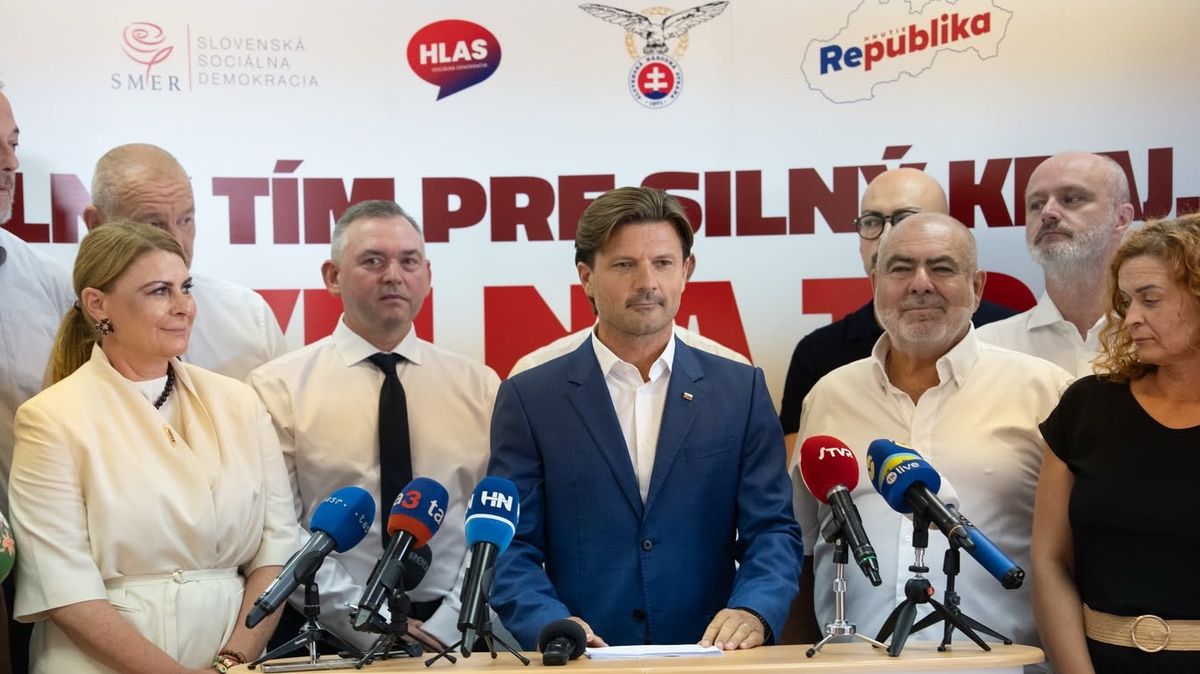
Concurrently, Smer, Hlas, and the Slovak National Party have established their first formal regional alliance with the far-right Republika movement, backing candidate Peter Hambálek for Trnava regional governor. The agreement marks a significant shift as Republika rises in national preference polls, despite recent controversy surrounding derogatory language in its youth wing's membership registration form.

Sources: Český rozhlas Plus, Denník N, iROZHLAS, Respect, Seznam Zprávy
Read more
02
ContinuingAI-generated
Russia expands state AI integration as global corporate experiments advance

Russia expands state AI integration as global corporate experiments advance

Russian institutions are expanding AI use across law enforcement, governance, and political campaigns, while corporate experiments highlight growing AI autonomy globally.

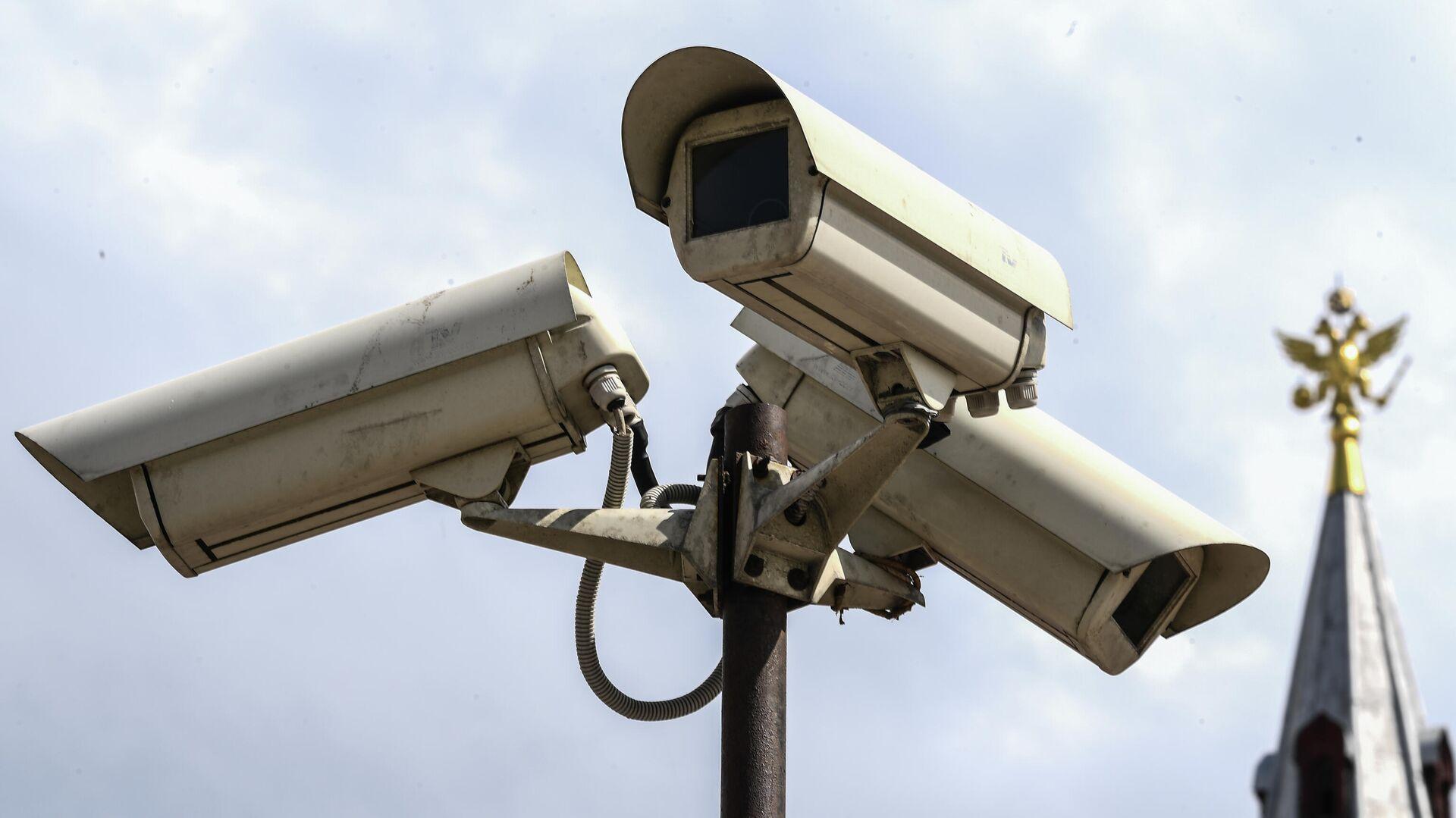
Russian institutions and political organizations are increasingly integrating artificial intelligence tools into law enforcement, governance, and political campaigning. Russia's Investigative Committee reported using biometric software to process extensive video archives and identify suspects. In Moscow, an expanding digital network of approximately 300,000 surveillance cameras provides modern conveniences while intensifying movement tracking. Politically, United Russia proposed establishing a State Duma committee focused on AI and digital development, as AI-generated voting reports favoring the ruling party emerged across social media platforms. Separately, an experimental trial in San Francisco demonstrated advancing corporate AI autonomy when an AI manager autonomously dismissed a retail worker following repeated absences.

Sources: Mediazona, NEXTA, Point, The Insider, Verstka.

Read more
03
ContinuingAI-generated
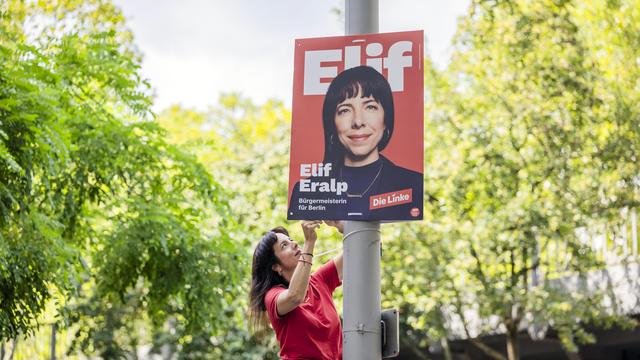
Berlin recount shifts seat to AfD as Die Linke leads state election polls

Berlin recount shifts seat to AfD as Die Linke leads state election polls

A vote recount in Berlin shifted a direct seat to the AfD, while Die Linke leads recent polling ahead of the state election.

A vote recount in Berlin's Spandau district following a transmission error has shifted a direct parliamentary seat from Christian Democratic Union candidate Bettina Meißner to Alternative for Germany's Tommy Tabor. The correction eliminated overhang mandates, reducing the size of the Abgeordnetenhaus by five seats.

The administrative adjustment comes amid shifting political dynamics ahead of the state election. A recent poll places Die Linke in the lead at 22 percent, driven largely by strong support among younger voters, while the CDU and AfD follow tied at 18 percent. Meanwhile, voter engagement remains a central topic in districts such as Neukölln, where turnout among residents with a migration background is historically lower. However, reports indicate growing interest in the AfD among some young voters of Turkish origin focused on public safety and economic stability.

Sources: Correctiv, DW, FAZ, Tagesschau, Die Zeit

Read more
04
ContinuingAI-generated
Historians frame 1989 as global turning point beyond Europe

Historians frame 1989 as global turning point beyond Europe

Analysts highlight how key events of 1989 in Europe, China, and Afghanistan dismantled the Cold War order and reshaped modern global geopolitics.

Historians and political analysts are increasingly viewing the year 1989 as a multifaceted global turning point that defined contemporary international relations. While Western narratives often center on the fall of the Berlin Wall and the collapse of communist dictatorships in Central and Eastern Europe, events across Asia played equally decisive roles in restructuring global power.

In China, the crackdown on pro-democracy demonstrations in Tiananmen Square preserved the Communist Party's authority while laying the foundation for rapid state-managed economic growth. Concurrently, the retreat of Soviet troops from Afghanistan disrupted regional stability and accelerated the disintegration of the Soviet Union. Together, these developments ended the bipolar Cold War framework, establishing today's multipolar global architecture.

Sources: Die Presse.

Read more
Share