Top news

Oct 5, 2026, 11:00 AM UTC

← Latest news

01
ContinuingAI-generated
US charges five alleged Russian agents over global sabotage campaign

US charges five alleged Russian agents over global sabotage campaign

US prosecutors have unsealed charges against five alleged Russian agents, while a German court convicted a Ukrainian national over a parcel-bomb plot.

United States federal prosecutors have unsealed charges against five alleged Russian intelligence operatives accused of directing a Kremlin-backed campaign of assassination and sabotage across Europe and North America. According to the U.S. Department of Justice, the network recruited individuals to conduct surveillance, arson, and targeted killings against supporters of Ukraine, including a June 2024 attack in Prague. All five suspects remain at large.

Concurrently, a regional court in Stuttgart, Germany, convicted a Ukrainian national involved in a parcel-bomb operation linked to Russian state entities. German prosecutors stated the scheme involved shipping explosive packages equipped with GPS trackers to disrupt logistics and undermine public trust in security infrastructure.

Sources: BBC News, Cyprus Mail, France24, OCCRP, The Guardian.

Read more
02
ContinuingAI-generated
German probe links failed airport drone attack to Russian intelligence

German probe links failed airport drone attack to Russian intelligence

German authorities are investigating over 100 potential foreign sabotage cases, with reports linking a failed airport drone attack directly to Russian military intelligence.

German law enforcement and intelligence agencies suspect Russian state involvement, specifically from the military intelligence service GRU, in a failed August drone attack targeting four Ukrainian cargo planes at Leipzig/Halle Airport. Investigative documents link a Russian national to the logistics of the attempted bombing, which failed when a detonator malfunctioned.

Beyond the airport incident, authorities across German federal states are investigating over 100 cases of suspected foreign-backed sabotage. These include unauthorized drone flights over military sites, rail network disruptions, disinformation campaigns, and damaged undersea cables. Domestic security agencies have additionally warned that foreign operatives may have hidden weapons caches across Germany to support potential future acts of sabotage aimed at destabilizing public infrastructure.

Sources: Correctiv, Der Standard, FAZ, ORF, Tagesschau

Read more
03
ContinuingAI-generated
Russia expands artificial intelligence integration across state and political sectors

Russia expands artificial intelligence integration across state and political sectors

Russian authorities and corporate entities are expanding artificial intelligence integration across legislative oversight, municipal surveillance, and automated systems.

Russian authorities and corporate entities are increasingly integrating artificial intelligence into governance, public monitoring, and administration. In the State Duma, United Russia proposed establishing a specialized committee on digital development and AI to oversee unmanned aerial vehicles, online marketplaces, and creative industries. Meanwhile, social media monitoring revealed new accounts distributing AI-generated voting reports favoring the ruling party.

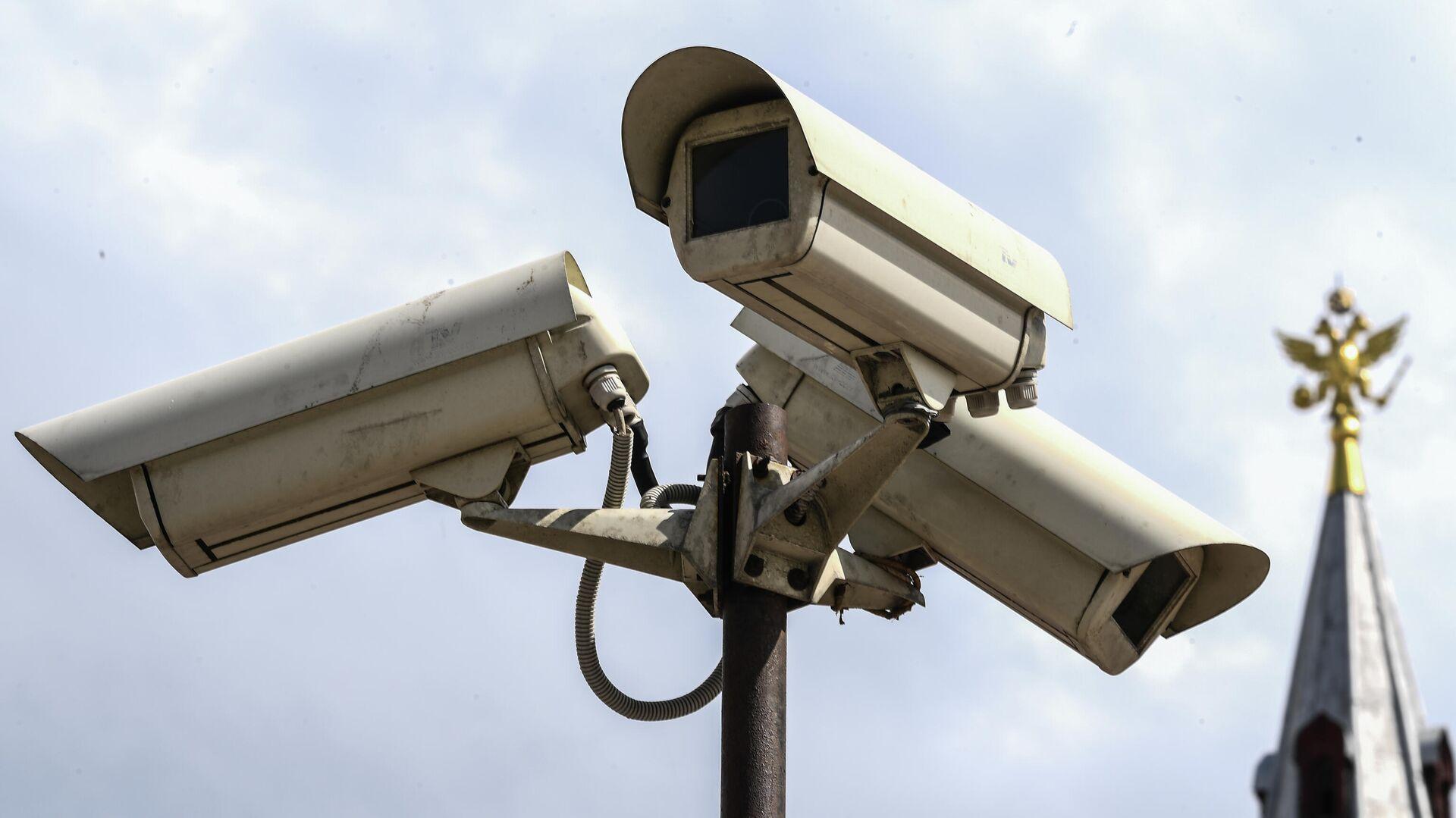
In municipal governance, Moscow's rapid adoption of biometric payments and automated services operates alongside a network of nearly 300,000 surveillance cameras. Russian law enforcement agencies are utilizing specialized AI software to process vast video archives for suspect identification. Outside state applications, corporate experiments continue evaluating automated management, including an instance where an AI system terminated an employee following repeated absences.

Sources: Mediazona, NEXTA, Point, The Insider, Verstka.

Read more
04
ContinuingAI-generated
Romania updates Casa Verde energy storage rules amid prosumer criticism

Romania updates Casa Verde energy storage rules amid prosumer criticism

Romania revised its Casa Verde storage subsidy rules ahead of an October launch, while Moldova introduced a state loan guarantee scheme for residential energy retrofits.

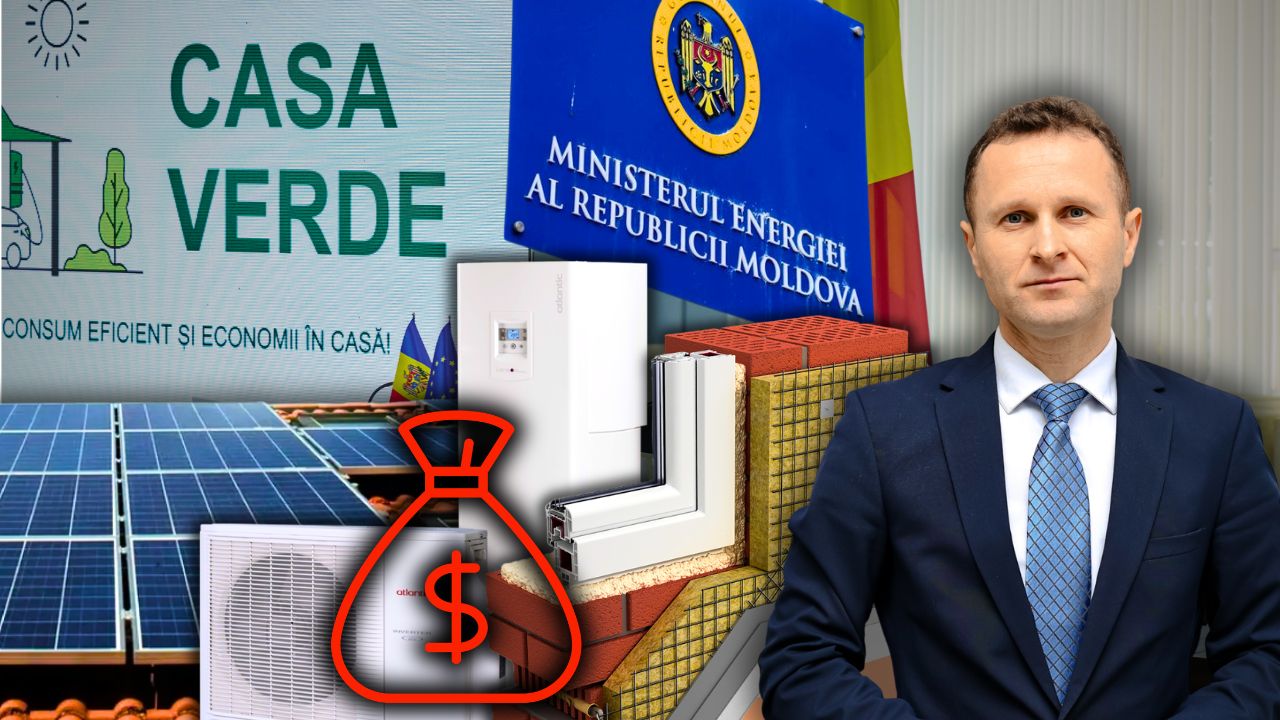
Romania's Ministry of Environment finalized guidelines for the October rollout of its Casa Verde Baterii initiative. The program replaces its previous first-come, first-served allocation model with a points-based system prioritizing larger installed storage capacities and higher co-financing contributions. Outlets reported conflicting figures regarding the total budget, listing it as either 400 million or 500 million lei.

Prosumer organizations criticized the new framework, arguing it disadvantages households with existing energy storage. Additionally, applicants to previous Casa Verde iterations reported systemic administrative delays and installer quotes exceeding market value by over 100,000 lei.

Meanwhile, Moldova's government approved a state guarantee mechanism through the National Center for Sustainable Energy. The initiative will cover up to 90% of bank loans for residential energy efficiency retrofits, capped at 10 million lei per project with an annual interest rate capped at 5%.

Sources: Adevărul, Economedia, HotNews, Moldova1, Ziarul de Gardă.

Read more
05
ContinuingAI-generated
Polish defense debate shifts from spending growth to institutional reform

Polish defense debate shifts from spending growth to institutional reform

Polish experts warn that record military spending must be paired with command, procurement, and mobilization reforms to build true readiness.

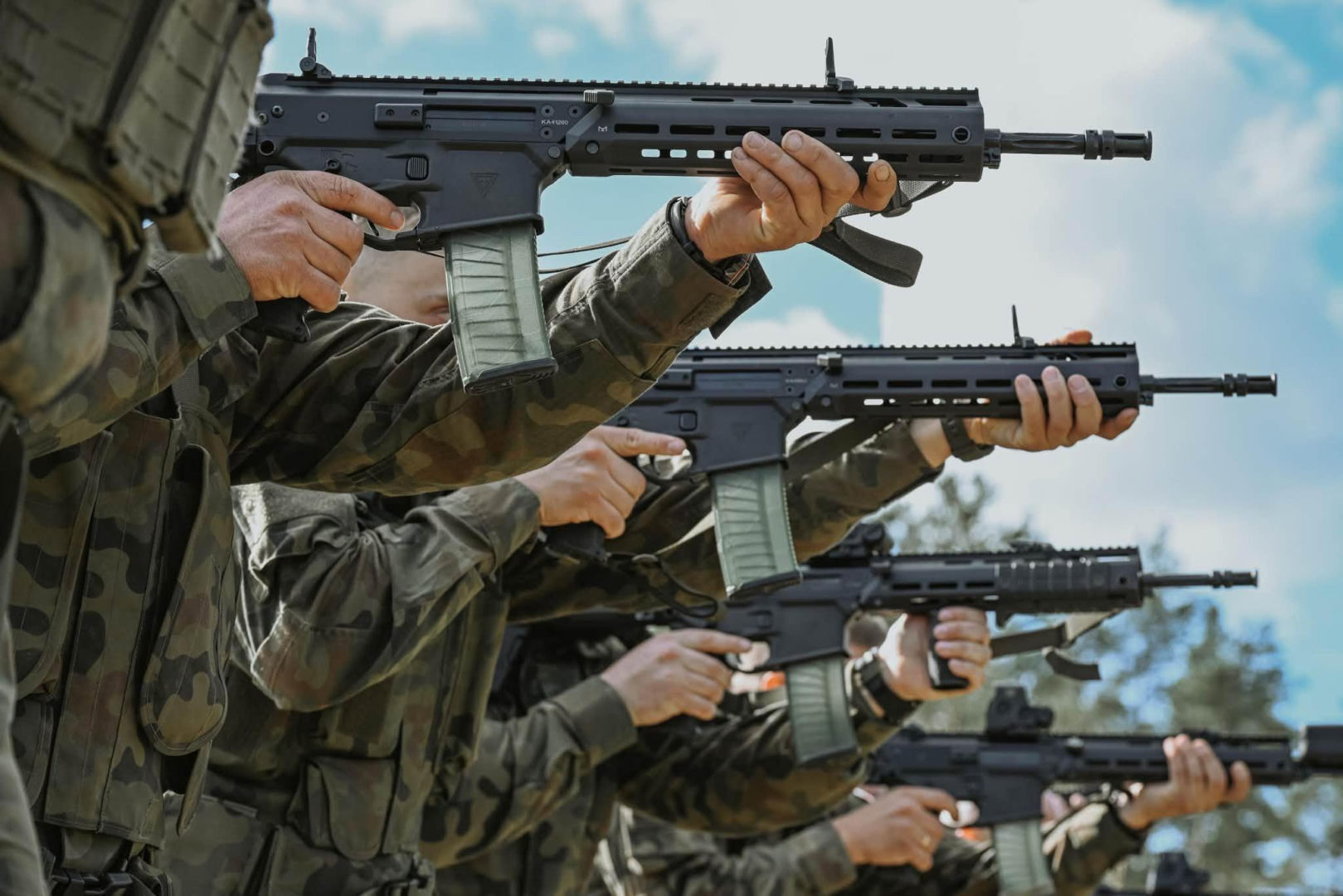
Polish defense analysts and media outlets are calling for comprehensive structural reforms to accompany the country's historic military spending surge. Poland plans to allocate 200.1 billion PLN, or 4.81% of GDP, to defense by 2026, funding extensive hardware procurements including Abrams tanks, HIMARS launchers, and F-35 fighter jets.

However, military experts argue that record financial outlays alone will not ensure defense capabilities without fundamental systemic changes. Recent reports highlight urgent needs for procurement reform, streamlined command frameworks, and faster mobilization capacity to withstand potential hostile strikes. Analysts emphasize that converting record budgets into genuine combat readiness requires strong institutional foundations and domestic industry integration, ensuring the military is prepared for actual warfare.

Sources: Defence24, Portal obronny, Rzeczpospolita, TVP info

Read more
Share