Top news

Oct 4, 2026, 02:00 PM UTC

← Latest news

01
ContinuingAI-generated
Iran awaits final US response on Strait of Hormuz plan amid military clashes

Iran awaits final US response on Strait of Hormuz plan amid military clashes

Tehran says it awaits a final US response to its seven-day plan for reopening the Strait of Hormuz, despite rising military tension and strict Iranian demands.

Tehran has stated it is awaiting a formal final decision from Washington regarding its proposal to temporarily reopen the Strait of Hormuz for seven days, despite US President Donald Trump signaling a rejection of the plan. Iranian officials stressed the critical maritime passage will remain closed until key requirements are fulfilled, including ending port blockades, lifting oil sanctions, unfreezing assets, and halting military operations.

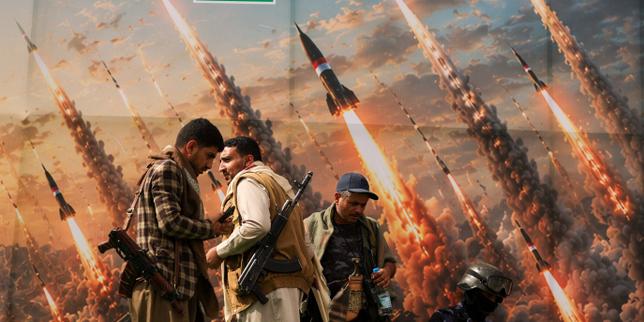
Concurrently, military tension near the corridor continues to escalate. Following a US strike on Iran's Larak Island and nighttime naval escorts for oil tankers through the strait, Iranian forces deployed rocket-launched sea mines into the waterway. International mediators maintain efforts to foster diplomatic talks as both nations balance negotiation proposals against intensifying military engagements.

Sources: Expresso, Expresso das Ilhas, Jornal Económico, RTP (Rádio e Televisão de Portugal)

Read more
02
ContinuingAI-generated
US and Iran exchange threats following direct strikes near coastal towns

US and Iran exchange threats following direct strikes near coastal towns

Tensions between Washington and Tehran rise following direct military strikes near Bandar Abbas and Sirik, with both leaders issuing sharp warnings.

United States President Donald Trump threatened additional military strikes against Iran following direct exchanges near the coastal towns of Bandar Abbas and Sirik. Trump stated that Iranian leadership is eager for a diplomatic agreement with Washington, warning of further bombardments should Tehran choose to retaliate.

Iranian President Masoud Pezeshkian asserted that Tehran does not seek a broader conflict, but warned that any military aggression would trigger a decisive response. Additionally, Iranian military officials rejected claims regarding the destruction of their naval assets, asserting the fleet remains active and functional. Tensions remain elevated as both nations maintain a heightened state of military readiness.

Sources: CDM (Cafe del Montenegro)

Read more
03
ContinuingAI-generated
Israel rejects US-backed Gaza peace plan as Netanyahu demands full disarmament

Israel rejects US-backed Gaza peace plan as Netanyahu demands full disarmament

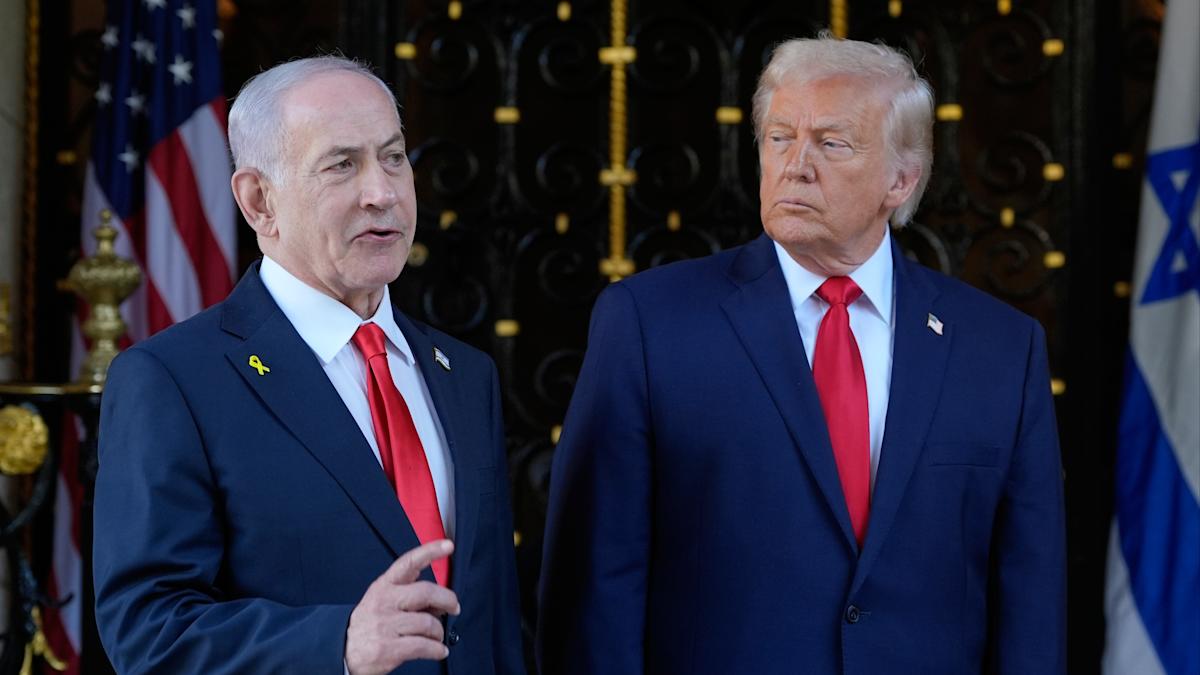
Israeli Prime Minister Benjamin Netanyahu rejected a US-backed 15-point peace plan for Gaza, insisting Israeli forces will not withdraw until Hamas is completely disarmed.

Israeli Prime Minister Benjamin Netanyahu has formally rejected a 15-point Gaza peace framework proposed by US President Donald Trump, declaring that Israeli forces will not withdraw until Hamas is completely disarmed.

Addressing his cabinet, Netanyahu confirmed that "Israel rejects the 15-point document," stressing that the military "will not carry out any withdrawal until Hamas is genuinely disarmed." The announcement underscores a growing rift between Israel and Washington, despite Israeli military operations in Gaza recently easing following American diplomatic efforts. Hamas had previously accepted the proposed draft. Netanyahu's decision comes ahead of Israel's national election on October 27, where he faces pressure from far-right coalition partners opposing territorial concessions.

Sources: Cyprus Mail, France24, STV News, The Guardian, The Herald

Read more
04
ContinuingAI-generated
Qatar reports ongoing talks between US and Iran amid strikes and new demands

Qatar reports ongoing talks between US and Iran amid strikes and new demands

Qatari mediators state diplomatic talks between the US and Iran are ongoing despite recent US military strikes on Larak Island and new demands from both sides.

Qatari mediators report that diplomatic negotiations between Washington and Tehran remain active, even as military strikes and rhetoric intensify. US Central Command confirmed launching strikes against missile launchers on Iran's Larak Island in the Strait of Hormuz, marking the first direct US strikes on Iranian territory in a month. Iranian state media reported that six naval personnel died in the attack.

Simultaneously, Iranian Foreign Minister Abbas Araghchi presented Tehran's conditions to reopen the strategic waterway during talks with US envoy Steve Witkoff. Iran demanded an immediate end to the US naval blockade, the release of all frozen assets, and a cessation of hostilities. However, diplomatic prospects grew more complex after US President Donald Trump stated Washington would demand financial compensation from Iran for past attacks. Qatari officials maintain that efforts toward an agreement are still underway.

Sources: Le Figaro, Le Monde, Le Soir, Libération, RTBF Info.

Read more
05
ContinuingAI-generated
UN reaches milestone on autonomous weapons as Germany pursues sovereign military AI

UN reaches milestone on autonomous weapons as Germany pursues sovereign military AI

UN states agreed on a definition for autonomous weapon systems in Geneva, while Germany confirmed limited semi-autonomous weapon capabilities and rejected Palantir for sovereign AI tech.

At a Geneva conference, 128 United Nations member states agreed on a formal definition for autonomous weapon systems, marking a milestone in international regulation efforts. Dutch Foreign Minister Tom Berendsen called the consensus an important step toward governing these technologies. Meanwhile, the UN and the International Committee of the Red Cross warned that machine targeting of humans risks crossing "a moral red line," urging stricter global controls.

Concurrently, Germany’s Ministry of Defence confirmed that while humans retain ultimate authority over military force, certain AI-assisted semi-autonomous functions may operate without direct human intervention depending on the individual scenario. To safeguard sovereign decision-making, the Bundeswehr rejected using American defense contractor Palantir, opting instead to build an internal AI data analysis platform to support military planning.

Sources: Correctiv, Der Spiegel, Der Standard, Die Zeit, ESUT.

Read more
Share