Top news

Sep 30, 2026, 08:00 AM UTC

← Latest news

01
ContinuingAI-generated
Nordic media highlight Russian hybrid threats and strategic friction

Nordic media highlight Russian hybrid threats and strategic friction

Nordic coverage highlights Ukraine's expanding deep strikes, Russian rhetoric against Norway, and heightened hybrid security threats across Europe.

Nordic media coverage highlights growing strategic pressures on Moscow alongside increasing hybrid risks across Northern Europe. Ukrainian long-range strikes against Russian airbases have damaged strategic bombers, weakening Kremlin combat capacity as deep-strike capabilities advance. Meanwhile, Russian officials have sharply criticized Norway, accusing Oslo of hostile actions following recent NATO exercises and maritime enforcement.

In response to documented Russian sabotage plans and drone incidents across Germany and Denmark, security experts urge European leaders to stay composed against non-conventional tactics. Strategic evaluations differ on the conflict's trajectory: while some analysts contend that European security goals require a definitive Russian defeat, others emphasize Moscow's resilience and capacity to sustain prolonged operations despite shrinking strategic options.

Sources: Aftenposten, Berlingske, Dagens Næringsliv (DN), Finansavisen, TV 2 Nyheter

Read more
02
ContinuingAI-generated
US and Iran exchange strikes near Strait of Hormuz amid rising tensions

US and Iran exchange strikes near Strait of Hormuz amid rising tensions

US forces and Iran exchanged strikes near the Strait of Hormuz, with Washington destroying five Iranian vessels while Tehran claimed hits on American ships and bases in Jordan.

Military engagements between the United States and Iran have intensified near the Strait of Hormuz following a series of retaliatory strikes. US Central Command reported destroying five Iranian Revolutionary Guard vessels after an attempted assault on American warships.

In response, Iranian state media claimed Tehran launched strikes damaging six ships, including three oil tankers and a US aircraft carrier, alongside firing 20 missiles toward American bases in Jordan. Meanwhile, emergency crews extinguished a fire on a commercial tanker caught in the skirmishes.

Despite the violence, US President Donald Trump asserted that the crucial shipping corridor stays open, commenting that "Tehran is in great difficulty." However, American intelligence officials cautioned that Iranian commanders could feel emboldened to further escalate hostilities across the region.

Sources: Corriere della Sera, Il Messaggero, La Repubblica.

Read more
03
ContinuingAI-generated
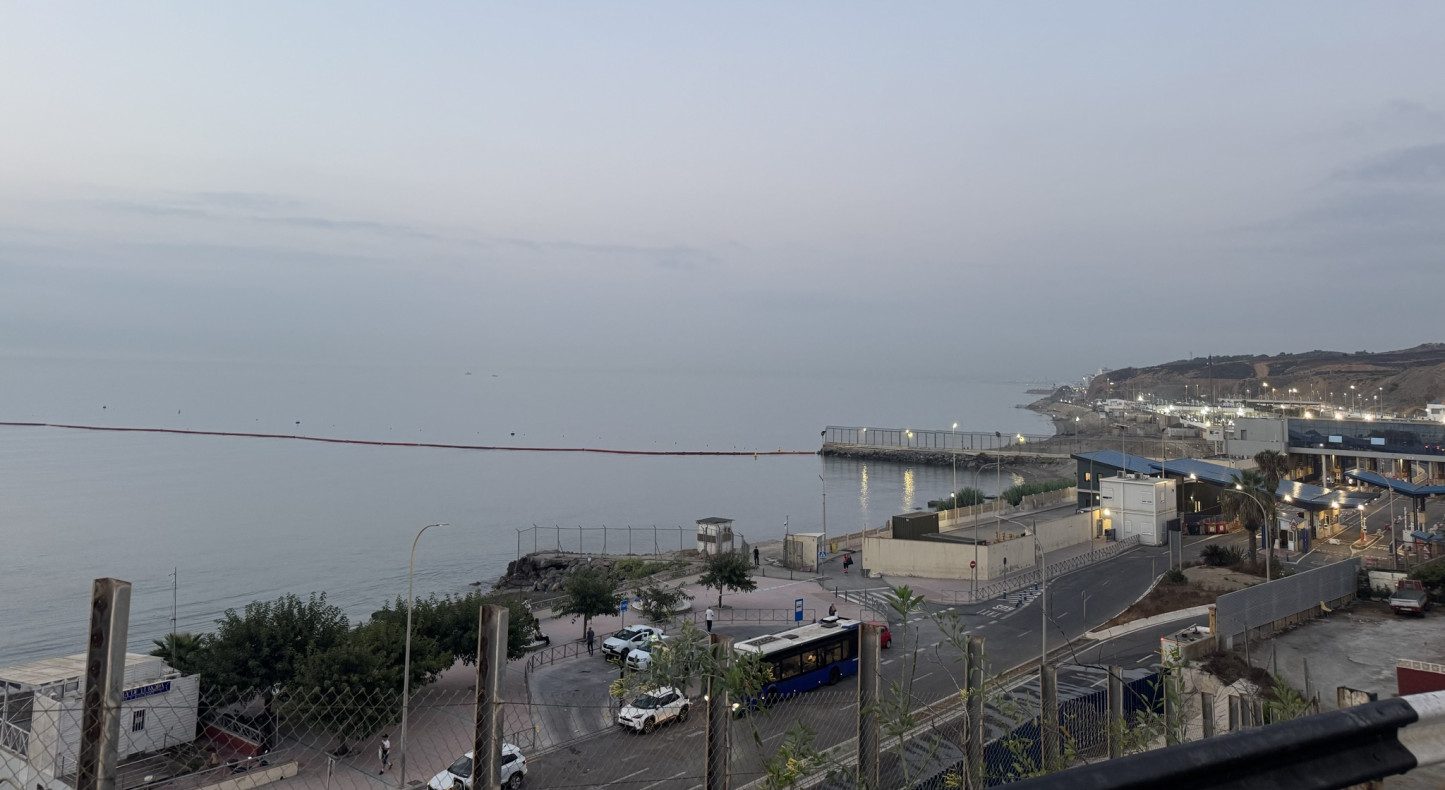
Spain sets up temporary reception centers for migrants in Ceuta

Spain sets up temporary reception centers for migrants in Ceuta

Spain has set up two temporary reception facilities in Ceuta for roughly 2,000 migrants following recent border tension and rumors of new crossing attempts.

Spanish authorities have established two temporary reception centers in the North African enclave of Ceuta to accommodate approximately 1,800 to 2,000 migrants remaining after a major border crossing in late July. The Ministry of Migration stated the facilities aim to ensure basic shelter so individuals no longer sleep on beaches or public streets.

The measures follow heightened security along the border by Spanish and Moroccan forces over the weekend after online rumors circulated regarding a potential new crossing attempt on August 15. While no major surge materialized, local residents in Ceuta have expressed growing frustration over municipal strain and political exploitation surrounding the ongoing situation. Authorities emphasized that the temporary shelters will maintain humane conditions as administrative processing continues.

Sources: Correctiv, Die Zeit, FAZ, ORF, Tagesschau.

Read more
04
ContinuingAI-generated
Swedish breakdown highlights air defense strains in Russia-Ukraine war

Swedish breakdown highlights air defense strains in Russia-Ukraine war

A technical analysis highlights how ballistic missiles, cruise missiles, and drones present distinct operational challenges for air defense systems in the Russia-Ukraine conflict.

A technical analysis published by Swedish daily Dagens Nyheter has detailed the distinct operational profiles of long-range weapons utilized in the Russia-Ukraine conflict. The report categorizes primary aerial threats into ballistic missiles, cruise missiles, and uncrewed aerial vehicles, explaining the specific defensive hurdles posed by each vector.

Ballistic missiles reach high altitudes before descending at extreme speeds, leaving defenders minimal interception time. Conversely, cruise missiles navigate at low altitudes using terrain features to bypass radar detection. Uncrewed aerial vehicles are frequently deployed in large volumes to saturate radar systems and exhaust costly interceptor stocks. Military analysts stress that countering these multi-layered threats requires integrated defensive architecture capable of managing diverse speeds and flight paths simultaneously.

Sources: Dagens Nyheter.

Read more
05
ContinuingAI-generated
Middle East conflict and global shifts continue to disrupt international security

Middle East conflict and global shifts continue to disrupt international security

Six months after US-Israeli strikes in Iran, energy disruption and geopolitical friction continue to impact global security and regional affairs.

Six months after joint US and Israeli air strikes targeted Iranian infrastructure, global energy markets and maritime shipping face ongoing disruption. Although Iranian military capabilities suffered severe damage, Tehran retains significant leverage over the strategic Strait of Hormuz, leaving commercial shipping vulnerable.

According to diplomatic observers and analysts, the next phase of the conflict depends on whether involved nations can sustain military operations and if diplomatic negotiations can be re-established. Meanwhile, systemic friction among Washington, Beijing, Moscow, and Tehran intersects with broader security challenges, including localized disputes over water resources along the Ibar River in the Western Balkans. Experts emphasize that shifting power dynamics and geopolitical rivalries complicate resolution efforts across both regional and global arenas.

Sources: BalkanWeb, Gazeta Tema, Koha

Read more
Share