Top news

Sep 30, 2026, 01:00 AM UTC

← Latest news

01
ContinuingAI-generated
Croatia sets €1,600 wage target as economists raise productivity concerns

Croatia sets €1,600 wage target as economists raise productivity concerns

Croatian Prime Minister Plenković announced targets to raise average wages to €1,600 by 2028, even as business leaders warn of lagging productivity.

Croatian Prime Minister Andrej Plenković announced an ambitious target to raise the country's average net monthly wage to €1,600 by the end of his term in 2028, alongside upcoming consultations to adjust the minimum wage. To sustain economic expansion, the government also outlined a €3 billion industrial strategy running through 2034 aimed at modernizing manufacturing.

However, business leaders and economic experts have urged caution regarding the sustainability of this trajectory. Mislav Balković, president of the Croatian Employers' Association, emphasized that the private sector must drive growth, warning that rising labor costs continue to outpace productivity gains. Meanwhile, former economy minister Ljubo Jurčić offered a sharper critique, arguing the economy is "drifting without an engine or a rudder" as growth decelerates and inflation dampens consumer purchasing power.

Sources: HRT Vijesti, Index, Poslovni dnevnik, Vijesti.

Read more
02
ContinuingAI-generated
US strikes Iranian positions as Trump and Pezeshkian exchange warnings

US strikes Iranian positions as Trump and Pezeshkian exchange warnings

US military forces have struck Iranian positions near Bandar Abbas, prompting sharp exchanges between President Donald Trump and Iranian President Masoud Pezeshkian.

The United States has launched military strikes against Iranian targets near the coastal cities of Bandar Abbas and Sirik, marking the first direct exchange of fire between the two nations in a month.

US President Donald Trump threatened additional bombardment if Tehran retaliates, asserting that Iranian officials are "begging" for a deal with Washington. Iranian President Masoud Pezeshkian countered that while Tehran does not seek broader conflict, it will "respond decisively to aggressors." Meanwhile, Iranian naval authorities maintained that their maritime forces remain fully operational despite the American strikes.

Direct diplomatic negotiations between Washington and Tehran remain stalled as military forces across the region maintain heightened readiness.

Sources: CDM (Cafe del Montenegro).

Read more
03
ContinuingAI-generated
Israel's Netanyahu explicitly rejects US-backed Gaza peace plan

Israel's Netanyahu explicitly rejects US-backed Gaza peace plan

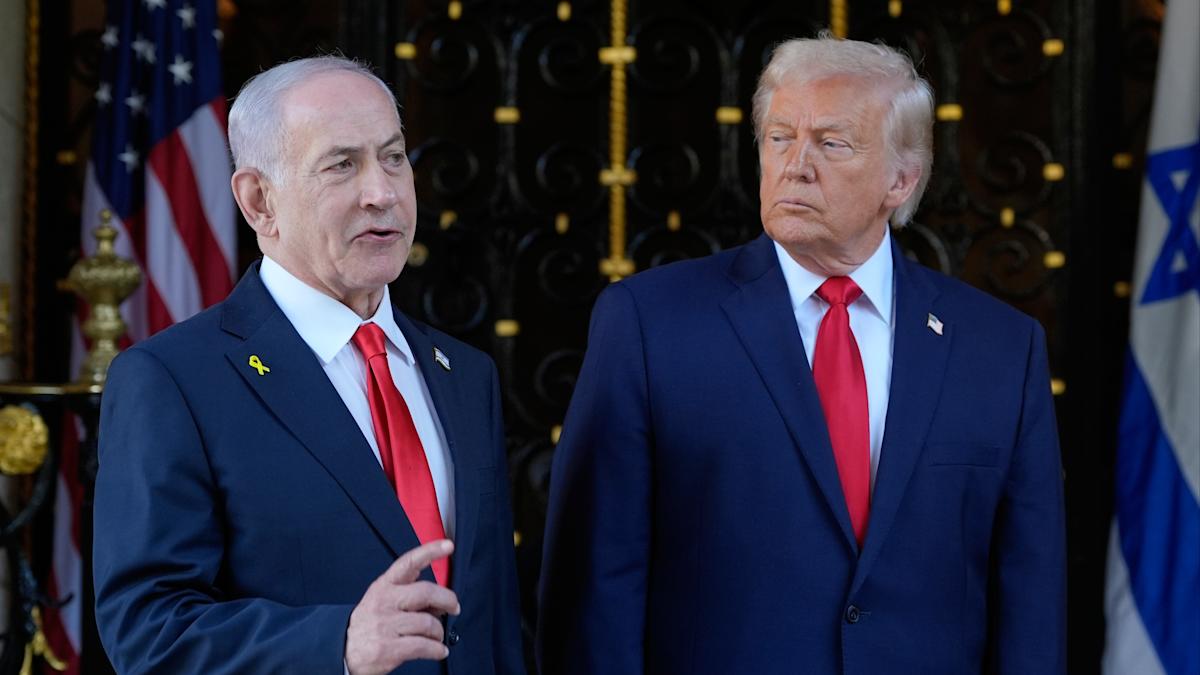
Israeli Prime Minister Benjamin Netanyahu has formally rejected a US-backed 15-point Gaza peace proposal, demanding Hamas fully disarm before any military withdrawal occurs.

Israeli Prime Minister Benjamin Netanyahu has formally rejected a 15-point Gaza peace proposal endorsed by US President Donald Trump and accepted by Hamas.

In televised remarks to his cabinet on Sunday, Netanyahu declared that "Israel rejects the 15-point document" and affirmed that Israeli forces "will not carry out any withdrawal until Hamas is genuinely disarmed." The decision highlights a growing diplomatic rift between Washington and Tel Aviv, even as Israeli offensive operations in Gaza have recently slowed under American diplomatic pressure.

Netanyahu faces conflicting political demands ahead of Israel's national election on October 27, balancing pressure from Washington with opposition from far-right coalition partners against territorial concessions. Separately, regional security concerns persisted as Houthi forces claimed responsibility for recent strikes targeting infrastructure in Yemen and Saudi Arabia.

Sources: Cyprus Mail, France24, STV News, The Guardian, The Herald.

Read more
04
ContinuingAI-generated
UN reaches landmark agreement on autonomous weapons as Germany updates AI military rules

UN reaches landmark agreement on autonomous weapons as Germany updates AI military rules

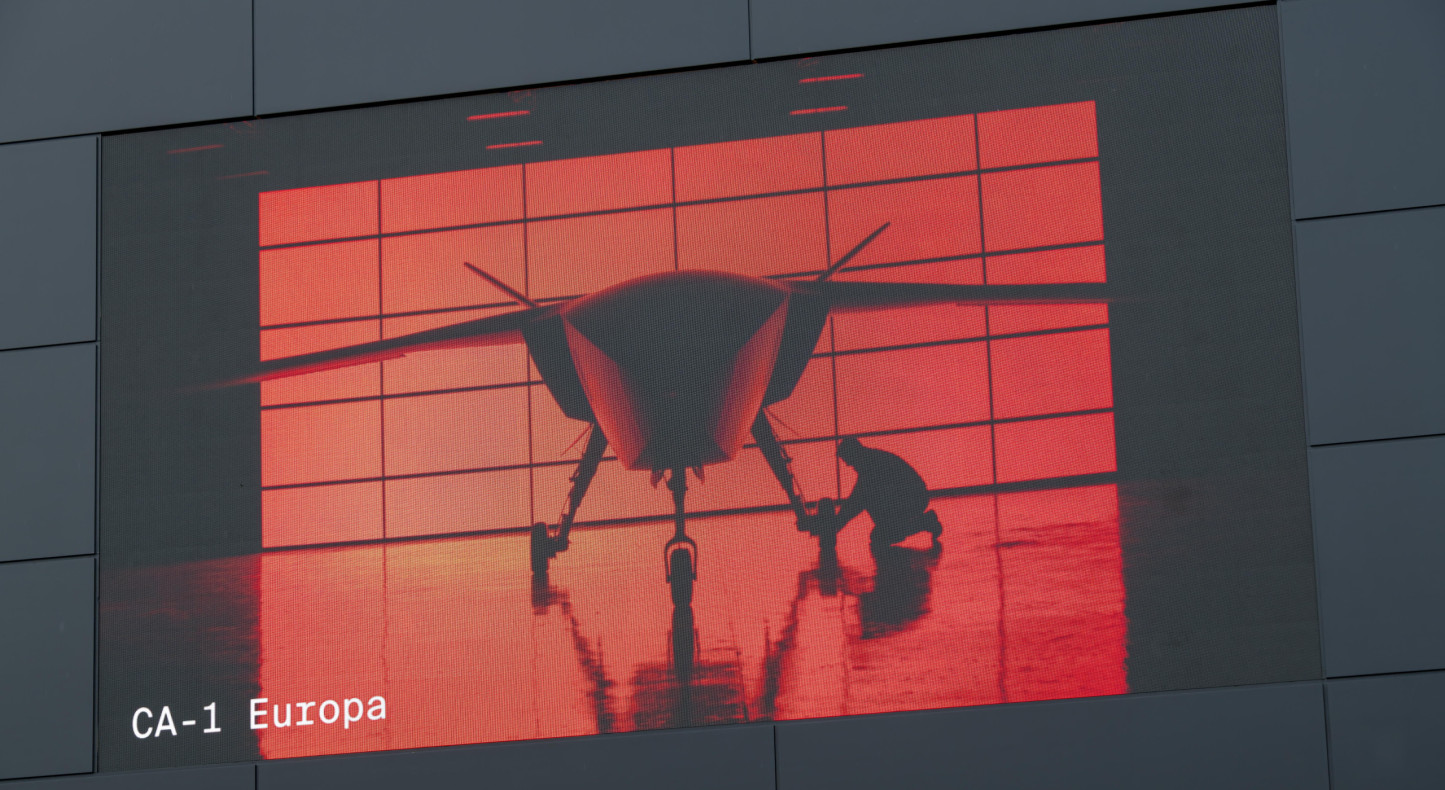
128 UN states agreed on defining autonomous weapons, while Germany updated its military AI guidelines and rejected US vendor Palantir.

Following international talks in Geneva, 128 United Nations member states agreed on a standard definition for autonomous weapons, amid joint warnings from the UN and the International Committee of the Red Cross that machine-targeted violence approaches a "moral red line."

Concurrently, Germany's Ministry of Defense confirmed updated guidelines allowing weapon systems to execute certain functions autonomously without human intervention at every step. Ministry representatives emphasized that "the decision on the use of military force remains with humans."

To preserve strategic autonomy in data processing, the Bundeswehr rejected American software provider Palantir, opting instead to develop a proprietary AI platform. Defense analysts noted that maintaining military sovereignty increasingly depends on self-reliant AI decision-making capabilities.

Sources: Correctiv, Der Spiegel, Der Standard, Die Zeit, ESUT

Read more
Share