Top news

Sep 29, 2026, 02:30 PM UTC

← Latest news

01
ContinuingAI-generated
US strikes Iranian military assets and tankers after Strait of Hormuz confrontation

US strikes Iranian military assets and tankers after Strait of Hormuz confrontation

US forces hit Iranian military targets and oil tankers in the Strait of Hormuz following mine-laying and missile attacks, as President Trump issues further threats.

United States forces carried out extensive strikes against Iranian military targets and three commercial oil tankers near the Strait of Hormuz. According to U.S. Central Command, the operation followed Iranian attempts to deploy sea mines and fire ballistic missiles at two American warships. U.S. officials stated that all sea mines in the strategic waterway have since been neutralized.

The military actions coincide with renewed warnings from U.S. President Donald Trump, who threatened that further attacks on maritime shipping would lead to targeted strikes on Iran's domestic power grid and energy infrastructure. Observers note that the confrontation marks an escalation into energy warfare directly affecting commercial shipping fleets.

Sources: Investor.bg, Mediapool, Nova TV

Read more
02
ContinuingAI-generated
Historians frame 1989 as a global turning point that shaped modern geopolitical order

Historians frame 1989 as a global turning point that shaped modern geopolitical order

Historians increasingly view 1989 as a global turning point, where events in Europe, China, and Afghanistan laid the groundwork for today's multipolar world.

Historians increasingly view 1989 as a foundational turning point for twenty-first-century geopolitics, extending far beyond the fall of the Berlin Wall. While Western narratives often emphasize the collapse of Soviet communism in Central and Eastern Europe, concurrent global events established parallel trajectories that defined today's international landscape.

In Asia, Beijing's crackdown on Tiananmen Square protests preserved political authoritarianism while facilitating rapid, state-managed economic growth. Concurrently, the Soviet withdrawal from Afghanistan created regional power vacuums that catalyzed long-term security challenges and militancy. Analysts argue that these intertwined crises shifted international governance away from Western unipolar dominance toward today's multipolar rivalries.

Sources: Die Presse

Read more
03
ContinuingAI-generated
Clashes escalate across eastern Ukraine as operational claims diverge

Clashes escalate across eastern Ukraine as operational claims diverge

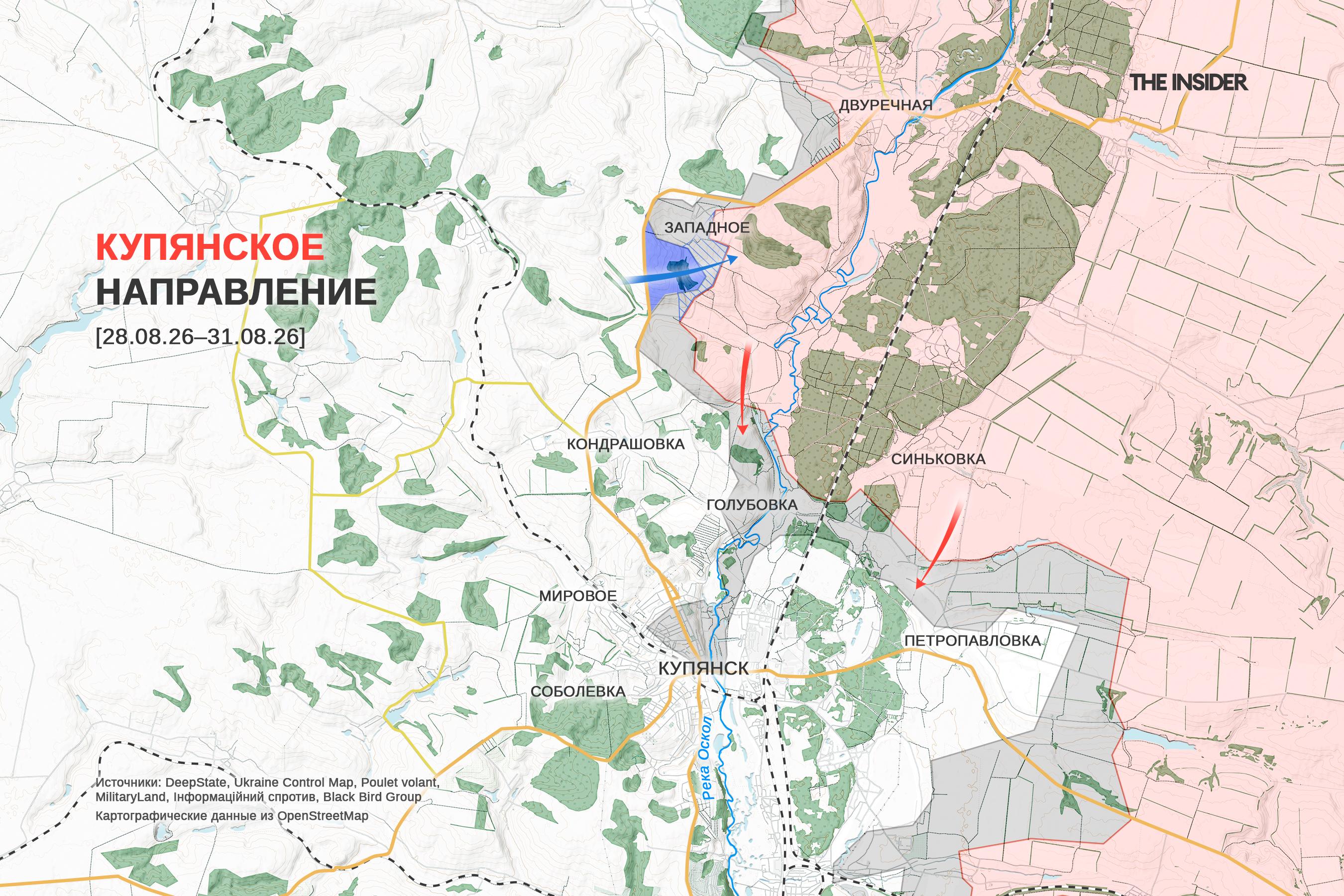
Ukrainian forces report over 250 daily engagements across eastern sectors while operations near Kupiansk and Lyman proceed alongside conflicting territorial claims.

Fighting along the Ukrainian frontline remains intense, with Ukraine's General Staff reporting between 220 and over 250 daily combat engagements. Major Russian pressure continues across the Pokrovsk, Lyman, and Kostiantynivka axes, where defensive units repelled dozens of assault attempts.

Concurrently, Ukrainian forces executed infantry operations along the right bank of the Oskil River north of Kupiansk after using electronic warfare to neutralize enemy drones. Analysts also highlight potential Ukrainian counter-advancements near Lyman covering approximately 200 square kilometers.

However, narrative discrepancies persist regarding frontline dynamics. Russian defense officials asserted new territorial control near Sumy, while Russian General Staff Chief Valery Gerasimov publicly rejected assertions of Ukrainian progress on the Zaporizhzhia front.

Sources: NV, The Insider, Радіо Свобода, Українська правда

Read more
04
ContinuingAI-generated
Iran demands US concessions to reopen Strait of Hormuz amid military escalation

Iran demands US concessions to reopen Strait of Hormuz amid military escalation

Tehran insists the Strait of Hormuz will stay closed until the US meets its demands, while military confrontations escalate around the strategic passage.

Tehran maintains that the Strait of Hormuz will remain blocked until Washington meets key conditions, including lifting oil sanctions, unfreezing assets, and ending military operations. Despite US President Donald Trump publicly rejecting a seven-day proposal to reopen the strategic passage for diplomatic talks, Iranian officials stated they are still awaiting an official, definitive response from the United States.

Concurrently, military activity around the waterway continues to intensify. Following a US strike on Larak Island and the initiation of nighttime escort missions for commercial oil tankers, Iranian forces deployed rocket-launched naval mines along critical maritime corridors. Both nations face shrinking timelines to gain strategic leverage, heightening concerns over further regional instability.

Sources: Expresso, Expresso das Ilhas, Jornal Económico, RTP (Rádio e Televisão de Portugal)

Read more
05
ContinuingAI-generated
Nordic intelligence warns of Russian hybrid threats amid escalating tensions

Nordic intelligence warns of Russian hybrid threats amid escalating tensions

Nordic intelligence reports highlight rising hybrid warfare risks and geopolitical tensions as Ukraine targets strategic Russian military airbases.

Nordic security assessments and intelligence reports highlight growing friction between Moscow and European nations as Ukraine expands deep-strike drone operations against Russian airbases. Recent strikes targeting strategic bomber fleets have impaired Russia's operational reach, bringing the war closer to domestic population centers. Concurrently, Kremlin officials have intensified rhetoric against Oslo, accusing Norway of hostile behavior following NATO military exercises and maritime actions.

Beyond direct military engagements, security agencies in Denmark and Germany report heightened risks from Russian hybrid operations, including alleged sabotage plans targeting defense manufacturers and critical transport infrastructure. While some analysts maintain that securing European stability requires an eventual Russian defeat, strategic observers note that Moscow retains sufficient resources to sustain prolonged conflict, urging European policymakers to maintain composure against evolving hybrid threats.

Sources: Aftenposten, Berlingske, Dagens Næringsliv (DN), Finansavisen, TV 2 Nyheter

Read more
Share