Top news

Sep 28, 2026, 08:30 PM UTC

← Latest news

01
ContinuingAI-generated
Historians mark 1989 as pivotal year shaping modern world order

Historians mark 1989 as pivotal year shaping modern world order

Historians identify 1989 as a critical global turning point, citing the fall of the Berlin Wall, Tiananmen Square, and the Soviet Afghan exit as defining events.

The year 1989 is increasingly viewed by historians as a fundamental turning point that forged the contemporary geopolitical landscape. While Western perspectives often focus on the fall of the Berlin Wall and the collapse of Soviet-aligned regimes in Eastern Europe, major concurrent developments altered power structures across Asia.

In Beijing, the suppression of pro-democracy demonstrations in Tiananmen Square cemented single-party rule while initiating state-led economic modernization. Meanwhile, the Soviet military retreat from Afghanistan created a power vacuum that triggered persistent instability across Central Asia.

Together, these synchronized shifts dissolved the Cold War framework and established the strategic rivalries, political systems, and security challenges defining twenty-first-century international relations.

Sources: Die Presse

Read more
02
ContinuingAI-generated
Swedish analysis details long-range weaponry in Russia-Ukraine conflict

Swedish analysis details long-range weaponry in Russia-Ukraine conflict

A technical breakdown by Dagens Nyheter examines how ballistic missiles, cruise missiles, and drones operate in the Russia-Ukraine war, emphasizing the need for multi-layered air defenses.

Swedish daily Dagens Nyheter published a technical overview examining the different long-range weapons utilized in the ongoing conflict between Russia and Ukraine. The analysis contrasts high-speed ballistic missiles, which follow high-altitude parabolic arcs, with low-altitude cruise missiles engineered to evade detection by radar. Additionally, the report outlines how uncrewed aerial vehicles are increasingly deployed to overwhelm air defenses and drain expensive interceptor inventories. Defense analysts noted that effective interception of these aerial threats requires comprehensive, multi-layered air defense networks equipped to handle varying speeds, altitudes, and radar signatures.

Sources: Dagens Nyheter.

Read more
03
ContinuingAI-generated
Spain moves remaining migrants into temporary shelters in Ceuta

Spain moves remaining migrants into temporary shelters in Ceuta

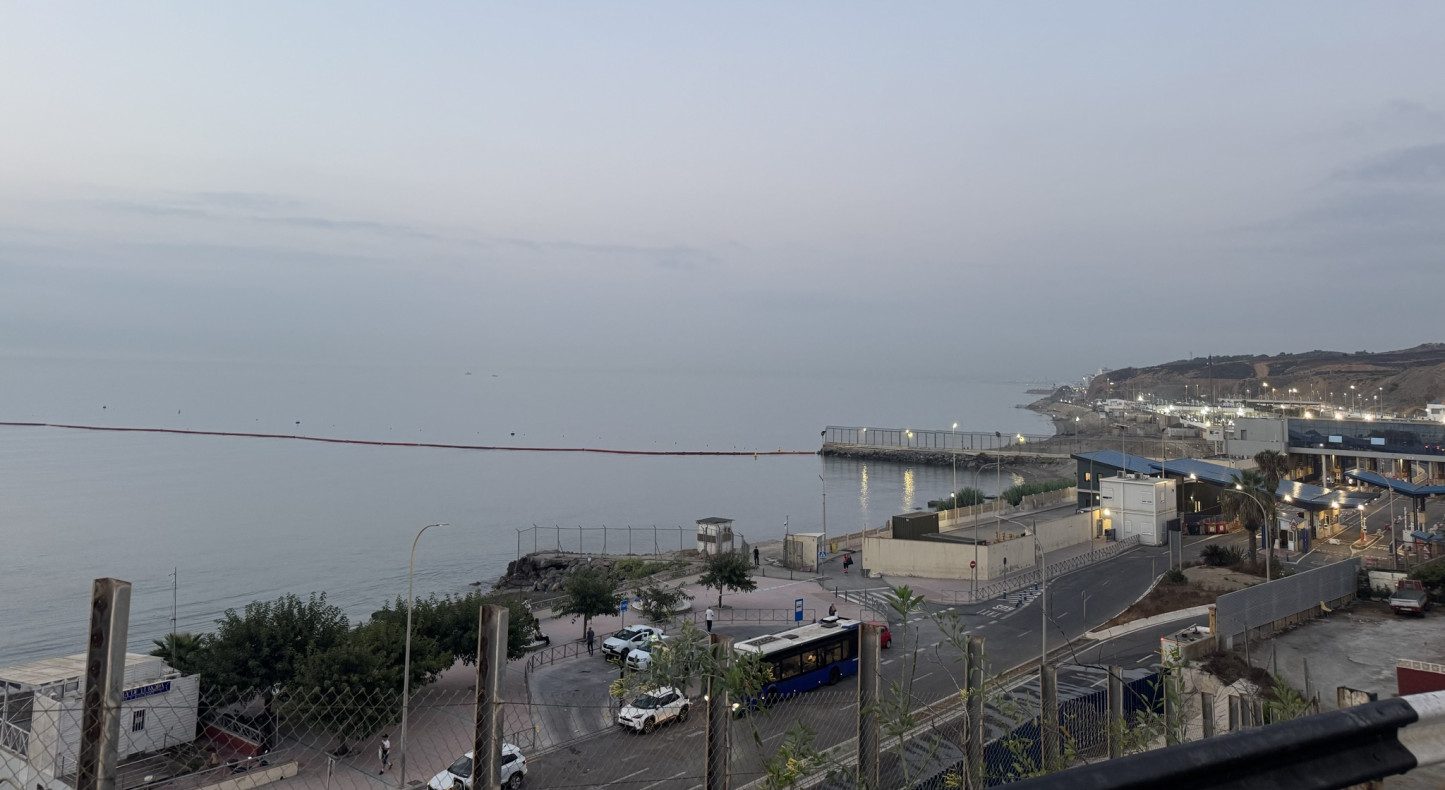
Spanish authorities transferred around 2,000 migrants to temporary shelters in Ceuta following July border crossings, as local frustration grows over enclave infrastructure.

Spanish authorities have completed the transfer of around 2,000 migrants into two newly built temporary accommodation centers in Ceuta. The facilities aim to clear public spaces like beaches and streets where hundreds had been sleeping since late July, when tens of thousands crossed the border from Morocco.

While reinforced Spanish and Moroccan security forces successfully deterred a rumored follow-up crossing attempt on August 15, local frustration inside the enclave continues to mount. Residents have expressed anger over strained public infrastructure and slow government response times, while political groups debate the long-term management of the border. Spanish officials maintain the temporary shelters will ensure basic humanitarian care while processing continues.

Sources: Correctiv, Die Zeit, FAZ, ORF, Tagesschau.

Read more
04
ContinuingAI-generated
Slovak ruling coalition forms local alliance with far-right Republika

Slovak ruling coalition forms local alliance with far-right Republika

Slovakia's ruling coalition forms a local alliance with far-right Republika as the cabinet proposes constitutional referendum rules and opposition tours the country.

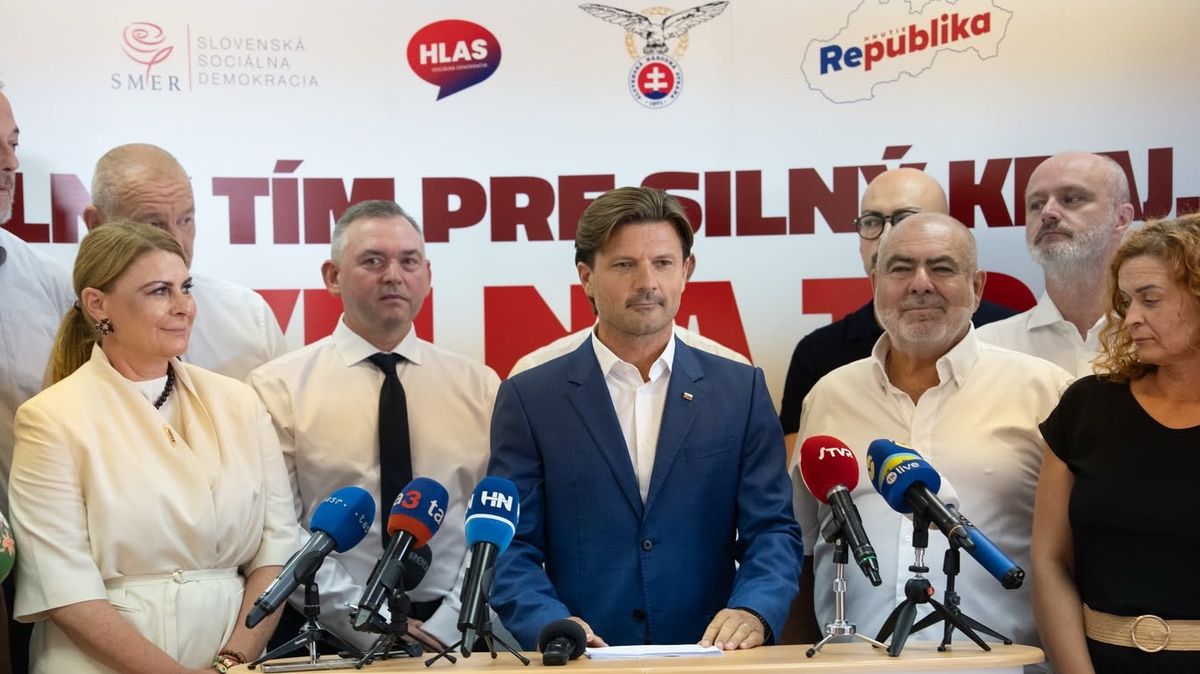
Slovakia's ruling coalition led by Prime Minister Robert Fico has formed its first formal local electoral alliance with the far-right Republika movement ahead of upcoming regional elections. The coalition endorsed a joint gubernatorial candidate in the Trnava region alongside Republika, which currently holds third place in voter preference polls. Concurrently, controversy surrounds Republika's youth wing after its registration form listed "mentally disabled" as a gender option.

In government affairs, Fico's cabinet approved a constitutional amendment permitting public referendums to trigger early parliamentary elections in future terms, though the coalition lacks the necessary three-fifths legislative majority. Meanwhile, President Peter Pellegrini urged coalition leaders during a parliamentary address to resolve internal disputes privately, while opposition leader Igor Matovič initiated a nationwide tour to confront government supporters directly.

Sources: Český rozhlas Plus, Denník N, iROZHLAS, Respect, Seznam Zprávy

Read more
05
ContinuingAI-generated
Sweden's center-left wins narrow election victory as Andersson seeks coalition

Sweden's center-left wins narrow election victory as Andersson seeks coalition

Magdalena Andersson's opposition bloc secures a tight general election win, opening complex multi-party coalition talks to form Sweden's next government.

Sweden's opposition center-left bloc, led by Social Democratic leader Magdalena Andersson, has secured a narrow general election victory after final overseas and postal votes were counted. The result ends Prime Minister Ulf Kristersson's right-leaning coalition, which faced public discontent over economic performance and social services.

To form a functioning majority in the 349-seat Riksdag, Andersson must now negotiate a coalition agreement with the Green Party, the Centre Party, and the Left Party. These talks are expected to be complex due to policy friction between potential allies. The election campaign was also marked by scrutiny over alleged Russian influence operations targeting figures within the right-wing Sweden Democrats party.

Sources: La Vanguardia, NEXTA, Politico Europe (Defense), The Insider, The Local Sweden

Read more
Share