Top news

Sep 28, 2026, 01:30 AM UTC

← Latest news

01
ContinuingAI-generated
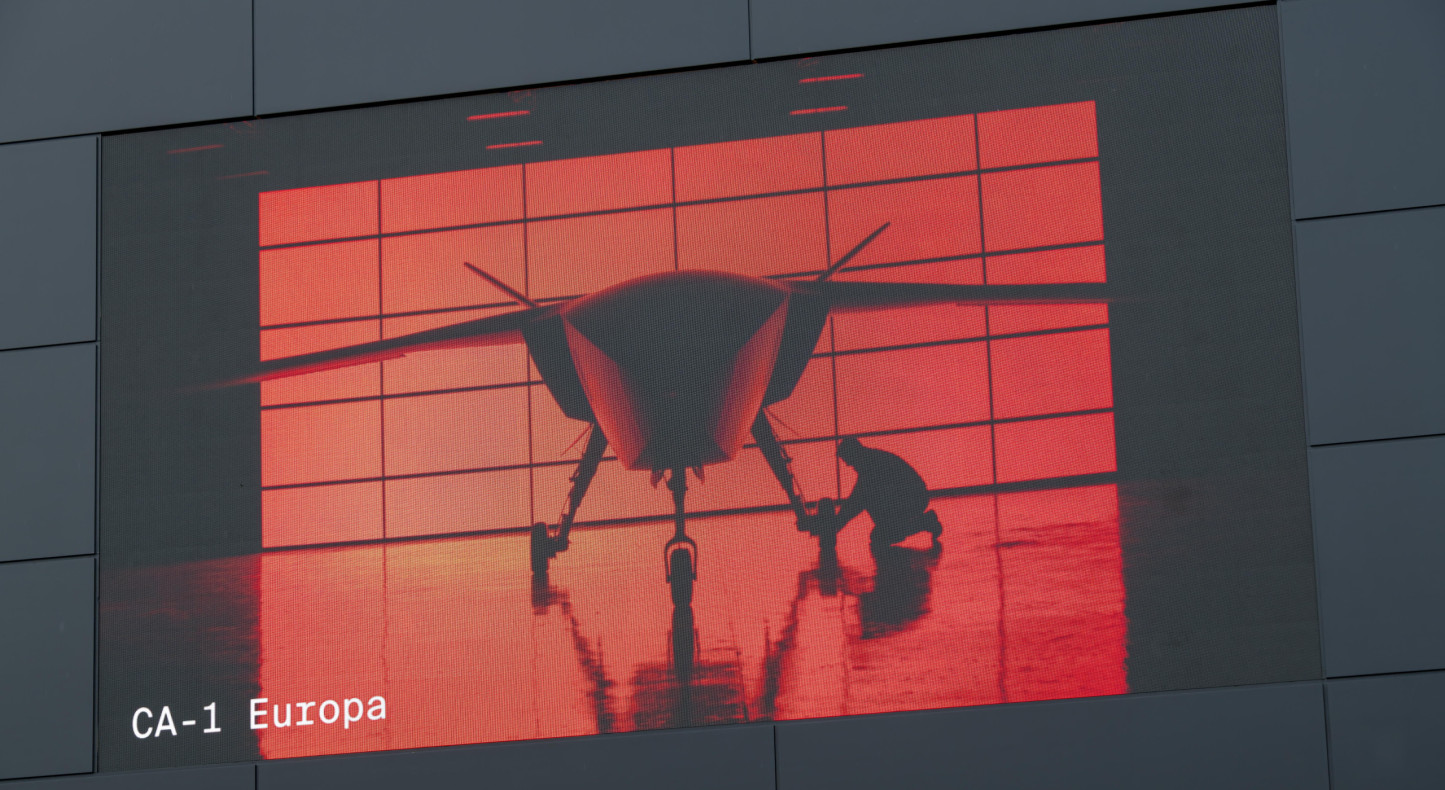
UN states define autonomous weapons as Germany advances domestic military AI

UN states define autonomous weapons as Germany advances domestic military AI

128 UN states agreed on a definition for autonomous weapon systems in Geneva, while Germany advances domestic military AI guidelines and sovereign data analytics.

International efforts to regulate military artificial intelligence achieved a milestone in Geneva, where 128 United Nations member states agreed on an official definition for autonomous weapon systems. The consensus comes as the UN and the International Committee of the Red Cross warned against crossing a moral boundary by allowing automated systems to target humans without oversight.

Simultaneously, national defense strategies are adapting to AI capabilities. Concept papers from Germany's Ministry of Defense indicate that armed forces may permit weapon systems to operate independently under specific circumstances, provided ultimate control over military force remains with human commanders. To preserve operational sovereignty, the German military is also developing a proprietary AI data analytics platform to replace reliance on private vendors like Palantir, focusing on rapid decision-making tools for defense operations.

Sources: Correctiv, Der Spiegel, Der Standard, Die Zeit, ESUT

Read more
02
ContinuingAI-generated
Nordic security experts evaluate Russian strategic constraints and hybrid threats

Nordic security experts evaluate Russian strategic constraints and hybrid threats

Northern European security experts are analyzing Russia's operational constraints as Ukrainian deep strikes intensify and Nordic nations face Kremlin hybrid threats.

Northern European analysts and security officials are assessing Russia's strategic position as Ukraine expands deep-strike operations against Russian military infrastructure and strategic bombers. While these long-range attacks harm Moscow's economy and combat strength, intelligence reports suggest Russia retains the capability to sustain its war effort despite a narrowing scope for broader strategic success.

Simultaneously, Nordic nations are confronting heightened hybrid tactics and aggressive Kremlin rhetoric. Top Russian leaders recently accused Norway of "statsterrorisme" following NATO naval exercises and the impoundment of a Russian vessel. Security services in Germany and Denmark have also uncovered sabotage plans targeting defense manufacturers and logistics hubs. Experts emphasize that European allies must maintain a clear-headed approach when evaluating Moscow's actual military risk tolerance.

Sources: Aftenposten, Berlingske, Dagens Næringsliv, Finansavisen, TV 2 Nyheter

Read more
03
ContinuingAI-generated
Former Slovenian internationals reflect on careers ahead of Ljubljana-Maribor derby

Former Slovenian internationals reflect on careers ahead of Ljubljana-Maribor derby

Former Slovenian football figures Aleš Čeh and Jan Mlakar reflect on their careers and outlooks ahead of the Ljubljana-Maribor derby.

Former Slovenian national team captain Aleš Čeh and striker Jan Mlakar have shared insights into their career trajectories and expectations surrounding the football rivalry between Olimpija Ljubljana and NK Maribor.

Čeh, who served for over a decade as an assistant to manager Srečko Katanec and spent seven years coaching in Asia, highlighted his enduring connection to Olimpija alongside his respect for Maribor. Meanwhile, 27-year-old forward Mlakar recently returned to Maribor for a third tenure. Mlakar clarified that he was "never close to joining Olimpija" despite originating from Ljubljana, adding that while Olimpija currently faces difficulties, "in the derby they can only gain."

Both figures emphasized the significance of the ongoing competitive balance within Slovenian football.

Sources: Delo, Siol.net

Read more
04
ContinuingAI-generated
Historians frame 1989 as the multi-faceted origin of modern geopolitics

Historians frame 1989 as the multi-faceted origin of modern geopolitics

Analysts reexamine 1989 as a pivotal year that shaped modern geopolitics through European, Asian, and Central Asian transformations.

Historians are increasingly reevaluating 1989, framing it as the foundational turning point that launched the geopolitical realities of the twenty-first century. While Western perspectives traditionally focus on the fall of the Berlin Wall and the collapse of Eastern European communist regimes, global analysts stress that concurrent events elsewhere were equally decisive.

Beijing's suppression of pro-democracy protests in Tiananmen Square solidified China's authoritarian framework, establishing the conditions for its rise as a state-led economic power. Simultaneously, the Soviet military withdrawal from Afghanistan altered Central Asian security, influencing long-term regional instability. Together, these concurrent developments ended Cold War bipolarity and established today's complex international order, which remains defined by competition between democratic and autocratic systems.

Sources: Die Presse

Read more
05
ContinuingAI-generated
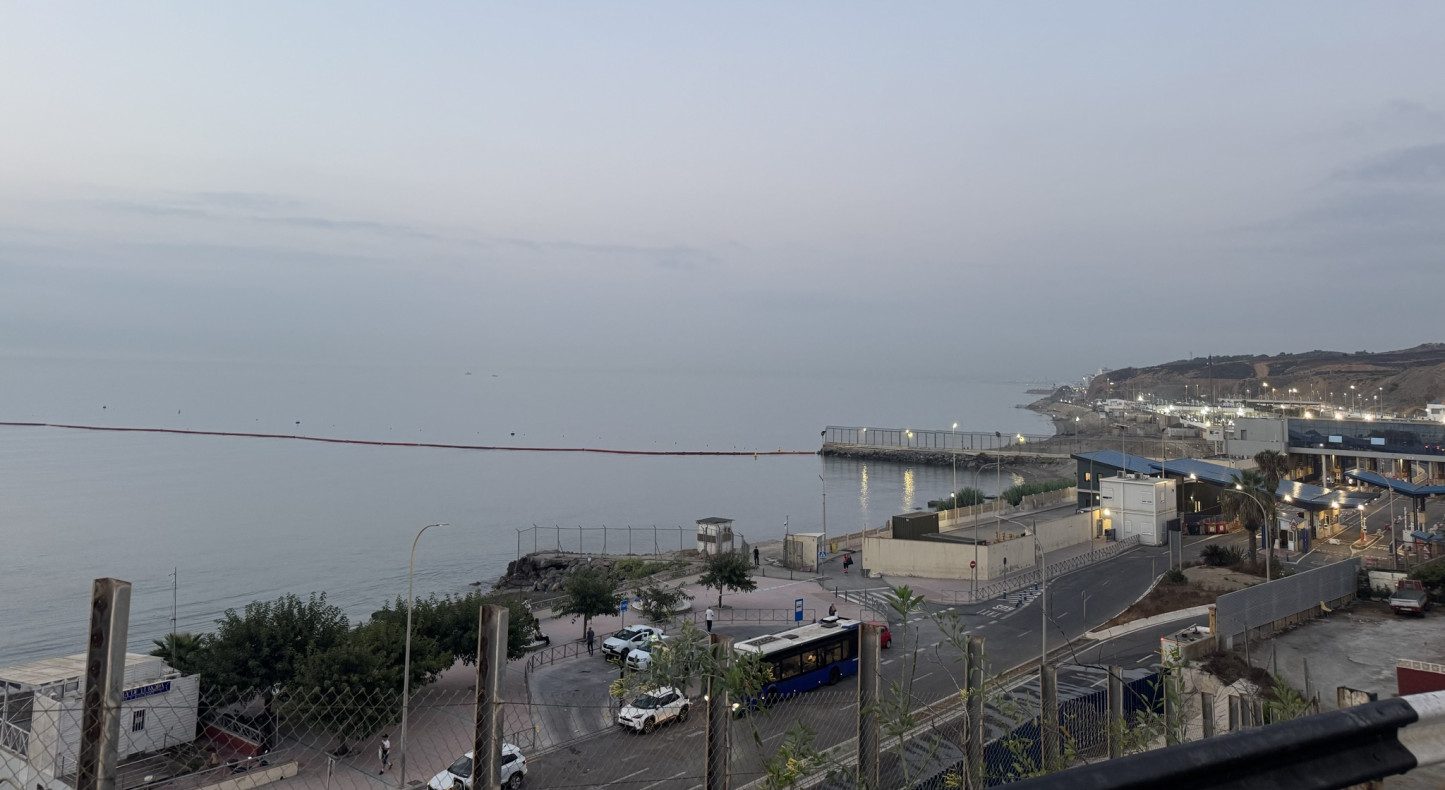
Spain opens temporary facilities in Ceuta as border calm holds

Spain opens temporary facilities in Ceuta as border calm holds

Spanish authorities have established temporary shelters for around 2,000 migrants remaining in Ceuta following July's border crossing.

Spanish authorities have begun housing around 2,000 migrants remaining in the enclave of Ceuta in two newly established temporary reception centers. The Spanish Ministry of Migration confirmed the facilities aim to prevent individuals from sleeping on streets and beaches following the massive border crossing in late July, when tens of thousands entered the territory.

An anticipated secondary surge on August 15 failed to occur after Spanish and Moroccan security forces significantly reinforced border patrols and deployed additional personnel along the perimeter.

While physical calm has returned to the border line, domestic strains remain prominent. Local residents have voiced rising frustration over overwhelmed public infrastructure, with some community members expressing concern over political groups capitalizing on the humanitarian emergency.

Sources: Correctiv, Die Zeit, FAZ, ORF, Tagesschau.

Read more
Share