Top news

Sep 26, 2026, 11:00 PM UTC

← Latest news

01
ContinuingAI-generated
Heavy fighting continues across Ukrainian front lines as Russian drone strikes claim civilian lives

Heavy fighting continues across Ukrainian front lines as Russian drone strikes claim civilian lives

Over 250 engagements were reported across Ukrainian front lines, alongside Russian drone strikes in Kyiv and Kherson oblasts that resulted in civilian fatalities.

Heavy ground combat persisted across front lines in Ukraine as the General Staff reported over 250 military engagements within 24 hours. The fiercest assaults concentrated on the Lyman, Kostiantynivka, and Pokrovsk directions, where Ukrainian troops repelled dozens of attempts to breach defense lines.

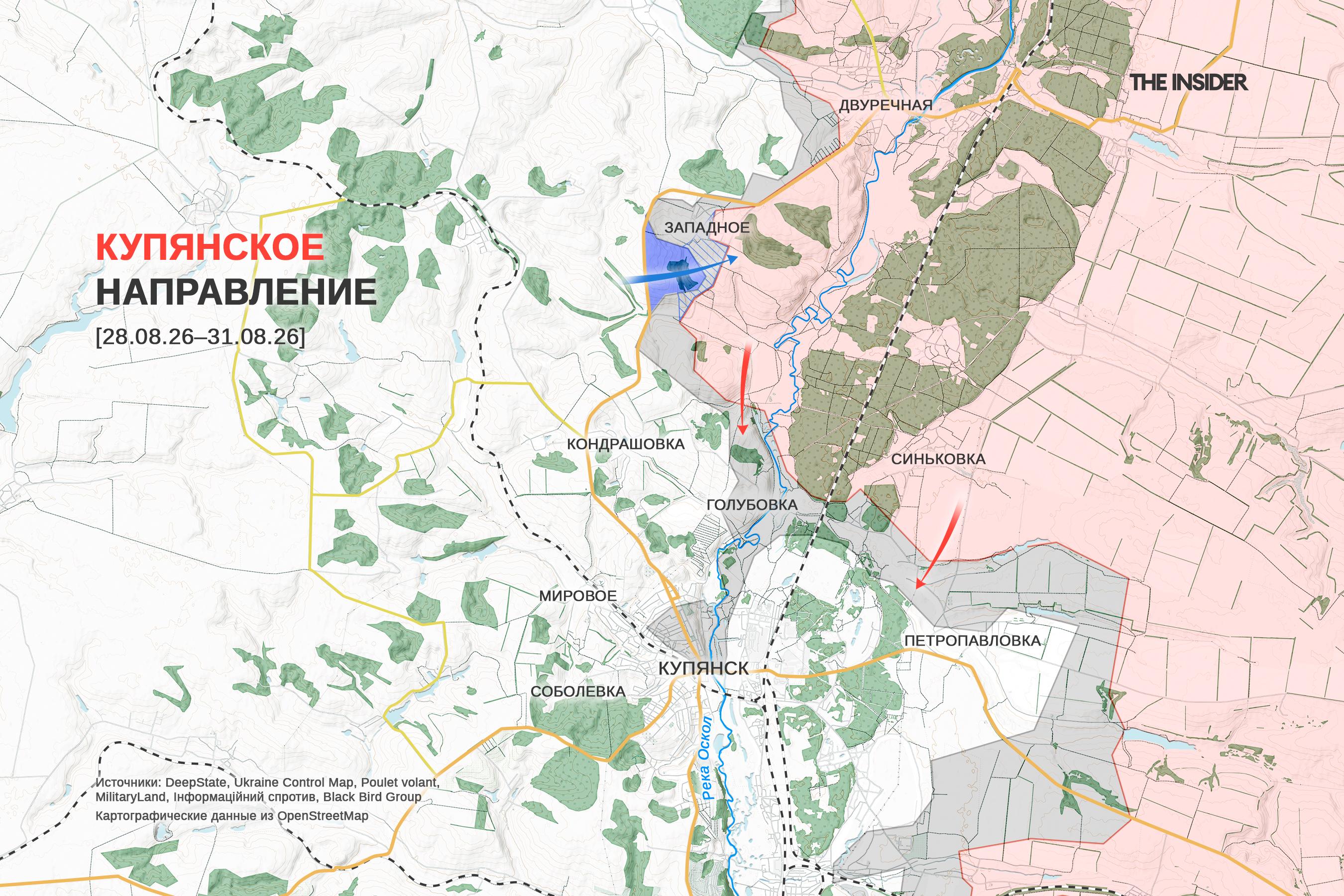
North of Kupiansk, Ukrainian infantry advanced along the right bank of the Oskil River after suppressing enemy drone operations. Ukrainian forces also sought to consolidate territory near Lyman, while Moscow claimed territorial gains near Sumy and dismissed reports of Ukrainian advancements in Zaporizhzhia.

In the air, Russian forces launched 138 drones overnight. Local authorities reported fatalities in Kyiv Oblast, where a mother and her two children were killed, and in Kherson Oblast, where a drone strike on a monastery killed a priest.

Sources: NV, Point, Радіо Свобода, The Insider, Українська правда.
Read more
02
ContinuingAI-generated
Ukraine pursues domestic missiles and glide bombs to counter air defense shortages

Ukraine pursues domestic missiles and glide bombs to counter air defense shortages

Ukraine is developing indigenous ballistic missiles and precision glide bombs to offset delays in licensing U.S. Patriot systems and address air defense shortages.

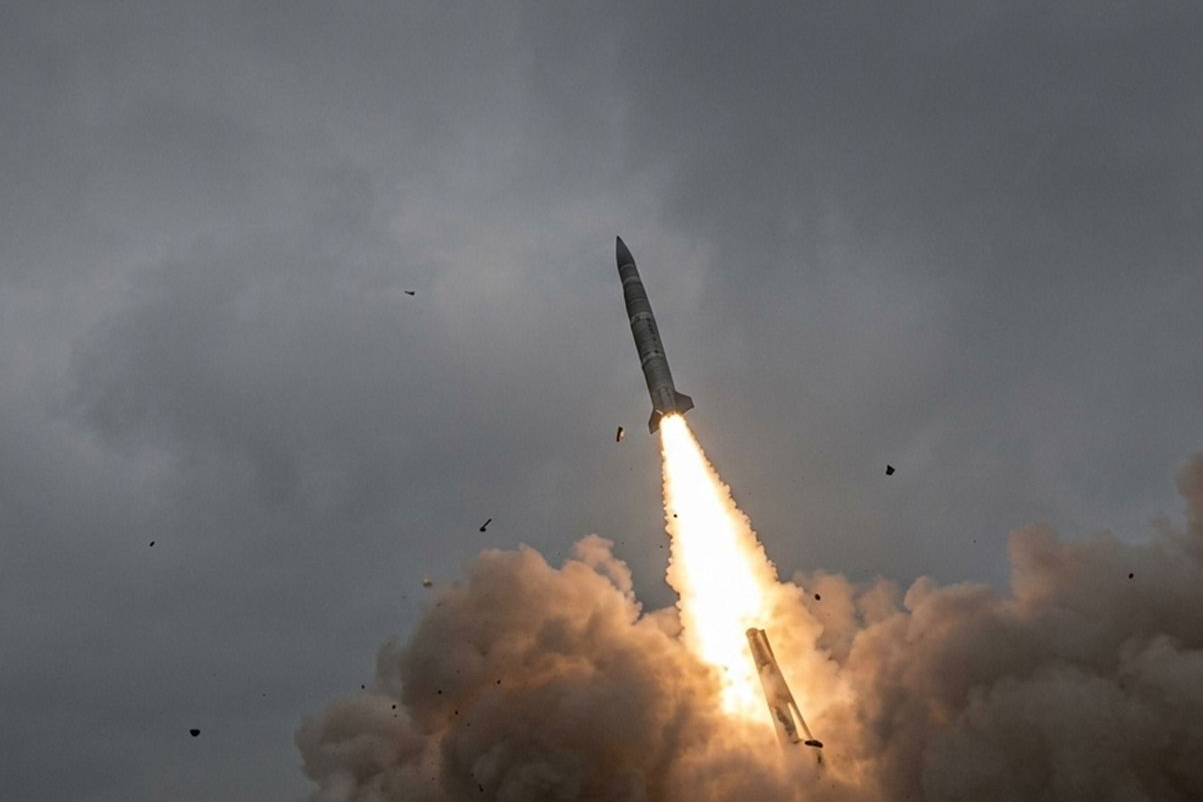
Ukraine is accelerating efforts to manufacture domestic weaponry to address severe shortages of Western air defense interceptors amidst ongoing Russian ballistic missile strikes. President Volodymyr Zelenskyy noted that establishing local production of Patriot defense systems under U.S. licenses faces bureaucratic delays, requiring between one and several years to deploy.

In response to these vulnerabilities, two Ukrainian defense companies are actively developing native ballistic missiles, though mass production remains hindered by technical obstacles. Additionally, the Ukrainian military has begun procuring the "Equalizer" precision glide bomb kit. Developed by DG Industry with the Brave1 defense technology cluster, the system converts standard unguided bombs into long-range precision munitions compatible with both Soviet-era aircraft and Western F-16 fighters, offering an immediate low-cost strike capability.

Sources: NEXTA, NV, Point, The Insider, Українська правда

Read more
03
ContinuingAI-generated
US midterm election dynamics threaten to alter Washington's foreign policy priorities

US midterm election dynamics threaten to alter Washington's foreign policy priorities

Rising US midterm election pressures are altering Washington's foreign policy, impacting aid strategy for Ukraine and White House plans regarding Iran.

The approaching US midterm elections are increasingly influencing Washington's foreign policy calculus. Former Ukrainian Ambassador Valeriy Chalyi noted that a potential loss of Republican control in both houses of Congress could prompt American lawmakers to focus on domestic politics, diverting attention from aid to Ukraine.

Meanwhile, White House advisers are reportedly urging President Donald Trump to refrain from escalating tensions with Iran to protect Republican prospects in the upcoming elections. Despite domestic political friction delaying key legislative actions—such as proposed anti-Russian sanctions—a visiting bipartisan delegation of US congressmen in Kyiv assured continued support to ensure Ukraine can negotiate from a "position of strength." However, lawmakers acknowledged that partisan disputes in Washington continue to complicate the passage of concrete legislation.

Sources: Liga net, NV, Радіо Свобода, Українська правда.

Read more
04
ContinuingAI-generated
US rejects Iranian proposal to reopen Strait of Hormuz as military tension rises

US rejects Iranian proposal to reopen Strait of Hormuz as military tension rises

Donald Trump rejected Iran's proposal to reopen the Strait of Hormuz in exchange for lifting sanctions, as military actions escalate in the strategic waterway.

US President Donald Trump has rejected a seven-day ceasefire proposal from Tehran that aimed to reopen the Strait of Hormuz. Iranian officials had offered to unblock the strategic shipping channel in exchange for Washington lifting its naval blockade on Iranian ports, suspending petroleum sanctions, releasing frozen assets, and halting military operations. Tehran affirmed that the passage will remain closed until all demands are met.

The diplomatic deadlock coincides with escalating military confrontations in the area. Following a US attack on Iran's Larak Island, American forces started escorting commercial oil tankers through the strait at night. In response, Iranian forces deployed rocket-launched sea mines into the corridor, heightening fears of a wider escalation.

Sources: Expresso, Expresso das Ilhas, Jornal Económico, RTP (Rádio e Televisão de Portugal)

Read more
05
ContinuingAI-generated
US forces strike Iranian oil tankers and military targets near Strait of Hormuz

US forces strike Iranian oil tankers and military targets near Strait of Hormuz

U.S. forces targeted Iranian oil tankers and military infrastructure near the Strait of Hormuz following missile attacks on American warships and sea-mining attempts.

United States forces launched major strikes against Iranian targets near the Strait of Hormuz, targeting three Iranian oil tankers and several military positions. According to U.S. Central Command, the actions followed Iranian ballistic missile attacks directed at two American warships and an attempt by Tehran to deploy naval sea mines in international shipping lanes, which American personnel subsequently cleared.

The escalation marks a direct expansion of military operations onto commercial maritime traffic and energy infrastructure. U.S. officials warned of further retaliatory measures if Iranian forces continue disrupting regional commerce, while military analysts highlighted the increasing reliance on drone technology and infrastructure targeting as defining features of modern energy warfare.

Sources: Investor.bg, Mediapool, Nova TV

Read more
Share